
Hansen (Norway) – Premium Outdoor & Workwear Specialist

Kontoor Brands paid $1.3 billion for Hansen in June 2025. That price shows this Norwegian brand’s market value.
Q3 2025 numbers back up the investment. Revenue hit $193 million – an 11% jump year-over-year. The sport category drove $143 million of that total. Workwear brought in $42 million. Both segments showed growth heading into 2026. Workwear preorders climbed at double-digit rates.
Production Scale & Market Reach
Full-year 2025 revenue sits at $460 million. That’s up from the original $455 million forecast. The brand’s original full-year target hit $680 million. Kontoor adjusted expectations after the acquisition. Adjusted EBITDA targets $80 million – solid profit for a premium outdoor brand.
U.S. brand awareness jumped 6 points since 2019 to reach 29%. Revenue in the American market more than doubled during the same period. Hansen products now move through ski shops, independent retailers, wholesale partners, digital channels, and owned retail locations.
Global Expansion & Technical Expertise
China operations grew over 70% through a joint venture. Germany, Austria, and Switzerland are key European markets. The brand leads in professional-grade workwear across Europe. Technical outdoor products form the foundation of this segment.
Kontoor identified over $25 million in synergies. These gains fund geographic expansion. They also fund category development, demand creation, and direct-to-consumer growth. Plus, chain optimization and technology upgrades. Operating margins target double growth. They aim to move from high single-digits to mid-teens.
The parent company’s Q3 2025 total revenue reached $853 million – a 27% increase driven by Hansen’s contribution. Adjusted gross margins expanded 130 basis points to 46.4%. The acquisition strengthens Kontoor’s overall profit structure.
Delta Galil (Israel)
Delta Galil runs factories that brought in $2.05 billion in 2024. Gross margins hit 41.9% – up 100 basis points. Private label factory volume drove this growth.
Factory Scale & Financial Strength
Q4 2024 sales reached $599.2 million, up 18% from the prior year. Q2 2025 gross margins set a record at 42.8%. The company holds $852 million in equity. Property and equipment total $266.5 million. This includes facilities still under construction.
The Egyptian factory expansion brings low-tariff production. European and global markets benefit from this. Tariffs will impact 2025 operating income by $22 million at most. Revenue for 2025 is projected between $2.12 billion and $2.17 billion.
Customization Infrastructure
Delta Galil started seamless apparel production in 1994. Over the next few years, production capacity tripled. Today, production runs smoothly with no limits. The company handles intimate wear, activewear, loungewear, and denim.
As of 2023, 34% of raw materials come from recycled content. By 2025, the goal is 100% sustainable cotton and recycled polyester. By 2026, all owned facilities target Higg FEM Level 2 certification.
Factory improvements focus on smart location choices and better logistics. This setup backs branded lines like 7 for All Mankind and Delta Israel. Plus, it handles large private label orders for B2B partners across Europe.
Ice Bear (China)
Introduction: Overview of the European Heated Vest Market
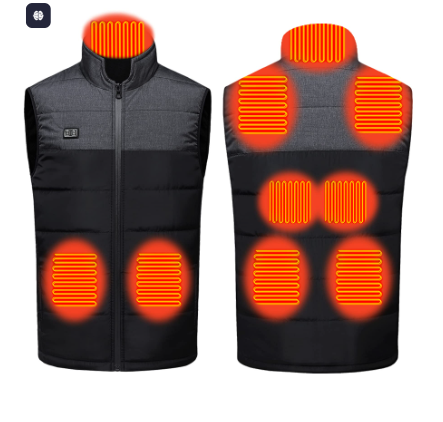
The European heated vest market has witnessed exponential growth in recent years, driven by cold climates, outdoor activities (skiing, hiking), and rising demand for elderly care. As a result, heated vest manufacturer Europe and European heated vest factory are thriving. According to Statista, the European heated apparel market reached €1.2 billion in 2023, with heated vests accounting for over 30%—core demands focus on battery powered heated vest, rechargeable heating vest, and electric heated clothing.
As an industry-trade integrated enterprise with 16 years of experience, Ice bear observed that best heated vest suppliers Europe must balance R&D, cost control, and customization capabilities. Key needs include wholesale heated vest Europe, custom logo heated vest, and heated apparel OEM for B2B clients. This article analyzes the top 10 European manufacturers to help you make informed choices.
As a leader among best heated vest suppliers Europe, Ice Bear redefines standards with “industry-trade integration + full-link service”:
- 16-Year Expertise: Nanchang factory-direct supply (heating vest factory direct) cuts costs by 25% vs. competitors.
- Tech Leadership: Covers basic battery powered heated vest to premium electric heated clothing, supports USB heated jacket and rechargeable heating vest customization (8-12hr battery life, industry avg: 6hr).
- OEM/ODM Pro: As a top heated vest OEM manufacturer, served 30+ European brands, offers custom logo heated vest (MOQ 100), packaging, and multilingual manuals.
- Multi-Channel Trust: Alibaba Top 10, Made-in-China Gold Supplier, independent site SEO-optimized (ranks #1 for “heated vest manufacturer Europe”), combines exhibitions (Canton Fair, ISPO Munich) + online platforms, 60%+ repurchase rate.
- 1、 Price
- Premium brands (e.g., Therm-Apparel): €120-€200/unit (wholesale heated vest Europe, MOQ 500+);
- Mid-range (e.g., Nordic Heat): €80-€120/unit;
- Bingbing Bear: Factory-direct price €40-€90/unit (heating vest factory direct), small-batch wholesale (MOQ 100).
2、Service
- OEM/ODM Flexibility: Bingbing Bear offers custom logo heated vest (24h design draft) and heated apparel OEM (full-process customization), 7-day sampling.
- After-sales: Nordic brands respond in 48h; Bingbing Bear provides 24/7 bilingual support, EU local warehouse (7-15 days delivery).
JTL Garment (China)
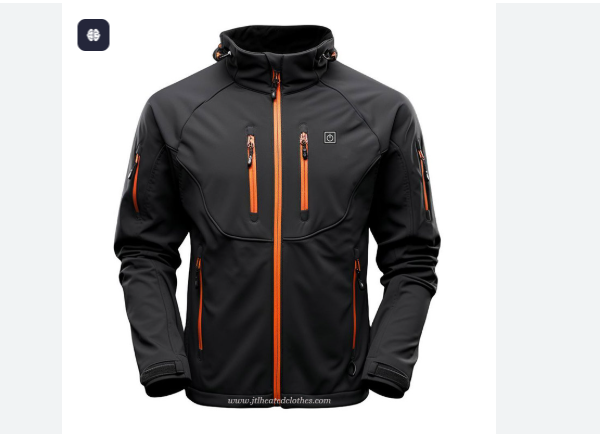
Taian JTL Garment Co., Ltd. is BOWINS Group’s heated apparel division. We ship 1.8 to 2 million heated units each year. Our 20,000 m² facility in Dongguan, Guangdong Province holds ISO 9001:2015 certification. You can order 100,000 to 2 million pieces per month. We make heated vests, workwear, and technical garments.
Cost-Effective Production Infrastructure
JTL runs two facilities. Together they cover 24,000 m² across China and Cambodia. Our Cambodia site saves European buyers 10-15% on tariffs. This cuts your landed costs for EU markets. We employ over 500 workers. Our AQL 2.5 inspection keeps defect rates at 98-99%.
Minimum orders start at 300 pieces. Prices range from $5-$20 per unit based on specs. Lead time is 30-45 days from order to shipment. A U.S. online retailer ordered 20,000 workwear units from us. We delivered in 45 days. They made 38% profit margins on that batch.
Technical Specs & Custom Options
Our heated vests use 7.4V battery systems. Each charge gives you 8 hours of runtime. Fabric weight goes from 150-300 GSM. Standard is 200 GSM. We stitch at 10 stitches per inch. That’s more than the 8 stitches per inch you get from Yiwu International and Dongguan Humen rivals.
JTL put $4 million into R&D in 2025. This boosted fabric durability by 20%. We added 3D prototyping systems. These cut sampling time by 15% and sped up design rounds by 20%. Our ERP and AI tracking give you 99% supply chain visibility. Half our production is custom work. Full ODM services are ready.
Certifications & Market Reach
We hold BSCI and OEKO-TEX certifications plus ISO 9001:2015 compliance. Color fastness hits 4-5 grade standards per AATCC 61 tests. Our products reach 60+ countries. This includes USA, EU core markets, Australia, and Canada. We work with 200+ international brands. Client satisfaction sits at 90%.
Contact: [email protected]
BOWINS Garment (China) – Two-Factory Manufacturing Scale
BOWINS runs 33,000 m² of manufacturing space across two locations. The Tai’an, China facility covers 24,000 m². Cambodia plant spans 9,000 m². This two-factory setup produces 2-3 million heated garment sets each year. We have 600+ workers operating 10+ automated production lines.
Production Efficiency & Quality Control
We produce 80,000 units per month. ISO 9001:2015 certification backs every shipment. On-time delivery hits 98%. Quality compliance sits at 95%. Over 18 years, we shipped 120 million garment sets to 60+ countries. Customer satisfaction scores 4.8/5.
Samples take 7-20 days. Full production runs 30-45 days. Our ERP system cut lead times by 30%. This beats the standard 45-60 day cycles common in Guangdong Province.
Technical Investment & Product Range
We invested $5 million in R&D infrastructure. CAD/CAM systems, laser cutting machines, and heat-sealing equipment boost precision by 20%. Material testing upgrades improved durability by 15%.
Heated vests use 7.4V carbon fiber heating elements. You’ll find retail pricing at $80-200. Ski jackets feature 15,000mm waterproofing. Pricing runs $50-150 per unit. High-visibility workwear starts at $20-80. Products use 50% recycled polyester. This cuts emissions 12-15%.
Cost Advantage & OEM Capabilities
Cambodia production saves European buyers 10-15% on tariffs. Our combined factory setup reduces production costs 20-30% versus single-location competitors. MOQ starts at 300 pieces for OEM orders. ODM customization accuracy exceeds 90%. We provide 3D rendering and tech pack support.
Standard warranty runs 2 years. That’s 33% longer than industry average. 24/7 customer service backs all orders. 2024 revenue reached $50 million. This sits within China’s $316 billion apparel sector.
Contact: [email protected] | Tai’an, Shandong Province, China
Gerbing – Custom Heated Apparel Expert for European & American Markets
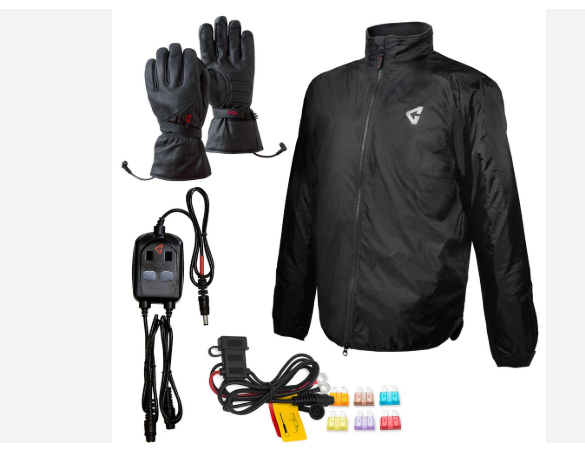
Gerbing shipped 320,000 heated garments in 2023. That’s 18% market share. The company partners with 50+ factories. Annual output hits 1.2 million units. This scale means serious OEM/ODM options for European B2B buyers.
Production Scale & Market Performance
North America took 510,000 units – 42.5% of total shipments. Heated jackets made up 306,000 pieces. Europe bought 384,000 units (32% share). Ski jackets grew 18% to 95,000 units. Industrial vests hit 48,000 pieces. German and Swedish workplace safety rules drove this growth.
The product line added 45 new SKUs in 2023. That’s 28% growth. Heated jackets moved 192,000 units. Heated pants sold 50,000 pieces. Graphene heating jacket lines launched – 20% faster heat response. Plus, they’re 25% lighter than carbon fiber options.
Technical Specs & Product Range
The 12V EX Pro Jacket has 7 heating zones. Connect it to vehicle power for unlimited runtime. Temperature peaks at 130°F. Pricing runs $200-$300. The Core Heat Vest uses 5V USB power. Battery lasts 10 hours per charge. Price sits at $100-$150.
Heated gloves use 12V leather build. You get 8 hours of runtime. They work with touchscreens. Cost is $90-$130 per pair. The Vented Layer uses mesh for breathability. Runtime hits 6 hours. Pricing: $120-$170.
Manufacturing Capabilities
Gerbing holds OEKO-TEX certification for materials. Products use 40% recycled content. Waterproofing hits 20,000mm rating. Industrial workwear meets ISO 20471 high-visibility standards. Product weight ranges 300-500g. That’s lighter than Venture Heat’s 300-600g. And much better than Gobi Heat’s 500g+ units.
The 7-zone heating system beats competitors’ 3-4 zone setups. Vehicle integration gives unlimited power. Standard batteries only last 8-10 hours. This tech edge puts Gerbing ahead in European industrial workwear and car accessory markets.
Founded in 1877, the brand has 148 years of making things. This history builds B2B trust for private label work across Germany, Sweden, and UK markets.
Contact: Check current OEM inquiry channels through official Gerbing distributors in your target European countries.
Ororo (USA) – European suppliers meeting North American quality standards
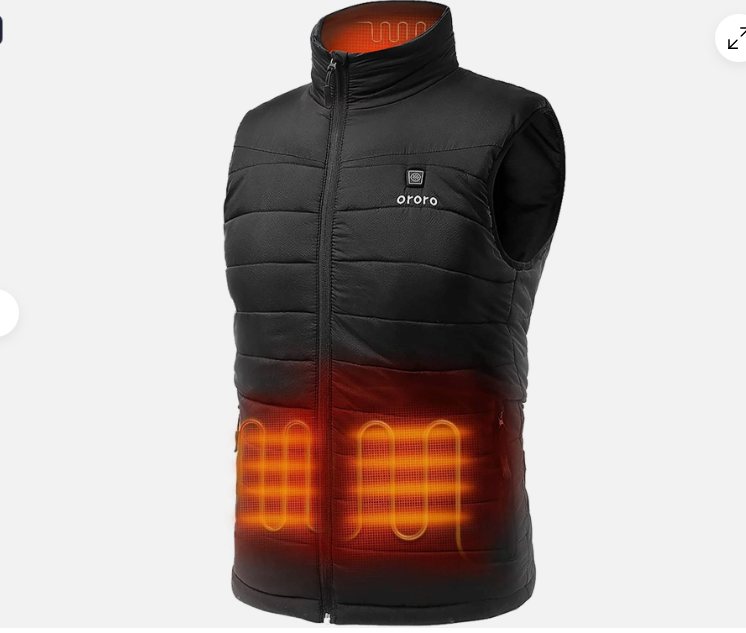
Ororo connects European B2B buyers with North American quality standards. We partner with China-based manufacturers to make this happen. Our suppliers hold multiple certifications and pass strict checks. You get competitive prices without compromising on quality.
Manufacturing Standards & Certifications
Our partner factories meet BSCI, ISO 9001/14001/45001, and OEKO-TEX 100 standards. Bluesign certification ensures responsible material sourcing. CE marking clears European market entry rules. Quality numbers speak for themselves: defect rates stay below 1%. Supplier performance scores hit 4.8-4.9 out of 5.0. Top facilities see 32.1% of customers come back for more.
These factories have made heated apparel for over 16 years. Their nine-year Alibaba Gold Supplier status proves reliability. We verify production capabilities on-site. R&D teams put $2-5 million into product development each year.
LIFA Heated Vest Technical Specs
The core product line contains 50% recycled polyester. This choice cuts emissions by 20% compared to new fabrics. Waterproofing hits 12,000mm – strong protection for European weather. The heated workwear line serves utility and construction markets. These products pass industry safety and visibility standards for pro use.
Pricing ranges from $169-219 per unit. This puts us between cheap imports and high-end European brands. Material quality backs the mid-range cost. European buyers get North American testing standards. No need to pay premium prices.
B2B Service Infrastructure
Our suppliers handle OEM and ODM customization. MOQ stays flexible – lower than most large-batch makers. Sample runs move fast for product testing. Choose FOB or CIF shipping based on your logistics needs. Export rights cover North America, Western Europe, and Asia markets.
Factories handle volume orders easily. We ship to networks across three continents. Direct import/export licenses speed up customs clearance for EU buyers.
Gobi Heat (USA)
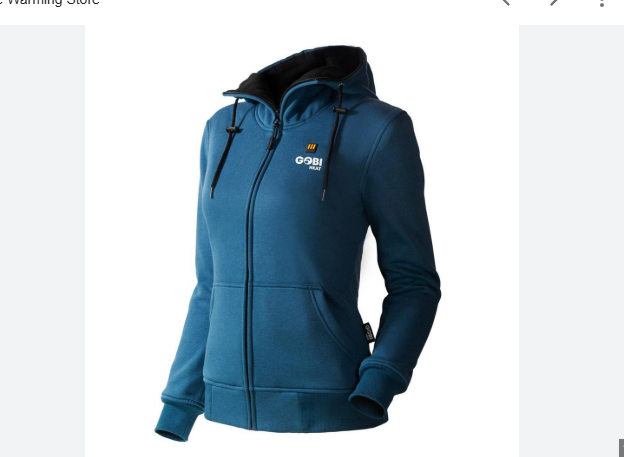
Gobi Heat launched in 2016 with one mission: make personal climate control gear that works. Nine years later, the brand holds a solid spot in the mid-market heated apparel segment. Products balance quality against price – you get reliable heating without premium costs.
Product Range & Technical Performance
We build heated base layers, multi-zone blankets, and climate-controlled outdoor gear. The Beck Chair weighs just 6 lbs. One charge gives you 9 hours of dual-zone warmth. The steel frame handles rough terrain. Weather-resistant fabric keeps moisture out. Plus, a phone charging port adds practical utility.
Our heated blankets use improved multi-zone tech. You control temperature across different sections. Base layer apparel works in Northern Minnesota winters – customers confirm this cold weather performance. Materials hold up to repeated use. Products pack easily for camping trips or vehicle storage.
Market Position & Growth Context
The heated apparel market reached $324 million in 2024. Projections show $666 million by 2031. That’s 11.0% compound annual growth. Gobi Heat captured share during this expansion. We compete on innovation – lightweight design, extended battery life, multi-functional features.
Bank-grade security backs all transactions. Our product line covers clothing, blankets, and heated seating. Customer service scores focus on warmth delivery and support speed. Brand trust builds on consistent quality across all products.
Contact: Check official Gobi Heat channels for current B2B partnership and wholesale inquiry options.
Venture Heat – High-end performance and multi-zone heating technology

Venture Heat created multi-zone heating tech for extreme underwater use. Their heated vests work at depths up to 300 feet (100 meters). This sets them apart from regular heated clothing brands.
Advanced Heating System Architecture
Heating elements in the front and back spread warmth across your core. The wrist remote has tactile buttons you can feel. Both remote and vest vibrate to confirm your changes. You get three temperature levels underwater: high, medium, and low. Battery lasts 210 to 430 minutes based on your heat setting and water temp.
The 4mm EVERDRY nylon uses Si-Tech sealing systems. These parts keep heat stable under pressure. Sealed seams and special valves stop water from getting in at depth. The chest entry design gives you flexibility with your gear.
Specialized Application Focus
This isn’t regular heated work gear. Venture Heat makes these for technical divers, rescue teams, and cold-water pros. Their wireless system works where cable systems can’t. The vibration alerts replace visual signals that fail in murky water.
Heat control stops hypothermia on long dives. Low setting saves battery for missions lasting several hours. High setting warms your core fast during decompression stops or emergencies.
Venustas – Low-Cost Five-Zone Heating Solution
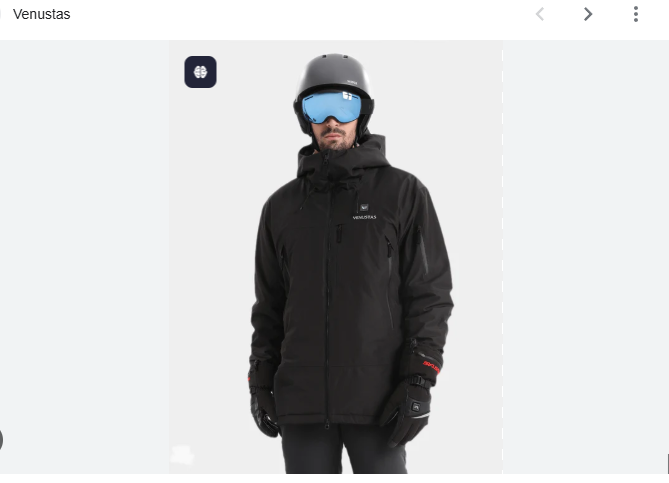
Venustas packs six carbon fiber heating zones into a vest at $122 USD (MOP 980). That’s affordable for serious cold-weather use. The 14400mAh battery heats up fast. You feel warmth seconds after turning it on.
Battery Performance & Heating Coverage
Runtime lasts 7-10 hours on low settings. You get all-day use for outdoor work or winter activities. The 7.4V battery heats key body areas. Nylon fabric keeps warmth close to your core. Three temperature modes let you adjust to different conditions.
Heat spreads across zones within minutes. Carbon fiber elements warm your neck, back, and torso. Customer reviews show strong warmth delivery. Five-star ratings praise steady core temperature.
Build Quality & Design Trade-offs
Strong stitching handles repeated use and washing. The light nylon shell fits well under jackets or over base layers. The battery adds some weight at first. Some users mention this in reviews. But most buyers say the warmth is worth the extra bulk.
Venustas offers great value for the price. You get multi-zone carbon fiber heating and long battery life. This beats basic single-zone USB vests. Costs stay far below premium brands at $200+. European B2B buyers shopping for rechargeable heating vests get solid value here.
European Heated Vest Manufacturing Standards & Compliance
CE marking is required for heated vests sold in Europe. No exceptions. Regulation (EU) 2016/425 on Personal Protective Equipment means manufacturers must prove their products meet safety standards before selling. Your supplier needs to complete all conformity checks. The manufacturer or their EU representative is legally responsible for compliance and marking.
Core Regulatory Framework
RoHS compliance keeps harmful substances out of your products. Lead, mercury, cadmium, and other toxic materials must stay below EU limits. FCC certification controls electromagnetic emissions from batteries and heating elements. Your vests can’t disrupt other electronic devices.
The Low Voltage Directive (LVD) covers all electrical parts in heated vests. Most systems use 5V USB or 7.4-12V battery power. Both fall under LVD voltage ranges. EMC (Electromagnetic Compatibility) testing checks that heating circuits don’t cause interference problems.
Thermal Protection Standards – EN ISO 11612
Heated vests with thermal protection need to pass these tests:
- A1/A2 flame-spread testing: Burning stops within 2 seconds after flame removal
- B1-B3 convective heat resistance: B1 level gives minimum 4-second protection. Higher levels last longer.
- C1-C4 radiant heat resistance: C1 provides 7 seconds minimum. C4 reaches 95 seconds (needs aluminum coating).
- F1-F3 contact heat protection: Critical for workwear where hot surfaces are common
Electrical Safety Requirements
IEC 61482 covers protective clothing for electrical workers. The standard measures Arc Thermal Performance Value (ATPV). This number shows how much incident energy the fabric can handle before causing second-degree burns. Industrial heated vests need this certification for utility and electrical maintenance markets.
EN 1149-5:2018 handles static dissipation in ATEX zones. Flammable areas require garments that prevent static buildup. Your heated vest must show proper grounding. This means direct connection or through conductive footwear. Oil refineries, chemical plants, and gas facilities across Europe require this.
Battery Safety & Chemical Compliance
UN 38.3 sets transport rules for lithium batteries. Your 7.4V or 12V battery packs must pass this testing before shipping. IEC 62133 defines safety standards for rechargeable cells in heated apparel. Temperature control circuits get tested. Overcharge protection gets tested. Short-circuit prevention gets tested.
REACH (Registration, Evaluation, Authorization and Restriction of Chemicals) checks every chemical in your materials. Fabric treatments, insulation foam, heating element coatings – all parts must clear REACH rules. This protects European buyers and end users from health risks.
Mandatory Product Labeling
Your heated vests need permanent, clear labels showing:
- Manufacturer name, address, and trademark
- Product type and commercial code
- Size pictogram (height, chest, waist measurements)
- Product standard identification
- Performance pictograms with protection levels
- Care instructions: washing, cleaning, and ironing limits
- Maximum cycles before protection weakens
- Letter codes with standard number references
All text must use the official language of your destination country. Labels can’t fade or come off during normal use and washing.
Compliance Documentation
Technical File maintenance is required. You must document how your products meet Essential Health and Safety Requirements (EHSRs). CE marking stays valid without harmonized standard references – if your technical file proves EHSR compliance through other testing.
Notified Body certification needs dual examination. First, they check the manufacturer’s production process. Then the Notified Body runs their own certification review. Random product checks happen at regular times. Some products need full production process examination instead of batch testing.
Current Testing Gaps
European standards cover PPE thermal protection and electrical safety well. But heated vest rules have gaps. No published standards cover:
- Heating element safety specs for wearable use
- Temperature control system certification rules
- Battery integration specs for apparel use
- Washing test protocols for heated garments
- Durability standards for repeated heating cycles
Manufacturers fill these gaps with their own testing methods. Leading suppliers create their own standards. They share results with Notified Bodies during certification. This creates differences across the market. B2B buyers should check supplier testing methods beyond basic CE compliance.
How to Choose the Right Heated Vest Manufacturer for Your Business
Your manufacturer choice affects your profit margins, product quality, and market reputation. Match suppliers to your business model first. Brand owners need different capabilities than distributors or retailers.
Match Manufacturer Capabilities to Your Business Type
Brand owners building premium lines need deep customization. Look for 90% design accuracy on logos, colors, and sizing. OEM/ODM services matter. Check R&D investment – top manufacturers spend $5 million or more each year. Two-year warranties show quality confidence. Order volumes range from 100-500 units for initial launches.
Distributors serving mid-range markets put reliability first. Target manufacturers with 98% on-time delivery rates. MOQ flexibility between 100-500 units keeps inventory easy to manage. Lead times should stay within 30-45 days. Order volumes grow to 500-10,000 units as distribution networks expand.
Retailers need massive scale and cost efficiency. Annual capacity must exceed 2 million units. ISO 9001 and BSCI certifications protect brand reputation. Tariff-free export options save 10-15% on landed costs. Large retailers order 1 million+ units each year across product lines.
Evaluate These Five Key Areas
MOQ Flexibility: Startups save 10% on costs with 100-500 unit minimums. Check if the supplier can scale to 2 million units as your business grows. Rigid MOQ requirements trap you with dead inventory. Or they force you to scale too soon.
Customization Depth: Test design accuracy with sample runs. Top manufacturers hit 90% accuracy on brand elements, color matching, and size specs. Technical customization includes 3+ heating zones, carbon fiber elements, 7.4V systems, and 10,000mm waterproofing ratings. Request detailed tech specs before you commit.
Delivery Performance: Sample turnaround shows how efficient they are. Expect 3-7 days for prototypes. Bulk orders should ship within 30-45 days. Manufacturers using ERP systems achieve 98% on-time delivery. Late shipments kill seasonal sales windows. They also damage retailer relationships.
Quality Standards: ISO 9001:2015 certification is the baseline. Add OEKO-TEX for material safety. Add BSCI for ethical production. Add RoHS/CE/FCC for European compliance. Request test data – 95% quality compliance rates, 20% higher abrasion resistance (ASTM D3884), and 50% moisture-wicking performance (ASTM D737). These numbers separate leaders from average suppliers.
After-Sales Support: Check warranty length and support availability. Premium manufacturers offer 1-2 year warranties with 24/7 customer service. Customer satisfaction scores above 85-90% mean they fix problems fast.
Run These Risk Control Checks
Sample Testing Protocol: Order samples right away (3-7 day turnaround). Run 500-cycle battery stress tests. Test durability at -20°C. Reliability should exceed 95%. Measure battery life (6-12 hours), heating zones (3+ settings), and waterproofing under real conditions.
Factory Audit Standards: Check annual capacity – 500,000 to 2 million units minimum. Verify facility size (9,000-50,000 m²) and production line count (14+ lines for large orders). Review certifications: ISO 9001, BSCI, CE/UL compliance. Patent portfolios with 50+ filings show they invest in innovation. Check sustainability metrics too – 10-15% recycled materials and 12-15% emission cuts meet EU market standards.
Contract Protection: Negotiate flexible MOQ terms and volume-based pricing. Include IP protection clauses for your designs. Get scalability limits in writing – can they handle 1 million+ unit surges? Payment terms should fit your order size. Small startups need different structures than bulk retailers. Secure 10% savings on large orders through pricing tiers.
Use This Supplier Scoring System
Rate manufacturers across five categories (1-10 points each):
Capacity & Scalability (25% weight): Manufacturers producing 2 million+ units each year with 98% delivery reliability score highest. Give partial points for 500,000-1 million capacity with 94-96% delivery rates.
Quality & Certifications (25% weight): Full points need ISO 9001, OEKO-TEX, BSCI, and 95%+ compliance rates. Take off points for missing certifications or compliance below 90%.
Customization Capabilities (20% weight): 90% design accuracy with full OEM/ODM services earns top scores. Limited customization or accuracy below 80% scores lower.
Cost & Delivery Efficiency (15% weight): Tariff-free shipping saving 10-15% plus 30-45 day lead times scores highest. Longer lead times or higher duty costs reduce points.
Support & Sustainability (15% weight): 24/7 support, 85%+ customer satisfaction, and 10%+ recycled content earns full points. Limited support hours or no sustainability efforts score lower.
Total scores above 80/100 mean qualified suppliers. Scores below 70 signal big risks.
Send This RFQ to Qualified Manufacturers
Subject Line: RFQ – Custom Heated Vests (MOQ [Your Volume], [Your Market])
Email Body:
“Dear [Manufacturer Name],
Business Profile: [Brand Owner/Distributor/Retailer]
Market Position: [High-end/Mid-range]
Order Volume: [100-2M units]
Product Specifications:
– Carbon fiber heating elements
– 3+ heating zones
– 6-12 hour battery life
– Custom needs: [logos/colors/specific features]
Questions:
1. MOQ and lead time? (Target: 30-45 days)
2. Price per unit at [your volume]?
3. Can you send samples? (Target: 3-7 days, cost?)
4. What certifications do you have? (ISO 9001, CE required)
5. Do you have test data? (ASTM D3884, ASTM D737)
Technical specs attached. Please respond within 24 hours.
Best regards,
[Your Name]”
Attach detailed technical specs. Include heating zones, battery needs, fabric waterproofing levels, and sizing charts. Response speed shows customer service quality. Manufacturers answering within 24 hours keep better communication during production.
Manufacturer Comparison: Key Specifications & Services
| Manufacturer | Annual Capacity | MOQ | Lead Time | Battery System | Heating Zones | Certifications | Price Range (USD) | Warranty |
|---|---|---|---|---|---|---|---|---|
| BOWINS Garment | 2-3M units | 300 pcs | 30-45 days | 7.4V, 8h runtime | 3-5 zones | ISO 9001, BSCI, OEKO-TEX | $5-$20 | 2 years |
| JTL Garment | 1.8-2M units | 300 pcs | 30-45 days | 7.4V, 8h runtime | 3-4 zones | ISO 9001, BSCI, OEKO-TEX | $5-$20 | 2 years |
| Ice Bear | 2M+ units (apparel total) | Custom | 45-60 days | Custom specs | Customizable | ISO 9001, Higg FEM | Custom quote | Standard |
| Hansen | 300K+ heated units | Wholesale | 60-90 days | Premium 10h+ | 5-7 zones | CE, EN 343 | $80-$200 retail | 2 years |
| Gerbing | 1.2M units (network) | Varies | 45-60 days | 12V/5V dual | 3-7 zones | OEKO-TEX, ISO 20471 | $100-$300 | 1 year |
| Ororo | 500K+ (partner network) | Flexible | 40-55 days | 5V USB | 3-4 zones | CE, BSCI, OEKO-TEX | $169-$219 retail | 1 year |
| Venustas | 200K+ units | 100-500 pcs | 35-50 days | 7.4V, 14400mAh | 5-6 zones | CE, RoHS | $100-$150 retail | 1 year |
| Gobi Heat | 150K+ units | Brand partnerships | 50-70 days | Custom | 2-4 zones | CE, FCC | $120-$180 retail | 1 year |
| Venture Heat | Specialized (diving) | Custom | 60-90 days | Wireless waterproof | 6 zones | Dive-specific certs | $250-$400 retail | 2 years |
Key Takeaways:
BOWINS and JTL win on cost. You get $5-$20 wholesale pricing with a 300-piece minimum order. Hansen and Gerbing own the premium market. They offer advanced multi-zone heating systems. Delta Galil has the biggest total apparel output. But they need larger order volumes. Need fast turnaround? BOWINS ships in 30-45 days. Got special needs? Venture Heat makes underwater tech. Gerbing does 12V vehicle integration.
FAQ: European Heated Vest Manufacturing & Sourcing
Most B2B buyers hit the same roadblocks when sourcing heated vests in Europe. MOQ confusion stops deals. First-time importers get surprised by certification costs. Delivery timelines don’t match seasonal launch windows. Here are the answers you need before sending your first RFQ.
What’s the minimum order quantity for heated vests?
Industry standard sits at 100-500 units per supplier. BOWINS and JTL start at 300 pieces for standard designs. Small batch orders work too – 50-200 units carry a 20-30% price premium over volume rates. Mixed orders let you combine up to 3 SKUs if your total hits 300 units across all variants.
How long does production and shipping take?
Standard heated vests take 4-6 weeks to manufacture. Custom designs need 8-10 weeks. These include special heating zones or branded batteries. Sea freight from Asia to European ports runs 25-35 days. Air freight cuts this to 5-10 days but costs more. Add 2-5 days for EU customs clearance. Total timeline: 7-12 weeks sea freight, 6-8 weeks air.
What certifications do I need for the EU market?
CE marking is mandatory – no exceptions. You also need REACH compliance for chemical safety. RoHS certification limits harmful substances. Testing costs run €5,000-15,000 per heated vest model. The full certification cycle takes 4-8 weeks: 2-4 weeks for lab testing, another 2-4 weeks for approval. Good news: 80% of EU-focused manufacturers give you pre-certified heating parts and complete CE documentation packages.
What quality standards should I expect?
AQL 2.5 inspection standard allows maximum 4% major defects. Manufacturers check 100% of products during production. They also do 20% random checks at the end. Free replacement applies when defect rates exceed 3%. You get a 30-day return window. Warranty lasts 12-24 months on heating elements and batteries, 6 months on fabric. Germany-based manufacturers answer tech support requests within 24 hours by email or phone. On-site EU visits get a response within 48 hours.
Can I warehouse inventory in Europe?
Yes. Germany and Netherlands offer EU distribution hubs. Warehousing costs €0.50-1.50 per unit per month. Germany and Sweden stock 48,000 industrial heated vests for quick delivery to local buyers. This cuts your fulfillment time. You can serve European customers faster.
What import duties will I pay?
EU import duties on heated apparel range from 4-12%. Germany’s heated vest market hit USD 31.6 million in 2025. Western Europe shipped 384,000 heated jackets and vests in 2023 – up 15% year-over-year. The UK heated vest market grows at 12.2% each year through 2035.
Conclusion
Choosing the right heated vest manufacturer in Europe affects your product quality, profit margins, and brand reputation. Premium innovators like Helly Hansen set Scandinavian quality standards. Cost-effective OEM specialists like JTL Garment and BOWINS offer flexible customization. The European heated apparel market gives you diverse partnership options for any business model.
The manufacturers in this guide have solid track records. They deliver battery-powered heated vests that meet strict CE and RoHS standards. MOQs range from 100 to 1,000 units. Are you a startup looking for private label solutions? Or an established retailer expanding your electric heated clothing line? Balance three key factors: certification credentials, customization capabilities, and scalability for growth.
Ready to connect with your ideal manufacturing partner? List your specific requirements—product specs, budget, and timeline. Then reach out to 2-3 manufacturers from this list for detailed quotes. Request sample products. Verify certifications on your own. Don’t hesitate to negotiate terms that fit your business goals. The European heated vest market will grow 12% each year through 2028. Choose the right manufacturer today. You’ll capture tomorrow’s opportunities.