
Summer temperatures hit 100°F and beyond. Outdoor workers face a tough choice: bear the dangerous heat or lose productivity. Ice packs, wet towels, and frequent breaks provide some relief. But these old methods hurt efficiency and blow through budgets fast.
That’s why smart procurement managers and safety officers now use fan cooling vests. This wearable cooling tech changes how industries protect workers from heat stress. Here’s the problem: cooling vest manufacturers vary widely in quality, customization options, and business terms.
You might be sourcing 500 units for your construction crew. Or launching a private-label cooling apparel line. Maybe you’re comparing OEM partners for your retail brand. The manufacturer you pick shapes product performance, profit margins, and customer satisfaction.
This guide shows what sets top custom fan cooling vest manufacturers apart from basic suppliers. We cover production capabilities and customization options. You’ll also find info on certifications, pricing structures, and real case studies that prove ROI.
What is a Fan Cooling Vest and How Does It Work
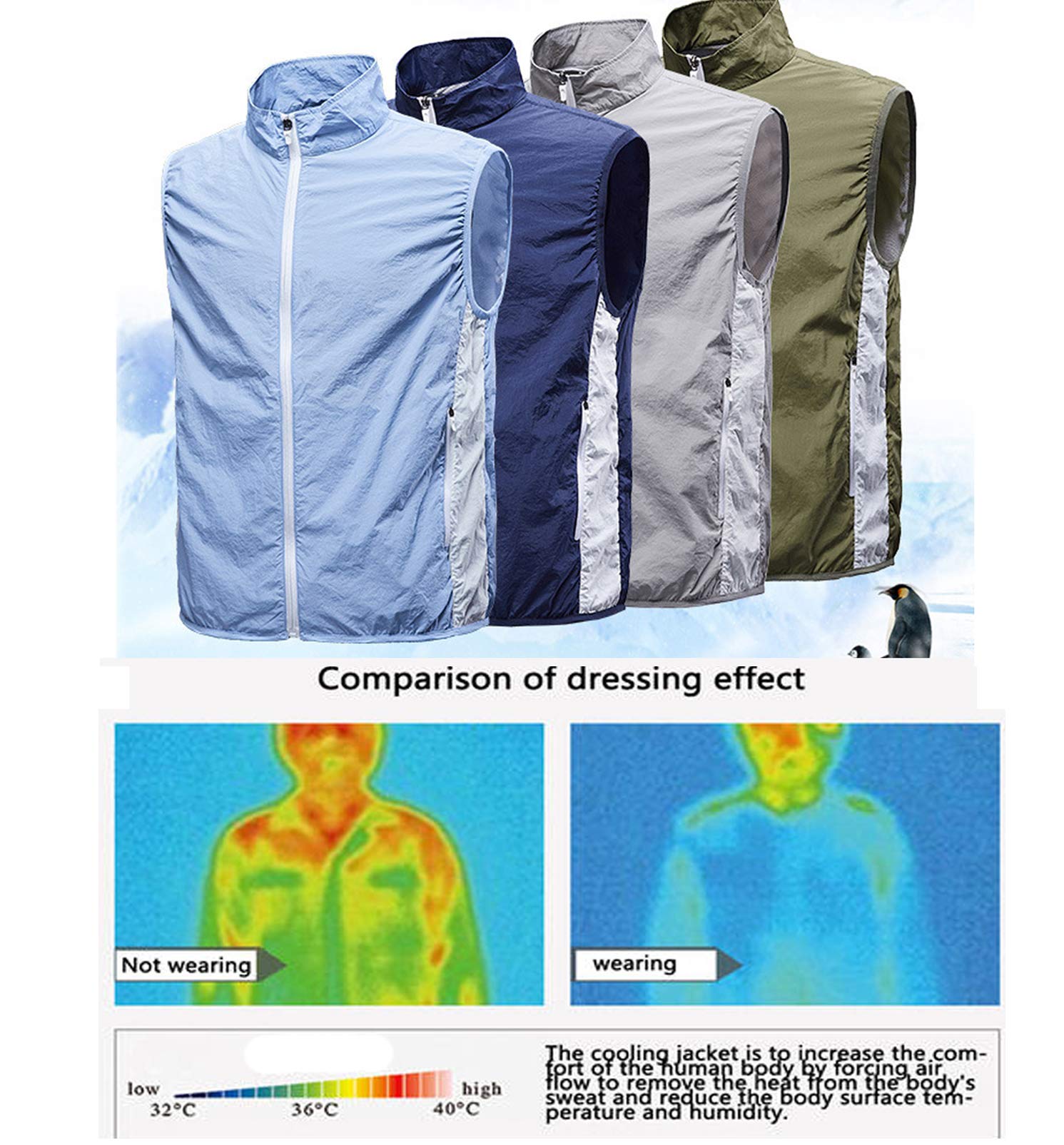
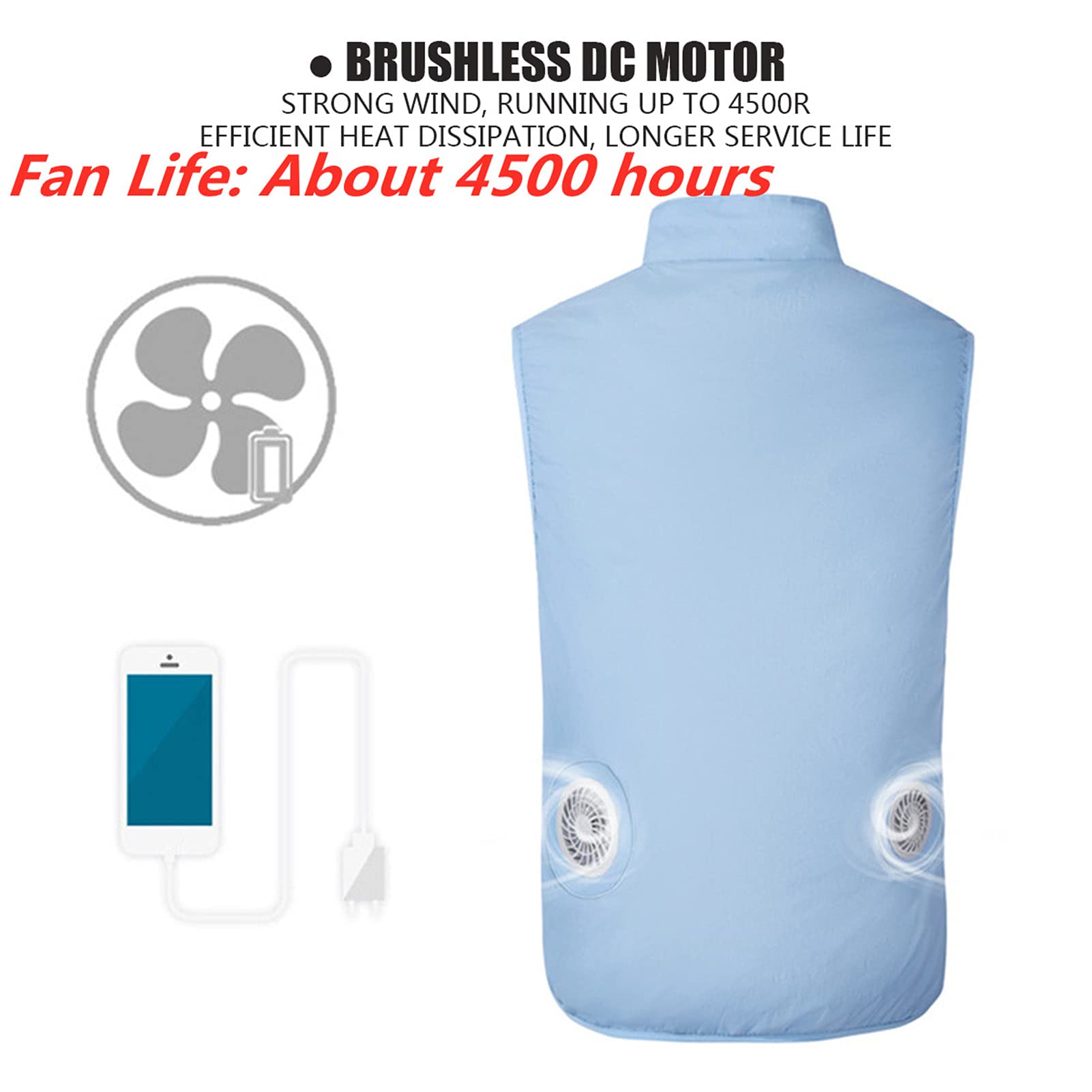
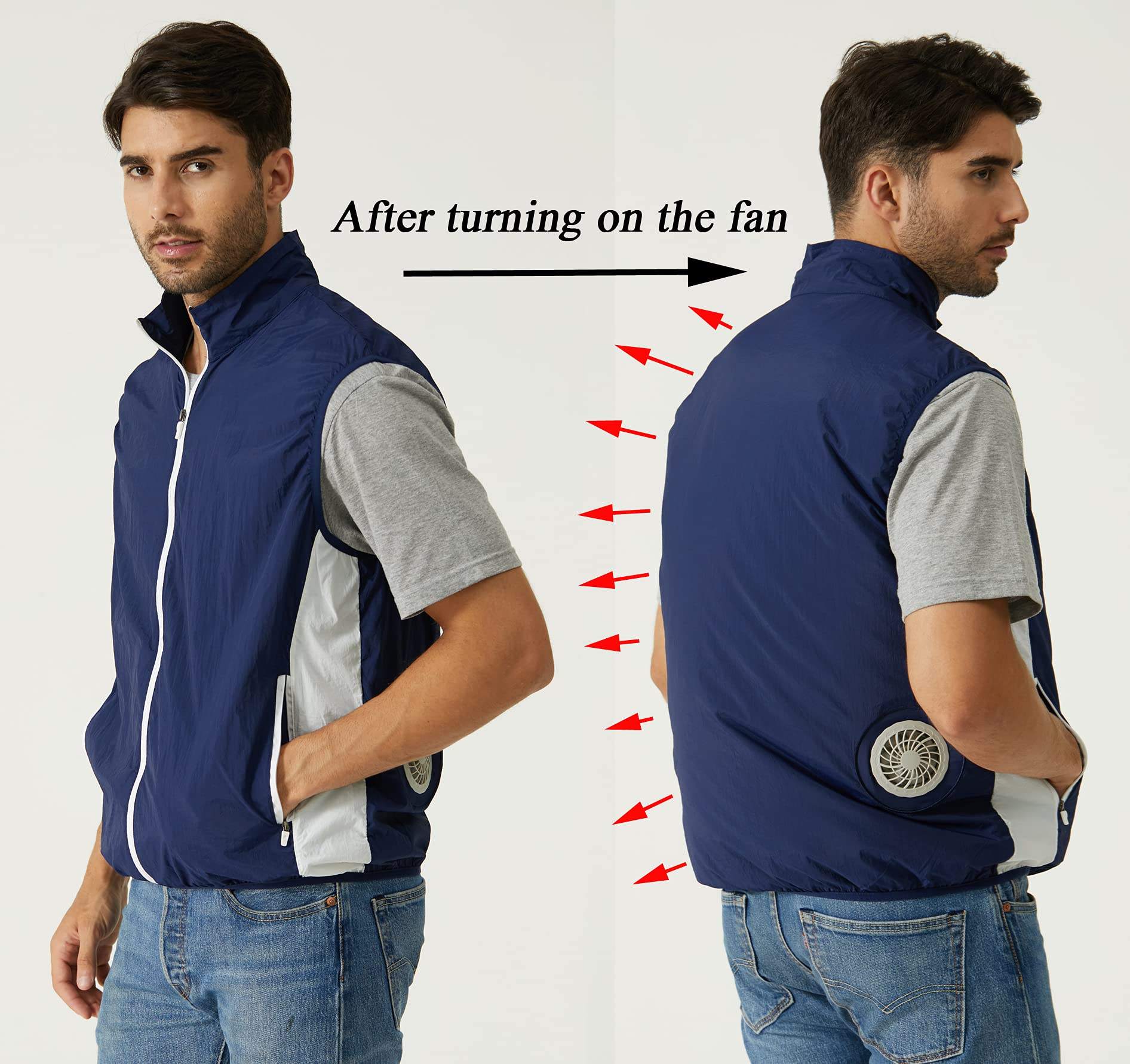
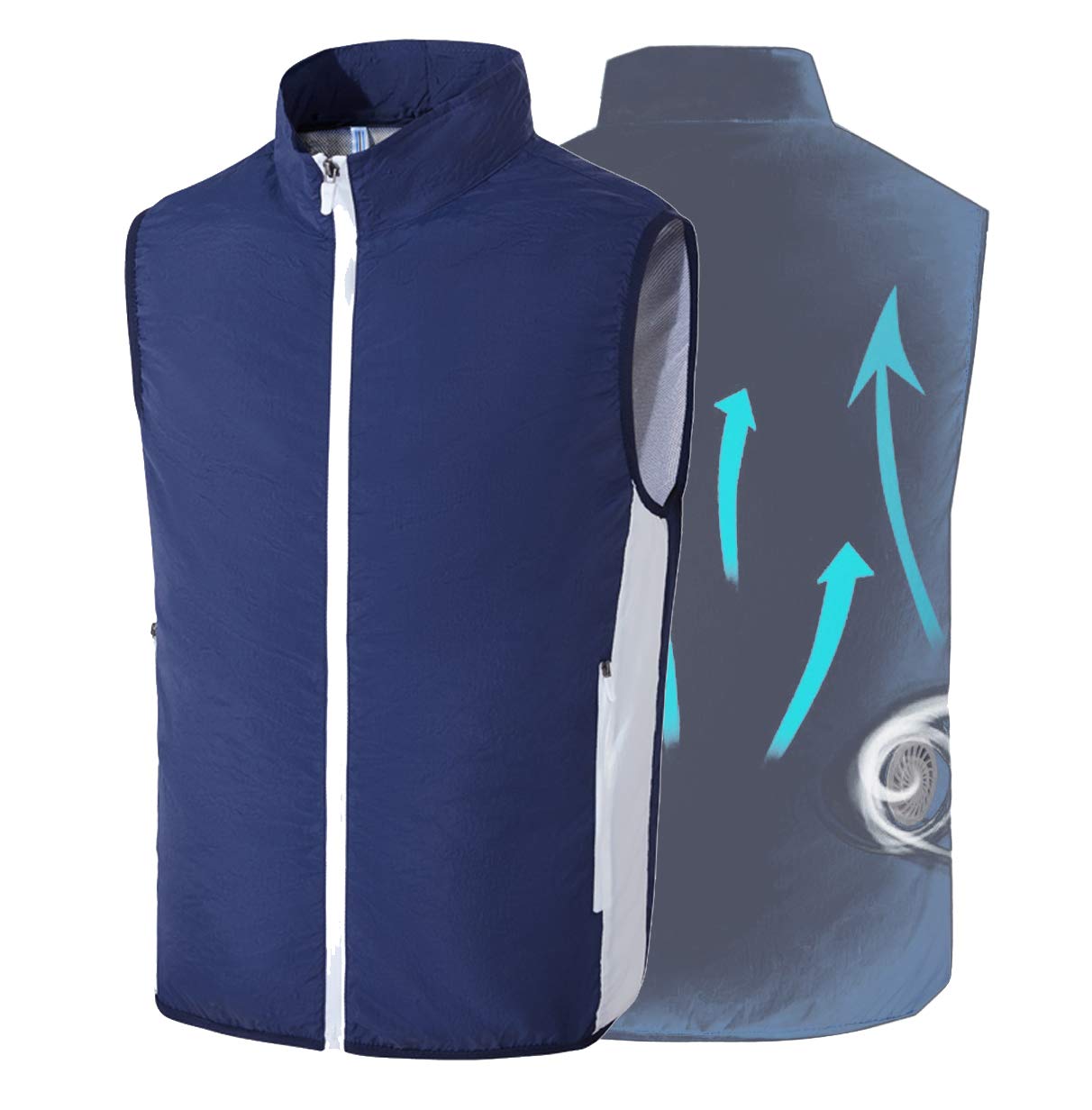
A fan cooling vest runs on batteries. It turns your body into its own climate control system. Small fans pull air through vents across your chest and back. This airflow works like a natural breeze. It helps sweat evaporate off your skin faster. Your core temperature drops through forced air cooling.
The Cooling Cycle Explained
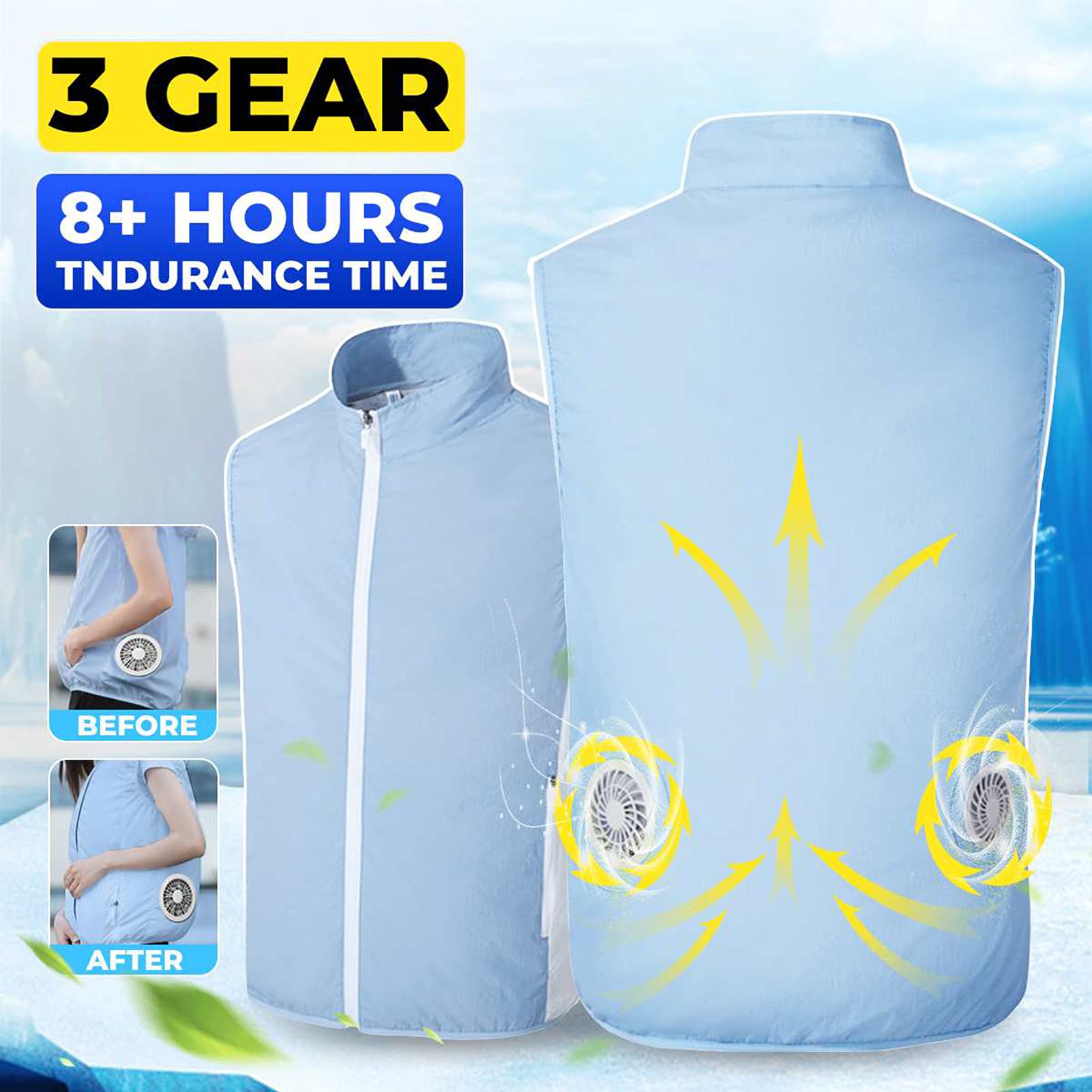
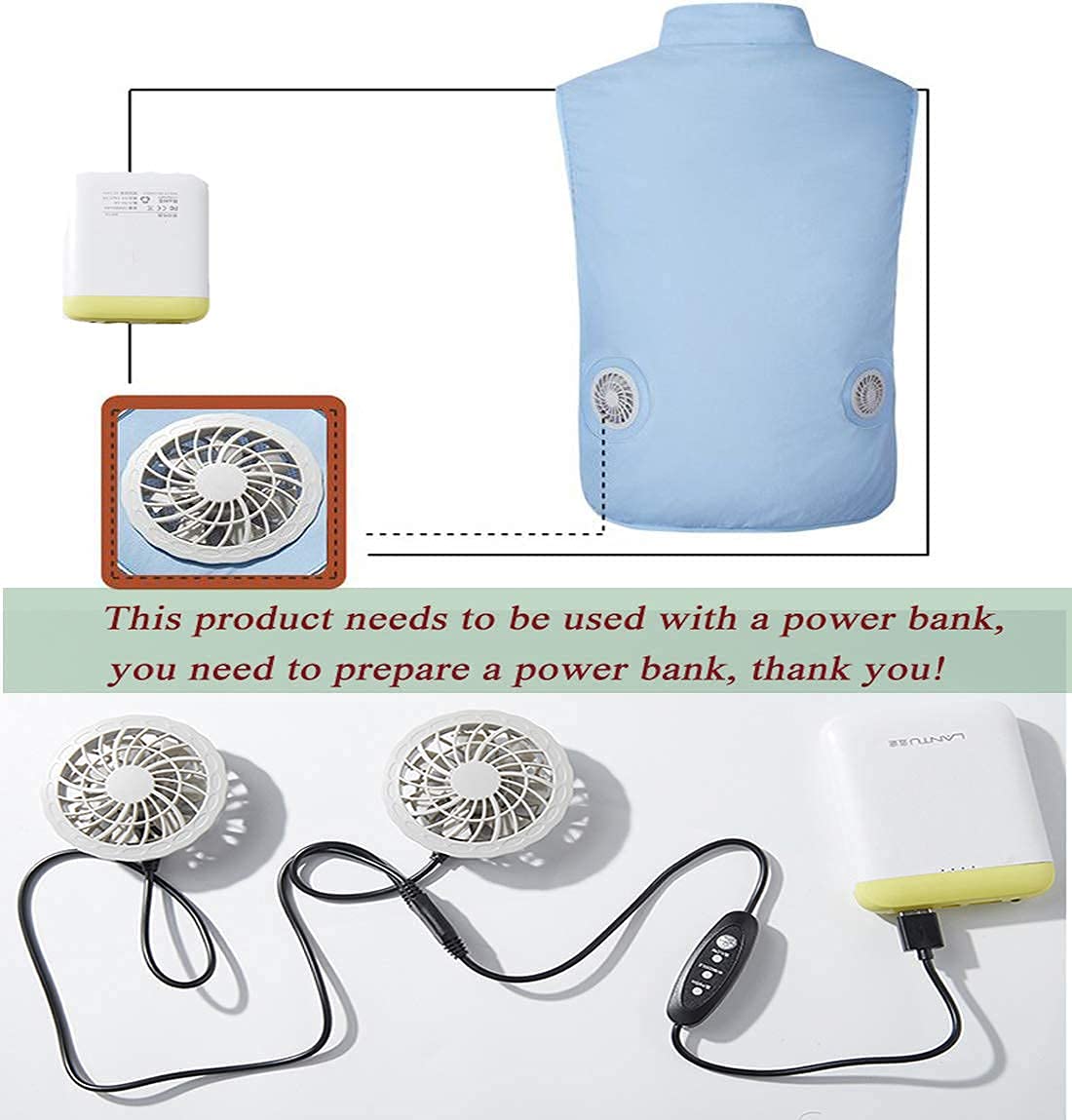
Here’s how it works: Rechargeable batteries power two to four compact fans. Most use 24V lithium-ion packs. The fans sit inside fabric channels in the vest. They pull fresh air through mesh panels or small holes. Air flows over your damp skin and exits through openings. Your body sheds heat faster than it would in still air.
Most rechargeable cooling vests let you adjust fan speed. Set them low for mild heat. Crank them high past 95°F. The portable cooling garment adapts to your work. Light tasks or heavy lifting—it handles both. No ice packs needed. No external cooling gear required.
Real-World Performance Specs
Look at the Burtle AC2064 as an example. It comes in five sizes: Small (45×18×26 inches) through 2XL (54×21×29 inches). The Tomahawk Hi-Vis model runs similar. Chest sizes range from 34 to 52 inches. These ventilated cooling vests weigh far less than ice vest options. You skip the 9-pound ice packs. Battery power lasts a full work shift with basic care.
Compare this to compressed-air systems like the Vortec Perforated Air Vest. That model cools by 45-60°F. But you need to connect it to an air compressor. Fan-based USB powered cooling vests give you freedom to move. You’re not tied to equipment. You’re not dealing with melting ice. Rechargeable power costs pennies per day.
Key Manufacturing Capabilities to Look for in Cooling Vest Manufacturers
Production scale separates serious manufacturers from simple shops. A factory claiming 50,000 units per month needs three things: automated cutting machines, dedicated quality control lines, and temperature-controlled storage for phase change materials. Walk their facility online or in person. Count the sewing stations. Ask about their backup power systems. PCM materials need stable 15-35°C storage temps per ASTM D314-12 standards.
Material Sourcing and Testing Infrastructure
Top manufacturers run DSC tests on every PCM batch. DSC stands for differential scanning calorimetry. The specs matter: melting point between 24-34°C, latent heat of 108 kJ/kg minimum, thermal conductivity hitting 237 W/(m·K) for aluminum pack shells. Generic suppliers skip this. They buy pre-mixed paraffin and hope for consistency. You’ll spot the difference fast. Cooling duration drops from 8 hours to 4 after batch number three.
Check if they test alternative technologies side-by-side. The evaporative cooling market jumped from $308.6M in 2021 to a projected $397M by 2025. Phase change systems offer steadier temperature control in extreme conditions. A manufacturer running both production lines can pivot based on your target use. Construction sites need different solutions than clean room environments.
R&D Investment and Design Flexibility
The industry saw 24% R&D budget increases since 2020. That money goes somewhere real. Arctic Heat’s 2022 extended-duration vest didn’t appear by accident. Techniche’s 2023 modular system took serious engineering hours. Ask manufacturers about their design team size and prototype turnaround time. Can they modify pack placement for a forestry vest versus a warehouse worker model? Will they test custom PCM blends for chemical resistance in your specific humidity range?
Real manufacturing capability shows in the details. Each vest has 17 aluminum packs. Precision heat machines seal each one. Each pack contains 135g paraffin. Polyester fabric tensile strength ratings matter. Stitching pattern specs prevent pack migration during movement. These aren’t points to negotiate. They’re proof of process control.
Custom Cooling Vest Options: Materials, Features, and Configurations
Customization starts with the fabric touching your skin. It extends to how long the cooling effect lasts. Material choices impact durability, comfort, and cooling performance in your work environment.
Fabric Selection by Use Case
600D Oxford fabric handles the roughest conditions. This scratch-resistant, water-repellent material survives construction sites and industrial settings. Vests meet sharp edges and heavy wear. It’s the standard for outdoor crews.
Polycotton twill balances durability with breathability. Most manufacturers use this blend. It holds up through repeated wash cycles. Movement stays unrestricted. Great for general outdoor work where extreme durability isn’t critical.
Supplex cuts weight and adds softness. Warehouse workers and logistics teams pick this lighter option. The tradeoff: it won’t survive constant contact with rough surfaces or equipment.
Modacrylic cotton blend FR meets ASTM F1506 requirements with an ATPV rating of 7.1 cal/cm². This flame-resistant option classifies to NFPA 70E (CAT1). Electrical workers and industrial crews in high-risk environments need this level of protection.
100% Hi-Viz lime polyester with reflective tape keeps workers visible. Road crews, airport ground staff, and night shift teams need this safety feature built into their personal cooling system.
Cooling Pack Technology Options
Ice pack systems deliver 2-3 hours of continuous cooling at -18°C pre-cool. Under typical construction site conditions, they extend to 6-8 hours. The Ergodyne Chill-Its 6215 uses patented honeycomb pack design to eliminate stiffness. Weight varies: S/M sizes hit 6 lbs (2.7 kg), while L/XL models reach 9 lbs (4 kg).
Phase change materials maintain constant temperature longer. Standard PCM vests hold 64°F (18°C) for up to 4 hours. Glacier Tek versions stay at 59°F (15°C) for 2.5 hours. The Techniche Phase Change Vest includes four 6665V CoolPax inserts right out of the box.
Bio-based PCM like INUTEQ-PAC® offers eco-friendly cooling. Performance stays the same. These alternatives matter to companies tracking sustainability metrics.
Pack Configuration and Weight Distribution
Glacier Tek uses one large 10.3 oz 4-cell pack plus one small 7 oz 3-cell pack. Horizontal cooling cells conform to your torso during movement. No rigid panels shifting around.
The Polar Products Adjustable Zipper Vest takes a different approach: four Long Kool Max® Pack Strips at 6″ × 13″ each. Every strip contains 500g cooling material. Each pack weighs 1.1 lbs. Total vest weight hits 5.5 lbs when loaded.
Custom ice pack vests include 16 reusable gel packs. Food-grade LDPE shells stay flexible and pressure-resistant down to -30°C. The filling uses purified water plus safe thickener. No ammonia, alcohol, or toxic gelatin.
Inner Layer Comfort Features
3D air mesh against your skin reduces stuffiness. Air circulates between the cooling packs and your body. Sweat evaporates faster even at rest.
100% cotton interior liners with thermal backing provide a softer feel. Some workers prefer this natural fiber contact during extended wear periods.
PEVA sealed ice pack compartments prevent leaks. These middle-layer chambers handle -20°C to 60°C temperature ranges. Your shirt stays dry regardless of pack temperature.
Recharge Speed and Convenience
Phase change packs recharge in as little as 10 minutes in a freezer. Ice packs need 45-90 minutes for full reconditioning. This timing affects crew rotation schedules and break room freezer capacity planning.
The Techniche system works with both 6665V and 7065V inserts. Buy extra packs and rotate them throughout shifts. One set cools workers while backup sets recharge.
Industry Applications: Who Needs Custom Fan Cooling Vests
Industrial facilities bought over USD 700 million worth of cooling vests in 2025. Construction crews drove that spending. So did manufacturing plants, mining operations, and emergency response teams. The industrial sector owns the largest slice of the cooling vest market. It’s growing at 20.95% each year.
Heavy Industry: Where ROI Happens Fast
Construction sites require cooling vests as standard PPE for 8-hour shifts. Workers face concrete dust, metal debris, and constant movement. Manufacturers build tough designs with IP54 dust protection ratings. These vests survive job site conditions. They keep airflow going.
Manufacturing facilities see quick payback. A 1% productivity gain from cooler workers pays for vest costs within weeks. Foundries, steel mills, and automotive plants order 1,000+ units with swappable battery systems. Workers swap batteries mid-shift. Production never stops for recharging breaks.
Mining operations need flame-resistant shells and long battery life. Underground temps hit 100°F+ in deep shafts. Emergency services need vests that work under turnout gear and protective suits. Wildland firefighters, hazmat teams, and rescue crews all rely on them.
Military and Medical: Specialized Performance Demands
Military contracts push lightweight active cooling forward. The 2022 soldier performance systems boost endurance in dry climates. Desert deployments and tropical operations need sustained cooling over 12+ hour missions.
Medical applications target specific conditions. Multiple Sclerosis patients get heat sensitivity. This limits their activities each day. Controlled body temperature helps with several needs. Hyperthermia management benefits from it. So does post-surgical recovery and athletic rehab. Healthcare facilities customize vests for patient mobility. Comfort matters during treatment.
Sports and Outdoor Work: The Growth Markets
Athletes and outdoor enthusiasts pushed cooling vest sales to USD 350 million in 2023. The market projects to USD 1.2 billion by 2032. Moisture-wicking fabrics matter here. So do breathable mesh panels and minimal weight. Marathon runners use them. Cyclists and field sports teams prevent heat exhaustion during training and competition.
Landscaping crews adopted evaporative vests in 2021. Agricultural workers did too. Outdoor event staff followed. Cost-effectiveness drives adoption. A $150 vest lasts multiple seasons. It beats paying workers overtime to work shorter shifts in extreme heat.
Compliance Pressure Accelerates Adoption
OSHA heat stress regulations tightened in 2024. European Union workplace safety standards now require cooling PPE in specific temperature ranges. Tool belts include vests alongside hard hats and safety glasses. Many insurance carriers reimburse cooling equipment purchases. They’ve calculated the cost of heat-related workers’ comp claims.
The global cooling vest market reached USD 912.74 million in 2025. Analysts forecast 4.1% CAGR through 2033. Every sector wants something different. Construction needs durability. Healthcare demands flexibility. Sports requires featherweight designs. Smart manufacturers offer customization across all these areas. They provide built-in temperature sensors for industrial monitoring. They offer modular pack systems for medical uses. Performance fabrics serve athletic markets.
OEM/ODM Customization Services: Logo, Branding, and Design
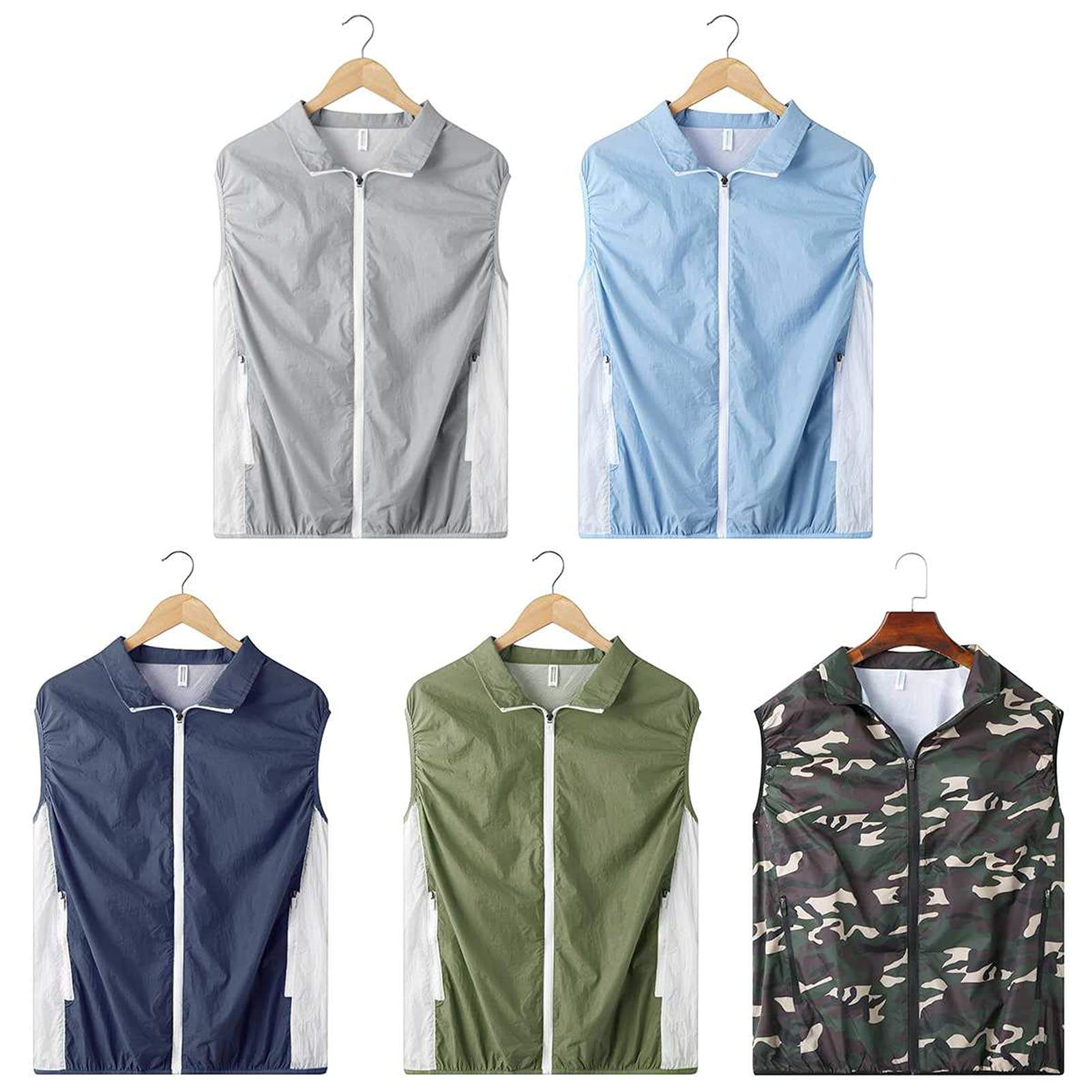
Your brand identity shows on every vest leaving the factory. OEM manufacturers print your logo on standard models. ODM partners build products from scratch based on what you need. The global ODM market hit US$809.64 billion in 2023. It’s heading toward US$1.5 trillion by 2032 at 7.1% CAGR. ODM grows faster because it offers complete customization. Development cycles get shorter. You launch products weeks ahead of competitors using basic OEM options.
What Customization Covers
Logo placement goes beyond chest prints. Smart manufacturers put your branding on zipper pulls, battery pack housings, and internal labels. Embroidery lasts through 200+ industrial wash cycles. Heat transfers cost less but fade after 50 washes. Screen printing works best for most orders above 500 units.
Color matching needs Pantone precision. Your corporate blue must match across fabric batches. Top ODM partners keep color libraries. They test dye lots against your brand guidelines before production. You’ll get physical swatches for approval. No guessing about “#0066CC” on a screen.
Design modifications show real ODM skill versus basic shops. Need battery packs placed lower for tool belt use? Want mesh panels moved for better airflow in chemical plants? Good manufacturers prototype your changes within 7-10 days. They run wear tests on modified patterns. They check how design changes affect cooling before you order 1,000 units.
AI and 3D Printing Change the Game
Customized manufacturing exploded in 2025. AI production systems create personalized sizing patterns from basic measurements. One manufacturer uses 3D printing for custom fan housing prototypes. They test airflow changes in 48 hours versus three weeks. Robotics place individual logos with 0.5mm precision. Your 200-unit order gets the same care as enterprise contracts.
This technology helps small brands. Minimum order quantities dropped from 1,000 units to 300-500 for full customization. You test market fit without warehouse risk.
Product Certifications and Safety Standards for Cooling Vests
Certification labels aren’t just decoration. They prove your cooling vest meets legal requirements and protects workers. ANSI/ISEA 107-2020 sets the baseline for high-visibility safety gear. ASTM F2371-16 measures cooling performance. Arc flash ratings matter for electrical work. Here’s what each certification means for your purchase.
ANSI/ISEA 107-2020 High-Visibility Requirements
Class 1 works for low-speed environments under 25 mph. Warehouses, parking lots, and off-road sites qualify. You need at least 155 square inches of reflective tape at 1-inch width. Background material needs 217 square inches in fluorescent yellow or orange.
Class 2 handles highway construction and federal right-of-way work. Traffic moves 25-50 mph. Reflective tape needs 201 square inches at 35mm (1.38-inch) width minimum. Background material expands to 775 square inches. Workers stay visible from 1,000 feet away.
Class 3 serves high-speed traffic zones above 50 mph. It adds more reflective coverage beyond Class 2 specs. Shoulder bands and mid-torso stripes are required.
Break-away closures prevent snag hazards. Labels must show the ANSI/ISEA 107 mark, class type, and maker details. OSHA uses these standards through 29 CFR 1926.651(d).
ASTM F2371-16 Cooling Performance Testing
This standard measures PCM cooling capacity against regular work clothes. It lets you compare products directly. Makers test vests under controlled conditions. You get real data instead of marketing claims.
Arc Flash Protection Standards
Electrical work needs ANSI/ISEA 125 Level 2 conformity. Arc Flash PPE Category 4 vests carry 41 cal/cm² arc ratings. They work under arc flash suits per NFPA 70E or CSA Z462 protocols. These vests combine cooling with flame resistance. Power plant workers and electrical contractors need this protection.
Quality Control: Testing and Production Standards
Manufacturers prove quality through testing infrastructure, not promises. Walk into a serious cooling vest factory. Count the calibration certificates on testing equipment. Look for ISO 13485:2016 compliance. This is the global standard for medical device quality systems that 81% of organizations now pursue, up 14% from 2024. The FDA’s Quality Management System Regulation (QMSR) takes effect February 2, 2026. It adds this exact standard into 21 CFR Part 820. This isn’t just paperwork. It shapes how manufacturers check every production run.
Production Line Testing Protocols
Top manufacturers run continuous CI/CD quality checks during assembly. Each battery pack gets voltage testing at three points: initial charge, middle of assembly, and final inspection. Fan motors spin at rated RPM for 100 hours before installation. Fabric strength testing happens per batch, not per order. Statistical tests on collected data catch trends before defects reach customers. Smart factories use synthetic test data for over 25% of quality tests. This removes production line downtime while keeping precision high.
Moving from reactive inspection to preventive quality gates cuts post-release failures by clear percentages. Companies running six or more audits each year—now 35% of the market—track specific signs: number of controls tested, documentation completeness, and supplier chain checks. Your manufacturer should explain their audit schedule on the first sales call.
Pricing Structure: MOQ, Bulk Discounts, and Cost Factors
Factory minimums matter more than you think. Most cooling vest manufacturers set 500 units as their baseline MOQ. Simple widgets might drop to 100 units or a $10,000 threshold. Carton-based ordering has its own rules: 50 vests per carton means your 1,600-unit order ships as 32 complete cartons. No partial boxes. No exceptions.
The math behind these numbers makes sense. Manufacturers use the Economic Order Quantity formula to calculate MOQ: √(2 × Annual Demand × Ordering Cost) ÷ (Unit Cost × Annual Holding Cost %). Say you need 5,000 vests per year. Ordering costs hit $750. Each vest costs $12. Holding inventory runs 25% per year. Your best order size? 1,581 units. Factories round this to 1,600 for easier shipping. Freight increases push this number higher. A 30% jump in shipping costs ($975 instead of $750) means your ideal MOQ becomes 1,800 units.
Breaking Down the Price Drops
Volume gives you direct savings. Order 500 units and you might pay $1 less per vest than smaller runs. Hit 1,000 units and watch another dollar drop from unit cost. Reach 2,500 units and manufacturers offer their best rates. Calculate landed costs at each break point. Factor in shipping, duties, and storage. The 1,000-unit tier can beat 2,500 sometimes. Holding costs run $0.50–$2 per unit per year. That’s 20-30% of total inventory value.
Fixed production costs explain why MOQs exist. Setup runs $5,000 per order. Admin fees, wire transfers, and shipping coordination add $50–$750. Variable costs per vest run $12–$15. The break-even formula shows the reality: Fixed Costs ÷ (Selling Price – Variable Costs). With $5,000 setup, $20 selling price, and $15 variable costs, you need 1,000 units minimum just to cover expenses.
Negotiation Leverage Points
Share rolling forecasts with manufacturers. Commit to steady orders over six months. They’ll consider smaller initial runs at higher per-unit costs as pilot programs. Buy materials in bulk. Schedule production in waves. Lock your specs early. Design changes mid-production trigger expensive rework. They also reset MOQs. Target 1-3 day dock-to-stock timelines. This cuts holding costs.
Free shipping kicks in above certain MOQ thresholds at many factories. Some offer material purchasing programs. You fund raw materials upfront. They produce smaller batches against that inventory. Review your MOQ agreements every quarter. Your volume scales up. Their production gets more efficient. Those minimums should drop.
Lead Time and Production Capacity
Production capacity controls how fast your cooling vests arrive. A manufacturer at 85% capacity ships standard orders in 2-3 weeks. That same factory at 95% capacity? You wait 5-8 weeks minimum. The backlog grows fast.
How Lead Times Work
Total lead time has three parts: Material Order Time + Production Time + Customer Lead Time. Your manufacturer needs foam inserts from Taiwan. Getting materials takes 12 days. Assembly takes 7 days. Shipping to your warehouse adds 6 days. Your baseline is 25 days from purchase order to dock.
This assumes everything goes smoothly. Reality is different. June 2025 ISM data shows production materials need 88 days on average—up from 85 days in May. This is the highest since 1987. MRO supplies need 45 days versus 42 the month before. Raw materials now take 81 days compared to 65 days before the pandemic. That’s a 25% increase in every order.
Calculate your lead time: Delivery Date – Order Date. A September 1st order arriving September 10th means 9 days production lead time. Check what’s included. Does that cover preprocessing? Quality checks? Extra steps like logo embroidery or custom packaging?
Capacity Limits That Slow Things Down
Manufacturing capacity hits limits fast. The sector is 400,000 workers short of pre-pandemic levels. Fewer workers mean slower production. Old equipment creates delays. One slow sewing station backs up the whole line.
High use rates create problems. A factory at 98% capacity has no room for rush orders. Your 500-unit vest order waits behind three other customers. Normal production time? 2 weeks. Current backlog? 3 weeks. The manufacturer says 5 weeks minimum. Honesty beats missed deadlines.
Supplier delivery tells the real story. The ISM Supplier Deliveries Index hit 75.1% in June. Any reading above 50% means slower deliveries. Seventeen out of eighteen manufacturing industries had longer wait times. Your cooling vest parts arrive late. Production starts late. Everything gets pushed back.
Finding Production Delays
Smart buyers check time per production stage against industry standards. Track downtime from machine breakdowns, maintenance, and setup changes. Compare lead times across different orders. Patterns show up. Materials late? Production lines too full? Not enough staff on second shift?
Watch your supplier’s shipping delays too. Electronics parts now take 3x normal lead times. Chip backlogs stretch into next year. Your manufacturer uses electronic temperature controls or battery management systems? Those parts create delays upstream.
Supply chain problems cost manufacturers 8% of annual revenue on average. They pass those costs to you through longer lead times or rush fees. La-Z-Boy went from 4-6 week normal delivery to 4-9 months during peak problems. Cooling vests aren’t furniture, but capacity works the same way.
Cutting Lead Time Through Better Planning
Manufacturers cut lead time by growing capacity the right way. They buy more sewing machines. They train staff on multiple stations. They run overtime during busy seasons. You benefit from good demand forecasts and better work with suppliers on material delivery.
Auto inventory systems track parts in real-time. Reorder points kick in before stockouts happen. Smart manufacturers use MES or ERP software to see production clearly. They spot delays before orders pile up.
Lean practices help. Just-in-time production cuts waste and speeds things up. Better scheduling matches machine capacity with orders. Workers wait less for materials. Equipment sits idle less.
Ask potential manufacturers about their Manufacturing Critical-path Time (MCT). This metric shows which production steps control total lead time. A factory that improves MCT cuts weeks off delivery without hurting quality.
What Lead Times Tell You
Short lead times mean smooth processes and few delays. Your manufacturer has extra capacity. Their suppliers deliver on time. Quality control doesn’t need lots of rework. You get steady delivery dates.
Long lead times show problems. Delays slow production. Breakdowns add days. Capacity limits force waiting. These factories can’t forecast demand well. They promise too much and deliver too little.
Shorter lead times cut your work-in-progress inventory costs. You carry less safety stock. Rush fees go away. Quality gets better because workers aren’t rushing to catch up. Your cash flow stays healthy with cooling vests arriving on time instead of three weeks late.
How to Choose the Right Cooling Vest Manufacturer for Your Business
Your manufacturer choice decides if your cooling vests work or fail in the field. Pick wrong and you’ll face warranty claims, late shipments, and workers who won’t wear bad gear. Pick right and you cut heat stress incidents by 60-80% while keeping costs stable.
Start With Technical Capability, Not Price Lists
Check what cooling tech they produce. Glacier Tek and Polar Products make phase change materials. Techniche offers hybrid systems. ClimaTech and Arctic Heat focus on evaporative designs. Different tech works for different places. A Houston refinery learned this the hard way. Their $43M project used evaporative vests that quit working after 45 minutes at 75-85% humidity. They switched to PCM vests at $220 each for 42 workers across two shifts. That meant 168 vests plus three industrial freezers at $2,400 total.
Ask manufacturers how their products perform in your conditions. Evaporative vests work 8-12 hours in deserts under 40% humidity. Above 60% humidity, they lose 45% of their cooling power. PCM systems need 3+ hours at 5°C to recharge. But they keep cooling steady no matter the moisture level. Ice pack systems drop core temperature 2-5°C. You’ll need $200-500 freezers and rotation planning.
Calculate Total Ownership Costs Beyond Unit Price
Basic evaporative vests cost $40-120. Ice pack systems run $100-180 per vest. PCM models hit $150-300. Hybrid systems top out at $300-500. Look past the sticker price. These vests last 5-7 years. One prevented heat injury pays for 15-30 basic vests. Three avoided OSHA citations fund premium models for your whole crew.
Think about rotation needs. Double-shift operations (16-18 hours per day) need three vests per worker at minimum. Got a 20-person crew running two shifts with ice pack vests? You’re buying 80 units total, not 20. Plus freezer space, recharge planning, and backup stock for damaged units.
Verify Standards Compliance In Writing
Demand proof of ANSI/ISEA 107-2020 compliance if workers face traffic. Class 2 minimum for 25-50 mph zones needs 775 square inches fluorescent background. Plus 201 square inches of 35mm reflective tape. Manufacturers like TAIWAN K.K. CORP (KANOX) and First Line Technology build high-visibility features into cooling designs. Skip the verbal promises. Get certification docs before placing bulk orders.
Test Durability Against Real Job Conditions
Polyester rules cooling vest construction for good reason. It balances moisture-wicking with tough performance. Nylon, neoprene, spandex, and polyurethane show up in specialized models. Cotton breathes better but wears out faster. Send sample vests to your toughest worksite for two weeks. Track weight (keep it under 5 pounds), comfort complaints, and whether adjustable straps fit your crew’s body types. Tough recharge steps show up fast. Workers skip cooling breaks because of them.
Ask About Chain Strength
Military, healthcare, and sports buyers pick manufacturers with proven direct channels. One reason: chain problems cost more than premium pricing. Aspire International, East Wind, and Coolcore serve bulk buyers who can’t afford stockouts. Ask your potential partner about backup material sources, stock depth, and how they handled recent problems. The manufacturer who balances weight, toughness, and comfort while keeping stock deserves your business. Skip the one offering rock-bottom prices with six-week delays.
Cooling Vest Technology Comparison: Fan vs PCM vs Evaporative
Three cooling technologies compete for your industrial budget: evaporative systems, phase change materials, and fan-based designs. Each one controls temperature in its own way. Your choice affects how long cooling lasts, how comfortable workers stay, and what you spend over five years.
Evaporative Cooling: The Lightweight Workhorse
Evaporative vests use chemistry, not electricity. Non-toxic polymer crystals inside the fabric absorb hundreds of times their weight in water. As that water evaporates, it pulls heat away from your skin. The process continues until the vest dries out—4-8 hours depending on humidity and temperature.
Reactivation takes 5-15 minutes. Submerge the vest in water. The crystals swell again. You’re ready for another shift. No batteries to charge. No freezers needed. This simple design makes them popular in construction, landscaping, and outdoor events.
The tradeoff shows up in humid climates. Above 60% humidity, evaporative cooling loses 45% of its power. Your Houston refinery workers won’t get the same results as crews in Phoenix. Fabric improvements since 2020 help—new moisture-wicking blends create better airflow—but physics still limits these vests in tropical or coastal job sites.
Qatar’s Supreme Committee proved the scale potential. They gave evaporative cooling suits to 30,000 workers during 2022 World Cup stadium construction. The largest single cooling workwear project ever recorded. Cost per vest runs $40-120. Maintenance costs stay minimal.
Phase Change Material: Steady Temperature Control
PCM vests contain packs filled with non-toxic oils and fats. These materials solidify like wax between 55-65°F. As temperature rises, the materials absorb heat and melt. This phase change stores heat energy while keeping a steady cooling temperature against your skin.
Duration ranges from 1.5 to 4 hours per activation. Recharge time matters here: you need 3+ hours at 5°C (41°F) to solidify the packs. That Houston refinery switched to PCM after evaporative vests failed. They bought 168 units at $220 each for 42 workers running two shifts. Added three industrial freezers at $2,400 total. The investment paid back in six months by stopping heat stress incidents.
PCM dominates extreme temperature uses. Foundries, steel mills, and enclosed industrial spaces see steady results no matter the humidity. The vests keep cooling power as workers move between 100°F+ production areas and 75°F break rooms. No performance drop from moisture in the air.
Market data backs this: PCM technology gained strong ground in the industrial segment, which hit USD 351.96 million by 2028. The material science works. Cost runs $150-300 per vest. You’ll need rotation planning and freezer capacity, but cooling stays predictable shift after shift.
Fan-Based Systems: Active Cooling With Power Needs
Thermoelectric vests work on the Peltier effect. Electric current through a thermocouple circuit absorbs heat at one junction and releases it at another. The cool junction sits against your skin. A portable battery powers the system—8-12 hours on standard lithium-ion packs.
Other designs use compressed air. Jets connect to clean air sources and deliver refrigerated air through channels in the vest. These models boost natural evaporative cooling while keeping dust and debris out. Critical for chemical plants and cleanroom spaces.
The bulkier design trades portability for performance. Air-based systems need connection to compressors. You lose mobility. Thermoelectric models add battery weight but let workers move around. Army cooling vest systems run on dedicated power packs separate from other gear.
Research shows real impact: cooling vests reduced average heart rate 11% in controlled studies (from 113.33 bpm to 100.55 bpm). Thermal sensation scores dropped from 2.0 in control groups to -3.0 with vests. Fatigue decreased (p < 0.001). These numbers matter because productivity ties straight to physical comfort.
Smart technology adds monitoring capability. Sensors track body temperature and adjust cooling levels on their own. This feature appeals to safety managers tracking heat stress metrics across crews. Cost runs $300-500 for hybrid systems with sensors included.
Market Growth Reflects Performance Gaps
The industrial cooling vest market reached USD 420 million in 2023. Projections show USD 710 million by 2032. Circulating cool water vests alone hit USD 124.18 million by 2028. Regional growth varies: North America grows at 5.8% CAGR while Asia Pacific leads at 7.1%.
Major makers like CoolShirt Systems, Ergodyne, Techniche, HyperKewl, and Arctic Heat each optimize different technologies. Your buying decision depends on matching technology to your setting. Dry heat with mobile workers? Evaporative wins on cost and simplicity. Extreme temps with shift rotation? PCM delivers steady results. Stationary work with power access? Fan systems provide active cooling control.
Case Studies: Successful Custom Cooling Vest Projects
Healthcare workers fighting COVID-19 tested carbon-based cooling vests during 100-minute shifts in full PPE. The results changed how hospitals think about heat stress. Core temperature dropped from 38.4±0.4°C in workers with PPE alone to 37.5±0.4°C with vests added (P=0.001). Skin temperature fell 0.5–2°C across the body. Chest readings showed bigger drops: 1.0–3.6°C cooler. The cooling matched baseline conditions. Workers felt as comfortable as if they wore no PPE at all.
The vests weighed over 5% of body mass. But metabolic demand stayed flat. Workers carried the weight without burning extra energy. Carbon’s thermal conductivity hit 34.7 W·m⁻¹·K⁻¹—nearly 15 times better than water at 2.35 W·m⁻¹·K⁻¹. This beat traditional ice and PCM designs by 0.8–1.5°C on skin temp and 1.0–1.2°C on chest readings.
PCM Vests Cut Thermal Discomfort 81% for Nurses
COVID-19 nurses working multiple shifts tested 21°C phase change material vests under full protective gear. After three work periods, 18% reported thermal discomfort versus 81% in the control group (OR 0.05, 95%CI 0.01–0.29). Warm sensation complaints dropped from 94% to 36% (OR 0.04, 95%CI <0.01–0.35). Perceived effort scores fell from 4.1±1.5 to 1.8. Air temperature under PPE stayed at 30.3±1.1°C—no difference between groups. But thermal comfort and sensation improved dramatically (P<0.001).
Industrial Gel Packs Need Rotation Planning
Factory workers using gel pack vests showed reduced heat strain through heart rate tracking. Heat stress dropped during the first hour. After that, warming gel packs lost effectiveness. The project proved gel systems work. They just need swap schedules. Smart manufacturers now build rotation into their industrial cooling apparel programs with extra pack sets per worker.
Conclusion
Finding the right custom fan cooling vest manufacturer goes beyond price. You need a supplier who gets your cooling needs and can scale up reliable solutions. Outfitting a construction crew? Launching a branded portable cooling garment line? Protecting workers in extreme heat? Your manufacturer choice affects product quality, delivery time, and profits.
Top manufacturers blend strong production skills with real customization options. Check their MOQ transparency. Verify they have certifications for your markets. Make sure they’ve solved problems like yours before. Never skip samples—you’ll learn more from hands-on testing than any spec sheet shows.
Ready to start? Request samples from 2-3 manufacturers that fit your needs. Compare the products. Also watch how fast their teams respond and how much they know. The right partner turns a basic air conditioned vest order into long-term gains. Your workers deserve that. So do your profit margins.