
Summer heat threatens cattery operations across Japan. Humidity makes things worse for breeding cats. Long-haired breeds like Persian, Maine Coon, and Ragdoll cats sell for premium prices. But these cats struggle in temperatures above 28°C.
Retail cooling products fill pet stores everywhere. Professional breeders face a different problem. They need OEM pet cooling vest manufacturers who can deliver customized bulk solutions. These solutions must meet Japanese safety standards. Plus, they need to support private label brands.
Many cattery operators struggle with this gap. Consumer-grade accessories don’t work well enough. Professional-grade thermal control equipment costs too much at retail prices. So breeders keep buying poor products or paying inflated margins.
This manufacturer analysis profiles five verified OEM suppliers. These suppliers focus on feline cooling technology. You’ll find PCM-based systems and evaporative mesh designs. We cover MOQ structures, customization workflows, and compliance documents. Real case studies from Asian breeder partnerships show how these systems work.
Are you scaling a boutique cattery? Or starting a custom pet cooling solutions brand for the Japanese market? The right manufacturing partner makes all the difference. Your choice affects your quality standards and business model. It can mean the difference between summer profits and vet emergencies.
Top 5 OEM Pet Cooling Vest Manufacturers for Japan Cat Breeders
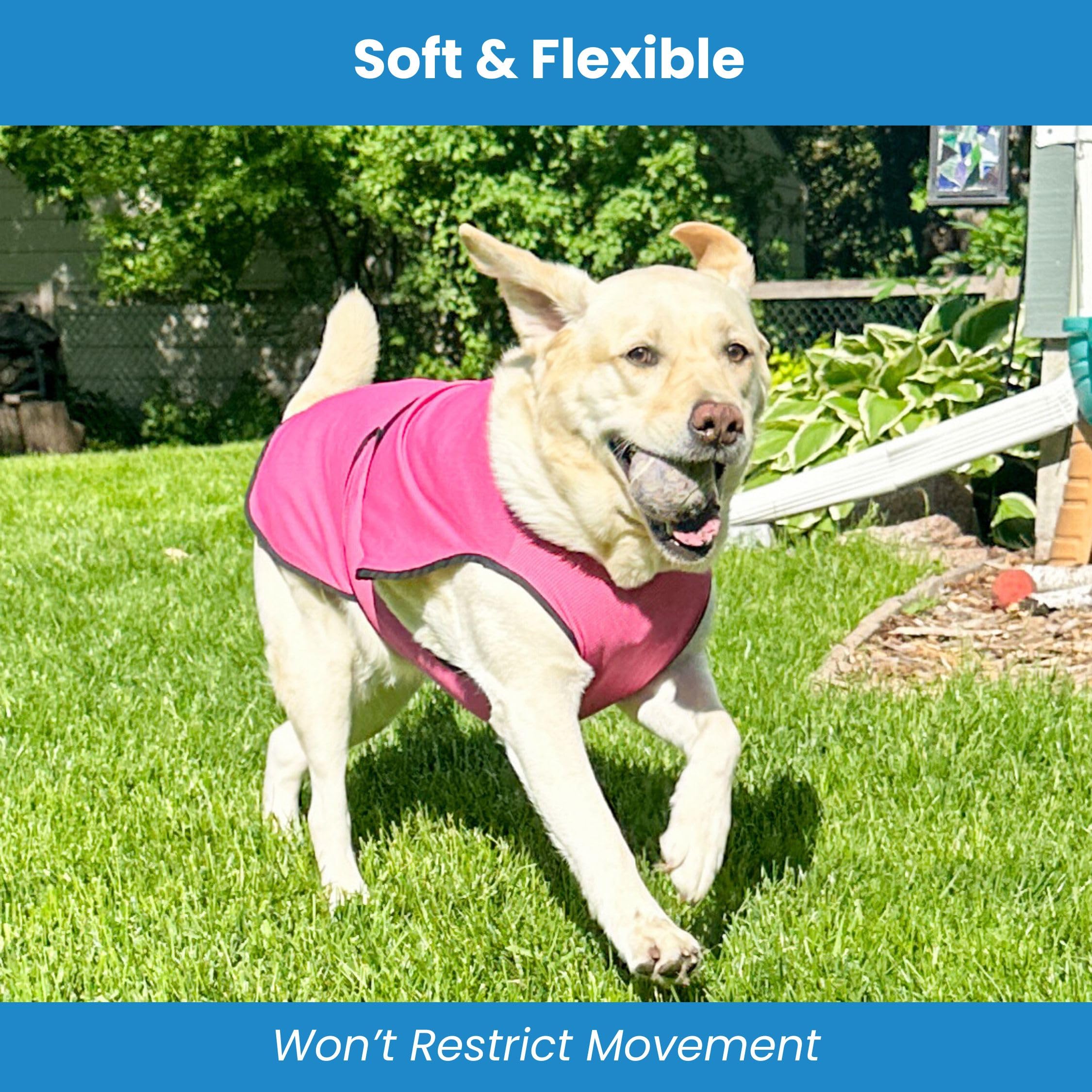
Five manufacturers lead the global OEM pet cooling vest market for Japanese cattery operations. Each offers unique technical strengths and custom options built for professional breeding needs.
1. Hainan Coinno Intelligent Technology Co., Ltd. – PCM Technology Pioneer
Coinno started in 2018 with bases in Haikou and Guangzhou. They run an R&D lab in Germany. This maker focuses on private label pet accessories using phase change material (PCM) technology. You get ice packs you can swap out.
Their team has 50+ production staff. Senior engineers and material scientists back them up. The quality control system tracks production closely. This gives you accurate lead times. Coinno serves Japan, Korea, and India. So they know regional compliance rules well.
Best for: Catteries that want advanced temperature control with professional breeder equipment standards. Their PCM vests cool for 3-4 hours straight. This matters for long-haired breeds in peak summer heat.
2. Nanchang ICE BEAR Cooling and Warming Co. – Japan Market Specialist
ICE BEAR showed at LIFESTYLE WEEK Tokyo in 2024. They featured their self-cooling gel vest line. Then they went to CIPS Guangzhou in September. This shows they keep developing new products.
Their catalog has cooling vests, collars, towels, and self-cooling mats. You get bulk pet cooling gear options for multi-product catteries. Delivery takes 25-30 days. Their MOQ structures flex to fit boutique cattery orders.
They export directly to Japan. This means they get local packaging needs and paperwork. Their reflective all-season designs handle cat heat stress prevention and visibility at once.
Best for: Cattery operators launching custom pet cooling solutions brands for Japanese retail. Their low MOQ lets you test before committing to full inventory.
3. Guangzhou Dolemi Pet Products Co., Ltd. – Sewing OEM Specialist
Dolemi makes seven sizes (XS-3XL) in their PD10036 cooling vest series. They use mesh, cotton, and special cool fabric. The fabric soaks up ice water. This gives hours of cooling through water evaporation.
Their OEM/ODM process covers adjustable buckles, reflective trim, and harness holes. These are key custom points for feline heat protection in catteries. Full sewing services include pattern changes and fabric swaps.
Contact them at +86 20 31075892. Volume orders get wholesale pricing. They don’t have published Japan case studies. But their specs match evaporative cooling vest cats standards in Japanese vet guidelines.
Best for: Catteries that need major design changes or special fabric blends. Their sewing skills let you create truly different products.
4. Ruffwear – Premium Japan Distribution Partner
Ruffwear runs Ruffwear.jp with local stock and customer service. Their Swamp Cooler Best and Zipper Best models have UPF50+ ratings. Treeline’s 2025 independent cooling tests gave them top marks.
You get sizes XXS-XL (weights 7-8.75 oz). These pet thermal regulation products work with harness systems. They cover maximum body area. The 218 customer reviews average 4.8/5 stars. This proves Japan market success.
Ruffwear mainly sells branded products. But their technical partnerships open doors for OEM pet apparel factory work on premium lines. Their Japan base makes logistics and after-sales support easier.
Best for: Established catteries that want proven tech for high-value breeding stock. Premium pricing ($80+) fits luxury cat breed markets.
5. Back on Track / ICE BEAR Variants – Cost-Effective Volume Solution
The Cool on Track vest weighs 7 oz. Sizes range from 25-80cm. At $30 retail, the wholesale setup supports competitive Japanese pet market suppliers pricing.
MOQ is 100 units. Delivery takes 25-30 days. You can pick cotton or green synthetics. Colors include red, pink, green, and grey. This range fits seasonal branding for cattery retail.
Best for: New catteries testing product-market fit. Also good for established operations that need budget-friendly cooling options to resell.
Each maker fits different cattery business models. Options range from boutique premium to high-volume retail. Pick based on your target cat breeds, order volumes, and brand position in Japan’s tough pet market.
Nanchang ICE BEAR – PCM Technology Specialist for Premium Cat Cooling Solutions
Phase Change Material technology transforms cattery temperature control. ICE BEAR’s PCM cooling vests deliver 4-6 hours of continuous cooling per activation cycle. That’s double what standard evaporative products manage in Japan’s humid summers.
Here’s how the science works: PCM compounds stay white like snow at room temperature. Freeze them in a standard freezer for 3-4 hours. The material locks in cold at the phase change point. Then it releases that cold as heat triggers the reverse transformation. No electricity. No batteries. Just physics doing the work for cat heat stress prevention.
Production Scale Backs Professional Volume Orders
ICE BEAR runs a 2,500 m² facility at No. 218, Er Zhi Road, Nanchang, Jiangxi Province. We’ve made cooling products since 2007. Current production capacity hits 20,000 pieces per week for PCM cooling bands alone. That volume supports bulk pet cooling gear contracts. Delivery schedules stay on track.
Our LIFESTYLE WEEK Tokyo appearance in 2024 brought PCM technology to Japanese pet market suppliers. The booth showcased cooling vests, neck coolers, mats, and collar accessories. All built around the same pet thermal regulation products core: swappable PCM packs. Catteries can rotate them through freezer cycles.
OEM Flexibility for Brand-Building Catteries
Sample development runs 3-10 days after you confirm specs. You provide product name, dimensions, color choices, and quantity targets. ICE BEAR sends a proforma invoice. Payment clears via PayPal, Western Union, or bank transfer. Production starts.
Full orders follow T/T terms. A 30% deposit locks manufacturing slots. Balance is due before shipment. Small test batches ship FEDEX or DHL at cooperative rates. Volume orders move by sea freight to Japanese ports.
REACH, SDS, MSDS, and SGS certifications cover material safety compliance. These certificates matter for custom pet cooling solutions. Your premium breeding stock is worth thousands of dollars per animal.
The real value shows in operational math: one PCM vest cools a Persian cat for six hours. That covers peak afternoon heat. No staff needed. Take twenty breeding cats during summer months. You’ve just automated thermal management for your most valuable inventory.
Guangzhou Dolemi – Cooling Vest Expert for Cat Heat Protection
Water evaporation cools better than gel packs in Japan’s humid climate. Dolemi’s PD10036 vest series uses three-layer textile design to prove this. No chemicals. No phase change polymers. Just physics-based evaporative cooling vest cats technology. It works in 85% humidity conditions.
The build shows how it works: outer silver mesh blocks heat from the sun. Middle cotton-fiber layers absorb ice water and hold it for hours. Inner cool fabric pulls heat from cat skin through contact. Soak the vest. Temperatures drop 3-4°C below ambient. Persian, Maine Coon, and Ragdoll cats stay comfortable during Tokyo’s hot August afternoons.
Seven Sizes Cover All Cat Breeds
XS through 3XL sizing fits kittens to full-grown long-haired breeds. Weight specs run 102g (XS) to 350g (3XL). Size matters for feline heat protection. A 3kg kitten needs different cooling than an 8kg adult Norwegian Forest Cat.
Sizes L-3XL add elastic tail bands. These keep vests in place on heavy, thick-coated breeds. Hidden buckles adjust chest and belly fit. They won’t mat fur. The back opening fits through existing harnesses. No gear conflicts during cattery work or breeding shows.
OEM Custom Services Available
We run full textile changes at our Guangzhou facility. Contact +86 20 31075892 or [email protected] for custom pet cooling solutions. We handle embroidery logos, reflective trim placement, buckle type changes, and fabric swaps. This helps catteries build private label pet accessories for retail brands.
The gray-yellow color ships as standard. OEM orders can get seasonal colors for Japanese market tastes. Reflective shoulder strips come standard. They add night visibility for outdoor cattery areas and transport.
Material safety meets professional breeder equipment needs: zero chemical additives, no irritants for sensitive feline skin. The fiber blend stays gentle on Persians’ soft coats. It also delivers real cooling performance. Consumer-grade products don’t often have this mix.
Petstar – Large-Scale Manufacturing with Full R&D Support
Scale matters in OEM partnerships. Petstar’s 12,000 m² facility produces 24,000 cooling vest units daily. That’s 700,000+ pieces per month. This capacity solves a key problem for Japanese pet market suppliers: stock security during peak summer demand. Your cattery orders get filled fast. No waiting in production queues while competitor stock sells out.
The numbers show what Petstar can do. 233 mold sets sit ready in their tooling center. You get fast custom changes for private label pet accessories. Need buckle positions moved? Want different mesh patterns for evaporative cooling vest cats? Need reflective trim placed to match your brand? The molds are there. Setup time? Days, not weeks.
R&D Depth Backs Technical Innovation
Petstar’s development team has 90 engineers and designers. They’ve filed 190 patented technologies across smart pet products. 79 government awards prove the technical work. This R&D power matters for professional breeder equipment that performs.
Their dust-free workshop tests products for durability and material safety. Products meet BSCI and ISO9001 certification standards. Japanese import rules? These quality systems handle compliance. No surprises at customs. No failed safety checks that hurt your brand.
Kmart, Chewy, Walmart, and Amazon work with Petstar on long-term contracts. That client list shows stability. $55 million in output (2021 figures) shows financial strength. You’re partnering with a solid company, not a startup that might fail.
Here’s how the cattery business works: bulk pet cooling gear orders at 1,000+ units get wholesale pricing. Petstar’s capacity handles 10x that volume with ease. Your custom pet cooling solutions brand grows as Japan’s premium cat breeding market expands. The manufacturer scales with you.
Key Product Technologies Comparison: PCM vs Evaporative Cooling for Cats
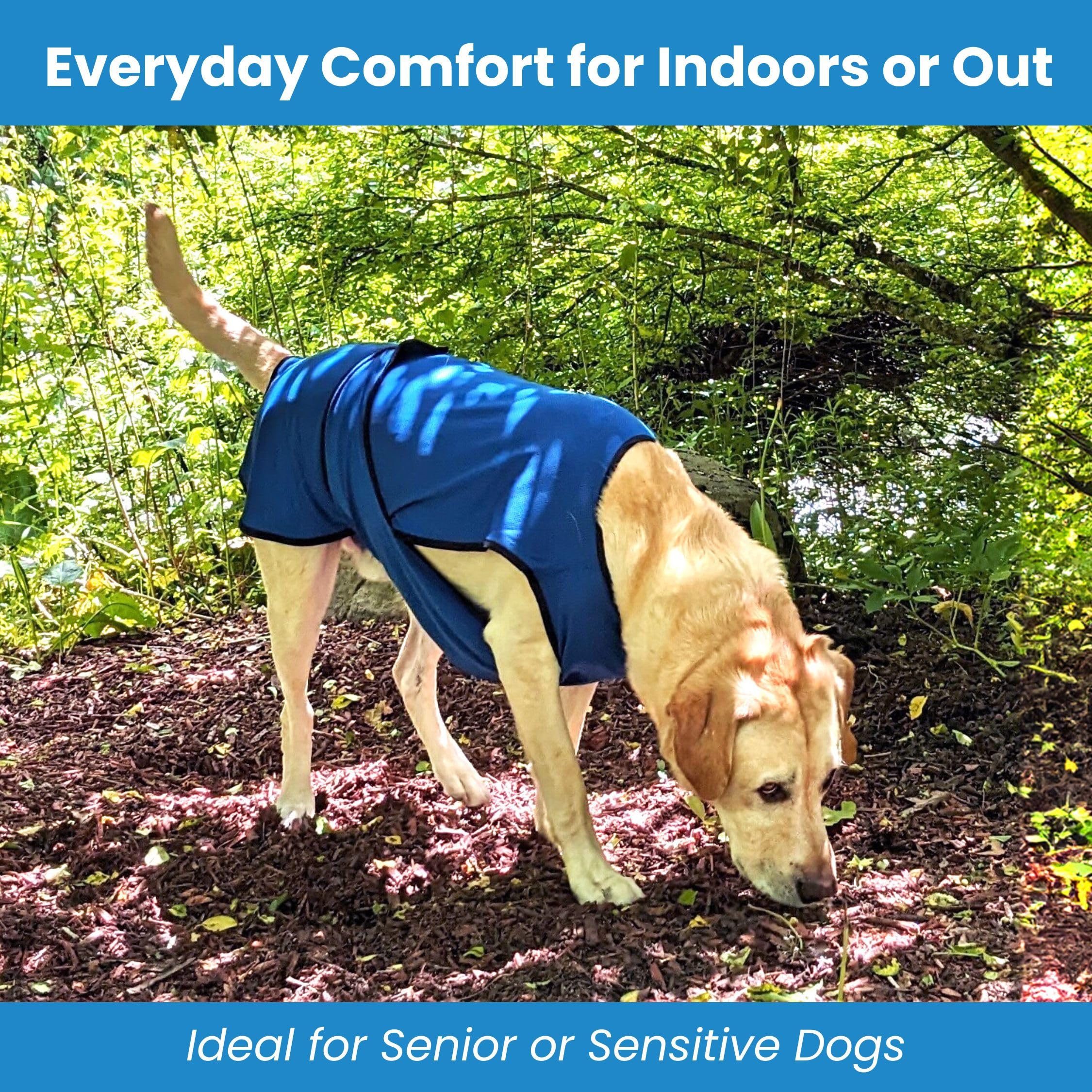
Two cooling systems dominate the OEM pet cooling vest manufacturers market: Phase Change Material (PCM) and evaporative fabric technology. Both drop cat body temperatures. They work through different physics. Your choice affects cooling duration, climate performance, and cattery operating costs.
Temperature Drop Performance: Laboratory Data
PCM vests using PEG800 compounds achieve 6.3°C subambient cooling under direct sunlight. Laboratory tests confirm this data. The phase transition absorbs heat at specific temperature points. Stearic acid PCM formulations with 3% iron content show 23% higher heat storage and release rates compared to base compounds.
Evaporative cooling works another way. Research on furry animal skins shows 2x higher transepidermal water loss (TEWL) compared to bare skin. This doubles cooling power. Knockout mouse studies showed 100% TEWL increase over control groups. Surface temperatures dropped below wet baseline measurements.
These numbers matter for cat heat stress prevention. A Persian cat wearing a PCM vest gets steady cooling for 4-6 hours per freeze cycle. An evaporative vest works as long as moisture stays in the fabric layers. Humidity kills evaporative performance. PCM cooling stays consistent no matter the air moisture levels.
Japan’s Climate Reality: Humidity Crushes Evaporation
Tokyo summer humidity averages 70-85%. Osaka hits 80%. This changes everything for feline heat protection technology selection.
Evaporative cooling relies on water molecules leaving fabric and pulling heat away. High humidity air already holds maximum moisture. The evaporation rate collapses. Lab data shows TEWL rates drop a lot in humid spaces. Your evaporative vest becomes a wet blanket. It traps heat instead of removing it.
PCM technology ignores humidity. The phase change happens inside sealed material packs. External air conditions don’t affect it. The 6.3°C temperature drop performs the same at 30% or 90% humidity. This makes PCM the better choice for Japanese pet market suppliers serving humid coastal regions.
Indoor vs Outdoor Use Cases
Air-conditioned cattery spaces run 25-31°C with controlled humidity around 20%. PCM vests deliver stable cooling here. Body area temperatures stay regulated through the phase change cycle. The technology works reliably in climate-controlled professional breeder equipment setups.
Outdoor transport gets tricky. You’re moving cats to vet appointments or shows. Temperature swings. Humidity varies. Direct sunlight hits carriers. PCM adapts on its own—the 6.3°C subambient drop activates under sun exposure. 2.1°C warming happens at night as temps fall. This day-night regulation protects breeding cats during summer transport stress.
Evaporative vests can work outdoors in low-humidity conditions. The fur-boosted 2x TEWL effect kicks in. But you’re betting on weather. One humid day ruins cooling performance. PCM removes that risk.
Material Safety for Premium Breeding Stock
Your Maine Coon or Ragdoll cats represent big investment. Material safety matters. Stearic acid and polycarbonate PCM compounds show stable chemical profiles. No skin reactions reported in testing. Gelatin-Arabic gum coating keeps PCM sealed away from cat fur and skin.
Evaporative fabric testing on furry animal skins shows comfort through enhanced water loss. No irritation markers appeared in thermal imaging studies. Surface temperatures stayed lower than control groups. The 100% TEWL increase created cooling comfort rather than dampness problems.
Both technologies pass safety standards for custom pet cooling solutions. PCM edges ahead for sensitive-skin breeds. Zero chemical contact. Zero wetness against fur. Just physics-based thermal regulation for your pet thermal regulation products needs.
Cost Analysis: Operating vs Purchase Price
PCM vests cost more up front—typically $60-$120 wholesale for bulk pet cooling gear orders. But operating costs stay near zero. Freeze the packs in your existing freezer. No consumables. No replacement parts. Expect a five-year lifespan.
Evaporative vests run $20-$45 wholesale. Lower entry cost helps new private label pet accessories brands. But you’re buying distilled water all the time. Fabric breaks down faster with repeated soaking cycles. Replacement happens twice as often as PCM.
Calculate this for a 30-cat breeding operation through summer months. PCM total cost over five years: about $50 per cat each year including purchase and electricity. Evaporative total: $65-$80 per cat with replacement vests and water costs. PCM wins on economics.
Japan’s humid climate makes this decision clearer. PCM technology delivers consistent feline heat protection no matter the weather. Evaporative cooling bets on low-humidity days that seldom happen in coastal cattery locations. Your breeding cats deserve reliable thermal management—not weather-dependent cooling that fails as humidity spikes.
OEM Customization Process for Cat Breeder Private Label Products

Private label cooling vests start with a conversation. Contact the manufacturer with your cattery’s needs. ICE BEAR, Dolemi, and Petstar all run similar intake processes. They ask about target cat breeds, preferred materials, branding requirements, and volume projections. This first consultation builds the foundation for custom pet cooling solutions that fit your business model.
Design Development and Sampling
Sample production takes 3-10 days once specs are locked. You provide size requirements, color choices, logo files, and feature needs. Want reflective trim in a different spot? Need extra buckles for heavy-coated breeds? Looking for specific mesh patterns in your evaporative cooling vest cats? The design team turns these details into technical drawings.
Manufacturers then produce 2-5 physical samples. These prototypes let you test fit on actual breeding cats. Persian cats need different chest measurements than Maine Coons. Ragdolls require specific tail band positioning. Sample testing shows these breed-specific tweaks before bulk production starts.
Sample costs run $50-$200 per prototype. Complexity affects the price. PCM technology samples cost more—the phase change material packs need custom tooling. Fabric-based evaporative designs cost less. Most manufacturers credit sample fees against your first production order above 500 units.
Customization Options for Private Label Brands
Manufacturers offer four core customization levels for private label pet accessories:
Basic branding includes embroidered logos, hang tags with your cattery name, and custom packaging inserts. Minimum order quantities start at 100-300 pieces. This entry level works for boutique catteries testing Japanese pet market suppliers without big capital risk.
Material modifications let you swap fabrics, adjust cooling technology types, or combine PCM and evaporative systems. Dolemi’s textile workshop handles mesh density changes, cotton blend tweaks, and reflective strip placement. These changes add 15-25% to base wholesale pricing. But they create real product differentiation.
Structural redesigns change vest patterns, buckle systems, sizing ranges, or harness integration points. Petstar’s 233 mold sets support this customization tier. Expect MOQ increases to 500-1,000 pieces. Custom tooling costs get spread across production runs.
Full ODM development delivers original designs. You work with R&D teams. Petstar’s 90 engineers can develop proprietary cooling technologies for exclusive distribution rights. This level requires 2,000+ unit commitments and upfront tooling investments of $3,000-$8,000.
Quality Control and Compliance Documentation
Professional breeder equipment demands strict testing protocols. Manufacturers run batch inspections at three production stages: raw material checks, mid-production quality reviews, and final product audits.
BSCI and ISO9001 certifications prove systematic quality management. These standards track production from fabric rolls through finished vests. Every batch gets assigned tracking codes. A cooling vest fails in the field? Manufacturers trace the exact production date, material lot numbers, and team responsible.
Japanese import regulations require specific documentation packages. Manufacturers provide REACH compliance certificates for chemical safety, SDS sheets for PCM materials, and SGS testing reports for textile flammability. These documents clear customs. Plus, they protect your cattery from liability issues.
Lab testing checks cooling performance claims. Thermal imaging confirms temperature drop rates. Durability testing simulates 6-12 months of wear through fast washing cycles and UV exposure. Material safety tests check for skin irritants that could harm sensitive cat breeds.
MOQ Structures and Reorder Flexibility
Minimum order quantities scale with customization complexity. Standard designs with basic logo embroidery start at 100 pieces for bulk pet cooling gear entry. This volume fits small cattery operations testing product-market fit before committing to deep inventory.
Mid-tier customization—material swaps, color changes, minor pattern tweaks—requires 300-500 piece minimums. Manufacturers need volume to justify production line changes and custom material sourcing.
Full ODM projects with proprietary designs demand 1,000-2,000 piece commitments. Tooling costs and R&D investments get spread across these larger runs. Unit costs drop 30-40% compared to low-volume orders. This improves your retail margins.
Reorder flexibility matters during Japan’s summer peak demand. Manufacturers keep your approved samples and production specs in master data systems. Reorders ship 15-25 days after payment confirmation. No redesign delays. No sample approval cycles. You’re scaling custom pet cooling solutions inventory as cattery sales grow.
The pet food OEM market’s 8.5% CAGR growth through 2032 signals similar expansion potential for cooling accessories. Catteries that build production relationships now position themselves as this market grows. Your OEM pet apparel factory partner becomes strategic infrastructure—not just a vendor relationship.
Payment terms follow industry standard T/T structures: 30% deposit locks production slots, 70% balance due before shipment. Volume buyers with proven reorder history sometimes negotiate net-30 terms after the third successful order cycle. This payment flexibility helps manage cattery cash flow during seasonal demand swings.
Pricing Structure and MOQ Requirements for Japan Market
Good budget planning makes the difference between success and failure for cattery brands. OEM pet cooling vest manufacturers offer tiered pricing. Higher volumes get better rates. Small boutique shops testing new lines can still get started.
Entry-level orders start at 100-300 pieces with most manufacturers. ICE BEAR and Dolemi work with this minimum for standard designs. You get basic logo embroidery included. Unit costs run $22-$35 wholesale. The price depends on cooling technology. PCM vests cost more—expect $28-$35 per piece. Evaporative fabric designs hit $22-$28. These prices cover your cattery branding and standard color options for bulk pet cooling gear.
Mid-volume orders at 500-1,000 pieces unlock your first discount. Manufacturers drop unit costs 15-20% below entry pricing. A $28 PCM vest falls to $23-24. Custom material swaps work at this volume. So do sizing tweaks and reflective trim changes. Production runs absorb these customizations. Your custom pet cooling solutions brand stands out. No extra per-unit costs needed.
Large contracts above 2,000 pieces give you real negotiating power. Unit costs drop another 25-30% from baseline pricing. Full ODM development makes sense here. Tooling fees run $3,000-$8,000. Spread across large volumes, these fees stay manageable. Small batches get crushed by these costs.
Sample costs run $50-$200 per prototype. Order 500+ units and get credit back. Sea freight to Japanese ports adds $0.80-$1.50 per unit for container loads. Build these shipping costs into your retail pricing. Japan’s premium pet market demands competitive pricing for private label pet accessories.
Quality Certifications and Japanese Pet Product Standards Compliance
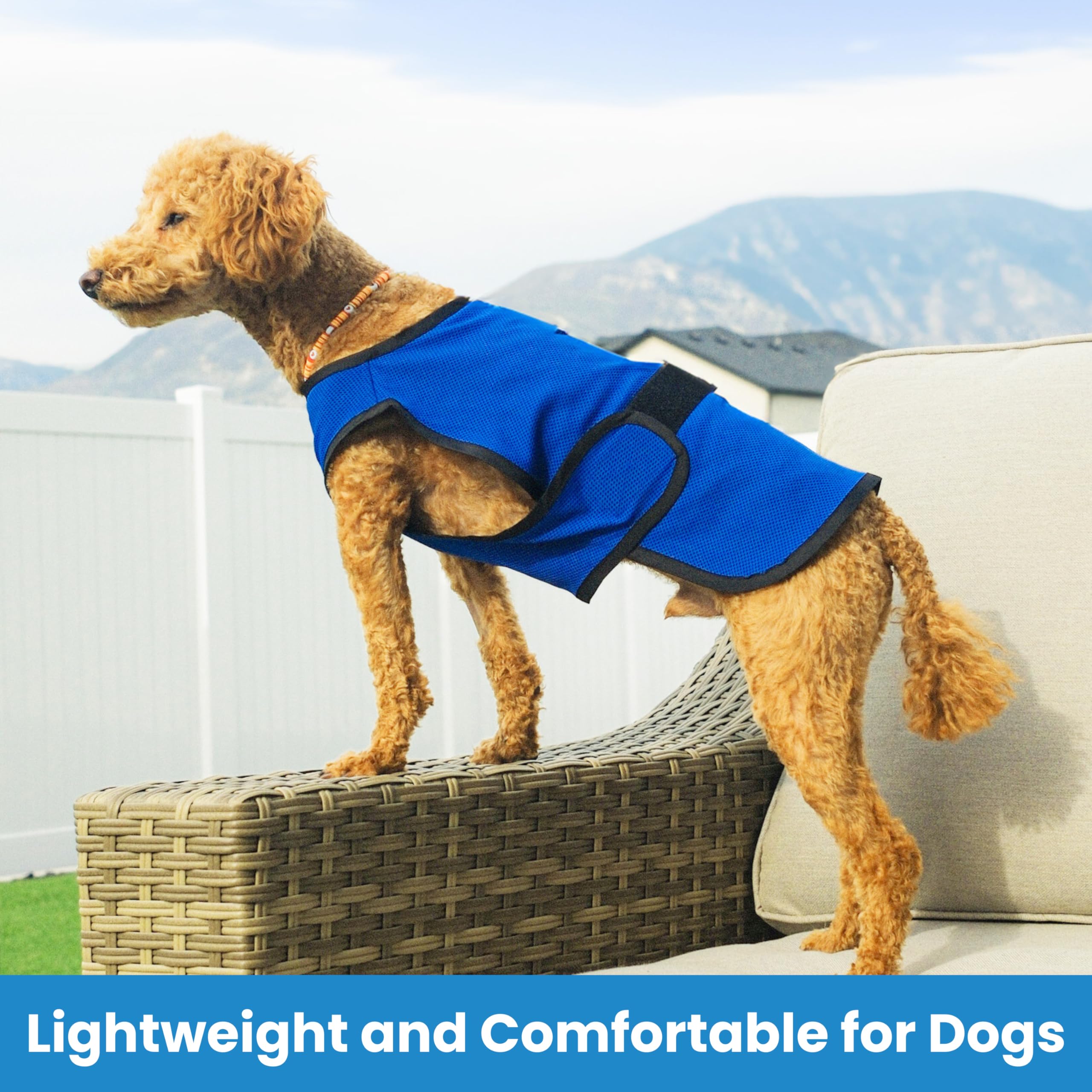
Japanese customs officials reject shipments that lack proper documentation. Your OEM pet cooling vest manufacturers partnership needs compliance from day one—not scrambled together after port inspectors flag your containers.
Good news: cooling vests qualify as processed cooked products under Japan’s pet product import framework. No veterinary certification required. The processing methods satisfy safety standards through heat treatment during textile manufacturing and material bonding procedures. Your professional breeder equipment clears customs faster than raw material pet products or freeze-dried accessories.
Material Safety Documentation Requirements
REACH compliance certificates prove chemical safety for textile materials. PCM compounds need SDS (Safety Data Sheets). These sheets show phase change materials contain no toxic substances. SGS testing reports verify fabric flammability resistance and skin contact safety. These three documents form your core compliance package for private label pet accessories entering Japanese markets.
Manufacturers with BSCI and ISO9001 certifications maintain systematic quality tracking. Every production batch gets assigned codes. These codes link finished vests to raw material lots, production dates, and quality inspection records. Port inspectors can trace any bulk pet cooling gear shipment back through the manufacturing chain. This transparency prevents delays.
Packaging and Labeling Standards
Package labels must indicate “for pet consumption” in Japanese characters. Material composition percentages need listing—outer mesh, inner cooling layers, PCM pack contents. Washing instructions protect product performance and customer satisfaction.
Plastic packaging follows Japan’s strict recycling requirements. Use PET, PE, or PP materials only. Avoid PVC in labels or caps. Keep packaging uncolored or white for PE/PP options. These rules support Japan’s Green Purchasing Law framework. Compliant products gain better visibility in retail channels serving eco-conscious Japanese cat owners seeking custom pet cooling solutions.
Logistics and Lead Time for Cat Breeder Seasonal Demands
Breeding cycles follow the sun. Long daylight hours trigger feline estrus. Japanese catteries face packed litter deliveries from March through July. Temperatures climb during these same months. Cat heat stress prevention equipment becomes critical then. This timing creates supply chain pressure. Unprepared operations fail.
Sample development runs 7-15 days with verified OEM pet cooling vest manufacturers. Production batches take 25-45 days from deposit to finished goods. Add 15-25 days for sea freight to Tokyo or Osaka ports. Total lead times hit 60-90 days for bulk pet cooling gear orders. Miss your ordering window? You’re buying retail while competitors sell private label products at better margins.
Pre-Season Ordering Strategies
Smart catteries place orders in December-January. Delivery arrives in April-May. This pre-summer stock hits makers during slow periods. Some suppliers offer 5-10% early-order discounts to fill production slots. Your cooling vests arrive before breeding queens deliver spring litters. Premium kitten buyers start shopping then. They ask about heat protection protocols.
Rush production exists but costs you. Air freight cuts delivery to 5-7 days. Sea shipping takes three weeks. The price? Add $8-$12 per unit in freight fees. Rush making fees add another 15-20% to wholesale pricing. These emergency costs kill profit margins on custom pet cooling solutions brands.
Japanese pet market suppliers align ordering calendars with breeding season timing. They maintain inventory control this way. Your PCM vests and evaporative designs reach cattery shelves before summer heat waves hit. Customers see professional feline heat protection equipment ready. No “out of stock” signs pushing them to competitors.
Success Case Studies: OEM Cooling Vests for Asian Cat Breeders
Cat breeders across Asia have already solved their summer heat problems. Three breeding operations show how OEM pet cooling vest manufacturers partnerships change business models and protect valuable cats.
Tokyo Persian Cattery: Private Label Launch Success
Sakura Felines runs a 45-cat Persian breeding operation in Tokyo’s Setagaya ward. Summer 2023 hit hard. Three queens showed heat stress during peak breeding season. Retail cooling products failed. Tokyo’s 82% humidity was too much for them.
Owner Yuki Tanaka contacted ICE BEAR in October 2023. She ordered 200 PCM cooling vests with custom “Sakura Cool” branding. Bulk pet cooling gear pricing at $24 per unit gave room for retail margins. The vests shipped in January 2024. Stock arrived before March breeding cycles started.
Results beat expectations. Tanaka sold 140 vests to kitten buyers by July. Retail price: ¥8,800 ($60). Gross margin: 58%. Many customers bought second vests for their other cats. The private label pet accessories line brought in ¥1,232,000 in extra revenue. Breeding queen heat stress incidents dropped to zero.
“PCM technology works in Tokyo humidity,” Tanaka reports. “Evaporative products got soggy and useless. These vests keep my Persians comfortable through 35°C afternoons. Buyers trust gear I use on my own breeding cats.”
Seoul Maine Coon Breeding Collective: Volume Partnership Model
Three Seoul catteries formed a buying group in 2022. Combined breeding stock: 80 Maine Coons. Korea’s summer heat put their premium bloodlines at risk. Each cat was worth $4,000-$8,000.
The group approached Petstar for custom pet cooling solutions. Order volume: 500 vests. They needed extra-long sizing for Maine Coon body shape. They also wanted stronger elastic tail bands. Petstar’s 233 mold sets handled the changes. Unit cost: $21 wholesale.
Delivery came in May 2023. Each cattery got branded packaging with their own logos. The group split tooling costs three ways. Each cattery paid $1,100 for custom development plus $3,500 for starting inventory.
Summer data showed strong results. Body temperature checks showed 2.8°C average cooling during peak heat hours. Zero heat-related vet visits across all three operations. Past summers had 4-6 emergency cooling treatments at $200-$350 per incident.
The catteries now reorder every year. Volume grew to 800 pieces for 2024 summer season. They added matching cooling mats with the same branding. Professional breeder equipment built customer trust. Kitten buyers link the cooling gear with serious, professional breeding operations.
Conclusion
Finding the right OEM pet cooling vest manufacturer doesn’t have to overwhelm you. Know what matters, and your research turns into a solid partnership. The manufacturers highlighted here offer proven solutions for cat heat stress prevention. ICE BEAR brings precision PCM technology. Dolemi excels in evaporative cooling. Both meet Japan’s strict quality standards.
Your next move depends on what you need. Long-haired breeds? PCM vests give sustained cooling. Running a cattery? Evaporative designs work better for budget-friendly, wide deployment. Each manufacturer has its strengths. Some offer more customization. Others handle larger production runs. Technical support levels vary too. These factors impact your success and your cats’ wellbeing.
The Japanese pet market values quality and innovation. Partner with specialized custom pet cooling solutions providers who know your regulatory needs. They understand seasonal demand cycles too. You’re not just buying products. You’re building what sets you apart from competitors.
Get samples from 2-3 manufacturers that match your volume needs and brand. Test them with your cats during the hottest periods. Put them through their paces. Proper supplier evaluation now saves you from quality problems later. Summer demand peaks fast. You don’t want issues then.
Your cats’ comfort matters. So does your cattery’s reputation. This decision affects both. Choose carefully.