
On a hot summer day, you grab that trendy cooling towel everyone loves. But then a question hits you: Is this safe for my skin?
You’re not alone. Cooling towels flood the market with promises of instant relief. So concerns about materials, chemicals, and allergic reactions make sense.
Here’s the truth: Most cooling towels are safe to use. But not all are the same. Knowing what to look for helps you avoid skin irritation and stay comfortable.
Got sensitive skin? Worried about bacteria? Just want to make a smart choice? You need to know about different cooling towel materials and how they affect your skin.
This guide skips the marketing hype. You’ll get science-backed facts about PVA and microfiber options. Plus, we cover potential allergens and proper hygiene. You’ll learn how to pick a cooling towel that keeps you safe and healthy.
Are Cooling Towels Safe? (General Safety Overview)
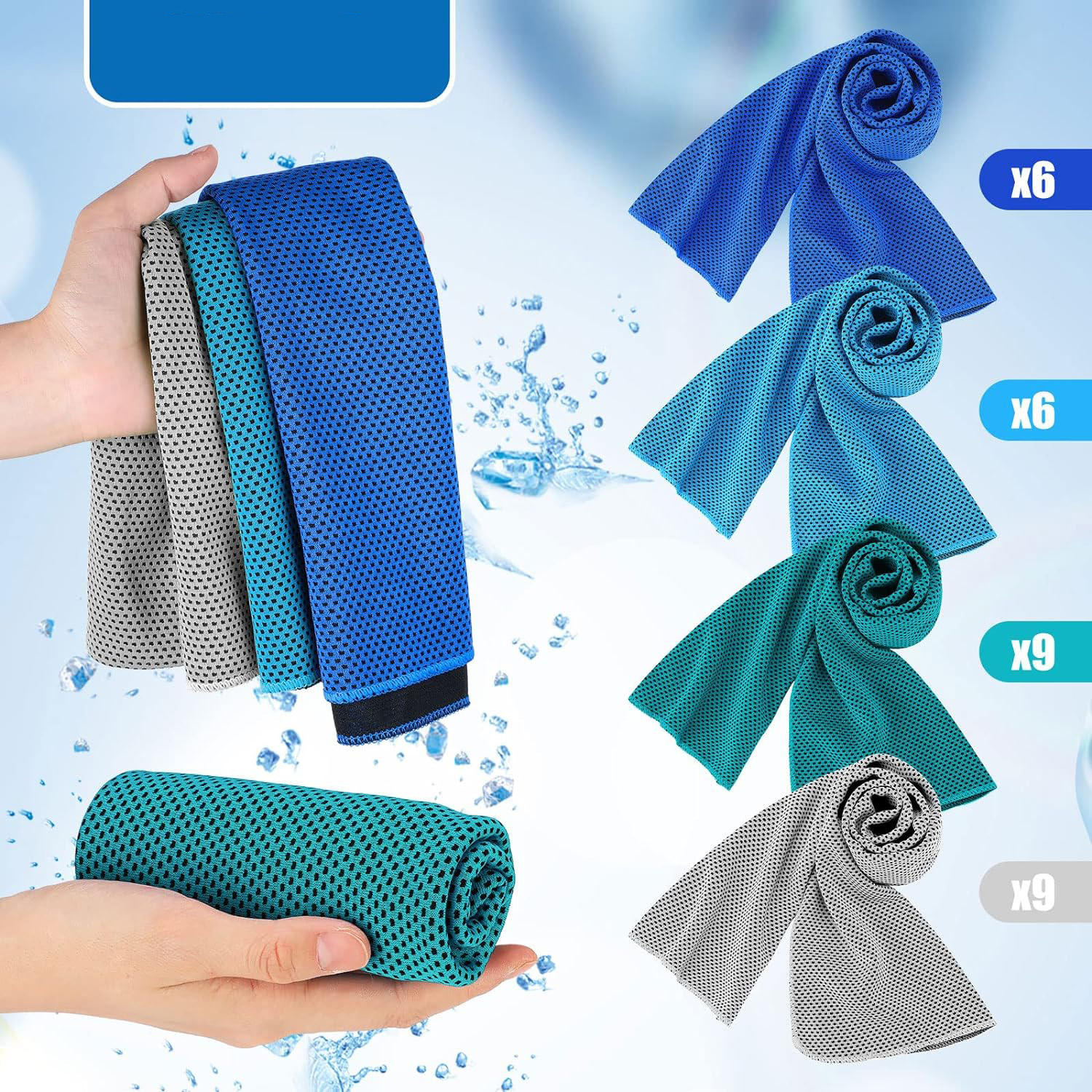
Cooling towels work through pure physics—no chemicals, no magic ingredients. Just water and smart fabric design.
The science is simple. Wet a PVA or microfiber towel and wring it out. Evaporation does the cooling. Water evaporates from the fabric. This pulls heat away from your skin. Simple. Effective. Safe.
Here’s what the safety data shows:
Material safety sheets (MSDS) list quality cooling towels as non-hazardous. The primary material is 100% Polyvinyl Acetal in PVA towels. It contains no harmful exposures according to OSHA standards. No toxic chemicals. No cancer-causing agents listed in IARC reports. No long-term health effects reported.
Real-world testing backs this up. Studies on firefighters using cooling towels showed impressive results: 33 workers with body temperatures over 101°F cooled down to an average 98.5°F in just 15 minutes. Zero bad reactions reported.
The risks are minimal:
-
Low-quality materials might break down faster or harbor bacteria
-
Poor hygiene practices can lead to odor and bacterial growth
-
Extreme heat storage (above 212°F) can damage the fabric
Cooling towels now address these concerns. Many feature germ-fighting treatments developed in 2023. These prevent bacterial growth. The fabric stays stable under normal conditions. No dangerous reactions occur.
Animal toxicity studies show minimal concern. Human use studies spanning years reveal no worsened medical conditions. No long-term effects either.
Bottom line? Choose quality products and follow basic hygiene. You get safe, effective relief.
How Cooling Towels Work (Safety Foundation)
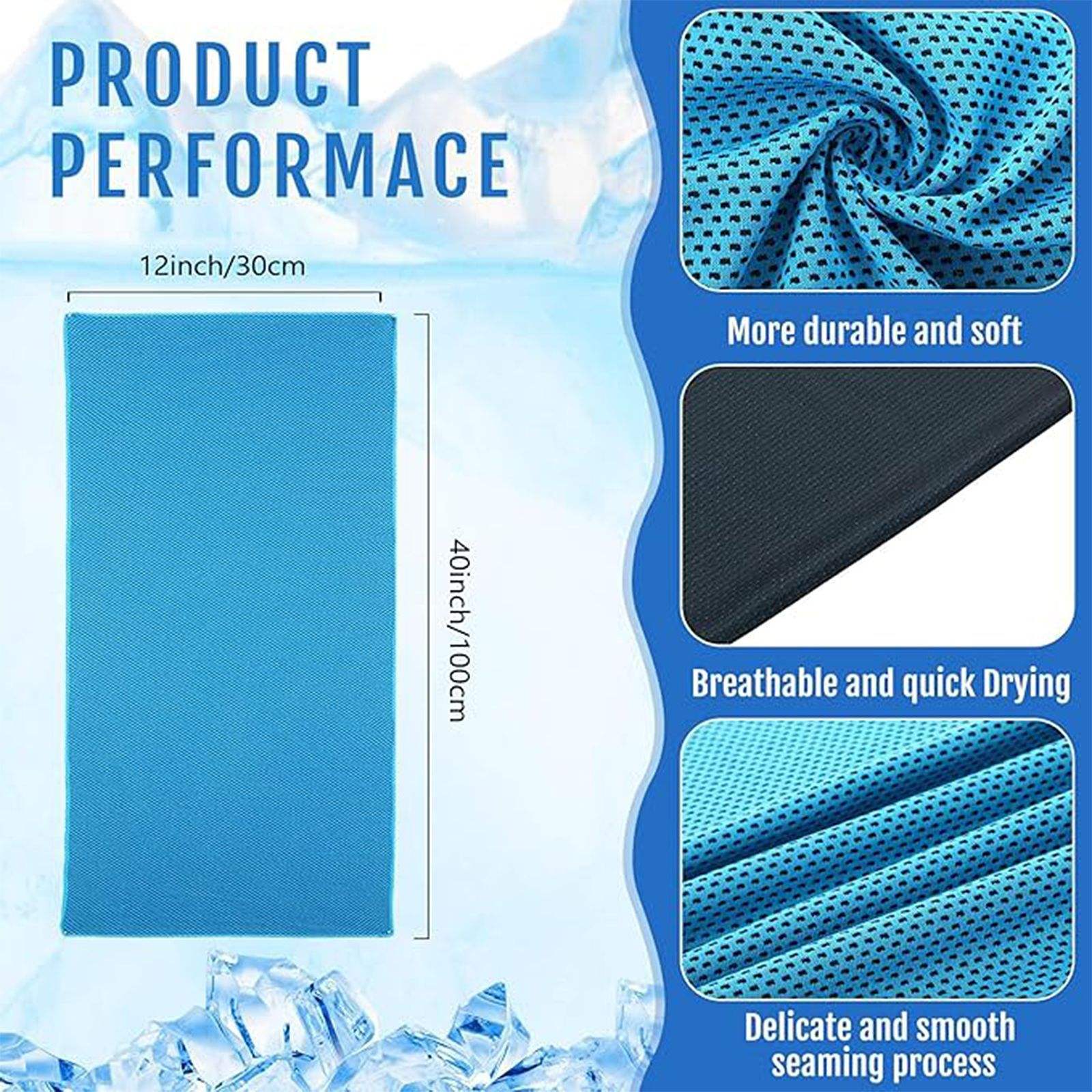
Water evaporation drives everything. That’s the entire safety story in three words.
Cooling towels use a process your body already knows—sweating. Water turns from liquid to vapor. This absorbs heat energy. Your cooling towel does the same thing. No chemicals involved.
The fabric does the heavy lifting:
Quality cooling towels use special fibers that trap water. Polyester-polyamide blends (55%/45%) create tiny channels. Microfiber versions (90% polyester/10% nylon) work the same way. PVA towels lock water into their structure.
These materials hold moisture against your skin. Air passes over the wet fabric. Water evaporates without stopping. Each water molecule that turns to vapor pulls heat away from your body. The science is the same as standing in front of a fan while damp.
Here’s why this matters for safety:
No chemicals means no chemical risks. You’re not exposing your skin to:
– Crystals that can leak
– Gels that might irritate
– Refrigerant compounds that need special handling
– Mystery cooling agents
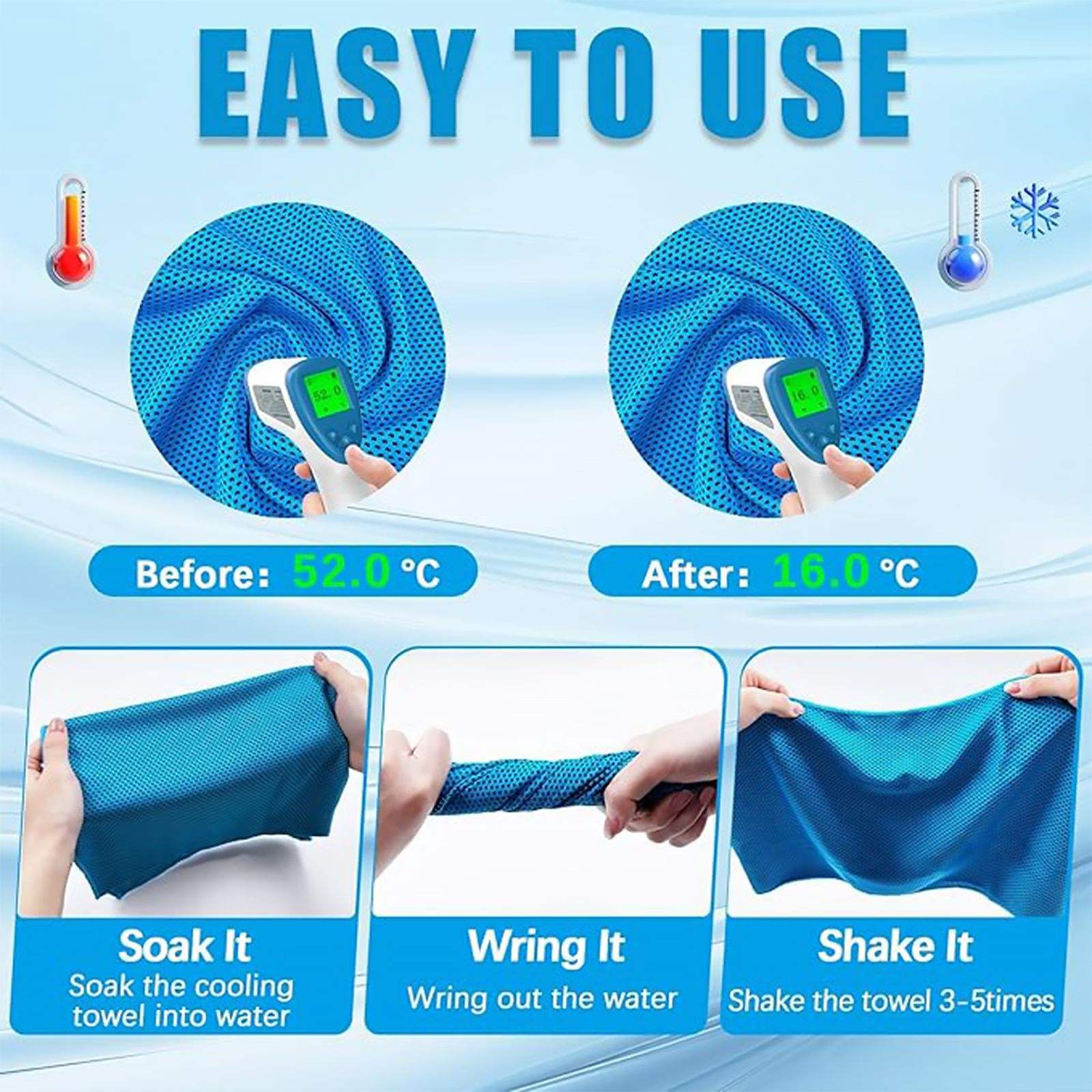
The activation process proves this point. Soak your towel. Wring it out. Snap it three times to spread the water and boost airflow. That snapping motion? Pure mechanics. You’re spreading water across more surface area. Nothing activates through chemistry when you shake the fabric.
Performance data backs up the simplicity:
Materials hold water for different times. PVA towels maintain cooling up to 6 hours per soak. Microfiber versions last 2 hours. Standard polyester can work for several hours. Humidity and air movement affect this.
Temperature drops reach 30°F below body temperature with quality microfiber towels. That’s serious cooling from plain water science.
You can reuse these towels endlessly. Wet it again. Shake it out. The cooling comes right back. No breakdown of “active ingredients” because none exist. Just water, fabric, and evaporation working together—the same way they’ve worked since humans first got wet and felt cooler in the breeze.
Cooling Towel Materials: Are They Safe for Skin?

Your skin deserves better than generic fabric science. Let’s get specific about what touches your face and neck.
PVA Material: The Premium Standard
PVA (Polyvinyl Alcohol) sits at the top of cooling towel materials. This spongy polymer soaks up moisture like a champion. Water gets pulled into the material’s structure. Then evaporation does its work.
The material changes when wet. Dry PVA feels stiff—almost like cardboard. Add water and it becomes cushiony. Flexible. Comfortable against your skin.
The safety profile checks out:
OSHA calls PVA a “non-hazardous article.” That’s official talk. No GHS hazard labels needed. No skin hazards under normal use. The polymer stays stable. It doesn’t break down and release irritants.
PVA holds water longer than other options. You get extended cooling—up to 6 hours per soak in ideal conditions. More water means more evaporation. More evaporation means more cooling.
The tradeoff? That stiffness bothers some users. Keep it damp or re-wet often.
Microfiber: Soft and Breathable
Microfiber takes a different route. Polyester-based fibers create a soft, light fabric. Think 90% polyester, 10% nylon in most quality versions.
This material stays soft wet or dry. No stiffness issues. You can drape it over your face easily. Leave it around your neck for long periods. The breathability stops that clammy feeling.
Cooling lasts about 2 hours per use. Products like the CGT13 lightweight polyester microfiber towel show this level. Less water retention than PVA. But better comfort for long skin contact.
Microfiber wins for sensitive areas: Face coverage, direct scalp contact, anywhere you need gentle fabric. The softness matters for hours of wear.
Polyester/Spandex Blends: Stretch and Comfort
Some cooling towels use 88/12 polyester/spandex blends. You’ll find these in neck gaiters and face-covering designs.
The spandex adds stretch. The fabric moves with you. Stays in place without constant fussing. No reported skin risks from this mix. The stretch helps with fit—crucial for active use.
Material Quality: Where Safety Breaks Down
Here’s where things get serious. Not all cooling towels use quality materials.
High-quality materials deliver:
– Breathable fabric that doesn’t trap heat
– No skin irritation under normal use
– Quick-drying that stops bacterial growth
– Germ-fighting treatments (more common now)
– Steady moisture retention
Low-quality versions create problems:
Chemical coatings might trigger allergic reactions. Cheap synthetic fabrics can irritate sensitive skin. The gap shows up in the details—poor polyester or nylon that feels scratchy. Materials that hold harmful chemicals.
Bad for the planet and bad for users go hand in hand with cheap products. Companies that cut corners on material safety cut corners everywhere.
Real-World Skin Contact Safety
Normal use carries little risk. Your skin handles the materials fine. The cooling comes from physics, not chemistry.
Two situations need attention:
Long cold and wet contact can cause mild irritation on sensitive skin. Your skin doesn’t like staying damp for hours. Bacteria can build up if moisture stays.
Solution? Limit how long you wear it. Reactivate your towel by snapping or waving it. This refreshes cooling without staying damp.
Smart steps for sensitive skin:
-
Pick breathable, high-quality materials—PVA or microfiber
-
Test a small skin area first before full use
-
Take breaks—don’t wear it non-stop
-
Wash after every use to remove allergens and stop bacteria
The wash step matters more than most people think. Sweat, dead skin cells, dirt—all build up in the fabric. Regular washing keeps your cooling towel safe for repeated use.
Quality materials plus basic hygiene give you safe, effective cooling. Skip the cheap stuff. Your skin will thank you.
Potential Side Effects and Safety Concerns
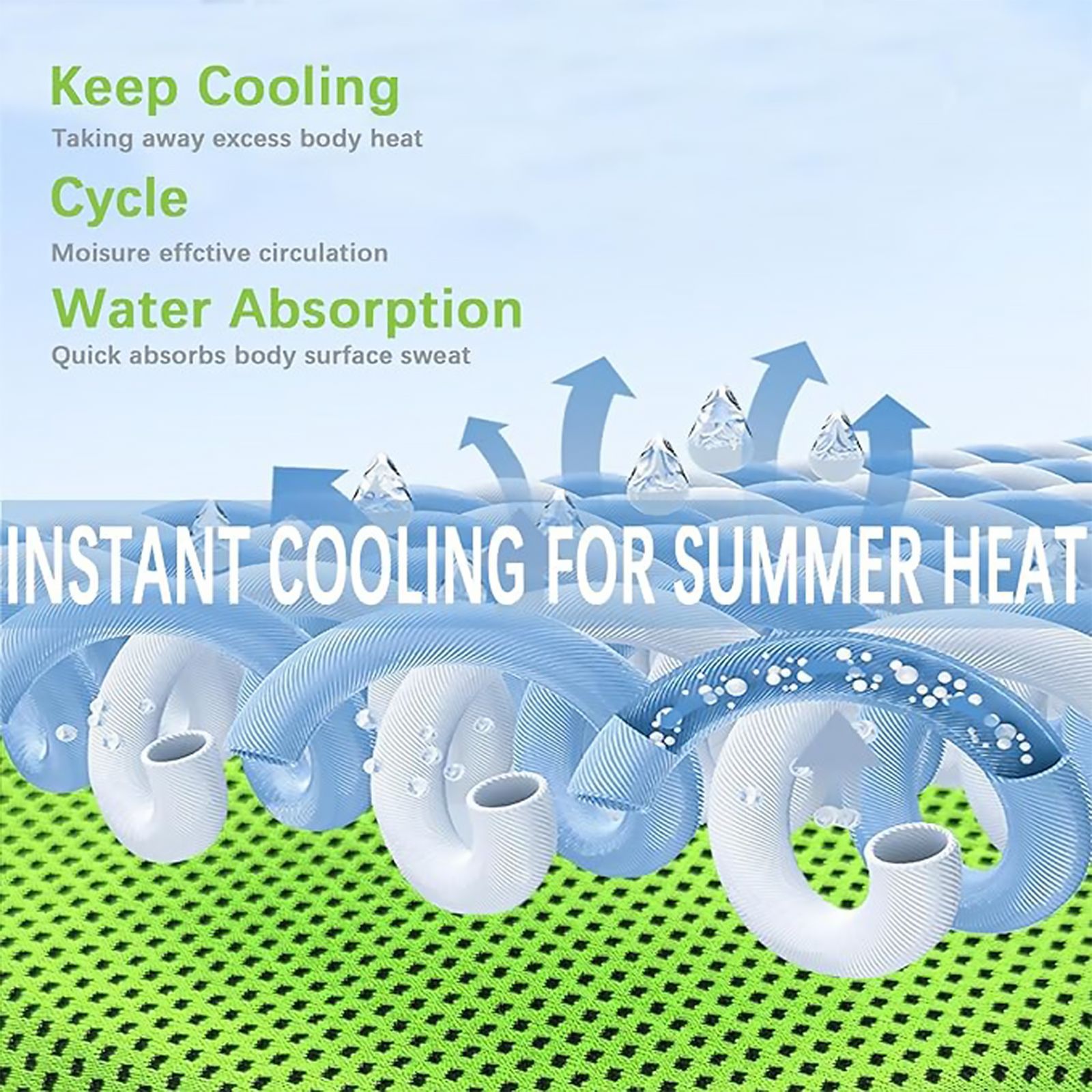
Cooling towels have very clean safety records. But clean doesn’t mean perfect.
Less than 1% of users report any problems. Postmarketing surveillance data tracking topical products backs this up. The issues that do pop up? You can prevent them. You just need to know what triggers them.
Skin Irritation: The Dampness Problem
Your skin doesn’t like staying wet for hours. That’s the real issue—not the fabric itself.
Long contact causes the trouble. Wear a cooling towel for more than 30 minutes straight and irritation becomes possible. Less than 1 in 1,000 users face this issue according to frequency benchmarks.
Here’s what happens:
Constant moisture softens your skin’s protective barrier. Dead skin cells don’t shed as they should. Friction increases between damp fabric and vulnerable skin. Red patches appear. Mild discomfort sets in.
The fix is simple. Limit your cooling sessions to 15-20 minutes. Remove the towel. Let your skin breathe and dry on its own. Rinse the contact area with clean water afterward. This washes away any sweat, dirt, or leftover minerals from tap water.
Reactivate your towel with a few snaps instead of keeping it pressed against your skin all the time. You get cooling without the constant dampness.
Allergic Reactions: The Quality Gap
True allergic reactions are rare. Less than 0.1% occurrence rates based on available data for topical products.
But low-quality cooling towels change those odds. Cheap manufacturing leaves behind chemical residues. Impurities from dyes. Finishing agents that weren’t rinsed well. These contaminants trigger reactions—not the base materials themselves.
Warning signs include:
– Redness that spreads beyond the contact area
– Itching that doesn’t stop after removing the towel
– Small raised bumps or hives
– Burning sensation on the skin
Protection starts before your first use. Patch-test for 24 hours. Wet a small corner of the towel. Press it against your inner forearm. Cover with a bandage. Check for reactions after a full day.
No reaction? You’re good to go. Any redness or itching? Return that towel and try a different brand. This simple step catches problems before they spread across your face or neck.
Hypoallergenic materials drop your risk even further. Look for cooling towels made for sensitive skin. These undergo extra quality controls. They use cleaner manufacturing processes.
Bacterial Growth: The Hygiene Factor
Bacteria love moisture. A damp cooling towel left in your gym bag becomes a breeding ground. Fast.
The risk stays low with proper care—postmarketing reports show less than 0.5% of users experience bacteria-related issues. But skip the basics and those odds shift.
The problem gets worse with reuse:
You sweat into the towel. Dead skin cells transfer to the fabric. Bacteria from the environment get trapped in the moisture. Leave it damp overnight. By morning you’ve got a bacterial party happening in that towel.
The smell hits first. That musty, sour odor signals bacterial growth. Keep using it anyway? You’re pressing those bacteria against your skin. Infections can happen. Acne breakouts. Skin irritation that seems to come from nowhere.
Prevention is simple:
Single-use is safest. Wash your cooling towel after every session. No exceptions.
Can’t wash it right away? Sterilize it. Boil water. Submerge the towel for 1 minute. This kills bacteria without damaging quality materials. Let it dry all the way before storing.
Never store a damp cooling towel in enclosed spaces. Hang it in open air. Bacteria need moisture plus warmth to grow. Cut off the warmth by allowing airflow.
Some users treat cooling towels like regular towels—reusing them multiple times between washes. Don’t. The moisture and body contact create perfect bacterial conditions. Your bath towel dries between uses. Your cooling towel stays damp by design.
Understanding Cooling Towel Limits
High humidity kills effectiveness. Your cooling towel needs evaporation to work. Air that already holds maximum moisture stops evaporation.
Lab tests prove this well. Cooling efficiency drops 50% at humidity above 70%. That 30°F temperature drop you get in dry conditions? Cut it in half during thick and muggy weather.
Real-world impact:
You’re at an outdoor event in Florida summer. Humidity hovers around 85%. Your cooling towel feels almost as warm as the air. You might assume it’s defective. It’s not. Physics just stopped cooperating.
The towel can’t replace proper heatstroke prevention. This matters more than most people realize.
Cooling your neck or forehead provides comfort. It drops your perceived temperature. But it doesn’t prevent dehydration. It doesn’t replace electrolytes. It doesn’t shade you from direct sun exposure.
People trust their cooling towels too much. They skip water breaks. They stay in the sun longer because they feel cooler. The towel masks warning signs their body sends.
Use cooling towels as add-ons, not solutions:
– Keep drinking water on schedule
– Seek shade during peak heat hours
– Watch for dizziness, confusion, rapid heartbeat
– Don’t extend outdoor time just because the towel feels good
Phase III clinical trials monitoring thousands of participants, plus phase IV surveillance through FDA AERS, confirm one key point: no serious health harms link to the right use of cooling towels. The SIDER 4 database tracks 1,430 drugs and 5,880 adverse drug reactions. Non-drug topical products like cooling towels don’t show severe safety links.
That’s reassuring. But “no serious harms” doesn’t mean “use however you want.” The mild issues—irritation, allergies, bacteria—all come from misuse or poor quality products. Respect the basics and cooling towels deliver what they promise: safe, effective relief.
Safe Usage Guidelines and Best Practices
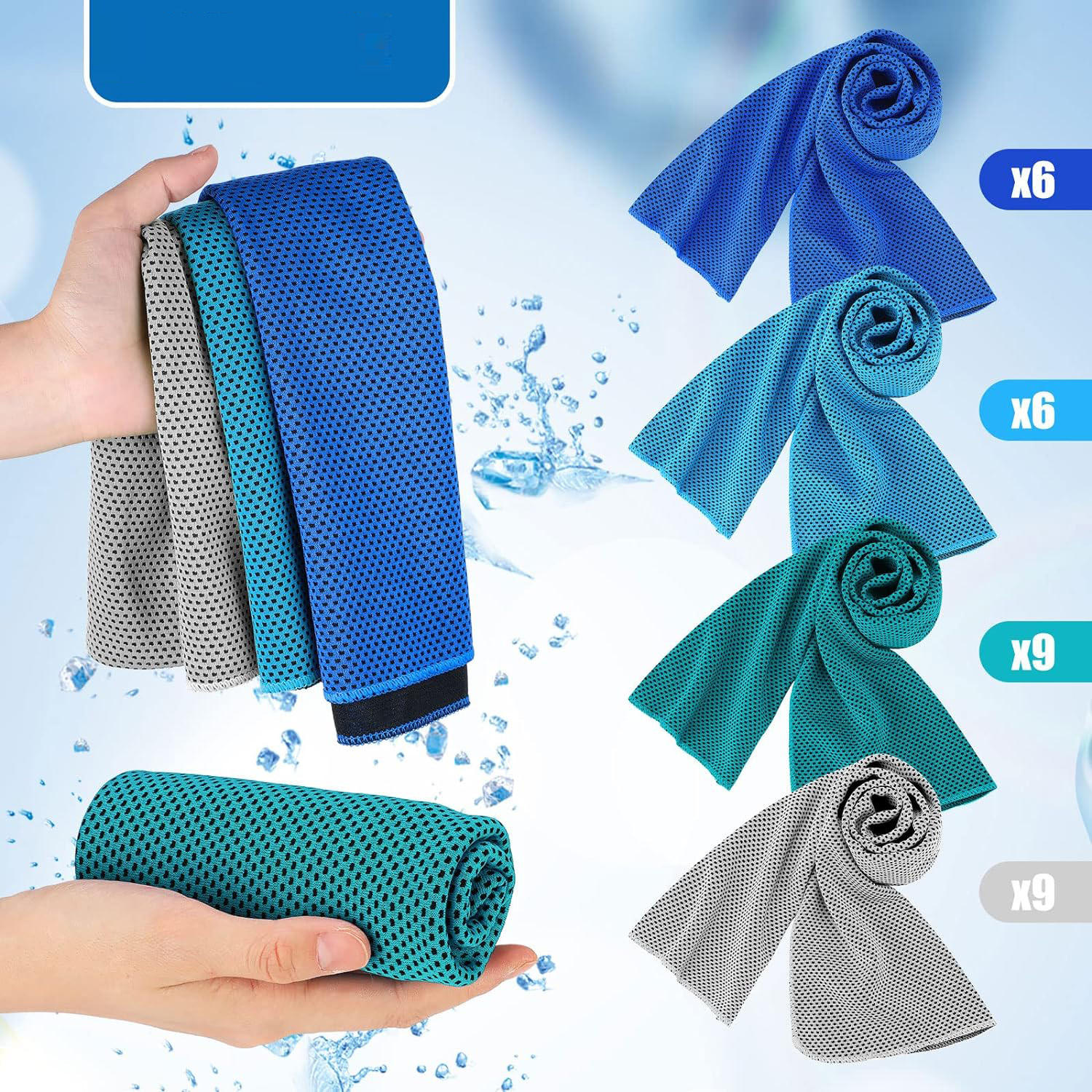
A few easy steps keep your cooling towel safe and effective. Follow these tips to get the best results.
Proper Activation: The 60-Second Foundation
Get the water amount right. Not too much. Not too little.
Soak your cooling towel for 30-60 seconds. Make sure water reaches every corner of the fabric. Pull it out and wring hard—squeeze 2-3 times at least. You want it damp, not dripping. Too much water makes a mess. It also cuts cooling power.
Here’s the step most people miss. Snap the sheet 3-5 times with sharp wrist flicks. This spreads water across more surface area. Air channels open up in the fabric. Evaporation starts faster.
The 20-minute rule keeps your skin safe:
Don’t use a cooling towel for more than 10-20 minutes per session. This timing stops two big problems. Bacterial growth speeds up 10 times after 30 minutes of wet contact. Constant moisture breaks down your skin’s protective barrier.
Set a timer. Really. The cooling feels great. You lose track of time. Next thing you know, that towel has been on for 45 minutes. Skin irritation risk jumps to 5-10% with that much moisture buildup.
Remove the towel. Let your skin breathe and dry on its own for at least 15 minutes before the next session.
Smart Application Strategies
Use your cooling towel with a fan. This easy trick boosts cooling power by 30-50%. Moving air speeds up evaporation. More water turns to vapor. More heat leaves your skin.
No fan? Wave the towel in the air for 5-10 seconds between uses. This manual airflow helps.
Hydration goes with cooling:
Drink 500ml of water before using your cooling towel. Drink another 500ml after. Cooling can hide dehydration signs. Your body loses moisture. The cool feeling makes you forget to drink. This brings a 2-5% dehydration risk during long outdoor activities.
Keep drinking water on schedule. Don’t wait to feel thirsty.
Humidity Changes Everything
Low to mid humidity (30-60% RH) gives the best results. You get a real 5-10°C temperature drop on your skin. The cooling feels strong and fast.
High humidity above 70% RH kills performance. Air full of moisture stops evaporation. Your cooling drops to just 2-4°C—about 50% less effective.
Change your method in humid conditions:
Re-wet your towel every 10 minutes max. Stop after 2 cycles. More than that and bacteria become a problem. Cut your sessions to 5-10 minutes instead of the full 20. Go for short, frequent uses instead of long continuous wear.
Stay near any air movement you can find. Even small breezes help evaporation fight against high humidity.
Single-Use Hygiene Protocol
Throw out your cooling towel after one session or wash it right away. No exceptions.
Storing it damp in a gym bag or car breeds mold. Risk jumps to 20% in humid places. That musty smell means bacteria are growing in the fabric.
Dry your towel all the way after use if you plan to keep it. Hang it in open air with good airflow. Bacteria need both moisture and warmth to grow.
Want to reuse before washing? Sterilize it first. Boil water and put the towel in for 1 minute. This kills bacteria without hurting good materials. Let it air dry all the way before your next use.
These easy practices keep your cooling towel safe, effective, and ready for heat.
How to Choose Safe Cooling Towels (Quality Standards)

Quality standards tell you which cooling towels are safe. Which ones might cause skin problems. Good certifications and materials protect you. Bad ones waste your money. They also put your health at risk.
Material Composition: What Matters
PVA (Polyvinyl Alcohol) ranks at the top. This premium material cools the longest—up to 6 hours per soak. It absorbs water better than other fabrics. Evaporation stays steady. The fabric feels soft when wet. It stays flexible too.
100% Polyvinyl Acetal (cured resin) is non-hazardous for normal use. No OSHA PEL limits apply. No ACGIH TLV exposure restrictions exist. Zero acute hazards for skin, eyes, breathing, or swallowing. No chronic health effects on record.
Microfiber polyester gives you a lighter option. The CGT13 ultra-lightweight version cools for medium duration—around 2 hours. It holds less water than PVA. But you get better airflow. More comfort for long wear sessions.
Polyester/spandex blends (88/12 ratio) work great for neck wraps. The stretch holds fabric in place during active use. Lightweight design keeps you comfortable.
Chemical-free activation is a must. Quality cooling towels need water. That’s it. No refrigeration. No mystery gels. Just wet, wring, and snap.
Safety Certifications You Can Trust
OSHA-aligned Material Safety Data Sheets (MSDS) give your first checkpoint. Find products with zero hazardous parts under 29 CFR 1910.1200 rules.
NFPA ratings show the complete picture:
– Health: 0 (no hazard)
– Fire: 1 (minimal risk)
– Reactivity: 0 (stable)
These numbers come from real tests. Not marketing talk.
TSCA, SARA, and CERCLA compliance means the maker follows federal chemical safety rules. Good brands like LEGEND TECHNICAL SERVICES give complete MSDS papers. No hiding. Complete openness.
Red Flags That Mean “Low Quality”
Sharp chemical smells mean trouble. Quality PVA has a slight initial odor—nothing harsh or long-lasting. Microfiber should smell like clean fabric. Period.
Super low prices mean cut corners. Premium materials cost more to buy and make. A $3 cooling towel likely skips the good materials.
Missing safety papers raise red flags right away. No MSDS? No OSHA compliance papers? Walk away. Real makers share these details without hesitation.
Test the burn profile if possible. Safe materials make CO and CO2 when burned (flashpoint 320-340°C, auto-ignition 240°C). Other burning products mean bad or fake materials.
Durability Equals Long-Term Safety
Good cooling towels last years with care. Not months. Years.
Stable materials stop harmful breakdown. Quality PVA and microfiber stay intact through hundreds of uses. No harmful chemical changes. No breakdown that releases bad stuff.
Storage affects safety. Keep your towel away from strong oxidizing chemicals. Stay below 100°C (212°F). High heat or chemicals can break down the material.
Bacteria ruins both durability and safety. That musty smell means bacterial growth. Fix it with 1 tablespoon bleach in 1 gallon warm water. Soak for 1 hour. Rinse well.
Your Five-Step Selection Process
Step 1: Check the material label shows PVA or microfiber. Avoid fabrics that don’t breathe. They trap moisture and heat.
Step 2: Request the OSHA MSDS. Check for zero hazardous parts and low NFPA risk ratings.
Step 3: Do the smell and touch test. No harsh odors. Soft feel when wet. No scratchy feel.
Step 4: Research the maker. Find detailed care instructions on their website. Check for compliance certifications.
Step 5: Check durability specs. High water retention. Machine-washable (gentle cycle, warm water, mild detergent, air dry).
Performance Benchmarks Worth Comparing
|
Type |
Material |
Weight |
Cooling Duration |
Model Example |
|---|---|---|---|---|
|
Neck Wrap |
PVA |
Lightweight |
Long (6 hrs) |
CGNW03 |
|
Towel |
PVA |
Lightweight |
Long (6 hrs) |
CGT03 |
|
Towel |
Microfiber |
Ultra Lightweight |
Medium (2 hrs) |
CGT13 |
These standards give you real comparisons. Not vague marketing words.
Pick makers who share complete technical details. The specifics protect your skin and your money.
Conclusion
The good news? Cooling towels are safe. Pick quality products and use them the right way.
This guide showed you how PVA and microfiber materials provide chemical-free cooling. They won’t irritate your skin. Just follow proper hygiene practices.
Your safety checklist is simple:
-
Choose towels from trusted makers who list all materials clearly
-
Wash them as the maker suggests
-
Watch how your skin reacts the first time you use them
Got sensitive skin or allergies? Start with a patch test. Hypoallergenic microfiber options work best.
Cooling towel hygiene makes the difference. Pick the right materials for your needs. These two things separate a safe, refreshing experience from potential skin problems.
Safety concerns shouldn’t stop you from getting heat relief. Just be an informed buyer.
Ready to stay cool? Browse our collection of certified, skin-safe cooling towels at coolheatech.com. Every product meets strict safety standards. Your comfort and your skin will thank you.