
Pressure-Activated Cooling Mats
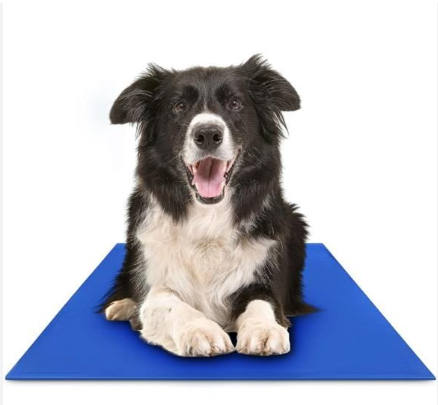
Pressure-activated cooling mats top the pet cooling market. They make up about 60% of B2B wholesale orders. This tech gives instant cooling relief. No electricity needed. No refrigeration. No water refills. Retailers and end consumers love this combo.
Core Technology Mechanism
Your pet steps on the mat. The cooling starts right away. Body weight compresses the surface. Internal pressure-activated gel absorbs body heat through direct contact. It releases a cooling sensation that feels 42°F cooler than room temperature.
Here’s how it works: The gel pulls heat away from your pet’s body. Heat moves into the mat’s core. Heat escapes slowly from there.
Each session gives 1-3 hours of cooling. Your pet gets off the mat. The gel resets itself within 15-20 minutes. Ready for the next use. No manual work needed. Pet owners face less hassle. Retailers get fewer support calls.
Material Construction and Safety Standards
B2B clients need to check gel makeup closely. Formula quality affects how long the product lasts. It also affects safety compliance. Two main gel types lead the market:
-
Firm-gel formula: Uses patented tech. Gel barely moves inside the mat. Cool Pet Pad and similar premium options use this build. You get better durability and shape hold. Perfect for busy retail spots or vet clinics.
-
Liquid-based gel formula: Gel flows more inside the mat. Creates a softer feel. Chillz Gel Mat and other cost-friendly options use this style. Cooling works just as well. Price-focused buyers prefer these.
Both types use non-toxic, pet-safe gel. They meet global safety rules. The outer layer blends waterproof cotton with tear-resistant build. Protects against claw scratches or chewing.
Check your suppliers for quality proof. Ask for mold-resistant certification. Get chew-safe surface test records.
Size Specifications and Weight Compatibility
More size options mean bigger markets. Here’s the standard range:
-
Extra Small (11.8″ x 15.7″): 0-8 lbs – toy breeds and small animals
-
Small (15.7″ x 19.7″): 9-20 lbs – small dog breeds
-
Medium (19.5″ x 15.5″ x 0.25″): 21-45 lbs – mid-size dogs and multi-pet homes
-
Large (23.6″ x 35″, ~6 lbs mat weight): 46-80 lbs – large breeds
-
Extra Large (27.5″ x 43.3″): 80+ lbs – giant breeds and multi-pet use
Activation needs very little pressure. Even tiny pets can trigger XL mats. Retailers can suggest sizes based on space, not just pet weight.
Operational Advantages for B2B Positioning
Three zero-maintenance features make strong selling points: no electricity, no refrigeration, no water refills. You get lower customer service costs. Product satisfaction scores go up.
The Journal of Veterinary Science backs this up. Cooling mats cut stress in pets during hot weather. They boost overall well-being. This gives scientific proof for your marketing.
Be honest about limits though. Trust builds this way. These mats work best indoors or in shaded, cool spaces. Direct sunlight hurts performance. Hot cars reduce effectiveness. High outside temps can overwhelm the mat’s cooling power.
Move the mat away from direct heat. The gel resets its cooling ability. Customers need to know this.
Maintenance and Portability Features
Maintenance stays simple. Wipe the mat with a wet cloth. Use mild soap and a damp cloth if needed. No machine washing hassles.
The mat weighs little and folds up. Use it in crates, carriers, and cars. More markets open up beyond home use. Vet offices and pet care centers can rotate these across different treatment rooms.
Water-Filled Cooling Mats
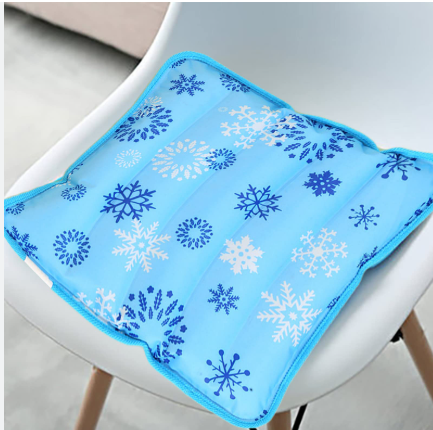
Water-based cooling systems hold more cold than gel pads. They use water’s weight to absorb heat. FlexiFreeze® technology leads this category. Premium models like the Cooler Dog Hydro Cooling Mat pack 88 built-in ice cubes – about 8 standard ice trays worth. This creates 10x more cooling power than standard gel pads. Single mats measure 18″W x 23″L x 1.25″H and weigh 5.5 lbs.
How the Design Works
Three layers work together to pull heat away:
-
Top Layer: Soft waterbed cushion spreads body heat across the surface. This stops hot spots that hurt comfort.
-
Middle Layer: FlexiFreeze® Ice Sheet contains 100% purified U.S.A. water. Zero chemicals or fake gels. Water pulls heat from your pet’s body core as it changes from ice to liquid.
-
Bottom Layer: ½-inch foam insulation blocks heat from the ground. This makes the mat stay cold longer.
Frozen water beats gel at absorbing heat. Ice changing to liquid soaks up huge amounts of heat. You get 5-7 hours per freeze cycle. Premium gel mats usually give 1-3 hours.
Connect Multiple Mats
Snaps on three sides let you join mats:
-
2-mat setup: 23″W x 35″L x 1.25″H – medium to large breeds
-
4-mat setup: 35″W x 45″L x 1.25″H – giant breeds or multi-dog homes
Retailers can sell extra units. Pet care centers can adjust coverage based on kennel size. Wholesale buyers like this money-making option.
Business Points and Limits
Machine-washable outer covers make cleaning easy. Extra ice sheets sell as repeat buys – you get ongoing revenue. Ice melts? The waterbed layer works as a basic gel mat until you refreeze.
Weight is the main problem. 5.5 lbs per mat raises shipping costs compared to light gel pads. Leaks happen more with frequent moves or rough handling. Water-filled mats can get lumpy after long use. You must fill and freeze them – not good for quick-buy customers who want zero upkeep.
Wholesale pricing sits in the premium range. Best for serious pet owners, pro groomers, vet recovery rooms, and outdoor fans who travel with pets in vehicles.
Gel-Based Cooling Mats (Phase Change Materials)

Phase change material (PCM) technology is the most advanced cooling method for pet products. Basic pressure-activated gels just soak up heat. PCM mats are different. They use molecular engineering to control temperature with precision. You get sustained cooling through state-transition management.
The Science Behind Phase Change Cooling
PCM cooling mats contain special gel compounds. These gels shift between solid and liquid states at set temperature points. This shift absorbs huge amounts of heat. The mat surface stays stable and safe at 64°F / 18°C for pet use.
Think of ice melting in a drink. The ice doesn’t warm to room temperature right away. It stays at 32°F until it melts. PCM gels work the same way, but at pet-safe temperatures.
The molecular structure stores heat during the phase change. Your dog lies on the mat. Body heat triggers the gel to shift from semi-solid to liquid. This pulls heat away from your pet’s core temperature. The mat surface stays cool and steady for up to 2 hours – almost double what standard pressure-activated designs offer.
Temperature Precision and Customization Options
B2B clients get strong market edge through PCM temperature options. Manufacturing tech now allows precise melt point selection:
-
-21°C formulas: Extreme cooling for industrial/medical transport
-
+5°C formulas: Moderate cooling for mild climates
-
+18°C formulas: Standard pet comfort cooling (most common retail spec)
-
+23°C formulas: Gentle cooling for sensitive or older pets
This precision removes “ice burn” risk from frozen gel packs. Your pet never touches surfaces below safe levels. Vet clinics value this controlled cooling for post-surgery recovery and heat stroke treatment.
Premium suppliers offer non-water-based PCM formulas that beat standard gel types. These compounds stay stable across wider temperature ranges. Your product works well in air-conditioned homes or shaded outdoor kennels.
Superior Thermal Performance Metrics
Lab testing shows clear wins over standard cooling tech:
PCM mats reduce pet core body temperature at 0.09°F per minute in 100°F environments. This cooling rate gives vet-grade heat stress relief without drugs or invasive steps.
The gel holds a constant 64°F surface temperature through the full phase change cycle. No temperature swings like pressure-activated designs that warm up. Your pet gets steady cooling relief instead of fading effectiveness.
Industrial PCM use in LED heat management shows 10-20% temperature drops – taking components from 60°C down to below 56°C. This same heat removal works for pet cooling. The gel pulls heat away rather than just soaking it up.
Material Safety and Environmental Considerations
Wholesale buyers must check that PCM gel meets global safety standards:
Look for non-toxic, biodegradable formulas that remove environmental risks. You should always prevent ingestion through proper mat design. Certified non-toxic gels protect you from liability and give customers peace of mind.
Request silicone-free options for sensitive markets. Some pet owners skip silicone products due to allergy worries or environmental views. Non-silicone PCM formulas prevent possible issues in homes with multiple pets.
The outer shell should use grid-style pack design instead of single-chamber build. Split gel pockets remove stiffness and stop gel from shifting during shipping. This creates flexible, moldable surfaces that fit pet body shapes – removing thermal “dead zones” where heat piles up.
Weight and Logistics Advantages
PCM cooling mats weigh 30%-60% less than water-filled options with the same cooling power. This weight cut delivers direct cost savings:
Lower shipping costs across your network. Cheaper freight for container imports. Easier handling in retail stores and vet facilities.
The even weight spread stops gel from shifting in transit. You get fewer damaged units and customer complaints. Premium PCM designs use compressible materials that bounce back to original shape after squeezing.
Recharging and Longevity
PCM mats need basic refrigeration or freezer recharging – 2-4 hours based on room temperature and gel volume. The phase change reverses as the gel cools below its transition point. Molecular bonds reform. Heat storage resets to full capacity.
Quality PCM formulas stay reusable through hundreds of freeze-thaw cycles without losing power. This longevity creates higher customer value versus throwaway cooling products.
Some advanced designs use staged phase change materials that work like thermal super capacitors. Multiple PCM layers with different transition temperatures turn on one after another. This extends cooling time beyond single-stage designs.
B2B Market Positioning
PCM cooling mats command premium wholesale pricing – 40-60% higher than basic pressure-activated options. Position these products for:
-
Vet clinics needing precise temperature control for medical use
-
High-end pet boutiques serving wealthy customers who want advanced tech
-
Professional groomers and boarding facilities managing heat-sensitive breeds
-
Pharmaceutical and biologics shipping needing regulated thermal transport
The technical edge justifies higher margins. Educate your retail partners on the molecular science. Provide comparison charts showing sustained cooling time versus standard gels. The performance data speaks for itself to informed buyers.
Safety Considerations for Dog Cooling Mats
Product safety shapes your brand reputation. It also affects how many customers stick with you long-term. B2B buyers need to check safety from multiple angles before placing wholesale orders. One defective mat can injure a pet. This triggers chargebacks, bad reviews, and lost retail partnerships. This section covers key safety checks your quality control team should run when vetting suppliers.
Material Safety and Certification Standards
Non-toxic gel formulation is the basic requirement for all pressure-activated and PCM cooling mats. Ask suppliers for Material Safety Data Sheets (MSDS) that show chemical makeup. Top manufacturers use food-grade polyurethane gel or medical-grade phase change materials. These pass REACH compliance (Europe) and CPSIA standards (USA).
Watch for these red flags during sample checks:
-
Strong chemical smells that point to volatile organic compounds (VOCs)
-
Gel that feels greasy or leaves residue on hands
-
Suppliers who can’t provide third-party lab certification
Water-filled mats should list 100% purified water with zero antifreeze added. Some cheap manufacturers add ethylene glycol to stop freezing. This creates serious poisoning risk if the mat gets punctured. Check water purity through supplier documents.
Cover material choice affects durability and safety. Commercial-grade options include:
-
Ballistic nylon (1000D-1680D denier): Military-grade puncture resistance for dogs that chew hard. Used in premium vet and boarding facility products. Stops gel exposure from claw scratches or bite damage.
-
Oxford polyester fabric: Mid-range option that balances tear strength with cost. Works well for retail markets selling to typical household pets.
-
Avoid plush or cotton covers for wholesale distribution. These materials soak up moisture. They tear fast under dog nails. They create choking hazards when shredded. Cotton also helps bacteria grow in warm, humid climates.
Ask for bite force testing data if you target breeds with strong jaw pressure (German Shepherds, Rottweilers, Mastiffs). Quality mats handle 200-300 PSI bite force without breaking internal gel chambers.
Temperature Safety Protocols
Freezing water-filled mats creates thermal shock risk. Dog body temperature sits at 101-102.5°F. Contact with ice-cold surfaces (32°F) causes blood vessels to narrow. This protects core temperature. But this cuts heat loss and can make overheating worse in stressed dogs.
Train retail staff and end customers: Water-filled mats work at room temperature or refrigerated (45-65°F) – never frozen solid. The FlexiFreeze® Ice Sheet technology uses pre-frozen gel inserts. These stay separated from pet contact by cushioning layers. This stops ice burn while keeping cooling power.
Surface temperature checks should be standard before pet use:
-
Hand-test the mat for 10-15 seconds. Too cold for your palm means too cold for long pet contact.
-
Use infrared thermometers for exact measurement. Safe cooling mats stay at 64-72°F surface temperatures during use.
-
PCM mats built for +18°C phase transition self-regulate. They can’t drop below this temperature no matter the outside conditions.
Usage Duration and Supervision Guidelines
Overcooling poses health risks just like overheating. Dogs can’t sense gradual hypothermia setting in. B2B educational materials should list:
-
Maximum continuous use: 3-4 hours for gel-based mats before breaks
-
Temperature checks every 30-60 minutes for dogs using mats during heat above 85°F
-
Remove mat right away if shivering occurs – this shows core temperature dropping too low
Never block exit access. This key safety rule matters most for crate use. Dogs must leave the mat when they feel comfortable. Wholesale agreements should include legal disclaimers that require proper customer education on this.
Risky scenarios to cover in B2B training:
-
Mats placed in locked travel crates during transport
-
Outdoor tethering where dogs can’t move to warmer surfaces
-
Use with sedated or mobility-limited pets who can’t reposition themselves
Chewing and Puncture Prevention
Supervised introduction cuts product damage and swallowing risk. Share this protocol with retail customers:
-
First exposure (15-20 minutes): Owner present, give treats when dog lies on mat
-
Watch chewing behavior: Take mat away right away if dog mouths or scratches surface
-
Gradual time increase: Extend alone time after 3-5 good sessions
High-risk dog profiles for gel swallowing include:
-
Teething puppies (3-9 months): Chew everything without thinking
-
Separation anxiety cases: Tear things up when left alone
-
Bored working breeds: High-energy dogs needing mental work (Border Collies, Belgian Malinois, Australian Shepherds)
For these groups, suggest elevated cooling beds with airflow technology instead of gel-filled mats. Or choose grid-reinforced construction that splits gel into sections. Single puncture affects just 10-15% of cooling surface rather than total gel loss.
Nail care makes mats last longer and stops accidental punctures. Sharp nails focus pressure into small points. This pokes through vinyl or thin nylon fast. Suggest nail trimming every 3-4 weeks as part of product care steps.
Inspection and Maintenance Schedules
Weekly visual checks should look for:
-
Bulging or soft spots showing internal gel separation
-
Seam strength along stitching lines and edges
-
Surface cracks or brittleness in older mats (UV damage)
-
Color changes showing bacterial or mold growth
Cleaning steps vary by mat type but need:
-
Gel mats: Damp cloth with mild pet-safe cleaner (skip bleach which breaks down polymer gel)
-
Water-filled mats: Drain and flush water chamber every 30 days to stop algae growth
-
Complete air-drying before storage to remove moisture that grows bacteria
Give retail partners monthly maintenance checklists. This cuts warranty claims from bad care. It also makes products last longer.
How Dog Cooling Mats Work: Core Technologies
Dog Cooling Mats rely on science-backed mechanisms to regulate body temperature, critical for pets in hot climates or active lifestyles. The most common technologies include:
-
Gel-Based Cooling: Infused with non-toxic, pressure-activated gel, these mats absorb heat from a dog’s body through conduction. When the dog lies down, the gel redistributes warmth, maintaining a cool surface (typically 5–10°C below ambient temperature).
-
Water Circulation Systems: Some mats use internal water channels or pads that circulate cool water, often paired with insulation to prevent leaks. These are ideal for prolonged use.
-
Phase-Change Materials (PCM): Advanced Premium dog cooling mats embed PCM, which absorbs heat as it melts (staying cool) and releases it when solidifying, ensuring consistent cooling for hours.
Why Choose Us: Your Trusted Dog Cooling Mat Partner
As a vertically integrated Dog cooling mat factory, we merge manufacturing excellence with B2B-centric services. Here’s what sets us apart:
-
Wholesale & Bulk Expertise: We specialize in Dog cooling mat wholesale and Dog cooling mat bulk orders, supported by automated production lines that ensure scalability without compromising quality. Whether you need 500 or 50,000 units, we deliver on time.
-
Customization & OEM Services: Our Custom dog cooling mats and Dog cooling mat OEM capabilities let you tailor sizes, colors, logos, and even cooling technologies (gel, PCM, or hybrid) to match your brand. We also operate a Dog cooling net factory, producing breathable mesh variants for enhanced airflow—perfect for outdoor use.
-
Eco-Friendly & Durable Designs: All our Eco-friendly dog cooling mats use recyclable, non-toxic materials, aligning with global sustainability trends. Built as Durable dog cooling mats, they resist punctures, fading, and wear, backed by a 2-year warranty.
-
Global Export Excellence: As a certified Dog cooling mat exporter, we navigate international logistics seamlessly, offering FOB/CIF terms and compliance with EU/US safety standards (CE, ASTM).
Partner With a Leader in Pet Cooling Solutions
With 16 years of experience serving B2B clients worldwide, we’re more than a manufacturer—we’re your growth partner. From R&D to after-sales support, our team ensures every Dog cooling mat meets your market demands.
Ready to elevate your product line? Contact us today to discuss Dog cooling mat wholesale pricing, customization options, or sample requests. Let’s keep pets cool, together.
Your Trusted Dog Cooling Mat Manufacturer | Factory | Supplier | Exporter