
Last quarter, a mid-sized construction company saved $4,200 on their cooling vest order. They chose the lowest bidder. Three months later, they spent $18,000 replacing bad units. They also dealt with worker complaints about heat problems. This happens more often than you’d think. It shows why you need a smart plan to compare cooling vest suppliers. Price tags don’t tell the whole story.
You protect your workforce in extreme heat. The stakes are too high for shortcuts. A reliable supplier and a problem supplier differ in many ways. Unit costs matter, but other things matter more. Product durability matters. Cooling performance matters. Delivery reliability matters. Your team’s safety and productivity matter most. Smart procurement teams focus on cooling vest quality standards. They check certification requirements. They review supplier production capacity. These factors beat saving a few dollars on the purchase order.
This guide covers eight key ways to evaluate suppliers. You’ll see what separates top-tier suppliers from risky vendors. You get a proven framework to make smart sourcing decisions. This protects your budget and your people.
Why Price Alone Fails: The Hidden Costs of Cheap Cooling Vest Suppliers
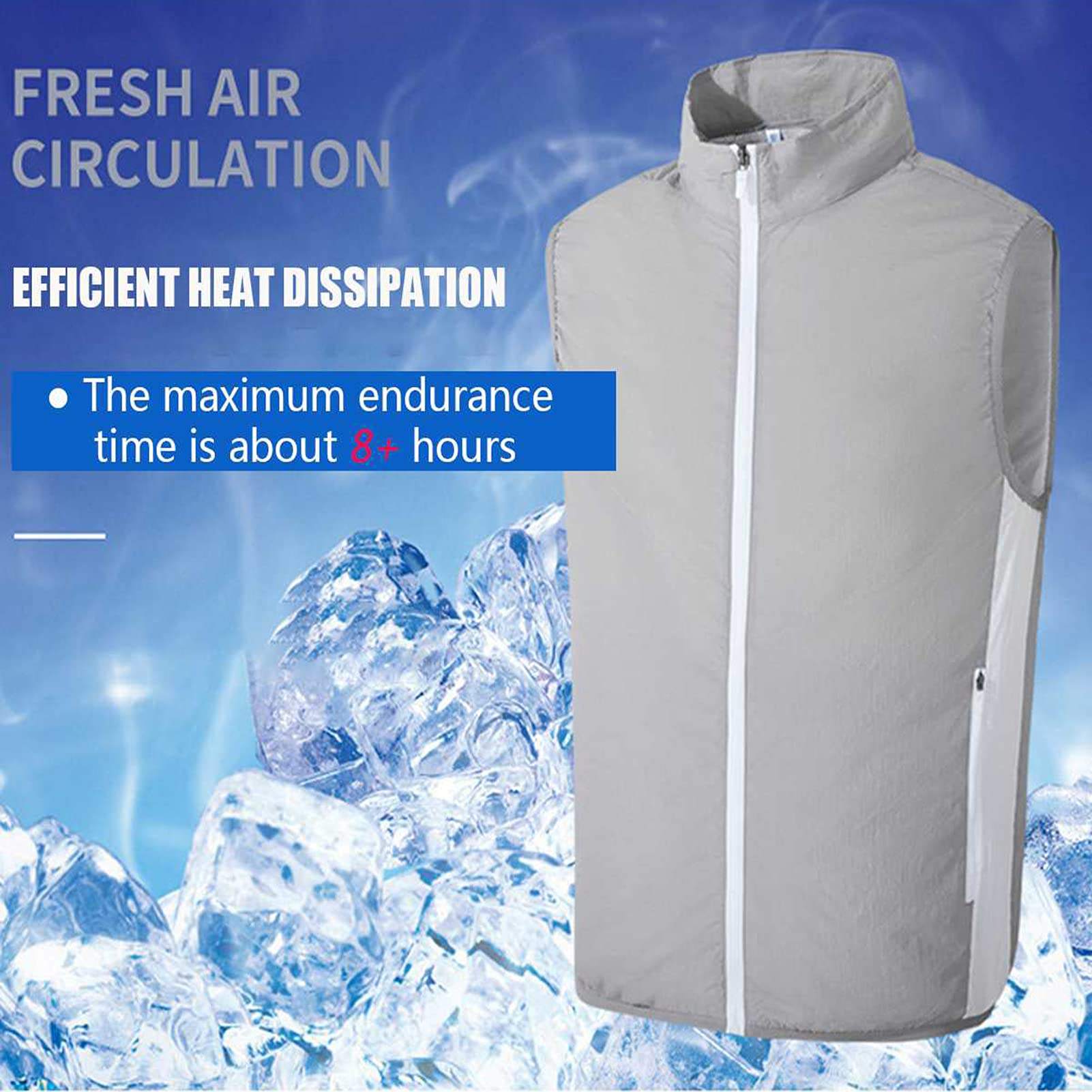
The numbers don’t lie. Chase the cheapest cooling vest supplier? You’re walking into a minefield of hidden expenses that’ll blow up your budget fast.
Here’s what the data reveals: suppliers with prices 40% or more below market rates without valid explanations wave a massive red flag. Recent analysis of 22,000 supplier records from mid-2024 shows 7% lacked basic CIPC documentation. The worse part? 60-70% of supplier data is self-reported. You’re trusting claims that nobody verified.
The Real Cost of Defective Products
Let me break down the math. Defective rates from unvetted suppliers hit 8.3% compared to just 1.1% from vetted sources. That’s a 650% increase in failure rates.
Take a 20-person crew needing full coverage at $6,000-$8,000. That 8.3% defect rate means you’ll replace units for 1-2 workers right away. But it gets worse.
Companies implemented supplier vetting. Their work interruptions from these failures dropped 73%. One manufacturing facility saw their entire production line halt. The reason? A compliance violation from an unvetted supplier. They now require vetting for all orders over $5,000. Their interruptions dropped to zero.
Hidden Costs Beyond the Unit Price
Cooling vest quality standards aren’t just industry jargon. They’re your financial shield. Suppliers skip ISO certifications, lack audited financials, or can’t provide MSDS documentation for PCM materials and fabrics? You’re gambling with safety and money.
Watch for these supplier certification requirements red flags:
– Missing or expired ISO certifications
– No client references willing to vouch for them
– Generic email domains (Gmail, Yahoo) instead of professional infrastructure
– Zero performance guarantees backing their products
The industrial cooling vest market is exploding from $420M in 2023 to a projected $710M by 2032. This growth attracts questionable players offering rock-bottom prices. They’re betting you won’t notice the corners they cut until it’s too late.
The Audit Investment That Pays Back
Yes, vetting takes 2-4 hours per new supplier. Compare that time to dealing with delivery failures exceeding 10% of orders. Or handling complaint spikes of 25%+ quarter-over-quarter. These are the standard audit triggers that signal you chose wrong.
Smart buyers establish cost control thresholds. Price deviations beyond ±2% of contracted rates require material testing per shipment. Same goes for 5% deviations from specifications. This stops cheap suppliers from substituting inferior materials after winning your business.
The bottom line? Legitimate bulk pricing discounts from verified suppliers offer 8-12% off retail for 10-24 units. You get 28-35% off for 100+ units. Someone’s beating these numbers by huge margins without clear justification? You’re looking at future problems disguised as present savings.
Supplier Quality Standards and Certifications You Must Verify
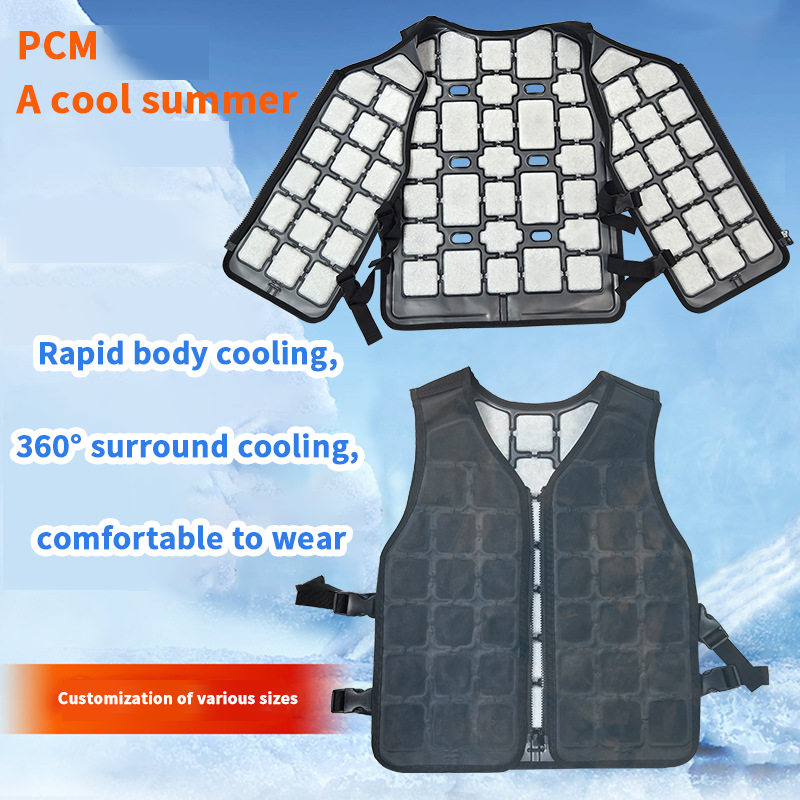
Certification fraud costs businesses billions each year. Smart procurement teams verify credentials on their own. They don’t trust supplier claims without checking.
The supplier quality audits market tells the real story. It hit $15 billion in 2025. Experts predict growth to $25 billion by 2033. Some analysts put current market size even higher at $51.62 billion. This huge investment exists for one reason: companies learned that unverified suppliers destroy value.
The ISO 9001 Foundation Nobody Should Skip
ISO 9001 is the top quality management certification across industries. It’s your baseline filter. No ISO 9001? Move to the next supplier on your list.
Here’s the catch: certificates can be faked. Verification takes three steps:
Step 1: Request the complete certificate. It should show scope, issue date, and expiry. Generic certificates without specific manufacturing process details are red flags.
Step 2: Cross-check with the issuing body. Contact UL Solutions, TÜV SÜD, Intertek, or other known certification groups. Their databases confirm real certificates within 24-48 hours.
Step 3: Verify the certification body itself. Stick with established names: QIMA, Pro QC International, HQTS, NQA, Kiwa, SRS, GUTcert, or TÜV NORD CERT. Unknown certification bodies often issue worthless paper.
Industry-Specific Requirements That Protect Your Business
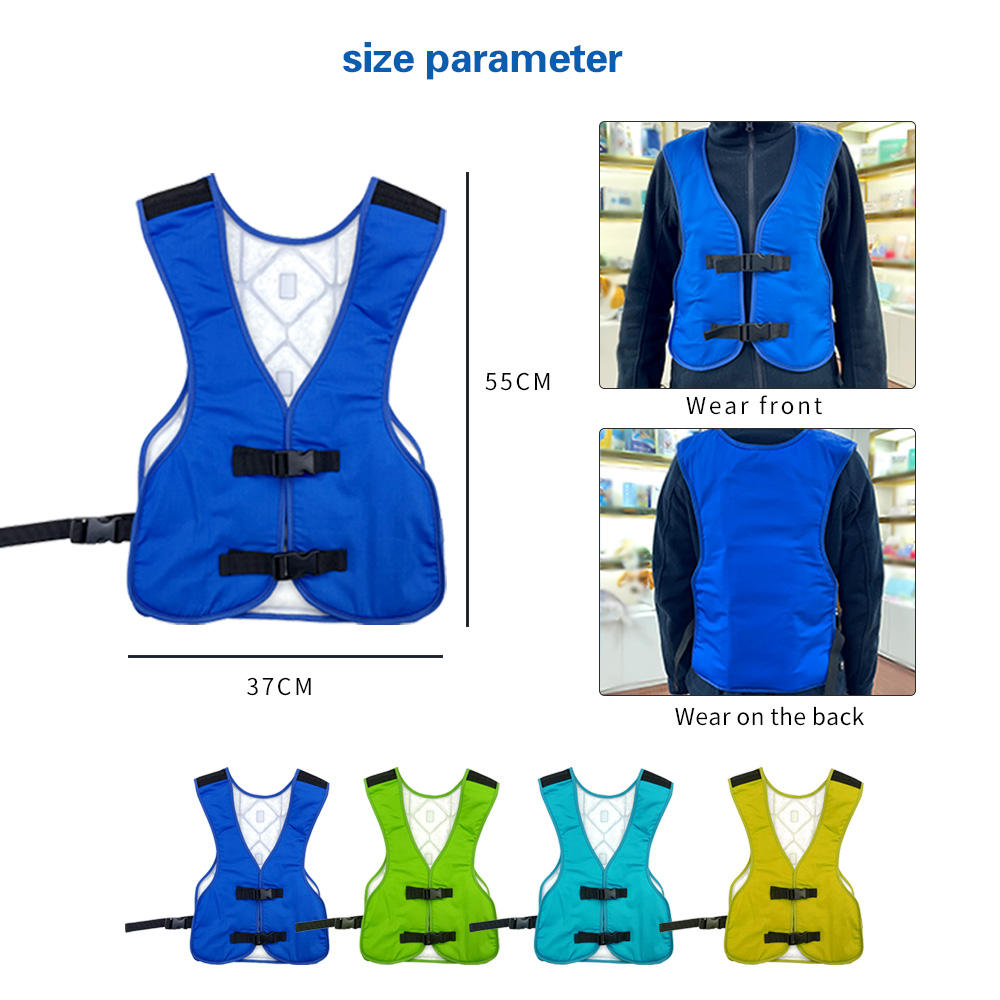
Cooling vests cross multiple industries. Each sector demands specific compliance proof:
Manufacturing environments require standard ISO 9001 coverage. Your suppliers should show quality management systems. These systems track material sourcing through final production.
Automotive applications need both ISO 9001 and IATF 16949 certifications. Automotive standards govern the entire chain. Workers in vehicle plants face unique heat exposure risks. Their cooling equipment can’t fail.
Healthcare and medical device sectors demand FDA compliance papers alongside ISO 9001. Medical pros wearing cooling vests during surgeries or emergency responses can’t tolerate equipment failure.
Electronics manufacturing creates extra requirements: REACH compliance, RoHS certification, and conflict mineral declarations. Electronic component facilities maintain strict environmental controls. Cooling vest materials must meet these standards.
The Multi-Tier Verification System That Catches What Others Miss
Top suppliers don’t just certify themselves. They verify their entire chain. This matters for cooling vest material durability and performance consistency.
Use this three-tier approach:
Tier 1 verification covers your direct supplier. You get detailed papers, complete audit trails, and specific manufacturing process certifications.
Tier 2 verification extends to component suppliers. PCM materials, fabric makers, and cooling technology providers need independent vetting. Generic certificates at this level signal weak chain control.
Tier 3 verification reaches raw material sources. Suppliers with minimal infrastructure papers create weak points. Quality drops as you move down the chain.
AI-powered platforms now automate this tracking. They create real-time risk scores based on:
– Declaration accuracy and completeness
– Response time to information requests
– Historical audit performance
– Corrective action speed
– Regulatory violation records
Set trigger alerts for suppliers scoring below your limits. Have backup sources ready.
The Red Flags Smart Buyers Never Ignore
Watch for expired certifications presented as current. Suppliers betting you won’t check dates count on procurement teams rushing decisions.
Remote audit certificates from 2020-2021 need extra scrutiny. COVID-era remote audits varied in rigor. Verify that suppliers kept certification through recent in-person audits.
Recent certifications after 2023 should include cybersecurity elements. Modern quality control processes blend digital security. Suppliers lacking this awareness operate with outdated systems.
Sustainability and ethical sourcing certifications gained importance after 2021. Their absence doesn’t disqualify suppliers. But their presence signals forward-thinking operations that anticipate rules.
The certification game changed. Investment in digital platforms and data tools for supplier management surged in 2022. Suppliers still using manual tracking systems can’t scale quality checks. They’ll struggle as your orders grow.
Production Capacity and Supply Chain Reliability Assessment

Your supplier quotes a 30-day lead time. They promise they can handle your volume. Six weeks pass. You’re still waiting. Your workers overheat on job sites. Production capacity claims without hard data? Worthless promises.
Supplier production capacity decides if they deliver or disappoint. Compare a supplier at 85% capacity use to one maxed at 98%. That’s the difference in your order guarantee. That 13-point gap splits suppliers who grow with you from those who leave you hunting for backup options mid-season.
The Numbers That Show Real Production Power
Start with OEE (Overall Equipment Effectiveness). This metric blends availability, performance, and quality into one number. Perfect OEE hits 100%: no downtime, max speed, perfect output. Reality? Top cooling vest makers run between 75-85% OEE.
Get actual OEE data from the past 12 months. Check month-by-month breakdowns. They show seasonal patterns. A supplier at 82% OEE in January drops to 61% in May? That’s a red flag during peak cooling vest demand.
Break down their OEE parts:
Availability measures uptime against total scheduled production time. Manufacturing gear faces two killers: breakdowns and changeover time. Suppliers switch between vest models. They need fast changeover processes. Anything over 45 minutes per changeover? Outdated systems.
Performance compares actual output to max speed. Take a line rated for 1,200 units per hour. It produces 950 units. That’s 79% performance. The 21% gap cuts your delivery speed.
Quality tracks first-pass yield. The standard sits at 92% for established cooling vest makers. A supplier hitting 85% first-pass yield wastes 15% of materials and time on rework. That waste flows into your supplier lead time.
Supply Chain Reliability Metrics You Can’t Skip
On-time delivery percentage shows what suppliers hide in sales meetings. Get their delivery performance data for orders matching your volume needs. A supplier nails 50-unit orders but might fail with 500-unit commitments.
Track these reliability markers:
Production backlog shows current demand pressure. Suppliers carry more than 3 weeks of backlogged orders? They can’t absorb your volume without pushing delivery dates. Ask for current backlog numbers and their normal backlog range.
MTBF (Mean Time Between Failures) shows gear reliability. Equipment fails every 200 operating hours? That creates random delays. Top facilities keep MTBF above 1,000 hours. Lower numbers mean your orders wait while they fix broken machines.
Plant uptime percentage shows operational stability. Calculate it: run time divided by total available time. Facilities at 90%+ uptime handle surprise demand spikes better than those around 75%.
Capacity Questions That Expose Weak Suppliers

Don’t just ask about minimum order quantity. Ask about max order capacity per production cycle. A supplier can do 10,000 units per month. They might already have 9,200 units committed. Your 1,500-unit order exceeds their 800-unit margin.
Test their volume flexibility. Can they scale production up 30% if your summer demand jumps? Suppliers with fixed capacity can’t adjust. You need partners who keep 15-20% reserve capacity for growth chances.
Get their capacity use calculations. The formula: actual output divided by total available capacity, times 100. Suppliers above 92% use risk quality drops and delivery fails. The sweet spot sits between 75-85% use. This leaves room for your orders without hurting quality standards.
Check their opportunity gap: max capacity minus actual output. Big gaps with weak sales? Quality or reliability problems keep customers away. Tiny gaps? Maxed-out operations can’t fit new clients.
Smart procurement teams verify these numbers through plant visits. Video tours don’t work. Physical audits show the truth behind capacity claims. The cost of verification beats failed deliveries every time.
Customization Capabilities and Technical Support Evaluation
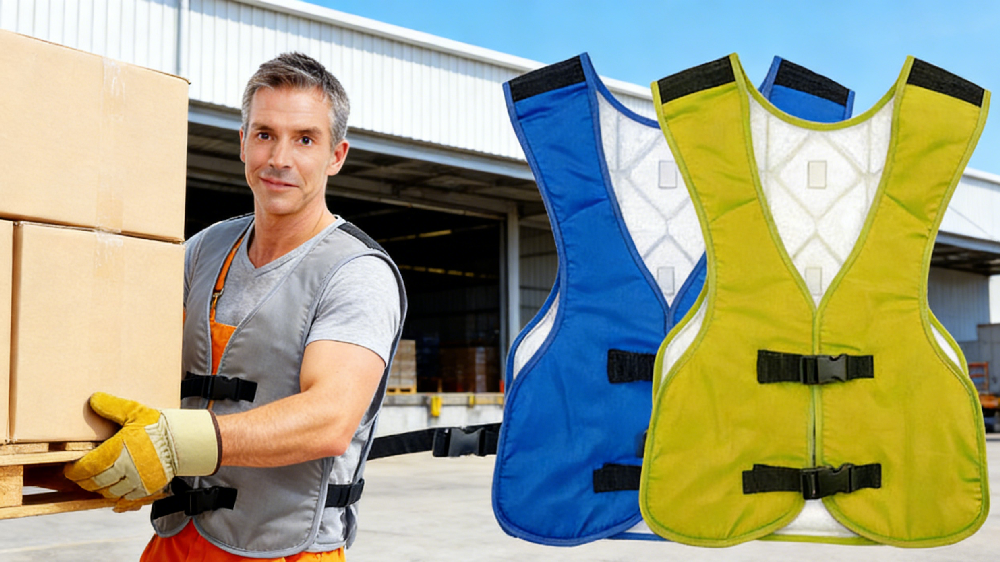
Standard cooling vests solve maybe 60% of real-world problems. The other 40%? Customization separates suppliers who get your business from order-fillers.
A logistics company needed vests for warehouse workers handling frozen goods. Workers moved between -20°F freezers and 95°F loading docks. Off-the-shelf vests failed within weeks. Their supplier redesigned the PCM formula. They adjusted activation temperatures. They reinforced seams for extreme temperature cycling. Problem solved. That’s cooling vest customization options done right.
What Real Customization Looks Like
Generic suppliers offer three sizes and two colors. Call that “customization” if you want. I don’t.
Real cooling technology comparison starts with suppliers who engineer solutions around your specific heat stress scenarios. Look for these capabilities:
PCM temperature tuning lets you set exact phase change activation points. Semiconductor clean room workers need different activation temps than construction crews. Suppliers should offer PCM options from 50°F to 75°F activation points. They should explain why each range suits specific environments.
Fabric integration choices matter for industry compliance. Food processing requires antimicrobial treatments. Oil and gas needs flame-resistant outer shells. Healthcare demands fluid-resistant barriers. Suppliers with cooling vest material durability expertise stock the right fabric options. They don’t force you to adapt your safety requirements to their inventory.
Fit customization goes beyond S-M-L sizing. Body mapping for heat-stressed zones affects cooling performance by 30-40%. So do adjustable coverage areas and weight distribution options. Suppliers should offer custom sizing based on body measurements. Don’t let them force your workers into standard patterns.
Brand integration includes your logo, color matching to safety uniforms, and compatibility with existing PPE systems. This sounds cosmetic. It’s not. Worker compliance drops 23% when cooling vests don’t match their standard gear.
The Technical Support Framework That Protects Your Investment
Your supplier delivers 500 units. Week three, workers report inconsistent cooling performance. You email support. Crickets. That’s the nightmare scenario.
Evaluate technical support using these concrete metrics:
First Contact Resolution (FCR) should hit 70% minimum for cooling vest issues. Simple problems get solved fast. Think activation instructions, storage guidelines, or minor fit adjustments. Suppliers tracking below 70% FCR waste your time with ticket ping-pong.
Average Resolution Time (ART) for product defects can’t exceed 48 hours. A vest fails during a heat wave. You need replacement units fast, not a week-long investigation. Top suppliers maintain emergency stock for critical replacements. They don’t make you wait for the next production run.
SLA compliance above 90% shows operational discipline. Get specific SLA commitments in writing:
– Response time for technical inquiries (target: 4 hours)
– Resolution timeframe for defects (target: 24-48 hours)
– Replacement unit shipping (target: same day for emergency orders)
Customer Effort Score (CES) measures support friction. How many emails to get answers? How many people do you talk to? Low-effort support systems use single-point-of-contact models. You deal with one person who owns your issue end-to-end.
Testing Their Support Before You Commit
Don’t wait until you’ve signed contracts to learn their support fails. Test them during evaluation:
Send a technical question about cooling performance testing standards at 3 PM on Friday. See if you get answers before Monday. Responsive suppliers staff support across business hours. Weak ones use support requests as lead generation, not customer service.
Ask for their quality control process documentation specific to your customization needs. Suppliers with real technical depth provide detailed SOPs. They explain testing protocols. They explain performance validation methods. They explain failure analysis procedures. Generic responses? They don’t have the infrastructure.
Request references from clients with similar customization requirements. Contact those references yourself. Ask about post-delivery support quality, not just initial product satisfaction. A supplier might nail the first order then ghost you on ongoing support.
The math proves this matters: companies with strong technical support see 35% lower total cost of ownership over three years. You pay a bit more upfront for better support infrastructure. You save multiples on that investment through faster issue resolution, lower replacement rates, and reduced worker downtime.
Choose suppliers who view customization and support as competitive advantages, not cost centers. They’re the ones still answering your calls in year two.
After-Sales Service and Warranty Terms Comparison
Warranty fine print destroys more supplier relationships than defective products. A procurement manager at a 400-employee manufacturing plant learned this the hard way. Their cooling vest supplier offered a “comprehensive 2-year warranty.” Sounded great. Then 47 units failed during a summer heat wave. The supplier denied every claim. Why? “Improper storage” – a clause buried on page 12 of the terms nobody read.
The extended warranty market exploded to $155.3 billion in 2025. Projections hit $246.4 billion by 2034. Standard protection plans grab 59.3% of revenue share. This massive growth shows one truth: companies pay big money to avoid warranty nightmares. But the warranty has to work when you need it.
What Separates Real Warranties from Legal Theater
Generic warranty statements mean nothing. “We stand behind our products” means “good luck proving we’re responsible.” Get specifics in writing before you sign.
Coverage scope needs clear definition. What failures qualify? Material defects should be covered. But what about PCM breakdown after 200 activation cycles? Seam separation under normal use? Zipper failures? Velcro wear? Suppliers who list covered failures vs. exclusions show confidence. Vague language hides future denial reasons.
Replacement vs. repair policies affect your operations. A supplier offers repairs within 10 business days. That’s two weeks your worker goes without heat protection. Top suppliers keep replacement inventory for critical failures. They ship new units within 24-48 hours. They handle repairs on their timeline, not yours.
Prorated vs. full replacement terms impact your long-term costs. Full replacement in year one drops to 50% coverage in year two? That’s a prorated warranty dressed up as full coverage. Do the math: a $120 vest with 50% year-two coverage costs you $60 for replacement after 13 months. Factor this into total cost comparisons.
The Coverage Duration Trap Nobody Mentions

Standard 1-year warranties cover your first usage season. Cooling vests get used 6-8 months per year in most industries. One year of coverage equals maybe 1.5 seasons of real use.
Push for 2-3 year warranty minimums on cooling technology components. PCM materials should keep phase-change performance for 500+ cycles. That spans multiple seasons. Fabric durability should handle 200+ wash cycles. Single-season warranties on multi-season investments create hidden replacement costs.
Compare warranty duration against actual product lifespan data. Suppliers claim 3-year vest life but offer 1-year warranties? They’re betting units fail after coverage expires. The math shows this: if products lasted 3 years, suppliers would warranty them for 2+ years minimum.
The Response Time Metrics That Matter Most
Average claim resolution time separates responsive suppliers from those playing delay tactics. Track these benchmarks:
Initial response: 24 hours maximum for claim acknowledgment. Suppliers taking 3-5 days to respond to warranty claims? They’re understaffed or don’t care about post-sale service.
Assessment completion: 48-72 hours for failure analysis. Complex cases might need longer, but clear defects should be obvious fast. A supplier needs two weeks to check if a torn seam qualifies for warranty? Run.
Resolution execution: 5-7 business days from approval to replacement delivery. Emergency situations should get expedited shipping at no extra cost. Your workers can’t wait three weeks for warranty replacement during peak heat season.
Get Service Level Agreement (SLA) commitments with penalty clauses. A supplier misses warranty response times by more than 20%? You get automatic compensation. Maybe extended warranty terms. Maybe credit toward future orders. SLAs without teeth don’t matter.
The Hidden Costs of Warranty Claims Nobody Calculates
Even “free” warranty replacements cost you money. Downtime costs while you wait for replacements hit hard. A crew of 20 workers loses productivity when 3 members lack working cooling vests. Calculate wage costs per hour times reduced output. That’s your real warranty cost.
Administrative burden from warranty claims drains resources. Filing claims, tracking status, coordinating returns, documenting failures – this takes staff time. Suppliers with streamlined digital claim portals cut this overhead by 60-70% versus email-based systems that need multiple back-and-forth exchanges.
Shipping costs for returns aren’t covered. Read the fine print. You pay return shipping on warranty claims? That’s $15-30 per unit for commercial shipping. Times that by claim volume. Budget this into your supplier comparison.
Questions That Expose Weak Warranty Programs
Ask suppliers for their warranty claim rate from the past 12 months. Industry average sits around 3-5% for quality cooling vest makers. Rates above 8% signal quality control problems. Rates below 1%? Either top quality or they deny most claims.
Request average claim approval percentage. Suppliers approving less than 75% of submitted claims use warranty denials as profit protection. Real defect claims should see 85-90% approval rates.
Get their repeat claim rate data. The same customers filing multiple warranty claims? That shows system-wide quality issues. One-time claims from different customers? Normal variation. Multiple claims from the same buyer? Product failure patterns.
The warranty game changed because 58% of Americans can’t afford unexpected $600+ repairs on vehicles alone. Think about that for industrial equipment. Your budget can’t absorb surprise cooling vest replacements mid-season. Solid warranty terms aren’t nice-to-have features. They’re financial risk tools that protect your bottom line when products fail.
Conclusion
Choosing the right cooling vest supplier isn’t a gamble. It’s a strategic decision that impacts your profits, worker safety, and brand reputation. Successful businesses don’t chase the lowest price. They validate certifications. They test production capacity. They partner with suppliers who treat quality control as essential.
Smart buyers use a documented evaluation framework. That’s what separates them from struggling ones. Use the supplier assessment checklist from this guide. Score potential partners across all critical dimensions. This includes cooling performance testing protocols and minimum order quantity flexibility. A supplier charging 15% more but delivering consistent quality and 98% on-time shipment rates saves you far more money. Compare that to one with attractive pricing but a 30% defect rate.
Your next move? Create your customized supplier scorecard this week. Schedule video factory tours with your top three candidates. Ask the tough questions about their quality control process. Request third-party test reports. Check references thoroughly.
Cooling vest suppliers who welcome this scrutiny are the partners worth having. Price is what you pay; value is what you get. In B2B procurement, that difference decides whether you’re building a resilient chain or managing constant crises.