
Summer sun turns construction sites into ovens. Your body temperature control makes the difference between finishing your shift and going home early.
Heat exhaustion does more than make you uncomfortable. It’s the top cause of preventable workplace deaths in outdoor industries. Many workers still depend on ice bandanas and hope to survive 100-degree days.
Good news: Cooling vest technology has come a long way. Those bulky, wet vests are history.
Modern cooling vests for construction workers pack serious tech. You’ll find advanced phase-change materials and rechargeable cooling systems. But picking the right one takes work. You need to cut through the marketing noise and learn what works for hauling rebar in 95-degree heat.
This guide covers the best options across all cooling technologies. We match specific vests to different construction jobs. You’ll see what to look for so your money buys real heat relief—not just an expensive sweat rag.
Cooling Vest Tech for Construction Workers

Three main cooling systems dominate construction sites: evaporative cooling, phase-change materials (PCM), and battery-powered active systems. Each one works in its own way. Each brings different benefits to the job.
Evaporative cooling vests use water-soaked fabric or polymer crystals. They cool through moisture evaporation. Soak them in water for 5-10 minutes. They give relief for 2-4 hours based on humidity levels. These cost the least—$30-60. Dry climates? They work great. Evaporation happens fast. High humidity? They fail. The downside? You wear a wet vest all day. Some workers don’t mind. Others hate the dampness on top of their sweat.
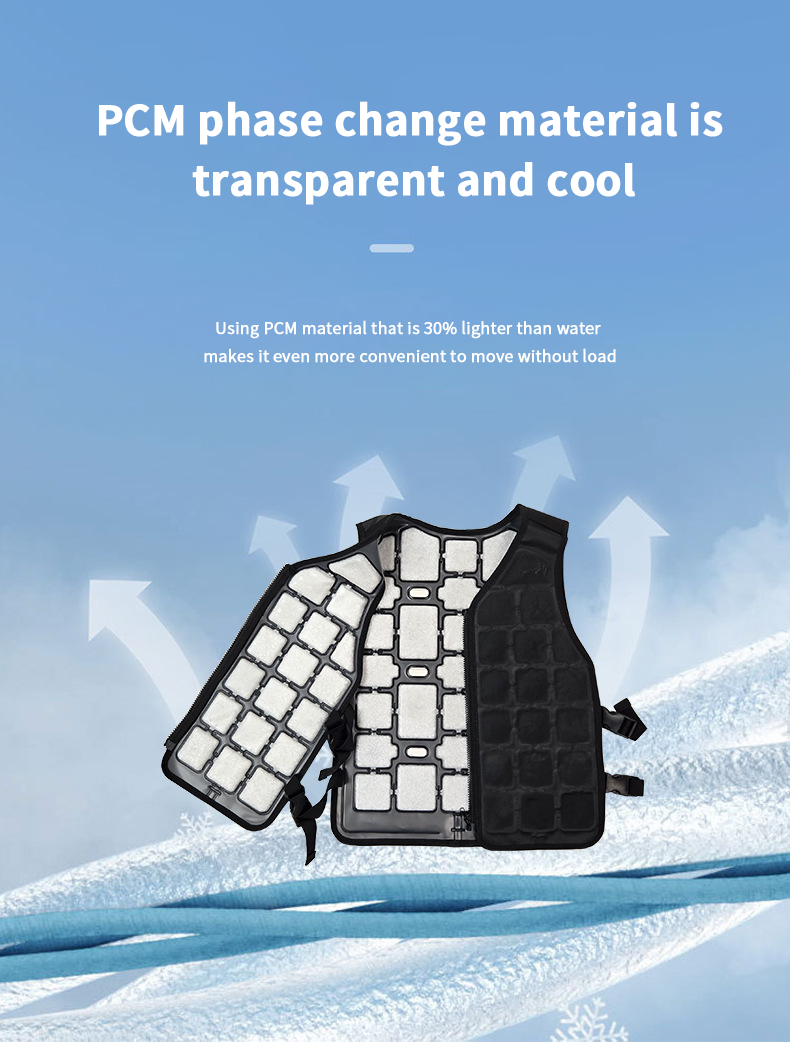
Phase-change cooling tech uses special gel packs or materials. These absorb body heat as they melt. Real-world data proves PCM vests beat gel options on construction sites. Studies tracked workers doing masonry (MET 4.3 activity level). PCM vests dropped skin temperature by 0.85°C versus standard workwear. The same research showed cooling packs need direct contact with skin. Put them over thick shirts? You waste their power.
PCM vests cool for 76 minutes on construction sites before the packs warm up. That’s the average from field studies. Real workers, not lab tests. Most construction workers (41.7%) get about an hour of solid cooling. Brutal days? You’ll swap or refreeze packs mid-shift. Price range: $80-150.
Rechargeable cooling vests run on battery-powered fans or coolant systems. The ColdVest system showed strong results. Core temperature dropped from 108°F to 104°F in just 22 minutes during heat stroke cases. These active systems weigh around 10 pounds. They run 2-6 hours per charge.
Durability matters on construction sites. Over 50% of workers in field trials had fragility problems with their vests. Five cases documented vests tearing between 3 hours and 2 months of use. Jobsites beat up gear. A vest that performs well but tears apart after a week? That’s wasted money.
Best Cooling Vests for High-Intensity Construction (Roofing, Concrete Work)
Roofing in summer means working on a griddle. Concrete pours don’t wait for clouds. These jobs push your body harder than most construction work. The heat makes everything worse.
Field data from 60 construction workers shows cooling vests cut perceived exertion by 10.9% during regular hot-weather shifts. Apply that to brutal roofing or concrete jobs. You’re talking about real stamina gains. The overall reduction across all industries hits 20.5%. But construction workers face unique challenges. This changes which vest works.
What High-Intensity Jobs Need Different
General laborers made up 16.7% of field study participants. Operators hit 18.5%. Welders, piling workers, form workers, and levelers all tested these vests too. Each role stresses the cooling system in different ways.
Concrete work involves constant bending and lifting. Precise timing matters. You can’t stop mid-pour because you’re overheating.
Roofing means climbing and carrying materials up ladders. You work on surfaces that radiate heat back at you. Your vest needs to deliver cooling while you move. Not just standing still.
Hybrid Vest B beat standard options in real construction conditions. Its cooling power hit 67 watts at the torso versus 56 watts from basic Vest A. That 11-watt difference matters. You’re hauling shingles in 95-degree heat. The secret? It combines PCM packs with active fan circulation.
The PCM element adds about 60 minutes of extra cooling beyond the base 3-hour runtime. Workers said the hybrid system kept them cool for the full time. The fans do more than blow air. They speed up evaporative cooling. Phase-change materials handle direct heat absorption.
Real Performance Under WBGT Conditions
Construction sites tested between WBGT 29–33°C (84-91°F heat index). The results showed clear differences. PCM vests dropped skin temperature more than gel vests alone (p<0.05). Heart rate also decreased (p<0.05). These aren’t just comfort improvements. They’re physical signs of reduced heat strain.
Workers rated Vest B highest for thermal comfort, usability, and fabric feel. It slowed the rate of core temperature rise during hard work. That’s the metric that prevents heat exhaustion from turning into heat stroke.
The 76-Minute Reality
Construction workers reported 76 minutes of perceived effective cooling on average. Research shows 41.7% of workers get about one hour of solid relief. Gel packs warm up after that first hour. Your perception of heat stress drops. Then it comes back.
This creates a problem for 8-hour shifts. You’ll need to swap or refreeze packs mid-day. Some sites set up coolers with backup frozen PCM inserts. Others rotate workers through cooling breaks to refresh their vests.
Management rated cooling vest effectiveness at 3.13 out of 5 for heat stroke protection in construction. That’s fair but not a miracle cure. Smart supervisors combine vests with hydration and scheduled breaks.
Durability: The Hidden Cost
Over 50% of field study participants reported fragility issues. Five construction workers documented tears from 3 hours to 2 months. One vest failed after three hours of concrete work. Another lasted two days on a roofing crew.
Jobsite conditions destroy gear. Rebar tears fabric. Rough plywood snags vests. You’re crawling, kneeling, and brushing against surfaces all day. A $150 vest that rips after a week costs more than a $60 model that lasts the season.
Look for reinforced stitching at stress points. Check for double-layer fabric in high-wear zones. Some manufacturers build construction-specific models with tougher exteriors. They weigh a bit more but survive the abuse.
Usage Patterns That Work
Just 53.7% of construction workers wear cooling vests during hot periods. That’s lower than you’d expect. Why? Discomfort from wetness. Bulk that restricts movement. Or just forgetting the vest at home.
The vests that see consistent use share common traits. They fit under or integrate with existing work gear. They don’t block tool belt access. Workers feel the cooling benefit right away.
Hybrid systems with pockets for PCM inserts let you customize cooling intensity. Use fewer packs on moderate days. Max them out during temperature spikes.
For concrete pours or roofing tear-offs—jobs where you can’t take breaks—start your shift with a fully-charged or frozen vest. The first 90 minutes are usually the hardest work time. That’s where cooling matters most. Let the vest handle heat control while you focus on the work.
Top Cooling Vests for Long Shifts and General Site Work
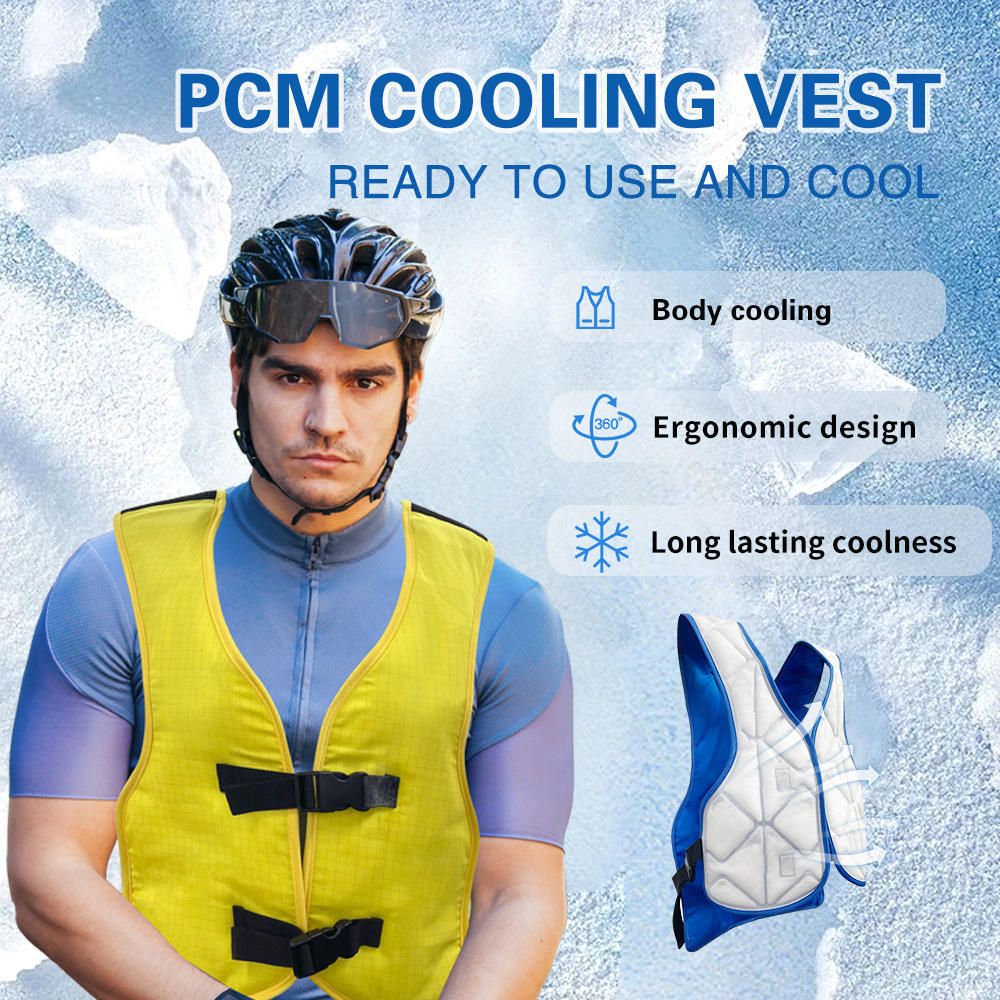
Most construction days aren’t dramatic. You’re not pouring concrete against the clock or scrambling across a roof. You’re doing steady work that eats up eight, ten, sometimes twelve hours. Framing. Installing electrical. Running pipe. Heat becomes a slow grind instead of a sudden crisis.
Long shifts need different cooling gear than quick, intense work. You need something that keeps delivering relief hour after hour. No constant fussing. The vest can’t become another task on your list.
The Sweat Math That Matters
Your body dumps 1.5 liters of sweat per hour during typical construction work. Push harder in brutal heat? That number hits 2.0 liters or more. A standard water bottle holds half a liter. You’re losing three to four bottles of fluid every hour through your skin.
PCM cooling vests cut that sweat output by 20-30% on average. Field studies at construction sites measured actual sweat production. Workers wearing PCM vests saved 0.24 liters per hour. That’s about a quarter of your canteen every sixty minutes. Over an eight-hour shift, you’re saving close to two liters of fluid. Your hydration stays better. Your body doesn’t work as hard to cool itself.
Navy personnel tested PCM vests in utility uniforms. They walked on treadmills for six hours straight. Temperature held at 111°F. All 14 vest wearers finished the full test. Just 5 of the control group lasted that long. The vests cut sweat production by 49% during those brutal conditions.
The Recovery Advantage
General site work involves rhythm. You work. You take a break. You work some more. Your fifteen-minute breaks determine how you feel at hour seven.
Cool vests used during breaks dropped skin temperature to 31.46°C versus 32.40°C without cooling. Core body temperature fell to 36.65°C compared to passive rest. Statistical analysis showed strong effects (p < 0.001). Those decimal points translate to real energy. Workers who cooled down during breaks kept lower body temperatures through the rest of their shifts.
Sprint paddling athletes tested post-exercise cooling (different work, same principle). Cool vests lowered skin temperature, urine temperature, and blood lactate levels. Plus, subjects felt more recovered. The sense of readiness increased (p < 0.01). Your brain needs to believe you’ve recovered before your body performs well.
Practical Runtime for Regular Wear
Gel pack vests handle construction heat stress well for the first hour. Workers reported lower heat strain after sixty minutes of wear. But gel packs warm up. You’ll swap them out at lunch and maybe once more mid-afternoon.
The advantage? Gel systems cost less than complex PCM or battery setups. They don’t require special freezers. Regular ice chests work fine. Many crews run coolers on site already. Toss your gel packs in during morning break. They’re ready for the afternoon push.
Hybrid Vest B delivered continuous 3-hour cooling in field conditions. Its 67-watt cooling power at the torso came from combining PCM inserts with ventilation fans. The phase-change materials provide the base cooling. The fans speed up heat loss from your skin. Together they extend runtime by about 60 minutes beyond standalone PCM vests.
Three hours covers a solid work block. Start your morning session fresh. Cool down during lunch. Start the afternoon with recharged or swapped packs. This pattern works for standard eight-hour days. No excessive maintenance.
What Doesn’t Work for Long Hauls
PCM vests fail in extreme conditions like chemical suits. The insulation from protective gear traps heat that cooling packs can’t overcome. Construction workers don’t face that scenario often. But it shows the limits. Cooling vests supplement your body’s cooling system. They don’t replace it.
One study tested PCM vests during a two-hour endurance test. Workers lasted 12 minutes longer with vests versus without. That’s a modest gain for specialized athletic performance. For construction work, the benefit isn’t finishing faster. It’s keeping consistent output over the full shift. No dangerous heat stress builds up.
Standard evaporative cooling vests work fine for general site work in dry climates. The 2-4 hour cooling window fits morning or afternoon sessions. Humidity above 60%? They lose effectiveness. Your sweat stops evaporating. The vest stays wet without providing much relief.
The Underrated Benefits
Lower sweat rates mean more than comfort. You lose less sodium and potassium through your skin. Electrolyte balance stays steadier. Muscle cramps decrease. Mental clarity holds up better in hour eight than hour three.
Workers using cooling gear during recovery periods showed 10-23% less sweat in studies tracking warm-up, stretching, and cool-down phases. Your body benefits from external cooling support even during light labor. Those break periods decide whether you finish strong or limp to quitting time.
Look at vests designed for general laborers rather than specialty uses for lightweight cooling gear that doesn’t restrict movement. You need pocket access. Tool belt compatibility. Range of motion for reaching overhead or bending low. The cooling system serves your work. Your work shouldn’t adjust to accommodate a bulky vest.
Choose cooling technology based on your site’s reality. Access to freezers or ice? PCM or gel packs make sense. Can’t recharge batteries or refreeze inserts? Evaporative systems run on water alone. Match the gear to your actual working conditions, not marketing claims.
High-Visibility Safety Cooling Vests for Compliance
Jobsite regulations don’t care how hot you feel. OSHA requires high-visibility gear near traffic and heavy equipment. Your cooling vest must meet ANSI standards. Otherwise, you can’t wear it on site. Period.
The ANSI/ISEA 107 standard splits hi-vis vests into three classes. Visibility needs determine the class. Class 1 covers off-road work—warehouses, factories, oil and gas sites. You need 217 square inches of fluorescent background material. You also need 155 square inches of retroreflective tape. Construction sites near roadways don’t use Class 1 vests. They don’t give enough visibility.
Class 2 vests are the construction industry standard. They require 755 square inches of fluorescent background. They also need 201 square inches of retroreflective material. Workers near traffic wear Class 2. Utility crews wear them too. General construction teams rely on Class 2. You stay visible in low light and bad weather. Rain, fog, dust—the retroreflective strips catch headlights. They catch equipment lights too.
Class 3 vests give maximum visibility for dangerous conditions. Highway repair crews need Class 3. Flaggers need it. Workers near high-speed traffic need it. The numbers jump to 1,240 square inches of fluorescent background. You get 310 square inches of retroreflective material. Drivers can spot you from 1,280 feet away. Class 3 vests require sleeves. This gives full 360-degree visibility. You’re working where vehicles move fast. Fast enough to kill you before the driver can react.
OSHA and State Requirements
OSHA regulations 1910.132 and 1926.100 took effect November 24, 2024. They list approved background colors: fluorescent yellow-green, orange-red, or red. Retroreflective material must meet brightness standards. Every compliant vest carries a label. The label shows ANSI/ISEA 107-2015 or 207-2011 certification.
Some states enforce tougher rules. Illinois State Police require Performance Class 2 minimum under ANSI/ISEA 207-2011 for all officers. Officers must wear these vests over raincoats and jackets. Personal vests work if they meet or beat the standard.
Combining Cooling and Compliance

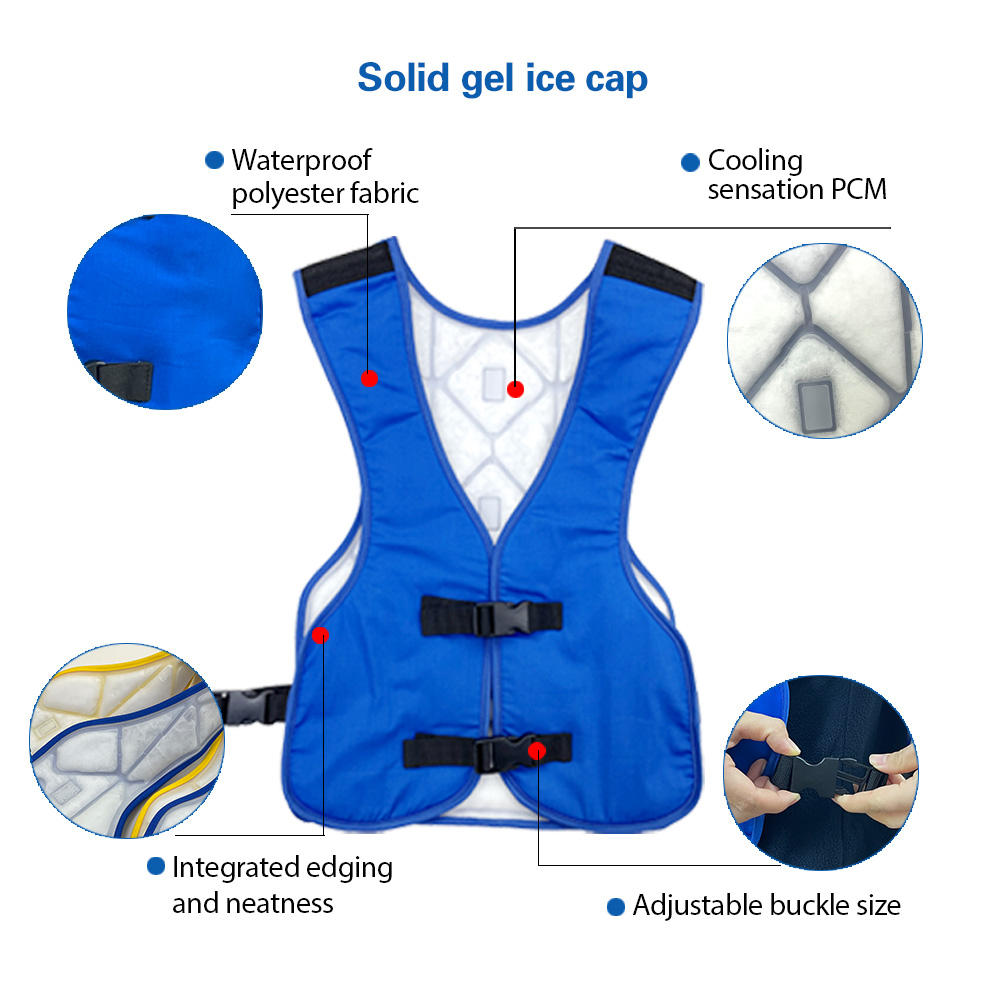
The ICEVEST HiVis model shows how cooling tech fits with safety standards. It meets Class 2, Type R requirements. You get retroreflective material and silver tape. The vest includes ICEPLATE Curve inserts. These provide cooling, heating, and hydration. Construction crews get compliance and heat relief in one piece. Utility workers get it. Emergency responders get it.
Check every vest label before buying. The tag must state ANSI/ISEA 107-2015, 107-2020, or 207-2011 compliance. No label? That vest fails inspection. Some makers print compliance data on the fabric. Others attach permanent tags. Either works. A cooling vest that keeps you comfortable but gets you sent home for safety violations? That doesn’t work.
Class 2 vest plus Class E pants gives visibility up to a quarter mile. This combo works for nighttime flagging under MUTCD standards. Your torso needs Class 2 minimum. Add high-vis pants with retroreflective strips. You’ve met the requirement for long-distance visibility.
Not all cooling vests offer hi-vis versions. Evaporative and PCM systems work great for roofing crews. But they often come in plain colors. Verify compliance before ordering. Some companies make safety-specific lines. Others skip it. Plan based on your work environment.
How to Maximize Cooling Vest Performance
Your cooling vest works harder with proper use. Most construction workers treat vests like regular safety gear—put it on and forget it. That wastes half the cooling power you paid for.
You need to understand three core metrics. Maximum cooling power (Pmax) measures watts per square meter. This tells you the vest’s peak performance. Cooling capacity (Auc) shows total energy delivered in watt-hours per square meter. This number predicts how long the vest works before it quits. Time until negligible cooling (tc) counts the minutes before cooling drops to useless levels.
Match these numbers to your actual heat load. A 200-pound roofer hauling bundles up a ladder creates different heat than an electrician running wire. Heat models help predict which vest handles which job. But field reality beats lab tests. Test your vest during typical work. Note when you stop feeling relief. That’s your real tc value.
Precooling vs. Per-Cooling Strategies
Precooling means wearing the vest before hard work starts. Lower your skin temperature during the pre-shift huddle. Your body gains extra heat storage capacity. Think of it like charging a battery before a power outage. Precooling extends high-intensity work time. Your core temperature starts lower. It takes longer to hit dangerous levels.
Per-cooling happens during the work itself. The vest pulls heat away while you’re moving. It doesn’t cool working muscles directly—blood flow keeps them warm. But it pulls heat from your torso and back. Per-cooling works better than nothing. Workers maintain output longer under heat stress above 30°C.
Construction sites above 35°C (95°F) see the biggest performance gains. Eight studies proved cooling vests cut performance loss (p < 0.05). Test time increased. Peak power output improved with strong results. Skin temperature dropped (p < 0.05). Workers reported better heat sensation, comfort, and lower effort (p < 0.05).
Core temperature didn’t change much in these studies. Your rectal temperature stays stable. That sounds bad until you understand the mechanism. The vest prevents dangerous increases in core temp. It keeps you in the safe zone longer. Heat stress causes 0.3-0.9% performance loss per degree Celsius above 10°C ambient. Exercise time matters too. About 2% loss happens in 6.5 minutes of hard work. Extend that to 30 minutes? Loss jumps to 7%. Cooling vests reduce this drop.
Deploy Based on Conditions
Humidity changes everything. Humidity below 50% lets evaporative vests work best. Studies numbered 5, 6, and 18-25 tested dry conditions. Evaporative cooling works through moisture turning to vapor. Dry air accepts that moisture fast. Cooling stays strong.
Humidity at or above 50% kills evaporative performance. Your sweat doesn’t evaporate. The vest fabric stays wet without cooling you. Switch to phase-change or hybrid systems in humid climates. PCM vests absorb heat at set temperatures. They don’t depend on air moisture. Studies 18, 20, 24, and 25 tested humid conditions. PCM vests gave steady cooling while evaporative models failed.
Use vests during peak heat stress—not all day long. Construction shifts break into segments. Heavy work periods alternate with lighter tasks. Use cooling during concrete pours, material hauls, and exposed roof work. Save battery power or PCM capacity for critical times. During breaks, remove the vest. Let it breathe. This extends cooling life.
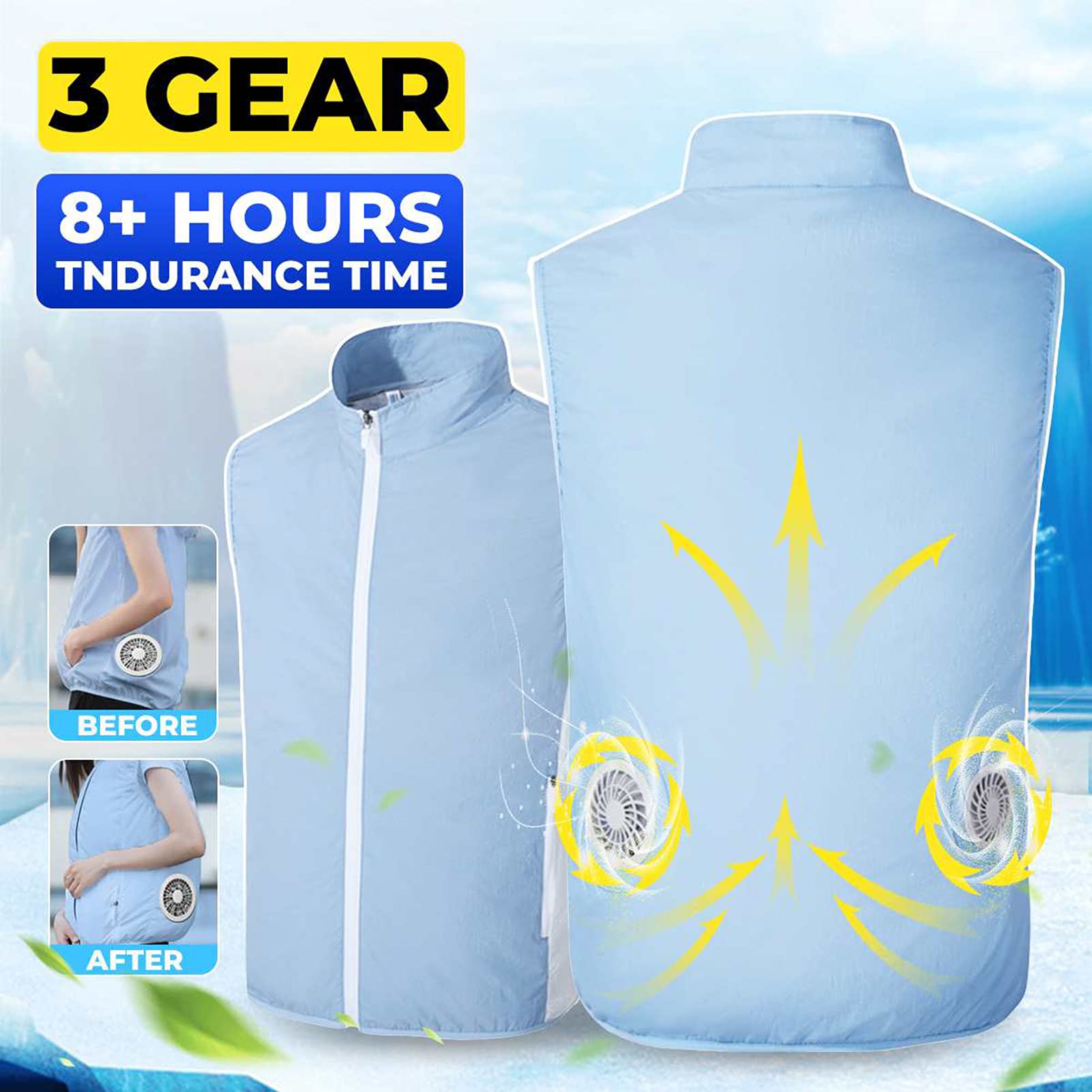
Polyester vests offer toughness and moisture-wicking. Nylon models give lightweight heat release. Some hybrid designs combine both fabrics. Outer polyester shell resists jobsite damage. Inner nylon layer wicks sweat and spreads coolant effect. Control cooling levels with adjustable settings. Max out cooling during brutal afternoon heat. Dial it back during cooler morning hours.
Safety and OSHA Compliance for Heat Stress Prevention
Federal regulations are catching up to what construction workers know: heat kills. OSHA’s proposed Heat Injury and Illness Prevention Standard sits in rulemaking as of 2026. No federal heat standard exists yet. The proposed rule sets clear benchmarks that smart contractors follow.
The Initial Heat Trigger kicks in at a heat index of 80°F (26°C) or WBGT matching NIOSH’s Recommended Alert Limit. This isn’t extreme heat. It’s a typical June morning in most of the country. At this point, OSHA requires employers to check heat risks and put basic protections in place.
Temperatures climb to the High Heat Trigger—a heat index of 90°F or WBGT at NIOSH’s Recommended Exposure Limit. The requirements get tougher. Workers must get paid 15-minute rest breaks every two hours. That’s minimum. Brutal conditions need more breaks.
The Heat Injury Prevention Plan You Need
Every worksite must create a written Heat Injury and Illness Prevention Plan (HIIPP). This isn’t red tape. It’s a documented system. It covers monitoring, prevention, getting workers used to heat, emergency response, and training. The plan must include non-management employees—the people doing the work. It must be in workers’ primary languages. A plan management reads in English doesn’t protect your Spanish-speaking crew.
Required elements at the Initial Trigger (≥80°F):
– Cool drinking water: At least 1 quart per employee per hour. Not warm water from a hose. Cool water workers will drink.
– Shade or climate-controlled rest areas: Outdoor sites need shade. Indoor sites need AC, better air movement, or de-humidification.
– Getting workers used to heat: New workers and those coming back after time off need slow exposure during their first week.
– Paid rest breaks: Workers take them as needed. Not based on the schedule.
Additional requirements at ≥90°F:
– Check all workers for heat illness symptoms.
– Fan limits: Fans stop helping above 90°F. They blow hot air that makes heat stress worse. Switch to evaporative cooling or move workers to climate-controlled areas.
– PPE heat burden check: Cooling vests, respirators, fall protection harnesses—they all trap heat. Check the combined load and adjust work-rest cycles.
Monitoring That Works
OSHA prefers on-site WBGT measurement over heat index forecasts. WBGT accounts for humidity, wind speed, workload intensity, and PPE heat burden. A weather app can’t do that. Invest in a WBGT meter for active jobsites. They cost $200-500. That’s cheaper than one heat stroke lawsuit.
Getting workers used to heat matters more than most supervisors think. Don’t throw new hires into full-day concrete pours during their first week. Build exposure slowly—20% workload increase per day over seven days. Returning workers need similar steps after vacations or medical leave. Their bodies lost heat adaptation during time off.
Cal/OSHA Sets the Standard
California’s rules (T8CCR 3395 for outdoor work, 3396 for indoor) give the clearest path to follow. Outdoor sites trigger requirements at ≥80°F. Indoor sites start at ≥82°F. Both require clean drinking water, shade or cool-down areas, and scheduled rest periods. California adds High-Heat Procedures at ≥95°F for outdoor work.
The OSHA National Emphasis Program runs through April 8, 2026. Inspectors target heat hazards. Violations carry serious fines. But the real cost is human. Construction workers died from heat stress. Cooling vests plus proper hydration and breaks would have saved them.
Effective controls stack:
– Hydration at 1 quart per hour minimum
– Shaded or air-conditioned rest areas
– Cooling vests during hard work periods
– Two-way communication so workers can report symptoms without fear
– Training on heat illness signs
Train every worker to spot symptoms. Heat rash and cramps are warnings. Heat exhaustion shows through heavy sweating, weakness, nausea, and confusion. Heat stroke is the emergency: no sweating, hot dry skin, unconsciousness. Cool the victim right away. Call 911. Minutes decide survival.
Your cooling vest strategy fits this framework. Vests don’t replace water or breaks. They extend safe work time between required rest periods. They cut heat stress during unavoidable exposure. Combined with water, shade, and monitoring, cooling vests help you meet OSHA’s proposed standards. They keep workers productive and alive.
Common Questions About Construction Cooling Vests
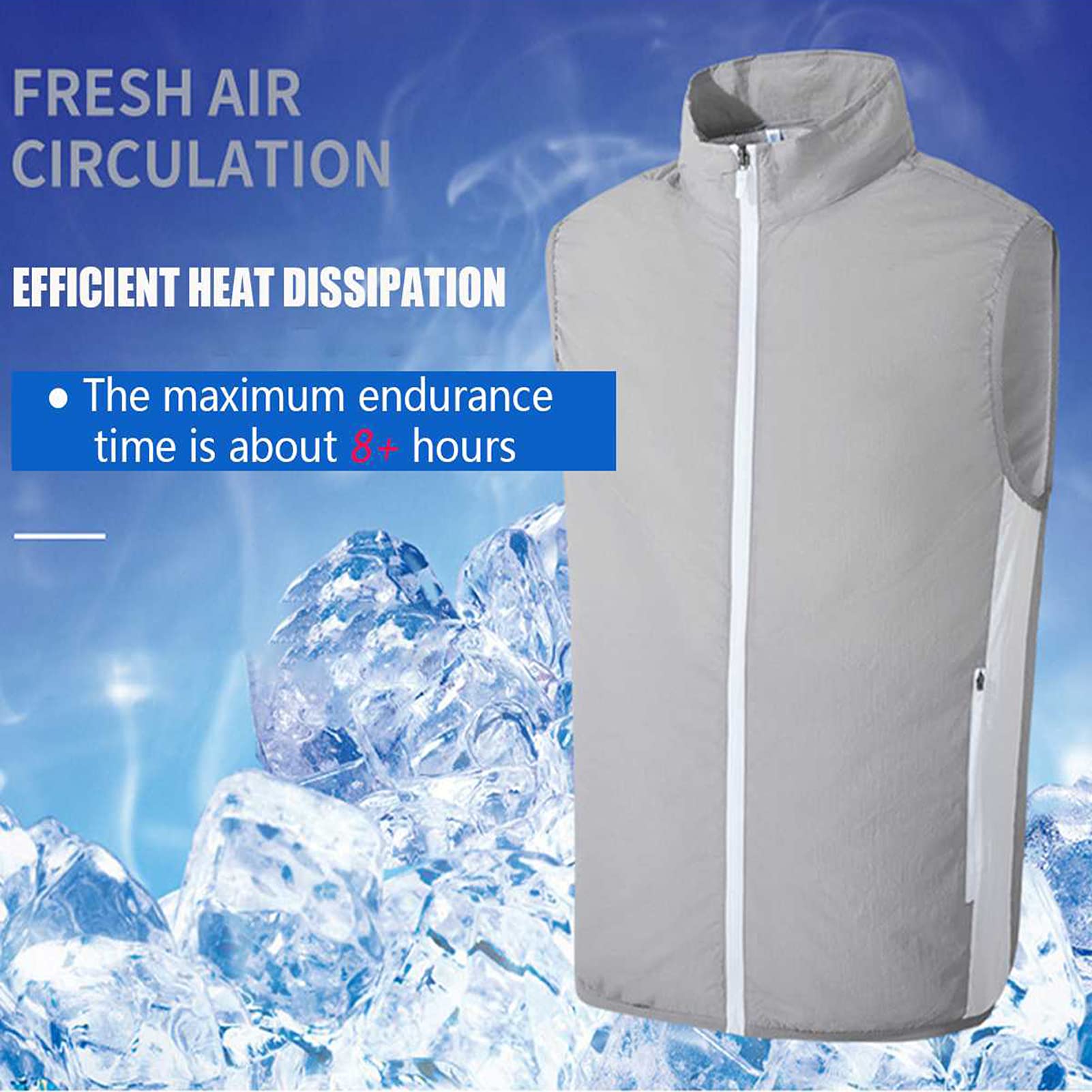
Construction workers ask the same questions before buying cooling vests. The answers separate gear that works from gear that wastes money.
How Long Does a Cooling Vest Last During My Shift?
PCM vests deliver peak cooling while the material changes phase—melting from solid to liquid. This process absorbs your body heat. The packs melt through. Cooling power drops fast at that point. Replace or refreeze them.
Field data shows 60 minutes of added cooling beyond the base runtime with PCM materials. Hybrid systems combining PCM with fans extend this to three hours of useful relief. After that, you’re wearing warm packs that do nothing.
Gel packs cool well for the first hour. Performance fades after that. Swap them during your lunch break. Your shift runs longer than four hours? Carry backup packs in a cooler.
Do Cooling Vests Cut Down on How Much I Sweat?
Yes. PCM vests reduce sweat output by 20-30% on average. A construction study measured workers saving 0.24 liters per hour. That’s about a quarter of your water bottle. Over eight hours, that’s close to two liters of fluid your body doesn’t dump through your skin.
Extreme heat tests showed even bigger drops. Workers at 111°F cut sweat by 49% during six-hour walking tests. At 134°F, sweat production fell 38%. Firefighters wearing cooling vests under their gear reduced sweat by 20%. They drank 0.352 liters less water during training exercises.
Less sweat means better electrolyte balance. You get fewer cramps. Your energy stays steadier through the full shift.
Can a Cooling Vest Stop Heat Stroke?
Cooling vests lower heat stress. They don’t make you invincible. Tests show they reduce heart rate variability and perceived heat load. Your body works less hard to cool itself. This prevents dangerous core temperature spikes.
The ColdVest emergency system proved its worth in heat stroke cases. It dropped core temperature from 108°F to 104°F in just 22 minutes. The system weighs under 10 pounds and deploys in less than 30 minutes. No ice or electricity needed.
Don’t confuse emergency cooling with prevention. Regular cooling vests help you avoid heat exhaustion. They extend safe work time. They’re not medical devices. You still need water, breaks, and common sense.
Where Do Cooling Vests Stop Working?
Extreme conditions break the limits. PCM vests failed during tests. These combined steep treadmill work with box lifting while wearing chemical suits. The body heat plus total insulation overwhelmed the cooling capacity. Workers gained just 12 extra minutes of endurance in two-hour high-heat tests under those conditions.
Construction work doesn’t hit that extreme often. But it shows the boundaries. Cooling vests support your body’s natural cooling system. They don’t replace it. You push past your physical limits with poor hydration and no breaks? The vest won’t save you.
Do Cooling Vests Help During Warmup or Recovery?
Studies tracking warmup, stretching, and cool-down periods showed 10-23% less sweat with cooling gear. The vests also helped athletes sustain runs at 95% VO2 max longer during recovery phases.
Your break periods matter as much as work periods. Use cooling during rest. Your body temperature drops faster. You return to work with more capacity to handle the next heat load. Smart crews rotate workers through cooling breaks. This maximizes vest performance across the whole team.
Conclusion
Hot days turn job sites into ovens. The right cooling vest keeps you safe, alert, and productive. Pouring concrete in Phoenix? Framing roofs in Houston? You have options. Evaporative cooling vests work great for budget-conscious teams. Phase-change technology gives sustained relief. Rechargeable systems offer maximum convenience. Pick the wrong one and you might quit before the day ends.
So what is the best cooling vest for construction workers? It depends on your trade, shift length, and site conditions. High-intensity crews need strong cooling. All-day workers need vests that last. Safety-focused sites require high-visibility features. Here’s what you need to know: heat stress doesn’t warn you first. It sneaks up on you. Your judgment gets foggy. You don’t realize you’re in trouble until it’s too late.
Don’t wait for someone on your crew to collapse. Test a vest that fits your work type. Follow the activation steps we’ve outlined. Make heat prevention as regular as your morning safety briefing. Your body will thank you. Your productivity will too.
Now get out there and beat the heat.