
You toss your cooling towel into your gym bag after a sweaty workout. Three days later, a musty smell hits you hard. Sound familiar?
Most cooling towel owners learn this the hard way: these performance fabrics need different storage than regular towels. Store them wrong? You’ll deal with mold, bad odors, or that stiff texture that won’t reactivate.
The good news? Proper cooling towel storage is simple. You just need to understand how evaporative cooling materials work.
This guide covers microfiber, PVA, and bamboo blends. You’ll learn how to store your cooling towel after each use. We break down the post-workout routine and long-term storage methods. These tips keep your towel working great for years.
Plus, you’ll see why “sealed container” storage might be ruining your towel. Simple tricks here prevent problems before they start.
Know Your Cooling Towel Before You Store It
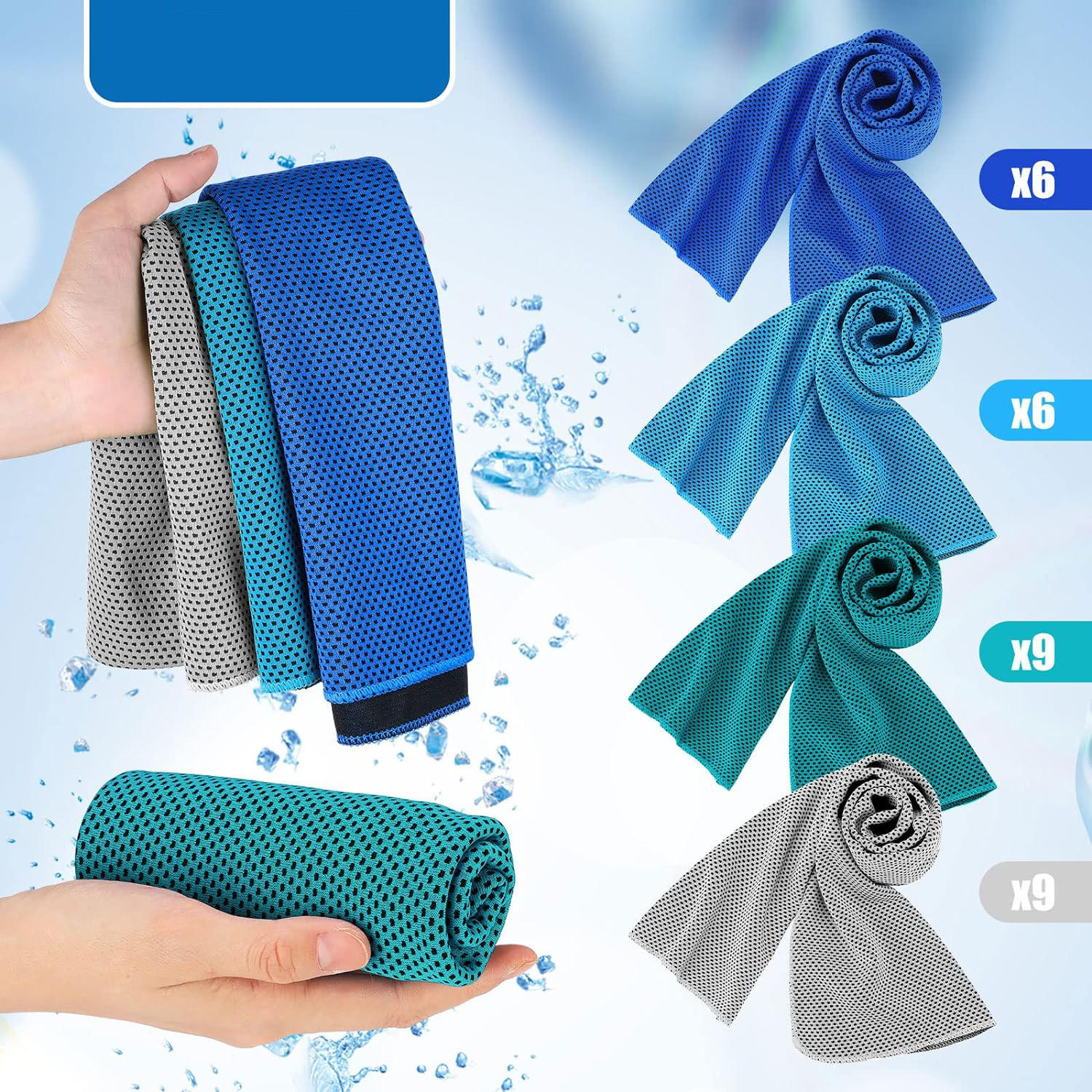
Your cooling towel isn’t magic—it’s science in fabric form. The material decides how you store it.
Three main types fill the market:
PVA (Polyvinyl Alcohol) towels like Cold Snap™ use super-absorbent polymer tech. They trap water molecules inside the material. Wet ones stay cold for hours as water evaporates. But here’s the catch: they turn rock-hard when fully dry. This isn’t damage—it’s normal. Soak them in water for 30+ seconds to bring them back.
Microfiber cooling towels use tightly woven synthetic fibers. They absorb less water than PVA. They dry faster though. High surface area gives them cooling power. These stay flexible when dry. Storage is easier.
Bamboo blend towels mix natural fibers with synthetics. They’re softer and more breathable. They handle moisture in their own way—less absorbent but they fight bacteria on their own.
Each material reacts to storage in its own way. PVA hates heat and direct sunlight—both break down the polymer structure. Microfiber handles more but still needs air flow. Bamboo blends fight mildew better but shouldn’t stay damp for long.
You need to know your towel’s material. This knowledge shapes every storage choice you make.
Store Your Cooling Towel Right After Use (Within 24 Hours)
Your cooling towel’s freshness depends on what you do in the next few hours. Quick action keeps it fresh. Delay? You get bacteria growth.
Follow this post-workout routine:
Step 1: Rinse right away. Hold your towel under cool running water for 15-30 seconds. This washes out sweat, salt, and body oils. Skip this step? Those compounds settle in the fibers and feed bacteria. Your towel will smell bad within hours.
Step 2: Wring it out—hard. Twist the towel until almost no water drips. Standing water leads to mold. PVA towels need extra wringing because they soak up more moisture. Microfiber releases water faster but still needs a firm squeeze.
Step 3: Hang it open. Spread your towel over a shower rod, door hook, or drying rack. Air must reach both sides. Folding it traps moisture between layers. A bunched-up towel in your gym bag? That’s where mildew grows.
Your towel needs airflow for the first 24 hours. Room temperature works fine—between 68-75°F is best. Keep it out of direct sunlight though. UV rays damage PVA materials and fade microfiber colors over time.
Never seal a damp cooling towel. No plastic bags. No closed containers. No zippered pouches. Trapped moisture creates a perfect breeding ground: warm, dark, humid. Bacteria grows fast there.
Most towels dry within 4-6 hours with good air flow. Touch the center—if it feels cool or damp, wait longer. PVA towels take more time, sometimes up to 8 hours, because they absorb more water.
The travel exception: Used your towel away from home? Pack it in a mesh bag—not plastic. Get it home and hang it within 3-4 hours max. This short window stops odors from building up during quick trips.
Long-Term Storage Methods (More Than 3 Days)
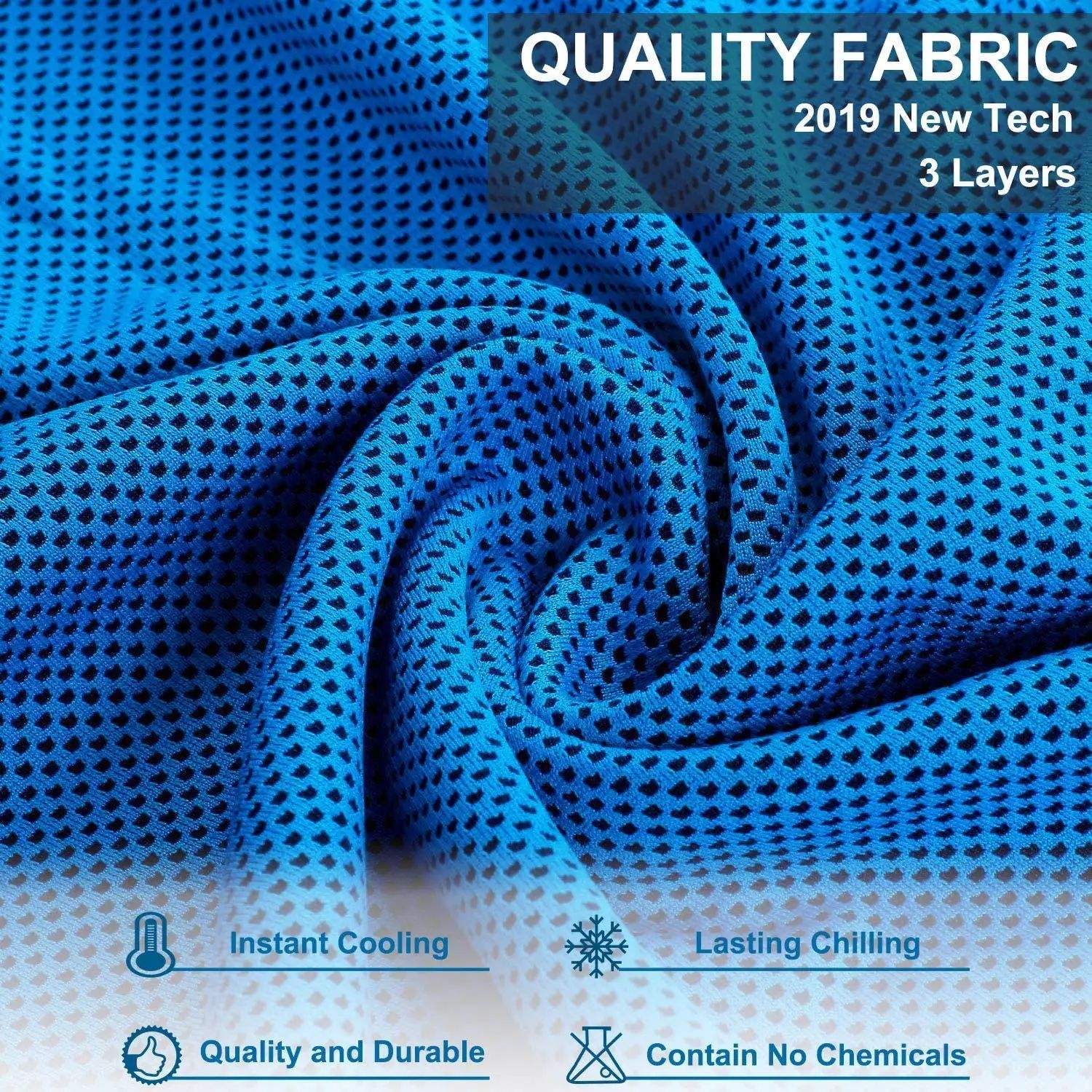
A stored cooling towel can last for years. But most people miss their storage mistakes until the towel won’t reactivate or smells bad after weeks in the closet.
Long-term storage needs a dry towel. No exceptions. Any leftover moisture—even a damp center—causes mold growth over time. Test your towel by pressing it against your cheek. It should feel room temperature, not cool. Cool means moisture is still there.
The container choice matters more than you think.
Breathable storage beats airtight. Your cooling towel needs gentle air flow during long-term storage. A cotton drawstring bag works great. So does a mesh laundry bag or a cloth pouch. These materials let moisture escape while keeping dust away.
Avoid plastic bins or zippered pouches for long storage. They trap humidity. One user stored a PVA towel in a sealed container for two months. The towel came out stiff and covered in black spots. Ruined, despite being “dry” at storage time.
Location affects your towel’s shelf life.
Store your cooling towel in a cool, dry space away from direct sunlight. A linen closet works well. A bedroom drawer does too. Skip bathrooms—shower humidity creates moisture problems even in closed containers. Basements and garages shift between hot and cold. This breaks down the material over time.
Stable temperatures extend your towel’s performance. Aim for 60-75°F. Heat above 85°F damages PVA polymer bonds. Cold below 40°F can make microfiber brittle.
Special storage rules for different materials:
PVA cooling towels should be stored dry and hardened for long periods. Some users panic when these towels turn stiff. But this protects the material. Store flat or rolled loose. Never fold a hard PVA towel sharp. The creases can crack the material. Place it in a breathable bag and lay it on a shelf.
Microfiber cooling towels stay flexible when dry. Fold them neat or roll them loose. Stack them like regular linens. They handle storage pressure better than PVA but still need air flow to prevent musty smells.
Bamboo blend towels prefer loose storage. The natural fibers need breathing room. Roll them instead of folding to prevent creases. Their germ-fighting properties help. But moisture still causes problems over time.
Check your stored towels every 4-6 weeks. Pull them out. Unfold them. Look for discoloration. Smell for mustiness. Feel for texture changes. Catching problems saves your money.
One simple habit extends cooling towel shelf life: air them out every three months. Even during off-season storage, hang your towels for 2-3 hours every few months. This releases moisture from humidity changes.
Your cooling towel can outlast most gym equipment with proper long-term care. The effort takes minutes but saves you from buying new towels every season.
Refrigerator vs Room Temperature Storage

Some users stuff cooling towels into the fridge. They think cold equals better storage. Wrong.
Your fridge doesn’t help cooling towel storage. These towels work through evaporation, not cold temperatures. Fridge air stays humid. Moisture collects inside the fabric. Average domestic fridges run at 5.17°C. Half of them operate above 6°C. This temperature range won’t dry your towel. It just keeps it damp in a tight space.
The humidity problem gets worse. Food items release moisture. Your towel soaks it up. Pull out a “stored” towel after a week in the fridge? It feels clammy. The cooling effect you want during workouts comes from water evaporation. Cold fabric touching your skin doesn’t create that effect.
Freezer storage causes damage. Temperatures below -16.7°C turn moisture into ice crystals. These crystals expand. They tear microfiber weaves. PVA materials become brittle. One freeze-thaw cycle weakens the material. Repeat this? Your towel develops thin spots. It loses the ability to absorb water.
Room temperature wins for dry storage. Keep your dried towel in a drawer or closet between 60-75°F. No moisture. No bacteria growth. No material damage. The towel stays ready to use—just wet it and shake it out.
Save your fridge space for food. Your cooling towel belongs in the linen closet.
Solving Mold, Odor, and Stiffness Problems
Mold shows up without warning. You grab your cooling towel from storage. That earthy, damp smell hits your nose before you even unfold it. Black spots dot the surface. The fabric feels wrong—slimy or stiff in patches.
Catch problems fast to save your towel. Most damage happens within 24-48 hours of moisture exposure. Check your stored towels every few weeks. Look for these warning signs:
-
Dark spots or patches (black, green, or gray color changes)
-
Musty or earthy smell as you open the storage container
-
Slimy texture on the fabric
-
Odd stiffness in certain areas (different from normal PVA hardening)
-
White powdery residue on the surface
For mild odor without visible mold: Your towel absorbed moisture from humid storage. Wash it in hot water (120-140°F) with a cup of white vinegar. Skip fabric softener—it traps odors. Hang it to dry in direct sunlight for 2-3 hours. UV rays kill odor-causing bacteria.
For visible mold growth: Don’t try to save it. Mold creates tiny roots that dig deep into fibers. Washing removes surface growth. Hidden spores stay behind. These come back to life with moisture. The health risk isn’t worth $15-30 for a new towel. Mold exposure causes breathing problems if you’re part of the 10% with mold allergies.
Stiffness fixes depend on your towel type. PVA towels harden as they dry—this is normal. Soak them in room-temperature water for 60 seconds. They’ll soften right up. But stiffness with a chemical smell or brittleness that won’t soften? The material broke down from heat or sun exposure. Time for replacement.
Microfiber stiffness comes from detergent buildup most of the time. Wash with plain water only—no soap. Rinse three times. Air dry. The texture should return to normal.
Prevention stops 98% of storage problems. Dry your towel all the way before storage. Feel the center—it should be room temperature, not cool. Store in breathable containers. Check stored towels once a month. These simple steps keep your cooling towel fresh for years.
Cleaning Before Storage: Best Practices
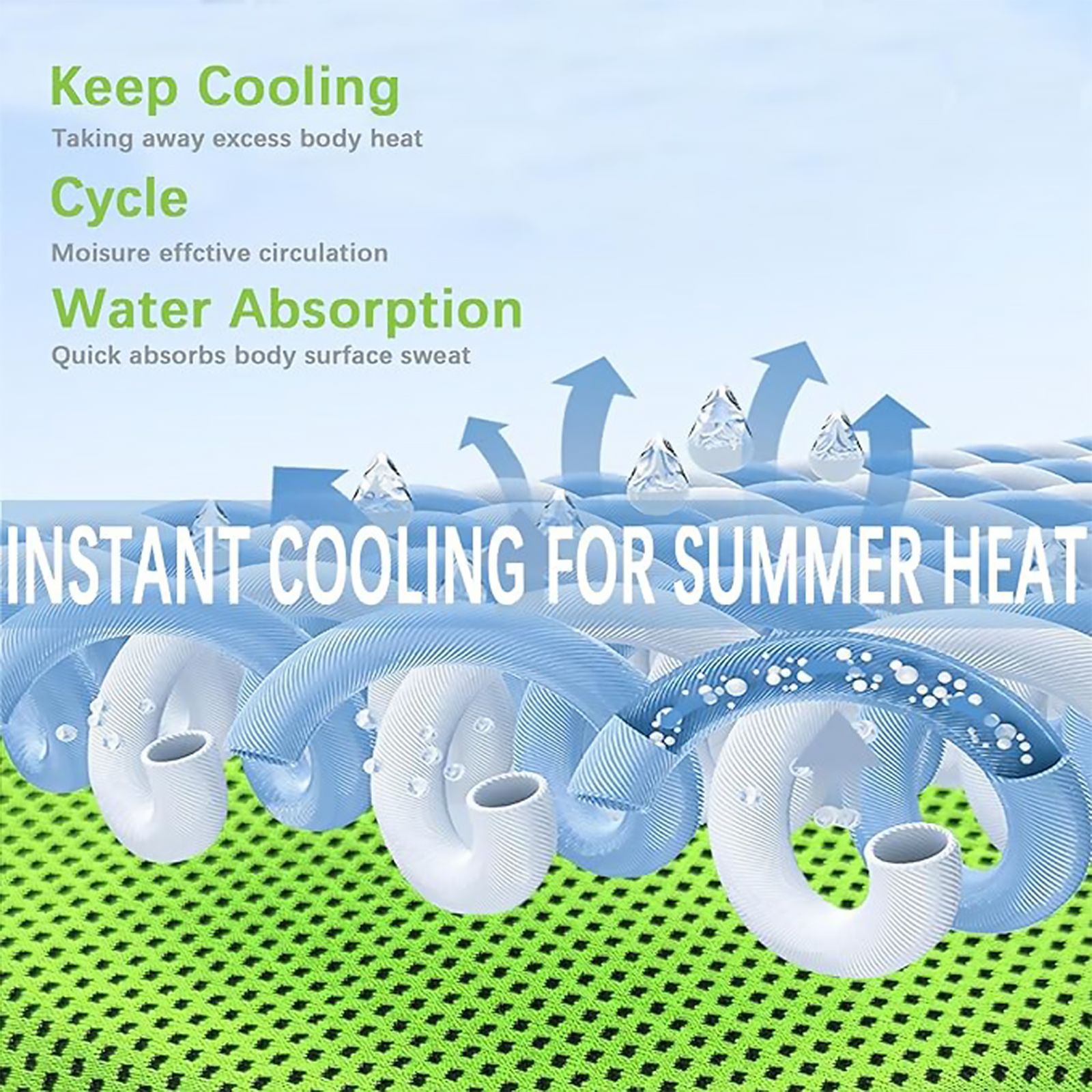
A clean cooling towel stores better than a dirty one. That’s chemistry, not opinion.
Body oils, sweat, and sunscreen stick to cooling towel fibers during use. Leave them there? They break down over time. The fabric turns yellow. Odors set in deep. Worse, these compounds feed bacteria during storage. Invisible grime turns into a hygiene problem.
Wash your cooling towel before storing it for more than one week. This simple rule prevents 90% of storage failures.
The washing method depends on your material type.
For microfiber cooling towels: Machine wash on warm (not hot—keep it under 105°F). Hot water harms the synthetic fibers. It also cuts down absorbency over time. Use a small amount of mild detergent—about half what you’d use for regular laundry. Skip fabric softener. It coats the fibers and kills the cooling effect. Rinse twice to remove all detergent traces. Leftover soap attracts dirt. It also creates that stiff, waxy texture nobody wants.
For PVA cooling towels: Hand washing works best. Fill a basin with cool water. Add one teaspoon of gentle soap. Submerge the towel and squeeze the soapy water through it 10-15 times. Don’t twist or wring hard—PVA materials tear easily while wet. Rinse under running water until the water runs clear. No soap bubbles should appear. This takes 3-4 rinses.
For bamboo blend towels: Machine wash on cold with earth-friendly detergent. These natural fibers wash like regular clothes. Use a mesh laundry bag to protect them from rough machine action. Air dry only—never use a dryer. Heat shrinks bamboo fibers. It ruins the towel’s shape.
Deep cleaning for stubborn odors: Mix one part white vinegar with four parts water. Soak the towel for 30 minutes. Vinegar breaks down bacteria. It also kills odor trapped in the fabric. Rinse well—three times minimum. Any vinegar smell goes away during drying.
Inspect while wet. This is your best chance to spot problems. Look for thin spots, small tears, or areas where the fabric pulls apart. Check seams for loose stitching. A damaged towel won’t get better in storage. Fix small issues now or replace the towel before storing it for months.
Dry the towel fully before storage—we covered that earlier. But here’s what most people miss: the drying area after washing matters just as much as the storage spot. Hang your washed towel in a space with good airflow. Keep it away from cooking fumes, smoke, or strong odors. Fabric soaks up smells from the air while drying. Dry it near the kitchen? Your cooling towel will smell like last night’s dinner.
A well-cleaned cooling towel starts storage with zero bacteria. No food source for germs. No chemical residues breaking down the material. Just clean, ready-to-use fabric waiting for your next workout.
Travel and Portable Storage Solutions
Your cooling towel lives in your gym bag, backpack, or suitcase. Travel tests your storage skills more than home routines.
The mesh bag trick solves most travel problems. Pack a mesh drawstring bag for your cooling towel. Not plastic ziplock—mesh. This pouch costs $3-5. It stops moisture from getting trapped. Wring out your used towel hard. Toss it inside. The mesh lets air move even inside your packed luggage. Your towel stays fresh during the 2-8 hours before you get home.
Hanging options matter during travel. Hotel bathrooms work great. Use the shower curtain rod or towel rack. Rental apartments? Command hooks stick to smooth surfaces. They peel off clean. Camping? Tie paracord between trees. Drape your towel over it. Airflow beats everything—even on short trips.
Multi-day trips? Pack a small clothesline. The pull-out ones take up less space than a deck of cards. String it in your hotel room. Your towel dries overnight. It won’t hog bathroom fixtures. This $8 tool has saved many towels from the “stuffed wet in a suitcase” fate.
TSA-friendly containers work for dry towels. Those clear quart bags? Fine for a damp towel you’ll use within hours. But never seal a wet towel for flight delays. Airport climate control runs dry. Your sealed bag turns into a bacteria farm.
Car storage needs attention. Summer heat turns your vehicle into an oven. Temperatures hit 130-170°F inside parked cars. This heat breaks down PVA materials. It warps microfiber structure. Never leave wet OR dry cooling towels in hot cars for more than 30 minutes. Trunk storage in winter works better. Cold keeps the material good. No moisture problems like refrigeration causes.
Quick trips need quick thinking. But the rule stays the same: airflow stops problems.
Storage by Cooling Towel Material Type
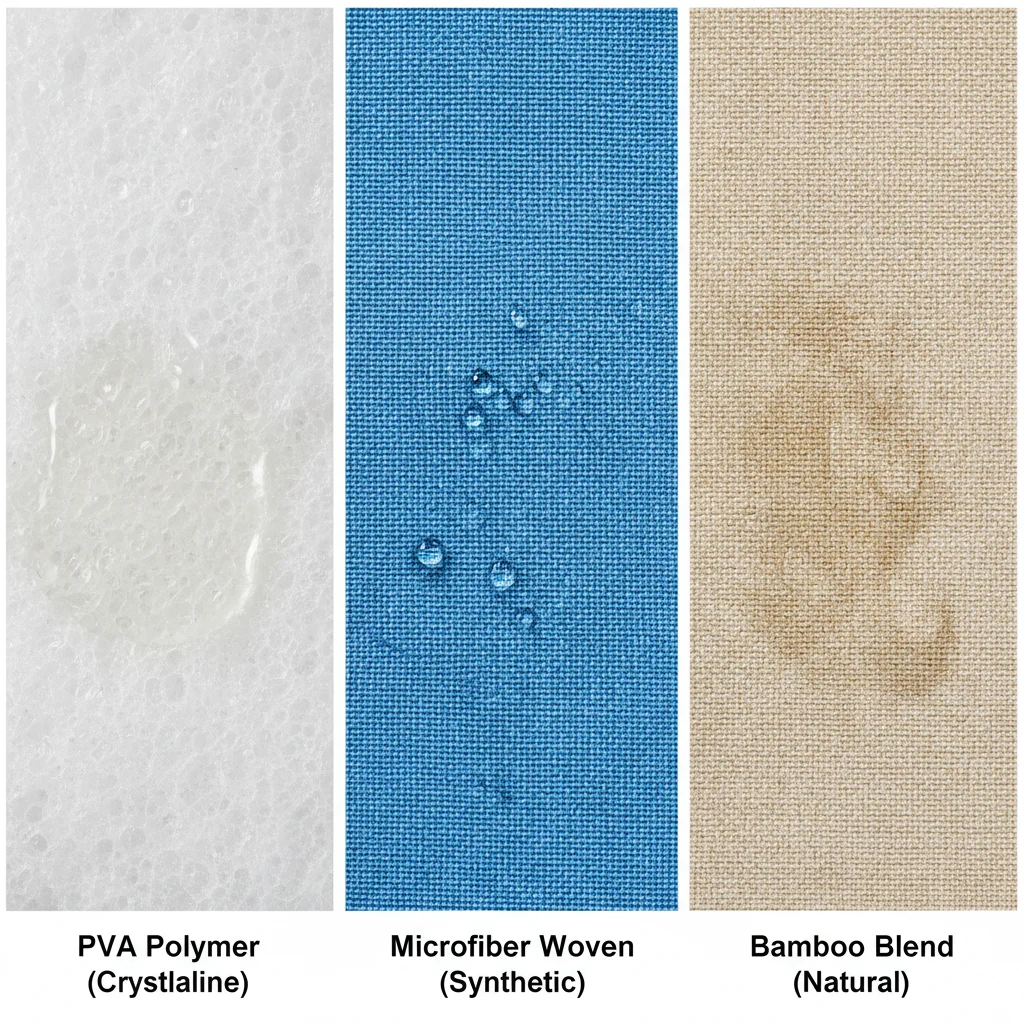
Not all cooling towels age the same way in storage. PVA polymer chains react to moisture one way. Microfiber woven threads react another way. Match your storage method to the material science. Brand names on labels don’t tell you enough.
PVA Cooling Towels (Cold Snap™, Chill-Its 6602, EZ-Cool®)
The hardening is the point. PVA towels turn rock-solid when dry. Users panic the first time this happens. They think the towel broke. It didn’t. This stiffness protects the polymer structure during storage. The material compresses into itself. This cuts down surface area. Less surface area means less exposure to dust, humidity, and contaminants.
Store your dry PVA towel in its original tube if you kept it. The round shape stops sharp creases from forming. Creases crack the material. No tube? Roll it loose instead of folding. A stiff PVA towel folded at 90-degree angles gets weak spots along those lines. Three or four fold-unfold cycles and the material tears.
Short-term damp storage works for PVA. Used it this morning and need it again tonight? Wring it hard. Store it a bit damp in a mesh bag—not sealed plastic. The towel stays soft and ready. This method works for 2-3 days maximum. Beyond that, bacteria finds the moisture.
Long-term PVA storage needs bone-dry conditions. Let it air dry for 8-12 hours until it turns rigid. Store flat on a shelf or in a breathable cloth bag. Skip the sealed container. Temperature swings create condensation inside airtight spaces. That moisture brings the PVA back to life. You’ll open the container months later to find a half-wet, stinky towel.
PVA materials have unlimited shelf life with proper storage. One user reported a towel working fine after five years in a linen closet. The key? It stayed dry, stayed cool (room temperature), and never saw direct sunlight.
Microfiber Cooling Towels (Dock & Bay, Most Polyester Blends)
Microfiber handles storage mistakes better than PVA. The synthetic weave stays flexible when dry. You can fold it, roll it, or stack it like regular linens. But this doesn’t mean you can do anything.
Hang your microfiber towel to air dry overnight after use. Standard room airflow works fine—no fan needed. Most microfiber towels measure around 69 x 33cm. This size dries in 4-6 hours hung over a shower rod. The fabric releases water faster than PVA. The fiber density runs lower.
Store clean and bone dry. Feel the center of the towel before putting it away. Microfiber hides moisture in its tight weave. The edges feel dry while the middle stays damp. Press it against your cheek—a cool sensation means moisture remains. Wait another hour.
Fold your dry microfiber towel in thirds lengthwise, then roll from one end. This stops creases from setting in. It also fits standard drawers. Stack multiple towels without worry. The material handles compression well.
Travel storage for microfiber needs less caution. Toss it in your gym bag wet if you’ll wash it within 6-8 hours. The synthetic fibers fight off bacteria better than natural materials. Still rinse it after you get home. Sweat and salt create the breeding ground—not the fabric itself.
Polyester/Spandex Blend Towels (Frogg Toggs Chilly Pad®, Stretch Blends)

The spandex changes everything. These blends need gentler handling than pure polyester. Spandex fibers lose stretch under stress. Tight folding for months? The towel won’t snap back to its original shape.
The original tube method works best here. Most Chilly Pad® towels come in round containers. After washing, wring the towel firm. Roll it loose. Place it back in the tube. Leave the cap open a crack for the first 24 hours. This stops moisture from building up while the last bit of water evaporates.
Damp refrigerator storage extends use between workouts. Store your washed towel in a Ziploc bag in the fridge—not the freezer. The 35-40°F temperature keeps it cool and ready. You avoid the ice crystal damage that freezing causes. This method works for 3-5 days between uses. Beyond that, bacteria wins even in cold conditions.
Never freeze spandex blends. Ice crystals break the elastic bonds. One freeze-thaw cycle cuts stretch by 15-20%. Your towel won’t expand right during activation. The cooling effect drops. Less surface area touches your skin.
For long-term storage, wash the towel and dry it out. Store in the tube with the top removed for airflow. The spandex content means these towels last several years with proper care. Users report unchanged cooling performance after three years. The fabric doesn’t break down if you avoid heat above 85°F and keep it away from chlorine.
Storage temperature matters more for blends. Keep them between 60-75°F. Heat above 85°F weakens spandex. Cold below 50°F makes the material stiff for a short time. Room temperature keeps the elastic properties working. These properties let the towels expand and contract during use.
Maximizing Cooling Towel Lifespan Through Proper Storage
Storage decisions cause 80% of early cooling towel failures. Not washing. Not workout intensity. The hours between uses decide if your towel lasts 50 cycles or 500.
Environment creates the lifespan gap. Hotels replace cooling towels three times slower than home users. Same brands. Same usage frequency. What’s different? Commercial laundries use cold-water washing plus dry, well-ventilated storage rooms. Temperature stays stable. Humidity stays low. Air keeps moving.
You can copy these conditions at home.
Microfiber cooling towels survive 200-500 wash cycles with ideal storage. Store them in plastic bags? That number drops 30-40%. Trapped moisture doesn’t just smell—it breaks down the fibers. Each damp cycle weakens the weave. The fabric loses its tight structure. That structure creates cooling through water release.
Ventilation extends how long your towel works. High-humidity storage cuts your towel’s effective cycles. The material stays damp. It never resets between uses. Shaded, ventilated spaces let your towel dry out completely. This keeps the fibers able to absorb and release water hundreds of times.
Unopened PVA towels last forever. No expiration date exists with proper storage. Keep them in the original container. The seal blocks humidity and dust. Once opened, same rule—put your dry PVA towel back in its tube between uses. This keeps it working for years. One rinse brings back the cooling effect each time.
Check your towel before long-term storage. Fraying or thinning shows up after 80-150 cycles on standard towels. These signs mean replace it, not store it. Damaged towels don’t improve with rest. Undamaged towels rated at 500+ GSM (grams per square meter) resist wear twice as well. They’re worth storing.
Mildew appears despite your best care sometimes. Catch the smell fast? Mix one tablespoon bleach per gallon of warm water. Soak the towel one hour. Rinse until water runs clear. Dry it completely before storing again. This rescue saves towels that cost $15-30 each. Skip this? You’re buying replacements every season, not every few years.
Storage containers have one job for PVA types—keeping them clean between cooling cycles. A clean towel gives four-plus hours of cooling per soak. Dust and debris cut that time in half. The container protects the material. It doesn’t need an airtight seal. Just clean and protective.
Your cooling towel works as well as you treat it between workouts. Good storage extends your investment by years, not months.
Reactivating Your Cooling Towel After Storage

Pulling a stored cooling towel from your closet doesn’t mean instant relief. The material needs waking up.
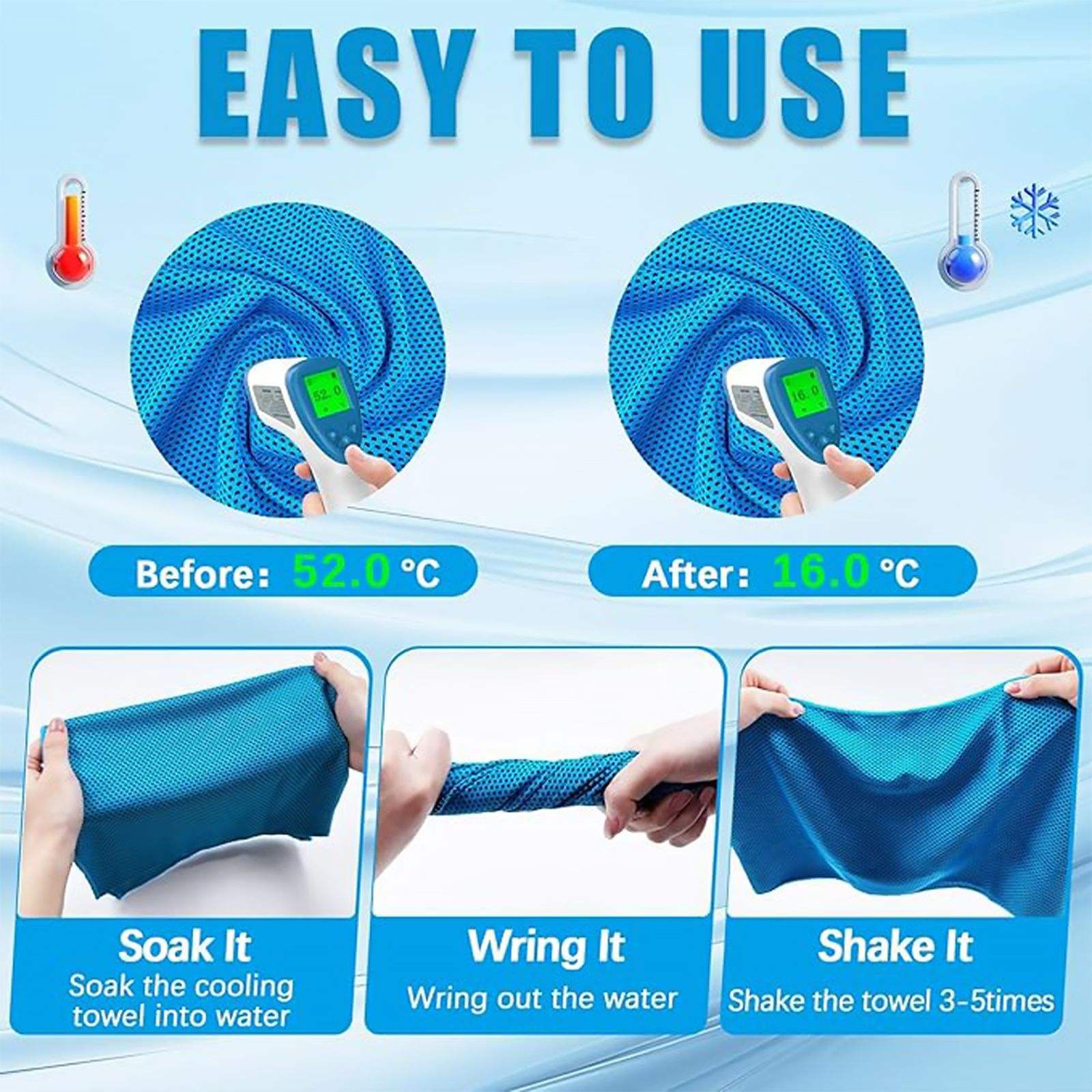
Start with water—always. Run your towel under cool tap water for 2-3 minutes. Let it drink until soaked through. The fabric should feel heavy, not just damp. PVA towels that turned rock-hard during storage need this soak most. They won’t soften without it. Hold one end under the stream while the water works through every fiber.
Wring out the excess next. Twist the towel firm—water should drip, not pour. You want the material wet enough to trigger evaporation but not so soaked that it drips down your neck. One good wring does it. Two if you grabbed an extra absorbent towel.
The snap activates everything. Hold your towel at both ends. Snap it hard through the air 3-5 times. This motion spreads water across the fiber surface. It also creates airflow through the weave. Water spreads. Air flows through. Cooling starts. You’ll feel the temperature drop within seconds.
Skip the snap if your towel stayed damp. Stored it wet for under 48 hours? It’s already primed. Just give it one shake to refresh the surface. The evaporation process picks up where it left off.
Boost performance with pre-chilling. Got 15 minutes before your workout? Seal your soaked towel in a plastic bag with ice water. Let it sit. Remove it, wring once, and snap. Cold water plus evaporation doubles the cooling effect. This extends your cooling time from 2 hours to 3-4 hours in humid conditions.
Your stored towel works like new once you run through these steps. The material doesn’t forget how to cool—it just needs the right conditions to start again.
Conclusion
Your cooling towel is more than workout gear—it’s a performance tool that needs proper care. Three simple habits make the difference between a towel that lasts six months and one that serves you for years: dry it before storing long-term, use breathable containers instead of sealed plastic bags, and clean it often to stop bacteria growth.
Proper cooling towel storage isn’t hard, but it matters. Spend a few extra minutes making sure your towel dries and breathes. This saves you from replacing moldy, smelly towels every season. Storing a PVA cooling towel takes extra attention. Microfiber versions are tougher. Either way, the rules stay the same: respect the material, keep moisture away, and make storage part of your fitness routine.
You now know how to care for your cooling companion. Take five minutes to check your current storage setup. Your future self—and your wallet—will appreciate it. Want to refresh your towel collection with well-maintained gear? Your cooling towel is ready for its next adventure.