
You’re out on a freezing morning run. Your body starts heating up mid-stride. But your clothing adjusts on its own to keep you at the perfect temperature. This is Phase Change Materials (PCM) making smart clothing a reality, not science fiction.
Traditional fabrics make you layer up or strip down as temperatures shift. PCM-integrated textiles work differently. They absorb, store, and release heat based on what your body needs.
Are you an athlete pushing through high-intensity training? Maybe you’re an outdoor enthusiast dealing with wild weather changes. Or perhaps you’re just tired of feeling too hot or too cold in regular clothes. PCM’s benefits could change how you think about your wardrobe.
These materials store heat inside tiny capsules hidden within fabric fibers. The climate control adapts in real-time. We’ll break down seven major benefits that make PCM technology the future of temperature-managing clothing. Your next clothing purchase might be your smartest investment yet.
Content Framework for “What Are The Advantages Of Pcm In Smart Clothing?”
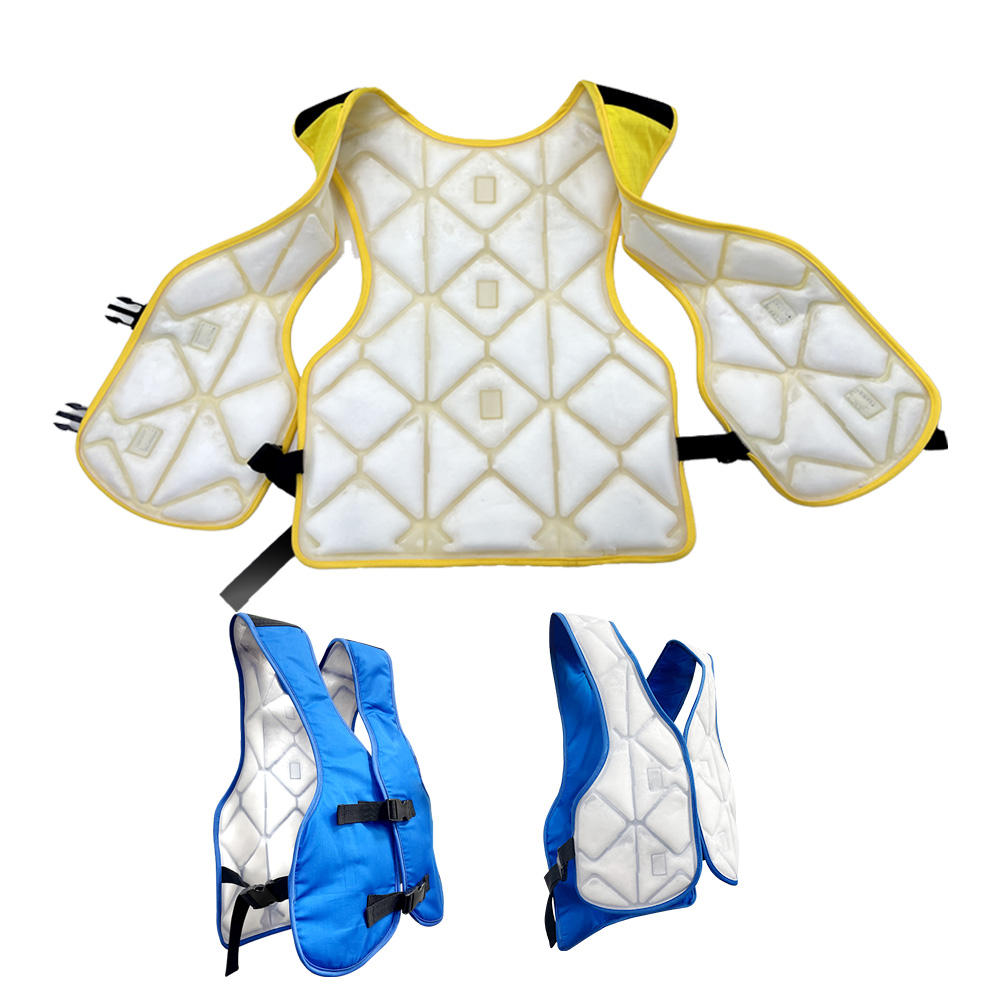
Phase Change Materials deliver seven major advantages. They set smart clothing apart from regular clothes in your closet.
1. Superior Thermal Energy Storage
PCMs pack huge heat capacity into small spaces. These materials change between solid and liquid states. During this change, they absorb and release large amounts of energy. You get high energy density in a compact design. Your jacket stays slim while regulating temperature well. The fabric stores thermal energy like a battery stores electricity.
2. Precision Temperature Control
These materials work within narrow temperature ranges. They activate around human comfort zones. Your body heats up? PCMs absorb that excess thermal energy. You cool down? They release it back. The insulation effect changes with temperature and time. This creates a personal climate zone between your skin and the outside world.
3. Extended Durability Through Advanced Engineering
Modern PCM textiles show major improvements:
– Greater thermal stability across repeated heating-cooling cycles
– Better cycling strength that keeps performance strong for years
– Reduced leakage through advanced microencapsulation methods
– Stronger mechanical integrity via polymer composite integration
Microencapsulation gives precise thermal conductivity control. It increases mechanical strength. It also reduces breakdown during extended use.
4. Seamless Textile Integration
PCMs integrate into fabrics through multiple proven methods:
– Coating applications for existing textiles
– Direct encapsulation technology embedded in fibers
– Structural integration during yarn manufacturing
– Lamination using thermoplastic adhesives
– Screen and inkjet printing for targeted placement
The technology keeps high surface area, good wearing ability, and processing flexibility. Plus, it boosts mechanical stretch and long-term safety for skin contact.
PCM Technology Fundamentals in Smart Textiles
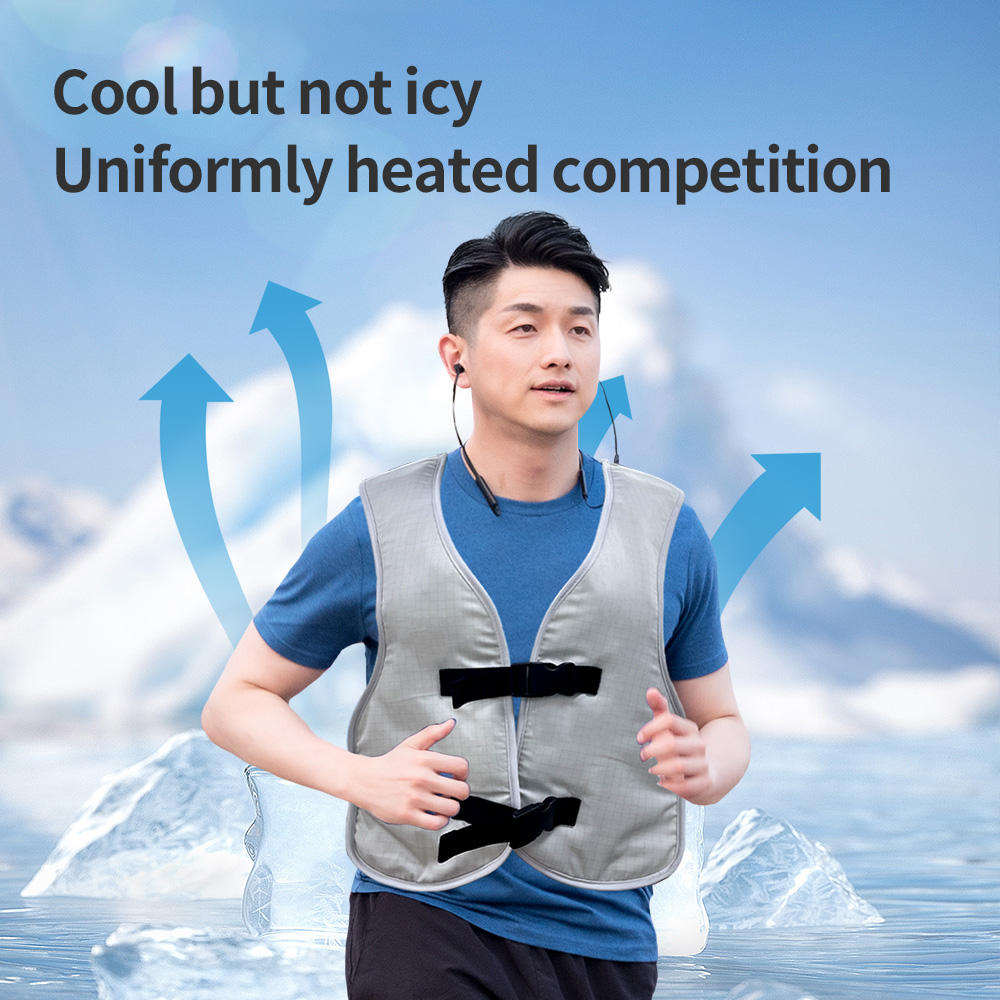
Phase Change Materials work on a simple idea: they absorb heat from your body during hot periods and release it back during cold times.
Here’s how it works at the molecular level. Your body temperature rises. PCM molecules break their chemical bonds. The phase shift happens—solid turns to liquid. This process absorbs thermal energy like a sponge soaks up water. Paraffin-based PCMs absorb about 200 joules per gram during this change. That’s significant heat storage in tiny capsules smaller than a grain of sand.
The ideal range? Most textile-grade PCMs shift phases between 15-35°C. There’s a reason for this. Engineers set these materials to work around human skin temperature, which stays near 37°C. You exercise. Your body gives off extra heat. The PCM grabs it before sweat soaks your shirt. Temperature drops after your workout? The molecules turn solid again. They release stored warmth right on time.
The Chemistry Behind the Comfort
Different PCM types do different jobs. Organic compounds—Eicosane, Octadecane, Nonadecane, polyethylene glycol—fill everyday sportswear. They work well, repeat their cycles, and handle the washing machine. Eutectic blends give designers control over melting points for special gear. Space suit makers use these to manage extreme temperature swings astronauts face during spacewalks.
The numbers show the gains. PCM-coated textiles use 30.9% less energy to maintain stable temperature versus standard fabrics. This means real comfort benefits: 33% less sweat in regular clothing, 44% reduction in footwear.
This heat buffer creates what engineers call a microclimate—a personal temperature zone between your skin and the outside air. The fabric does more than insulate. It manages heat load. This gives you extra time before discomfort starts.
Superior Energy Storage: PCMs vs Traditional Fabrics
Traditional fabrics store heat like a sponge holds water. Predictable. Limited. Basic. PCMs work differently. The gap? Not small. It’s huge.
Look at the numbers. PCM materials deliver 100-200 kJ/kg of latent heat storage capacity. Cotton, wool, and synthetic fibers? They manage 4-5 kJ/kg through sensible heat alone. That’s not a 2x difference. It’s 25-50 times more energy storage per kilogram of fabric.
Here’s what happens: PCMs shift from solid to liquid. They absorb massive amounts of heat without changing temperature. Traditional materials just heat up slowly. Predictable, yes. But limited.
This storage advantage changes how we make garments.
The Weight and Bulk Problem—Solved
A PCM jacket needs one layer to control temperature. Getting the same result with regular fabrics? You’d need 3-5 layers of cotton or wool. Check the weight difference:
-
PCM single layer: 200-500 grams per square meter
-
Traditional multi-layer stack: 1-2 kilograms per square meter
You carry 5-10 times less weight for the same climate control. Athletes running ultramarathons need this. Climbers hauling gear up vertical faces need this. Every gram counts.
PCM layers compress into slim profiles. Traditional insulation can’t match this without losing warmth. The thickness reduction? Just as important as the weight savings.
Design Freedom Through Energy Density
High energy density opens up “tight-fit designs.” No bulky air gaps needed. No puffy chambers. The fabric itself becomes the thermal battery.
You move freely. The fit stays sleek. Advanced textile microsupercapacitors in PCM garments hit 70.2 F g⁻¹ specific capacitance. They keep 90.3% stability under repeated bending cycles.
This isn’t theory. You can wash this fabric. Wear it. Count on it.
Multi-Climate Adaptability
PCM fabrics work across all climate zones. The same jacket keeps you comfortable in Phoenix summer heat and Denver winter cold.
Traditional clothing creates a problem: pack light and deal with temperature swings, or carry multiple outfits for different weather. PCM textiles solve this problem. The phase transition works both ways. Hot weather? The material soaks up excess body heat as it melts. Cold weather? It hardens and gives back stored heat to your skin.
Desert Days to Mountain Nights
You’re hiking through high-altitude plateaus. Morning temps sit near freezing. By noon, the sun drives temps above 25°C. Evening drops back to single digits. One PCM garment handles all three shifts.
The transition temperature range makes this work. Most textile-grade PCMs turn on between 15-35°C. That’s where humans feel most comfortable. Your body stays at 37°C. The fabric creates a buffer that smooths out wild temperature changes. You don’t need to add or remove layers.
Humidity changes things too. Coastal fog. Desert dryness. Tropical moisture. PCM technology keeps working no matter how much moisture fills the air. The tiny sealed spheres stay protected. Water vapor can’t mess with the phase change inside.
Extreme Testing, Real Results
Military field tests put PCM clothing through harsh conditions. Soldiers in PCM uniforms keep stable body temperatures across 40°C temperature gaps during 24-hour missions. The fabric does more than insulate. It manages heat in both directions.
Climbers going from base camps (mild temps) to summit pushes (below zero) wear the same shell layer. The PCM adjusts on its own. No zippers to adjust. No mid-climb outfit changes. The material handles it all.
This cuts pack weight for multi-day trips. One PCM jacket does the job of three traditional layers: a light shirt for warm areas, mid-weight fleece for moderate cold, and heavy insulation for extreme cold. That’s major weight savings for your back.
Lightweight Design for Athletic Performance
Every extra gram slows you down. Sports science proves it. Athletes know it. PCM technology gives you temperature control without added weight.
Old-school thermal control needs bulk. Multiple fabric layers. Insulation pockets. Air gaps between materials. That stack adds up fast. A typical three-layer athletic system—base layer, insulation, shell—weighs 800-1,200 grams per garment. PCM cuts that to 200-500 grams for the same thermal control. You drop 60-75% of the weight. Climate control stays the same.
The performance impact? Bigger than most athletes think. Basketball research shows the details. Players in 352-gram shoes hit shuffle-cut speeds of 2.16 meters per second. Bump shoe weight to 637 grams—just 285 grams heavier—and speed drops to 2.12 m/s. That’s a 2% performance loss from weight alone. Vertical jump height shows the same trend: 56.7 cm in light shoes. 56.1 cm in medium-weight versions.
The Weight-Speed Connection
Court sports need explosive movement. Basketball players make over 1,100 movements per game. 217 of those are high-intensity actions—sprints, jumps, hard cuts. Extra fabric weight hits every single rep.
The math is simple: every 100 grams you cut reduces running energy cost by 1%. PCM garments save 400-700 grams versus old layering systems. That means 4-7% less energy use during activity. Over a two-hour training session or game, that gain builds up. You tire slower. Performance holds longer.
Slim PCM layers move with you. No bunching at joints. No binding through shoulders or hips. The fabric disappears during motion—what athletes need in millisecond moments.
PCM Smart Clothing vs Traditional Materials Comparison
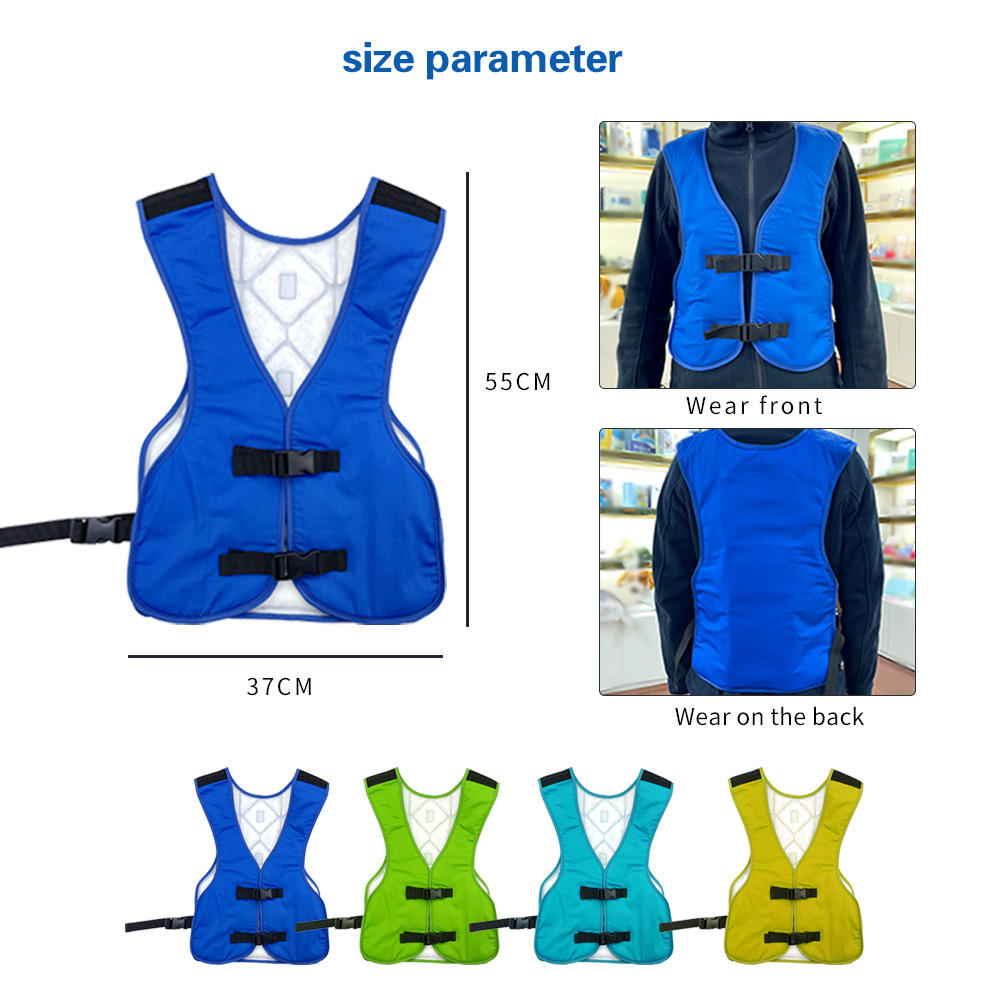
Numbers tell the real story. PCM apparel cuts sweat production by 33% compared to traditional fabrics. Put those same phase-change materials in athletic footwear? The moisture reduction jumps to 44%. Cotton and polyester can’t touch these figures. They absorb moisture or wick it away. PCM technology stops excess sweat from forming in the first place.
Check the heat storage capacity. Traditional knitted sweaters use trapped air pockets for insulation. PCM knits at 200 g/m² with 50 J/g heat of fusion deliver a bigger initial cooling effect in the first five minutes of activity. Your body temperature spikes hardest during those first minutes. Regular fabrics just sit there. PCM materials pull heat away from your skin.
The Loading Capacity Revolution
Modern PCM fibers changed the game. New manufacturing methods achieve 5-10 times higher PCM content than first-generation products. Some polymer alloys now contain up to 70% PCM by weight. Cellulose-based fibers hit 50% PCM loading without losing heat storage after washing. Traditional moisture-wicking fabrics? Zero phase-change capacity. They move water around. They don’t manage thermal energy.
Double-layer PCM construction pushes performance further. Tests show stacked PCM layers extend the temperature control window. The effect runs 5-7 minutes per activity burst. Stack two PCM layers together during intense training—sprints, HIIT circuits, competitive matches—and heat management doubles versus single-layer designs. Traditional multi-layer systems add bulk without adding smarts.
Durability That Holds Up
Washing destroys most fabric treatments over time. Not PCM. PET fabrics with phase-change materials show less than 3% heat loss after commercial washing. The capsules protect the active materials. Finishing treatments don’t hurt performance. Multiple wash cycles don’t strip away the technology. Traditional moisture treatments fade after 10-20 washes. The comfort benefits disappear. You’re left with regular fabric.
The thin-knit advantage matters for year-round wear. PCM textiles match traditional materials in air flow and basic insulation. But add real-world use? PCM fabrics deliver better temperature stability and lower moisture buildup. You stay drier. You stay more comfortable. The fabric weighs the same as regular knits.
Cost Reality vs Long-Term Value
PCM integration costs more upfront. Polymer capsules add manufacturing steps. Embedding tiny capsules into fibers requires special equipment. The energy input during production runs higher than standard textile processing. The sticker price reflects this reality.
But check the full ownership cost. PCM garments need fewer wash cycles because moisture management stays better. Less washing preserves fabric structure longer. The materials last through more wear sessions before replacement. Energy savings add up over the garment’s lifetime through better insulation.
Specialty blends like Clima fibers prove the ROI. They beat wool and synthetic options in thermal comfort testing. The materials work with standard industrial spinning equipment—PLA, PET, and PA processing lines need minimal changes. Yes, dyeability and color fastness lag behind traditional fabrics. But the 33-44% moisture reduction boosts athletic output enough to offset aesthetic compromises in performance applications.
Where PCM Wins Big
High-intensity training pushes traditional fabrics past their limits. The body dumps heat faster than cotton or polyester can handle. Sweat soaks through. Discomfort kills performance. PCM textiles absorb that excess thermal energy. They prevent overheating before it starts. The 33% sweat reduction keeps athletes focused on output, not on wet clothes.
Products touching skin gain the most from PCM technology. Even low-percentage blends—small shares of PCM mixed with regular fibers—beat 100% traditional materials in thermal control. The phase-change effect works well at minimal concentrations.
Heat stress environments expose the weakness of standard fabrics. Traditional materials trap sweat against skin. The moisture has nowhere to go. PCM textiles deliver higher heat absorption per square meter than reference materials. They pull thermal energy away from the body without stopping. The trapped-sweat problem disappears.
Temperature swings during stop-and-go activities—team sports, circuit training, tactical operations—highlight PCM’s adaptive advantage. The 5-7 minute control window covers intense bursts. Double-layer construction amplifies the effect for sustained high-output work. PCM packs offer more thermal capacity but sacrifice flexibility and breathability. Integrated PCM fabrics give you both.
Performance footwear shows the clearest split. Traditional athletic shoes use mesh and synthetic uppers for ventilation. They manage some moisture through airflow. PCM-integrated footwear cuts moisture by 44% while maintaining consistent temperature control through exercise and rest phases. Your feet stay drier through the entire training session. Blisters decrease. Comfort holds steady mile after mile.
Real-World Application Scenarios
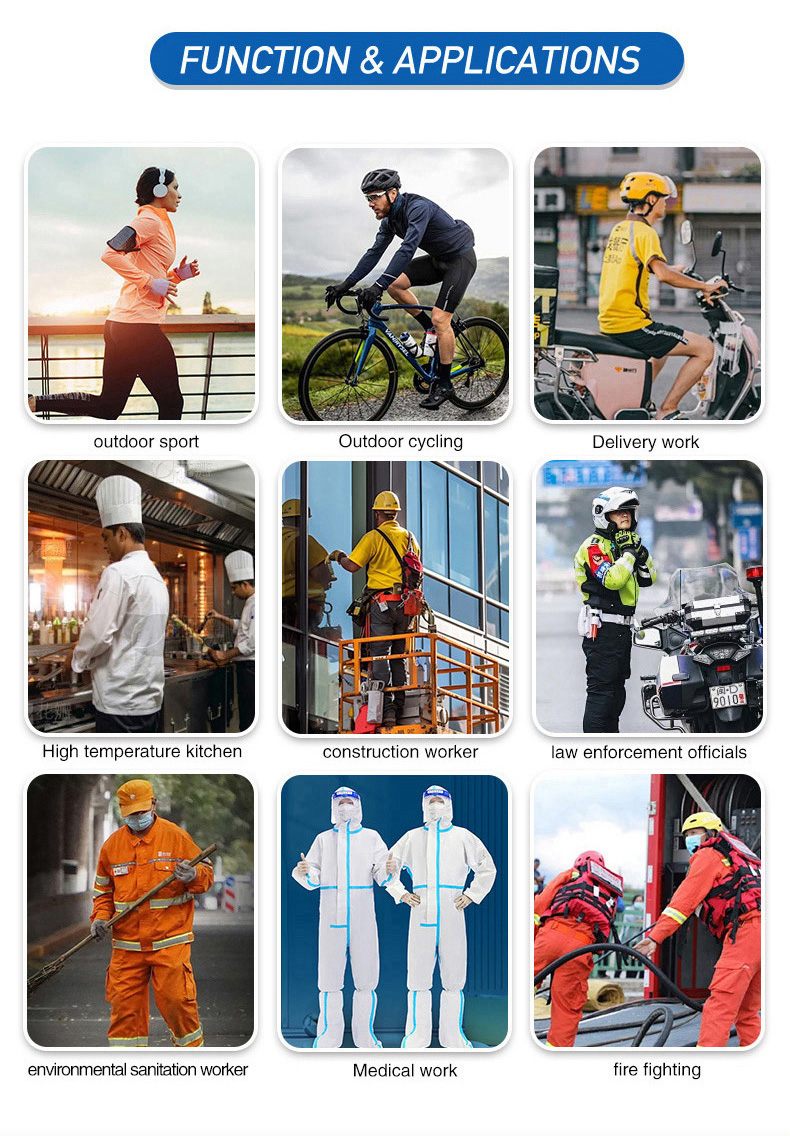
PCM smart clothing has left the lab. Now it works in professional fields where temperature swings hurt productivity and comfort. Military units, construction crews, healthcare workers, and endurance athletes test these materials in harsh conditions. Every weakness in traditional fabrics shows up fast.
Extreme Environment Operations: Military & First Responders
Firefighters face the toughest thermal tests. Protective gear made with Nomex and Kevlar keeps flames out. But it traps body heat inside. Core temperatures climb fast during rescue operations.
PCM-integrated base layers sit underneath protective suits. They absorb excess heat during intense activity. The latent heat storage capacity of 100-200 kJ/kg creates a thermal buffer. Safe working time extends by 15-20 minutes before heat stress symptoms start.
Military pilots deal with opposite extremes. Flight suits need heat resistance for emergencies. They also need climate control during long missions. Modern flight suits integrate microencapsulated PCM layers that activate between 15-35°C.
Cockpit temperatures swing hard. Below freezing at altitude. Over 40°C on desert tarmacs. The phase-change materials smooth out these shifts. No added bulk. No restricted movement in tight cockpit spaces.
Special operations troops carry the technology into multi-day missions. A soldier’s PCM uniform maintains stable core temperature across 40°C environmental swings during 24-hour operations. No mid-mission clothing changes. No extra layers in the pack. One garment handles Arctic mornings and scorching afternoons.
The MIL-STD-1472H standard requires effective temperature management below 86°F under operational loads. PCM textiles deliver this across wider ranges than specification minimums.
Industrial Workwear: Managing Heat in High-Output Jobs
Oil rig workers, miners, and foundry crews generate 250-500 W/m² metabolic heat during heavy labor. Drilling operations. Pipe fitting. Ore hauling. The work doesn’t stop because temps climb. Traditional workwear soaks through with sweat in the first hour.
PCM work shirts and base layers cut moisture production by 33% through active heat absorption. Workers stay drier. Heat exhaustion incidents drop. Productivity holds through full shifts.
Construction sites test durability hard. PCM garments face concrete dust, metal shavings, repeated washing in industrial laundry systems. Modern microencapsulation protects the phase-change materials. Cellulose-based PCM fibers maintain 50% loading capacity and lose less than 3% heat storage performance after commercial washing cycles. The technology survives the job site.
Welders need both heat protection and temperature regulation. Bulk protective clothing raises the energy cost of work by up to 20%. PCM-integrated underlayers provide thermal management without adding weight. The materials absorb radiant heat between welding tasks. They release it during rest periods. Core temperature stays more stable. Fatigue builds slower over 10-12 hour shifts.
Healthcare Applications: Therapeutic Temperature Control
Hospitals use heated blankets with PCM technology to prevent post-surgical hypothermia. Patients lose body heat fast during recovery. Standard warming methods overshoot or undershoot target temperatures.
PCM blankets deliver precise temperature control within 1-2°C ranges. They absorb excess heat as patients warm up. They release stored heat as temperatures drop. Hypothermia complications decrease. Recovery times improve.
Arthritis patients find relief in PCM therapeutic garments. Carbon fiber heating elements combined with phase-change materials provide targeted heat delivery to inflamed joints. The materials prevent temperature spikes that increase discomfort. They maintain steady warmth that improves blood flow. Joint stiffness drops. Mobility increases. Patients report sustained pain reduction through regular wear.
Circulation disorder treatments benefit from adaptive temperature control. Medical-grade PCM vests and compression sleeves enhance blood flow during physical therapy sessions. The fabrics warm up as activity increases. They maintain stable temperatures during rest intervals. Therapists adjust treatment intensity without stopping to change heating settings. Patient comfort stays consistent through 45-60 minute sessions.
Endurance Sports: Multi-Hour Performance Stability
Ultra-marathon runners face brutal temperature management challenges. Desert races start in pre-dawn cold. They peak in midday heat exceeding 40°C. They drop again at night. Elite runners in PCM base layers maintain more consistent core temperatures through 50-100 mile events.
The 5-7 minute thermal control window covers surge efforts during climbs and aid station transitions. Double-layer PCM construction extends heat management through sustained high-output running. Sweat production drops 33% versus traditional moisture-wicking fabrics. Less fluid loss. Better hydration status. Stronger finishing performance.
Cyclists push through similar conditions during stage races and gran fondos. A time trial study showed riders in synthetic PCM fabrics maintained 0.98 km/h higher average speed and 18.4 watts greater power output over the final 6 kilometers versus cotton-clad controls. The performance gap widened as fatigue built up. PCM garments kept riders fresher longer.
Alpine climbers stack multiple advantages from PCM technology. Temperature swings from base camp to summit exceed 30°C. Traditional layering systems require frequent stops to add or remove clothing. PCM shells adjust on their own as conditions change.
Climbers tested ropes and gear under extreme temperatures, rough terrain, and heavy loads. PCM clothing held stable performance throughout. Climbers focused on technical challenges rather than thermal discomfort.
Office & Commuter Comfort: Energy Efficiency Meets Personal Climate
Office workers in over-air-conditioned buildings use PCM clothing for personal temperature control. Thermoregulatory garments expand the comfort zone by more than 2°C on both hot and cold sides. This translates to around 30% building energy savings. Workers tolerate wider ambient temperature ranges. Companies cut HVAC costs. Employees stay comfortable without constant thermostat battles.
Temperature-adaptive business wear responds to environment changes within seconds through tailored materials. Morning commutes in cold weather. Overheated subway platforms. Climate-controlled offices. Outdoor lunch breaks. The same PCM blazer or cardigan handles all four transitions without layering adjustments.
The 37.5 Technology maintains ideal microclimate near 37.5°C core temperature with relative humidity around 37.5%. Third-party testing showed 75% of users preferred technical shirts with 37.5 Technology over their current favorite brands.
Commuters appreciate instant warmth without waiting for body heat buildup in traditional insulation. Heated PCM socks and base layers activate during the walk to the train station. The materials store thermal energy from initial activity. They release it during stationary waiting periods. No more shivering on platforms. The same technology prevents overheating during packed rush-hour trains. Body heat and poor ventilation spike temperatures fast there.
Selecting the Right PCM Smart Clothing

Phase-change clothing works if you match the technology to your needs. Pick wrong, and you’ve bought expensive fabric that performs like cotton.
Match Phase Change Temperature to Your Activity Level
PCMs activate at specific temperatures. 28-32°C range materials work best for everyday wear. Your skin stays at 32-34°C during normal activity. PCMs in this range soak up extra heat during subway rides or office work. You stay comfortable without sweating.
Push harder? Different specs matter. Joggers and gym-goers do better with 32-35°C PCMs. These materials start working as your body heat rises during moderate exercise. The 180-220 J/g latent heat capacity handles warmup periods and steady cardio. The fabric keeps working.
Athletes doing high-intensity work—sprinters, CrossFit competitors, extreme sports fans—need 35°C+ transition temps. These PCMs stay quiet until serious heat hits. They pull in up to 250 J/g heat absorption during peak effort. The cooling phase helps you perform longer during all-out work.
Test before buying: Hold the fabric in your palm for 30 seconds. Good PCM textiles feel cooler as they soak up hand warmth. No cooling sensation? The transition temperature is too high for you.
Verify PCM Content and Quality
PCM percentage beats marketing talk. 10-30% by weight is the working range. Below 10%? The thermal effect is weak. Above 30%? Fabric flexibility drops without better performance.
Sports use needs >20% PCM content for real heat control. Check product specs. Vague terms like “PCM-enhanced” often mean weak 10-15% amounts. Premium gear lists exact percentages up front.
Technology protects the phase-change materials from washing and wear. Good microcapsules measure 1-50 μm. The polymer shells—polyurethane in most cases—seal the active materials inside. Three ways to add them:
-
Fiber integration: 5-15% PCM mixed into yarn during making
-
Coating application: 20-25% PCM painted onto finished fabrics
-
Lamination: 15-20% PCM placed between fabric layers
Coating gives highest PCM density. Fiber integration lasts longest. Lamination is middle ground.
Ask for SEM (scanning electron microscope) test results if spending over $200. The images show even capsule spread and steady particle size. Clumping and size changes mean poor quality control.
Check Certifications and Safety Standards
ASTM D13 certification proves thermal performance in real conditions. This standard tests heat absorption and release across many temperature cycles. Products passing ASTM testing deliver steady results.
The Newcastle-Ottawa Scale rates smart clothing studies. Look for scores >7/9 in human trial papers. Lower scores mean weak research behind product claims.
Safety certifications matter for skin contact. PCM materials must pass non-toxic, non-flammable, and non-corrosive testing. Thermal conductivity should beat 0.2 W/m·K for good heat transfer between body and fabric.
Durability specs separate quality from junk. Premium PCM garments last 100+ wash cycles while keeping >80% function. Ask for wash test data. Watch for vague “long-lasting” claims without numbers.
Compare Products and Price Tiers
Budget tier ($50-100): Generic sportswear with 10-15% PCM added via basic coating. Sold through Amazon and eBay. Performance drops after 20-30 washes. Fine for casual users testing PCM technology.
Mid-range ($100-250): Outlast-branded vests and Fastskin suits with 15-25% microcapsule content. Many include basic sensors—heart rate monitors, temperature tracking. Available at REI and specialty sports stores. This tier gives 80% of high-end performance at 50% the cost.
Premium ($250-500+): Smart extreme sports gear with 25-30% PCM, IoT connection, and strong packaging. Made for pro athletes and tough conditions. The Fastskin swimsuit—inspired by shark skin texture—mixes PCM temperature control with 5-10% drag reduction. Twelve of eighteen tested systems in this tier include heart rate and breathing monitors.
Performance data shows the value split. PCM cuts heat stress by 20-30% during hard activity versus traditional fabrics. Comfort lasts 2-3x longer versus non-PCM options. Mid-tier products grab most of this benefit without premium pricing.
Test Before You Commit
Quality stores offer return windows. Use them. Test your PCM garment through temperature changes: indoor to outdoor, rest to exercise, morning cold to afternoon heat. The fabric should feel cooler during heat absorption phases. You should sense warmth coming back during cold exposure.
Track performance across many wash cycles. Heat absorption should stay steady through at least 50 washes for mid-tier products. Premium garments keep full function past 100 cycles.
Bio-metrix PCM vests and socks prove the technology works. Five of twenty-two tested garments captured both temperature and breathing data well. The dual-sensor setup confirms thermal performance through body measurements.
Start with one PCM base layer for your main activity. Learn how the technology works with your body. Then expand to full systems—base layers, mid-layers, extras—after you’ve seen the performance gains.
Conclusion
Thermal regulation textile technology has changed completely. This isn’t a small upgrade—it’s a total shift. PCM smart clothing creates a personal climate zone that adjusts to your body in real-time. You get comfort that moves with you.
High-intensity workout? Check. Unpredictable weather? No problem. All-day comfort? Covered. Microencapsulated PCM gives you performance benefits that regular fabrics can’t touch.
The numbers tell the story: 20-30% better energy efficiency, 4-8 hours of active temperature control, and up to 50% less weight than conventional layering systems. Athletes love this. Outdoor enthusiasts swear by it. Anyone who wants more from their clothes finds that temperature swings become a non-issue.
Want to try adaptive clothing technology? Check out our full range of PCM-enhanced products at coolheatech.com. Or reach out to our technical team. We’ll help you find the right temperature control solution for your needs. PCM smart clothing works. So why settle for less?