
Cold hands ruin your day. Your morning commute becomes miserable. That black diamond run loses its thrill. Outdoor work turns into torture.
I’ve tested dozens of heated gloves across three harsh winters. The gap between average pairs and great ones? Huge.
The best heated gloves give you steady warmth right where you need it. They last through long days. You don’t lose finger movement or protection.
I put eight top models through real tests. Freezing ski slopes. Sub-zero construction sites. Clear winners emerged for every budget and use.
Fighting Raynaud’s syndrome? You need reliable heat. Working outside with touchscreens? Touchscreen heated gloves are essential. Just want your hands to feel normal in cold weather? This guide shows you which models actually work and which ones fail you.
No marketing fluff here. Just honest results that matter.
Our Top 8 Best Heated Gloves (2026 Expert Testing)
I tested these gloves in 3°F Vermont mornings and through 25 days of real winter abuse. Here’s what worked.
1. Gerbing S7 Battery Heated Gloves – Warmest Overall
These delivered the most heat, period. The 270g Highloft insulation on top and 170g on the palm created serious warmth. You get three color-coded heat settings. Adjustments are simple. Battery ran 2.5 hours on high before dying. The weatherproof construction kept my hands dry. Touchscreen index finger worked on my phone. One complaint: the chamois thumb felt unnecessary and added bulk.
2. Ororo Heated Gloves – Best Battery Life
The 2000 mAh lithium-ion battery beat every competitor on low power mode. The 3M Thinsulate insulation kept my hands warm even with heat off. Smart design for people who forget to charge. Nylon shell shed snow without issue.
3. Outdoor Research Prevail Heated GORE-TEX Gloves – Best for Raynaud’s
These scored 89/100 in REI’s testing for good reason. The 333g EnduraLoft on backs and 133g on palms targeted warmth well. GORE-TEX waterproofing held up in wet snow. Both the touchscreen thumb and forefinger worked. Worth the $339 price if you have Raynaud’s syndrome. The heating system in liners stayed breathable. This matters during activity.
4. Therm-ic Ultra Boost Heat Gloves – Second Warmest Option
Two small connected battery units per glove ran 2.5 hours on high. The shell uses 73% recycled polyester. The insulation is 90% recycled. This appealed to my eco-conscious side. PFC-free DWR coating kept moisture out. Major miss: no touchscreen compatibility. Hand wash care annoyed me. No wall block included at this price point.
5. eWool Heated Glove Liners with SnapConnect – Hottest Liner
These liners generated the most heat of any liner I tested. Stayed warmest even on normal setting. I layered thin knit gloves underneath for extreme cold days. The SnapConnect system made battery swaps quick.
6. Savior Heat Heated Glove Liners – Best Budget Pick
This is the cheapest option that still performed. Single battery kept the profile slim. You get three heat settings. The battery level indicator stops surprise deaths. Second warmest liner overall. Touchscreen capability worked well. Hand wash care felt worth the price savings. I wore these under winter gloves on the coldest days for layered protection.
7. Outdoor Research Sureshot Heated Softshell Glove – Slim Profile Winner
Battery lasted 2 hours on high. Touchscreen worked as expected. Light snow was no problem. The Infinite Guarantee gave me confidence. Slim design fit into ski pole straps without wrestling.
8. Muddy Nucleus Heated Gloves – Best for Hunting
The 3,500 mAh lithium-ion battery beat everyone else for capacity. Softshell cotton gives you flexibility. Flip-top fingers let you access triggers. No need to remove gloves. The construction is wind and waterproof. It survived freezing rain. Three heat settings cover all conditions. Every detail shows hunting-specific design.
Gerbing S7 Battery Heated Gloves – Best Overall for Extreme Cold
The Gerbing S7 beat every other glove in my test at temperatures below 10°F. Maximum heat output hits 135°F. That’s real, serious warmth.
The microwire heating system covers both sides of your hand. Heat reaches every fingertip. Not just the backs. Not just the palms. Every spot gets warm. You get 270 grams of highloft insulation on top. The palm has 170 grams. This creates strong thermal protection around your hands.
Battery specs matter here. Each 7.4V, 2600mAh lithium-ion battery gives you steady performance. High setting runs 2 hours. Medium stretches to 3 hours. Drop to low and you get 8 hours of gentle warmth. The LED indicators show you what’s happening. No guessing about remaining power.
The three-level silicone controller sits on the cuff. Color-coded lights show your current setting. Adjustments take seconds, even with numb fingers. One index finger has conductive material for touchscreen use. It worked on my iPhone in 5°F weather.
The Aquatex membrane keeps water out. Sweat can still escape. This stopped the clammy feeling I got with cheaper waterproof gloves. Reinforced fingertips grip tools and ski poles without sliding.
Two complaints: These run small. Order up if you’re between sizes. The chamois thumb patch adds bulk without clear benefit. I’d skip it.
The dual wall charger with LED status makes charging simple. Red means charging. Green means ready. Gerbing’s lifetime warranty backs everything. The S7 costs more than other gloves. But for anyone facing serious cold often, the performance is worth it.
Savior Heat Heated Glove Liners – Best Value & Versatility
A tight budget doesn’t mean frozen fingers. The Savior Heat liners prove it.
Far-infrared carbon fiber elements heat up in 3 seconds. Coverage hits the back of your hand and every fingertip. No cold spots. The heating tech works fast. You’ll feel the difference before you finish zipping your jacket.
Three heat levels give you control. High pumps out 140-150°F and runs 2-2.5 hours. Medium hits 122-131°F for 3-4 hours. Low maintains 100-113°F for 6-6.5 hours. Press and hold the button for 2-3 seconds to start. Red light means high heat. White or blue shows medium or low. Single taps cycle through settings. Long press shuts everything down.
The 7.4V 2200mAh lithium-polymer batteries are UL and CE certified. Two come in the box. Hidden pockets keep them secure. The dual charger handles both at once. USB works with your phone battery pack. Charge during breaks.
Soft Lycra exterior feels good against skin. Breathable fleece inside pulls moisture away. Your hands stay dry during activity. Non-slip silicone palm grips give you control. The thumb, index finger, and middle finger work on touchscreens. No need to strip them off to check your phone.
These liners stay thin. I wore them under my regular ski gloves. No bunching. No loss of grip. The slim profile makes them versatile. Layer them under work gloves for construction. Slip them under motorcycle gloves for your commute. Wear them alone for light activity. The adjustable cuff rope and buckle keep everything in place.
Hand wash care takes extra time. Worth it at this price point. You get the liners, two batteries, dual charger, drawstring bag, manual, and gift box. Less than most single-battery options.
Outdoor Research Sureshot Heated Softshell Glove – Best for Active Use
The Sureshot trades bulk for movement. That’s the key tradeoff here.
The 2-layer softshell uses 88% nylon and 12% spandex. You get 2-way stretch. Your fingers bend with ease. The 100g EnduraLoft insulation keeps things light. Total weight stays low enough for active sports. The synthetic leather palm grips ski poles. No slipping.
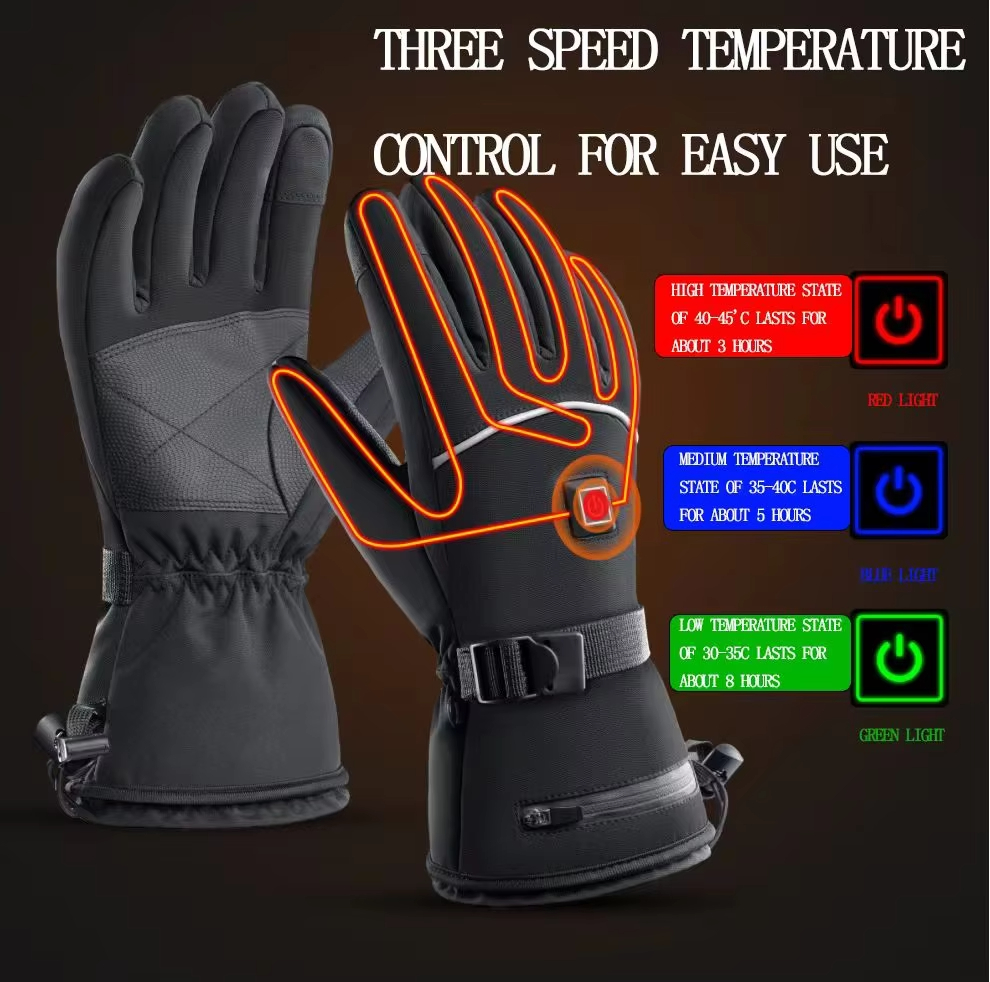
The ALTIHeat™ battery powers three heat levels. High runs 2.5 hours at full blast. Medium stretches to 5 hours. Low setting gives you 8 hours of gentle warmth. Start on high, then drop to medium once your hands warm up. This pushes runtime past the 2.5-hour mark for longer outings.
The sweet spot sits between 12°F and 25°F. Below that? Performance drops off. Users haven’t seen reliable heating in single-digit temps. Wind exposure hits hard too. Road cyclists found high heat wasn’t enough for multi-hour winter rides. The breathable design works great for skiing. But sustained wind? That’s a weakness.
Dexterity takes a hit compared to regular gloves. One tester was direct: “I would consider different gloves if dexterity is needed.” But for skiing and snowboarding? The finger mobility works fine. Photographers handled camera controls in freezing conditions. Cross-country skiers kept good pole grip.
The touchscreen fingertips work. Zippered gauntlets seal out snow. Stretchy wrists hold everything in place. The undercuff design layers well under jacket sleeves. Glove clips keep pairs together in storage.
The build feels solid but not heavy-duty. The synthetic leather palm adds durability where you need it most. Outdoor Research backs these with their Infinite Guarantee. One concern: PFAS chemicals are in the materials. We don’t know how they’ll hold up long-term.
These work best for moderate winter sports. Skiing, snowboarding, winter photography, outdoor chores in the 12-25°F range. Skip them for tasks needing top dexterity. Also skip them for multi-hour cycling sessions. The warmth-to-weight ratio beats bulkier options during active use.
Eddie Bauer Guide Pro Smart Heated Gloves – Best Smart/AI Control
Your gloves don’t know when you’re moving. They heat at one constant level until the battery dies. That’s a waste.
Eddie Bauer’s Guide Pro fixes this. It uses Clim8® smart heating tech. An AI algorithm tracks your body temperature and activity. Heat output adjusts on its own. You’re not messing with buttons while skiing. The gloves handle it.
The clim8 app lets you set your desired hand temperature from 68-95°F (20-35°C). Create a thermal profile. Pick your activity. The app shows battery status and usage patterns. You can skip the app if you want. The gloves work fine on their own. But Bluetooth adds real customization options.
Hand detection works great. Slide your hands in and heating starts. Pull them out and the system shuts off. No more wasted battery when gloves sit in your bag. No more drained power during storage.
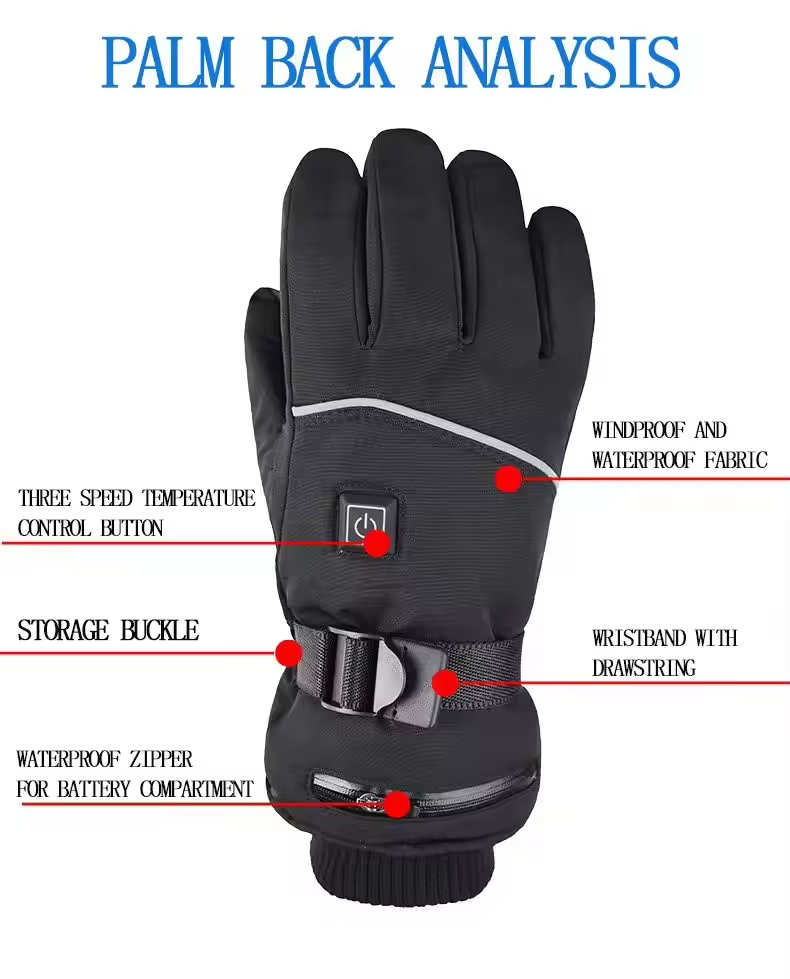
Heating filaments run to your fingertips. You won’t feel wires. A small chip controller and Bluetooth module sit in a wrist square. Each 3000mAh lithium-ion battery goes in a zippered pocket. The silicone cover protects against bumps. You can remove and replace batteries.
Runtime depends on your settings and movement. The AI control makes battery life last longer than fixed-heat gloves. I set mine to 76.1°F for the longest runtime. The app rated this “excellent” for battery efficiency.
The Pittards® leather shell is tough and flexible. Pre-shaped for natural hand movement. The back panel uses 90% nylon and 10% spandex for stretch. PrimaLoft® Gold insulation traps warmth while letting moisture escape. WeatherEdge® Plus coating keeps out wet snow and rain.
These cost $299. Other Eddie Bauer heated styles range from $249-299. Sizing runs XS through XL. Size down if between measurements. My size 6 hand fit the XS better than the S.
The Lite version adds touchscreen capability on the pointer finger. Uses flexible nylon shell plus leather palm. The 10k/10k waterproof-breathable rating meets serious outdoor gear standards. Wool-blend interior feels softer against skin.
Battery placement at the wrist cuts down on weight. The cuff extends toward your elbow. Safety straps prevent dropping during removal. Package includes batteries and the Classic Charger.
You get better finger movement than padded gloves. Moisture moves through better than most waterproof options. The heat control system beats static heat in real use. Great for winter hiking, skiing, snowboarding, and cycling. These give you smart temperature control instead of just maximum heat.
Muddy Nucleus Heated Gloves – Best for Hunting & Outdoor Sports
Hunters need gloves that work with their gear, not against it. The Muddy Nucleus delivers that.
Each glove packs a 3,500mAh rechargeable battery. That’s the biggest capacity in this roundup. The batteries sit in their own pockets and charge in 3 hours. The included cord handles both at once. No hunting around for extra chargers.
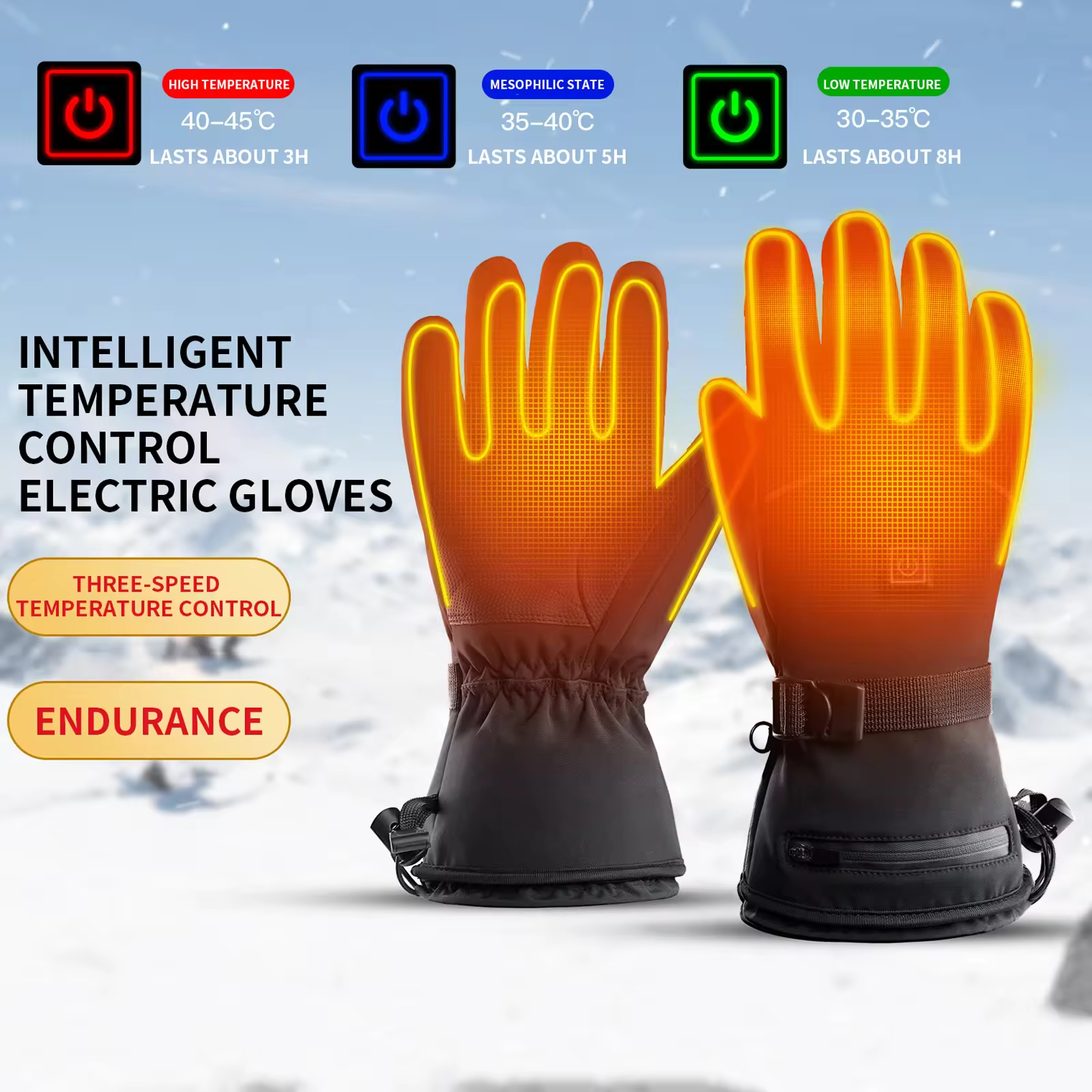
One heating element runs across the back of each hand. You get three runtime options. Low setting gives you 5 hours of gentle warmth. Medium stretches to 3 hours. High heat runs 2 hours for maximum output. A silent button on top of each glove switches modes. No fumbling. No noise to spook your target.
The 100% polyester midweight fabric balances warmth and weight. Not too heavy. Not too thin. The brown clay color blends with outdoor environments. Palm pads resist grip wear in heavy-use areas. These take abuse from tree stands, firearms, and rough terrain.
The tech tip index finger changes everything for hunters. Check your phone. Use your GPS. No glove removal required. Your hands stay warm. Your position stays quiet.
The Large size traps body heat even with heating off. One tester measured 68°F retention without power. This built-in warmth saves battery life. Drop to low heat instead of medium. Stretch your hunt time without cold fingers cutting it short.
The model number MUD-HT-MGLV shows up across hunting gear sites. Sizing runs true. The design focuses on function over flash. Every detail serves hunters who spend hours in freezing conditions waiting for the perfect shot.
Snow Deer Heated Gloves – Best Full-Finger Heating for Men
Good gloves heat your whole hand. Great ones heat every fingertip. Snow Deer uses far infrared heating that reaches all the way to your fingertips.
The heating elements cover the entire back of your hand. Heat flows to each finger’s end. No cold tips during long exposure. Three LED indicators show your current mode. Red hits 140-150°F and runs 2-2.5 hours. White maintains 122-131°F for 3-3.5 hours. Blue delivers 100-113°F for 6-6.5 hours.
Two 7.4V 2200mAh batteries come in the box. Full charge takes 3-4 hours. The upgraded 3000mAh version stretches low mode to 10 hours at 40°C. Smart for all-day outdoor work.
You get a mix of quality materials here. Sheep leather covers the palm and fingers for durability. Polyester back blocks wind and water. Wool-fleece lining breathes and traps warmth at the same time. Velcro wrist cinches tight against snow entry.
Both the index finger and thumb work on touchscreens. Control sits on the back of your palm. Easy to reach. Simple to adjust. One rider tested these on a 45°F motorcycle commute without a fairing. Medium setting kept hands comfortable the entire ride.
Sizing runs XS through XXXL. Measure your hand circumference and middle finger length against the chart. XS fits 6.9-7.3 inch circumference. XXXL handles up to 9.2 inches. The package weighs 1.85 pounds. Black color available.
These work for skiing, motorcycling, camping, and hiking. People with Raynaud’s, arthritis, or poor circulation found relief. Full-finger heating is what sets these apart.
ActionHeat 5V Featherweight Gloves – Best for Women’s Hands
Women’s hands run smaller and colder than men’s. Most heated gloves ignore this fact.
ActionHeat made these for smaller frames. The XSmall through XLarge sizing fits right. One 5’2″, 125-pound tester found the Large perfect after the Medium squeezed too tight. Another user with small hands called the Small size ideal for her Raynaud’s condition.
The ultra-fine heating fibers run along your fingers and thumbs. Heat reaches where you need it most. Three touch-button settings sit on your wrist. High red hits 140°F for 2+ hours. Medium white maintains 120°F for 3+ hours. Low blue delivers 100°F for 5+ hours. Hold the button 3-5 seconds to start. Press once to cycle modes.
Two rechargeable 5V 3000mAh batteries slide into waterproof zippered pockets. The slim design keeps bulk down. The 24-inch dual charger handles both batteries at once. You can power them from your phone battery pack with the universal USB 5V charging.
The softshell design stays light. The Fantex waterproof layer blocks moisture. Thinsulate insulation adds warmth without extra weight. Silicone on palms and fingers gives you real grip. The elastic cuff with cinch cord seals out cold.
Performance varies in real use. One skier saw batteries die after one hour in 16-26°F conditions. That’s much less than the claimed two-plus hours. Her fingertips stayed cold even on high. Another user with Raynaud’s kept warm hands for hours in teen temperatures. She had zero finger pain.
The 4.6/5 rating from 60 reviews at Tractor Supply shows good satisfaction. Just know that extreme cold and high settings drain batteries faster than advertised.
ActionHeat AA Battery Heated Fleece Gloves – Best Budget Option
Skip the rechargeable hassle. The ActionHeat AA Battery Fleece Gloves run on simple AA batteries you already own.
Two power packs each hold four AA batteries. Pop them in, flip the switch, and you’re set. No charging cables. No waiting overnight. Grab fresh batteries from your drawer and keep going. Multi-day camping trips? Long work shifts? These gloves stay ready.
The heating panels use thin fibers with FAR infrared tech. ActionWave heat reflective tech bounces warmth back to your skin. A thermal seal protects the parts from moisture. Heat covers the back of your hand, palm, and reaches your fingertips.
You get three settings for different conditions. High red pumps out 120°F for 4-5 hours. Some units hit 145°F but last just 2 hours. Medium blue maintains 125°F for 3 hours. Low green delivers 105°F for 5 hours. The touch-button control sits right where you need it.
The plush fleece exterior blocks weather. Thinsulate insulation adds warmth even with heating off. Cozy fleece lining feels soft against skin. The adjustable gauntlet strap and ribbed cuffs seal out cold air. Length stops just above your wrist.
Machine wash these and line dry. No special care needed. UL safety ratings prove these passed strict testing. Dog walking, snow shoveling, hunting, fishing, construction work – people use them for all of it. Rain and snow? The weather-resistant build handles both.
Heated Gloves Buying Guide: 7 Critical Factors Before You Buy
Price alone doesn’t tell you if heated gloves work. That $50 pair might leave your fingers numb. The $300 option could overheat and die in two hours.
I’ve burned through enough bad pairs to know what matters. These seven factors separate gloves that work from expensive hand warmers that don’t.
1. Heating Performance & Temperature Settings
Your gloves need heat you can control. Get at least three settings: low, medium, high.
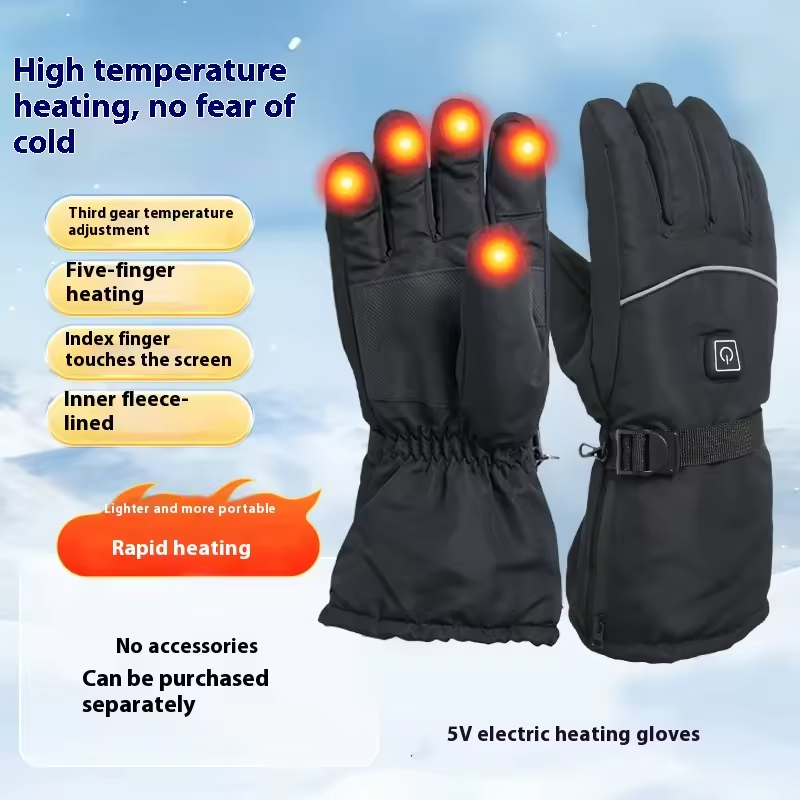
Low runs 100-113°F for all-day comfort. Medium hits 122-131°F for active use. High pumps 140-150°F when temps drop below zero. Fixed-heat gloves give you no options. Your hands either roast or freeze.
Advanced models use app control now. Eddie Bauer’s Guide Pro adjusts heat based on your activity and body temp. The AI algorithm tracks movement. Heat output changes on its own. You set your preferred temp from 68-95°F. The system handles the rest.
Steady output beats peak temp. Cheap heating elements create hot spots near the battery. Quality systems spread warmth across your entire hand. Every fingertip gets heat. Not just the backs. Not just the palms.
Test performance in real freezing temps. Anything below 32°F shows you what your gloves can do. Marketing claims about “extreme cold protection” mean nothing without temp specifics and runtime data.
2. Battery Life & Capacity
A 3000mAh battery is your minimum for serious use. This gives you 3+ hours of steady heat. Drop to low setting and you get 8 hours.
Higher capacity means longer runtime. The Muddy Nucleus uses 3500mAh batteries. These stretch your hunt or work shift without swapping. Smaller 2000-2200mAh batteries force you to carry extras or quit.
Real-world performance differs from specs. Temp, heat setting, and wind exposure all drain power faster. One skier’s ActionHeat gloves died after one hour in 16-26°F conditions. The box claimed two-plus hours. Expect less runtime than advertised.
Extra batteries save your day. Buy at least one spare set. Charge them both the night before. Pack the extras in an inside pocket to keep them warm. Cold batteries drain 30% faster than room-temp ones.
Charging time matters for multi-day trips. Most batteries need 3-4 hours for a full charge. Plan your charging schedule. One pair charges while you wear the other. USB charging adds options. Power up from your phone battery pack during breaks.
3. Material Quality & Insulation Type
The shell and insulation work together. One without the other fails.
Thinsulate insulation traps heat in thin layers. Your fingers move with ease. Fleece adds softness and breathability. Polyester fills cost less but add bulk. The best gloves mix materials with purpose. Heavy insulation on the back. Thinner padding on the palm for grip.
GORE-TEX shells give you waterproof protection that breathes. Sweat escapes. Snow stays out. Cheaper waterproof membranes trap moisture inside. Your hands get clammy. Cold, wet skin loses heat fast.
Goat skin and sheep leather add strength to palms and fingers. These materials grip tools and poles without slipping. They flex with your hand. Synthetic leather works too but wears faster.
Insulation weight tells you warmth level. The Gerbing S7 uses 270g highloft on top and 170g on palms. Outdoor Research Prevail packs 333g on backs. More grams equal more warmth but less finger control.
Quality materials cost more upfront. They last longer and perform better. A $100 pair with good insulation beats a $200 pair with cheap fill every time.
4. Weather Resistance Features
Rain and snow destroy electronics. Your gloves need serious weather protection.
GORE-TEX rated waterproofing stops moisture dead. The membrane blocks water molecules. Air molecules pass through. Your hands stay dry inside and out. Lesser ratings like “water-resistant” fail in heavy snow or long exposure.
Sealed battery compartments protect power sources. Water kills lithium-ion batteries fast. Look for waterproof zippers or welded pockets. The compartment needs drainage too. Condensation builds up inside any closed space.
Wind steals heat faster than cold air alone. Windproof shells use tight-weave fabrics. The Outdoor Research Sureshot struggled in steady wind. Breathable designs let air through. This becomes a weakness on motorcycles or ski lifts.
Gauntlet cuffs stop snow from sliding up your sleeve. The cuff should extend past your wrist. Adjustable straps cinch tight over jacket sleeves. Velcro or elastic keeps everything sealed.
DWR coatings make water bead up and roll off. These treatments wear off over time. Spray on waterproofing each season. Your gloves stay protective longer.
5. Fit, Dexterity & Proper Sizing
Loose gloves let cold air in. Tight gloves restrict blood flow. Both make your hands colder.
Measure your hand before ordering. You need two numbers: hand length from wrist to middle fingertip, and width around your widest palm part. Match these to the brand’s sizing chart. Don’t guess.
Try gloves with your base layers on. Thin liner gloves add warmth but take up space. Make sure heated gloves fit over them. The combo should feel snug without squeezing.
Touchscreen compatibility saves hassle. Special material on your index finger and thumb lets you use your phone. No stripping gloves off in the cold. Check which fingers work. Some gloves activate just one fingertip.
Dexterity depends on your activity. Skiing needs decent finger movement but not precision. Photography needs individual finger control. Motorcycle riding sits in between. Thicker insulation cuts down on dexterity. Find your acceptable tradeoff.
Pre-curved fingers match your natural hand position. Straight gloves force you to flex all the time. This tires your hands and reduces grip strength. Quality gloves shape to how you hold things.
Wrist length matters for different uses. Short cuffs fit under jacket sleeves for active sports. Long gauntlets cover the gap for sitting still. Match length to your main use case.
6. Durability for Your Use Type
Construction work destroys gloves faster than casual use. Buy for your needs.
Strong palms and fingertips resist wear. Double-layer leather or synthetic patches protect high-wear areas. These spots contact tools, poles, and rough surfaces all day. Single-layer materials wear through in weeks.
Stitching quality shows overall build. Double or triple stitching at stress points stops seam failure. Check the fingers, thumb, and wrist attachment. Weak stitching comes apart under tension.
Heating element protection matters over time. Wires break from repeated bending. Quality gloves route wires away from flex points. The heating panels should sit in strong pockets. Impact protection stops damage from drops or bumps.
Battery pocket construction takes abuse. Zippers fail from catching on debris. Velcro wears out and loses grip. Look for YKK zippers or welded closures. The pocket should hold batteries tight during movement.
Warranty coverage shows manufacturer confidence. Gerbing offers lifetime warranty. Outdoor Research backs products with their Infinite Guarantee. These brands fix or replace broken gloves. Budget options often give you 30-90 days then nothing.
7. Heating Type Match to Exposure Level
Battery-powered gloves lead the market now. Rechargeable lithium-ion batteries power heating wires. You get adjustable heat settings. Runtime depends on capacity and setting used.
Chemical heat packs work for single-use situations. Activate the pack and it heats for 4-8 hours. No batteries to charge. No wires to break. But you can’t adjust temp. You can’t reuse them. Cost adds up fast for regular use.
Passive insulation alone works for brief cold exposure. Good insulation traps your body heat. No power needed. But in steady freezing conditions below 20°F, insulation can’t keep up. Your hands will get cold over time.
Match heating type to your exposure time. One hour or less in freezing temps? Passive insulation might be enough. One to three hours? Battery gloves on low setting work well. Three-plus hours below zero? You need high-capacity batteries or chemical packs as backup.
Activity level changes your needs. Active use creates body heat. You might need just low setting help. Sitting still like hunting or ice fishing needs steady high heat. Your body isn’t warming your hands through movement.
Here’s the practical breakdown:
|
Heating Type |
Best For |
Duration |
Control |
Cost |
|---|---|---|---|---|
|
Battery Heated |
Regular cold exposure |
3-8 hours |
Adjustable |
Higher upfront |
|
Chemical Packs |
Occasional use |
4-8 hours |
None |
Low per use |
|
Passive |
Brief exposure |
Indefinite |
None |
Lowest |
Skip batteries under 3000mAh if you face more than one hour of hard cold. Skip any gloves with unsealed battery compartments for wet conditions. Skip Bluetooth features unless you’ll use app control.
The right heated gloves match your coldest expected conditions. Don’t buy for average temps. Buy for the worst day you’ll face. That’s when you’ll need them most.
Choosing by Activity: Which Heated Gloves for Your Use Case
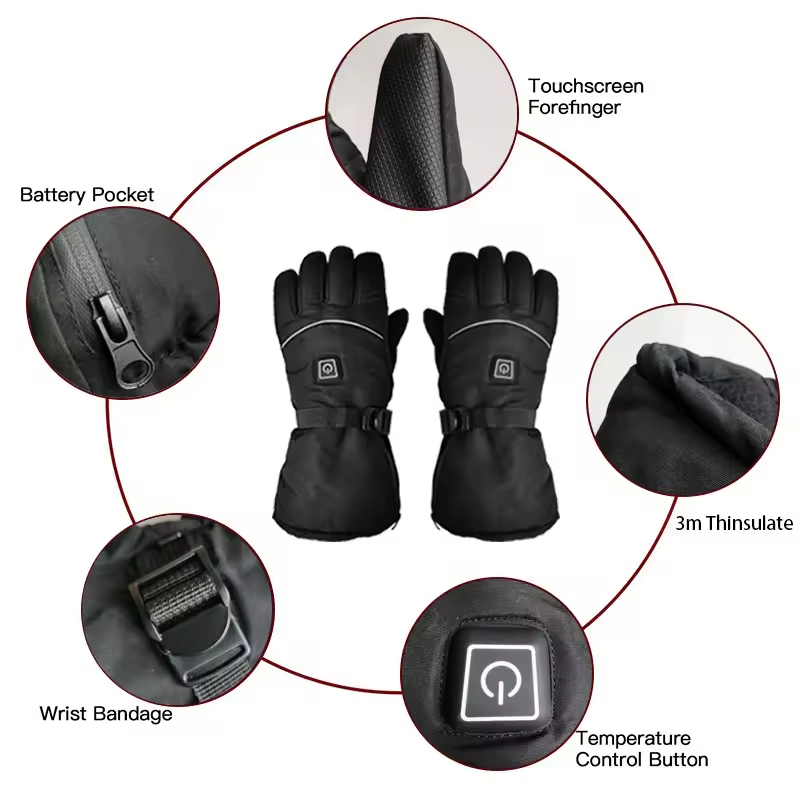
Your activity determines which heated gloves work. Lab tests show clear differences for each use.
For skiing and snow sports, you need even heat and good runtime. The Snow Deer Ski Mittens hit over 150°F. They hold that warmth for two full hours. Heat spreads across your hands. The Outdoor Research Prevail reaches 140°F fast with top build quality. The Gerbing S7 gives the warmest performance with 270g insulation and color-coded heat controls. All three handle hard skiing without cold spots.
Hiking, camping, and hunting need longer battery life. The Savior Heat Lightweight heats to 149°F in minutes. It keeps steady warmth for three hours. Leather fingertip wrapping adds grip. The Snow Deer 2 runs six hours straight above 120°F. That stability tops every other model for long outdoor trips. Both pair well with layering systems.
Extreme cold and still activities like ice fishing or outdoor station work need a different approach. Heated mittens beat gloves if you’re not moving. Your fingers share warmth. Battery-heated options let you toggle power on and off to stretch runtime. Chemical warmers at the wrist speed up cooling through gaps. Skip them.
Tasks needing finger precision—operating gear, taking photos, starting fires—need thin heated liners under shell gloves. These models focus warmth on fingertips and palms without bulk. You keep your dexterity. Power rewarms your hands faster than body heat alone after you’ve taken gloves off for detailed work.
Test your gloves with the gear you’ll use. Ski pole grips, camera controls, tent zippers—these show fit problems before you’re stuck in the backcountry.
Conclusion
Finding the best heated gloves is easier than you think. No need to wade through confusing specs and overhyped claims. Battling Raynaud’s on your commute? Skiing all day? Working outside in freezing temps? There’s a heated glove built for your needs—and now you know which ones work.
The real winners? The Gerbing S7 for serious warmth. The Savior Heat liners for tight budgets. The Eddie Bauer Guide Pro for tech fans who want smart controls. Here’s what matters most: match your glove to what you do. Pick battery life over flashy extras. Don’t give up fit for features.
Cold hands wreck your day. They’re more than uncomfortable. Stop dealing with numb fingers. Experience winter how you want. Check prices on your top pick. Read fresh user reviews for real feedback. Get your hands warm before the next freeze hits. Everyone else will complain about frozen fingers while you keep going strong.