
You found a cooling vest supplier with a modern website. The MOQ is right there on the page — 500 pieces minimum. Your stomach drops. You need 50.
Again.
Nobody warned you about this part. Starting to source OEM cooling vests for your retail operation sounds straightforward. It’s not. This industry wasn’t built for small buyers.
The problems stack up fast:
-
Minimum order quantities that price you out before you start
-
Pricing structures that get more confusing the longer you look at them
-
Lead times that stretch on longer than they should
This system is broken. And it’s not your fault for struggling with it.
Here’s an honest breakdown of why small business cooling product sourcing feels like running a maze — and what you can do about it.
Content Framework: Why Small Retailers Struggle To Find Affordable OEM Cooling Vest Suppliers
The global cooling vest market is worth over $400 million — and almost none of that infrastructure was built with you in mind.
Here’s the reality: the top 5 players control 45% of total market revenue. Names like Glacier Tek, Polar Products, and Ergodyne didn’t build their supply chains for 50-unit orders from independent retailers. They built them for military contracts. Government tenders. Industrial fleets.
That market consolidation is the entire problem. Full stop.
Manufacturers protect their margins first. They prioritize bulk buyers, direct end-users, and established distributors. Small retailers sit at the bottom of that list. That gap creates real consequences:
-
Higher per-unit costs with zero negotiating leverage
-
Distribution channels built around large-volume industrial buyers
-
OEM cooling vest production costs that require serious scale to break even
The system excludes small retailers by design. That’s not an accident — it’s just how the math works.
The Real MOQ Problem: Why 100-Piece Minimums Still Price Out Small Retailers
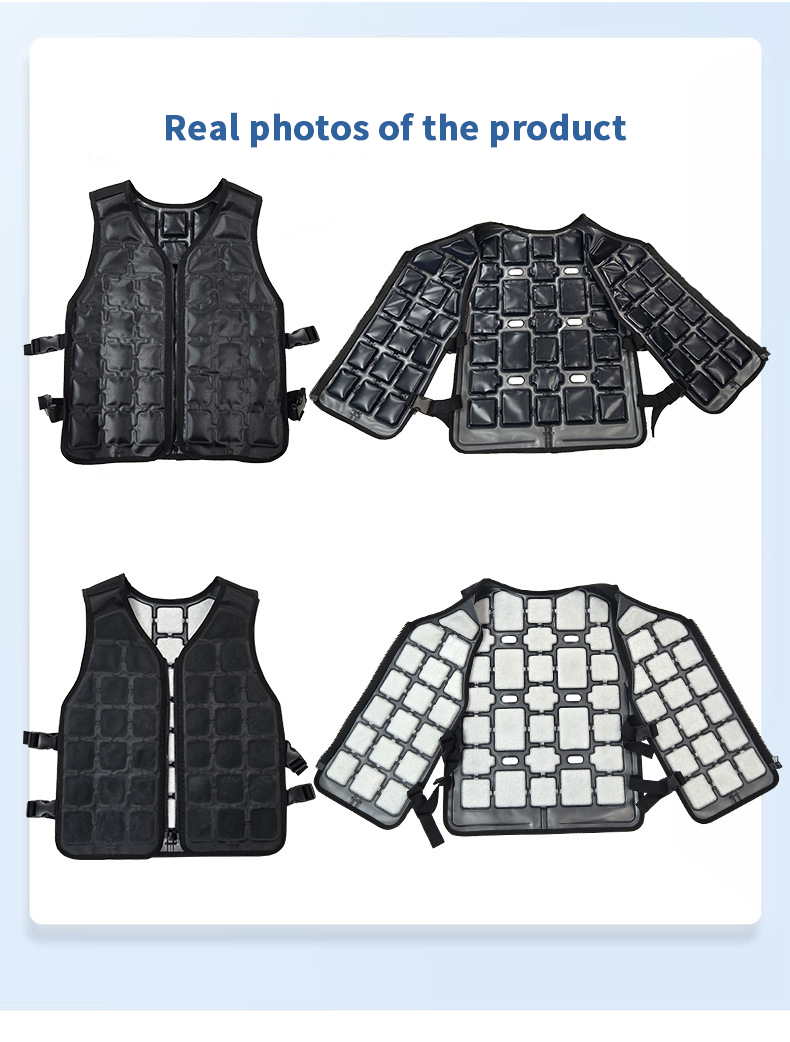
Let’s talk about the math that nobody puts on their website. Because the math is mean.
Here’s how MOQ works behind the scenes. A factory quotes you a minimum order of 100 units — sounds reasonable, right? Almost doable? But look at what that number is doing to you. Setup costs for a production run — cutting equipment, mold configuration, material preparation — run close to the same whether you’re making 10 units or 10,000. The factory isn’t being cruel. They’re just protecting margins that don’t exist at small volumes.
A simple example shows this clearly:
-
Fixed production costs: $10,000
-
Selling price per vest: $20
-
Variable cost per unit: $8
-
Contribution margin: $12 per unit
-
Break-even MOQ: ~834 units
Eight hundred and thirty-four units. For a small retailer with a storage room the size of a generous closet.
This is where the trap closes. You can’t meet the MOQ. So the supplier either turns down your order or pushes your per-unit price into territory that kills your retail margin. You’re not getting the deal — you’re covering someone else’s bulk discount.
The inventory consequences add up fast:
-
Overstock risk that ties up cash flow for months
-
Storage costs that weren’t in your original budget
-
Reorder minimums that often run higher than initial orders — this is common with international cooling vest factory sourcing
Some suppliers get small retail. They offer real alternatives — value-based MOQs (a $5,000 order minimum instead of a unit count), tiered flexibility by style or colorway, or low-MOQ first orders built for market testing.
Those suppliers exist. They’re just harder to find. That’s the real problem.
Opaque Pricing Structures: What “From $9.50/Piece” Really Means for Your Budget
“From $9.50/piece.” Four words. Right there on the product page. It feels like you’ve cracked the code on affordable OEM cooling vest sourcing.
You haven’t.
That number is the floor of a building you’re not allowed into yet. In cooling vest wholesale pricing, “$9.50” is the lowest possible allocation price. Suppliers reserve it for their highest-volume, longest-relationship, most-leverage buyers. You’re not those buyers. Not yet. At their MOQ, you may never be.
Here’s what the real math does to your budget:
-
Advertised base price: $9.50/piece
-
Realistic effective cost after allocations: 20–40% higher
-
What you’re paying: somewhere between $11.40 and $13.30 per unit — before shipping, customs, or branding fees
That gap is no accident. It’s a built-in feature of how OEM cooling vest production costs get quoted to small buyers.
Suppliers keep the pricing vague on purpose. Base-price advertising pulls in attention and inquiry volume. The real number shows up later — after you’ve spent time, traded back-and-forth emails, and paid sample fees.
So what should you look for instead? Transparent, tiered pricing broken down by unit range. A trustworthy low MOQ cooling vest manufacturer shows you the price for 50 units and the price for 200 units — side by side, no digging required. You see the full picture before committing to anything.
A supplier who won’t show you a clear price ladder upfront? That silence is your answer.
30–50 Day Lead Times and the Cash Flow Trap Small Retailers Fall Into
Thirty days. Sometimes fifty. That’s how long your money vanishes between “we’ve placed the order” and “the vests have arrived.”
Run the math on your cash position during that window. The numbers aren’t pretty.
Here’s the trap in plain terms: you pay your cooling vest factory supplier within 30 days of receiving inventory. Your retail customers also operate on 30-day credit terms. Looks balanced on paper. But your inventory doesn’t sell the moment it lands. It sits. It waits. Every day it sits, your cash stays locked inside boxes that haven’t earned you a cent.
The numbers get uncomfortable fast:
-
Industry DSO for wholesale suppliers: 30–50 days — that’s the standard window where your capital is frozen
-
A retailer carrying $10M in annual COGS at 60 days DIO has $1.64M tied up in stock
-
Shave just 10 days off that cycle? You free up $274,000 in working capital
For a small business cooling product sourcing operation running on tight margins, that’s not just an accounting detail. That’s the difference between making payroll and missing it.
Phase change cooling vest OEM orders from China make this worse. Longer transit windows push your effective DIO far past the standard benchmark. Your cash stays frozen longer, and your margin for error shrinks.
The inventory-to-sales ratio for independent retailers sits at 1.2 months on average. Stack a 30-to-50-day international lead time from a heat stress workwear supplier on top of that. You’re no longer running a retail business. You’re running a very expensive waiting room.
Why Quality Verification Is Almost Impossible Without Factory Access

Factory audits sound simple. Request access, show up, inspect the line, done. But that’s not how cooling vest factory relationships work for small buyers. The gap between “I’ll verify quality before I commit” and what’s possible is wider than most retailers expect.
Here’s the core problem: quality isn’t a single checkpoint. It’s a chain of live decisions happening on the shop floor in real time. Sensors drift. Workers enter batch records by hand while juggling three other tasks. Legacy machines from different vendors output data in formats that don’t talk to each other. None of this is visible from a laptop in another country.
What you can’t verify from a distance:
-
Whether sensor calibration drifted during your specific production run
-
Whether workers entered batch numbers at all — let alone entered them right
-
Whether the quality standard applied to your order matches what was quoted
The compliance side makes this worse. ISO 9001-certified OEM cooling vest manufacturers must keep traceable documentation. But remote access rarely tells you whether that documentation is real, current, or tied to your order at all.
Without factory access, you’re not evaluating quality. You’re evaluating how well a supplier can describe quality.
That distinction costs small retailers money — and it happens more than once.
The China Supplier Communication Gap: More Than Just a Language Barrier
Most people assume the hard part is finding a supplier who speaks English. It isn’t.
Chinese business culture runs on guanxi — a system of personal relationships and trust. It builds over time, through repeated interactions and earned credibility. Western buyers want fast answers, clear terms, and decisions by Thursday. Those two rhythms don’t match. What looks like evasion or vagueness from a supplier is often just… how business works over there. Indirect. Layered. Relationship-first.
That gap creates real operational damage:
-
Specs get lost in translation — not in language, but in culture. “Good quality” means something different when no one has built enough trust to say “this batch failed.”
-
Policy changes happen without warning. Research suggests only 12% of business contacts knew about major regulatory or operational changes before implementation. You find out after your order is already in production.
-
Feedback loops barely exist. Try raising a quality concern through email chains across time zones, with no established relationship. Getting a straight answer is rare.
Intermediaries can help close this gap — but they cost you control. Each layer between you and the cooling vest factory floor adds another filter. That filter distorts what you need to know.
A better translation app won’t fix this. You need a heat stress workwear supplier who builds transparent, two-way communication into their process from the start — not something patched on later.
Manufacturer vs. Trading Company: The Supplier Identification Problem That Costs Small Retailers More
The supplier you think is a factory? It’s not.
Nobody tells you this until after you’ve already wired a deposit. That sleek website with the product photos and the “Direct from Manufacturer” banner — it might belong to a trading company on the 14th floor of a commercial tower in Guangzhou. They’re buying from the same factories you could contact yourself. And they’re charging you 20 to 50% more for the pleasure of being in the middle.
Here’s how bad the problem is: U.S. import data overstates foreign manufacturer counts by 25%. Trading companies slip through under rules that are supposed to list actual producers only. In textiles — which includes your cooling vest factory suppliers — this overcounting is worse than any other product category. The numbers look like manufacturers. They aren’t.
Why this costs small retailers real money:
-
Trading companies inflate per-unit prices by 20–50% compared to direct factory sourcing
-
You lose audit access — a trader has no production floor to show you
-
Lead times stretch because orders pass through an extra layer
-
Quality control becomes someone else’s problem, not yours
How to spot the difference before you commit:
|
Signal |
Manufacturer |
Trading Company |
|---|---|---|
|
Office location |
Industrial district |
City-center commercial tower |
|
Product range |
Narrow, specialized, deep specs |
Broad catalog, light on technical detail |
|
Customization |
Discusses materials, MOQs, process |
Vague, outsources decisions |
|
Certificates |
ISO/CE lists their facility name |
Certificate names a third party |
|
Business license scope |
Manufacturing |
Trading or wholesale |
A real low MOQ cooling vest manufacturer knows their production line inside out. They show you material certifications tied to their facility. They walk you through cooling vest customization options without stopping to “check with the factory.”
Needing to check with the factory means they’re not the factory.
A Practical Supplier Evaluation Checklist for Small Retailers Sourcing OEM Cooling Vests
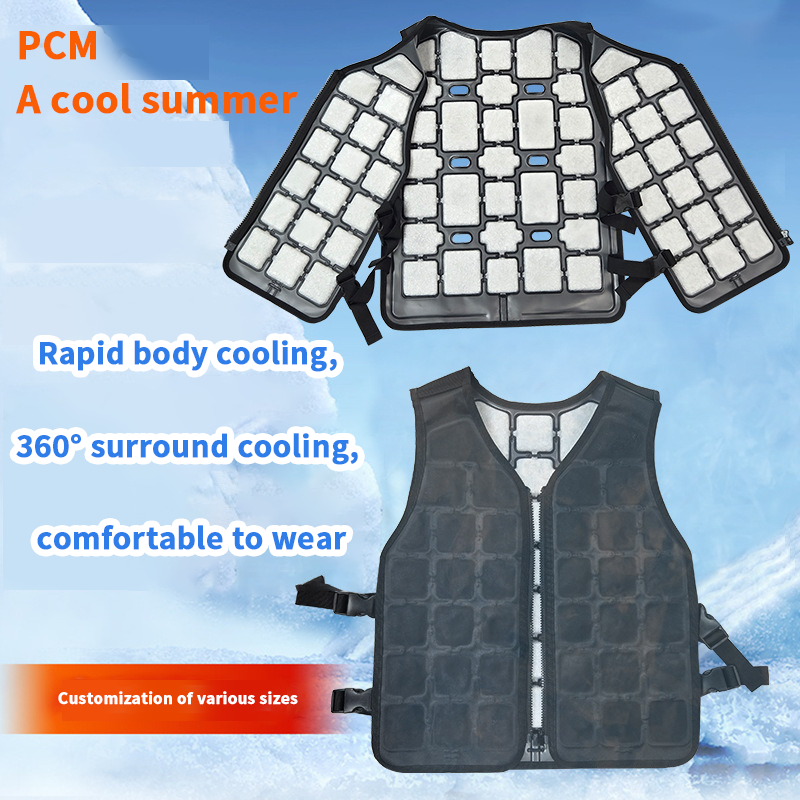
Stop winging it. You’ve just learned about MOQ traps, phantom pricing, and trading companies pretending to be factories. You deserve a real framework — not a “do your research” pep talk. This is an actual checklist. Open it at 11pm when you’re three hours deep in supplier research and your eyes are starting to cross.
Here’s what to verify before you commit to anything:
MOQ & Order Flexibility
– Does the supplier offer value-based MOQ (dollar minimums instead of unit counts)?
– Can you mix styles or colorways to hit the minimum — or is it one SKU, all the way down?
– Is there a sample order option before full production commitment?
Cooling Vest-Specific Product Standards
– What phase-change materials or gel packs do they use? What’s the rated cooling duration?
– Can they provide fabric breathability specs — not just “breathable fabric,” but actual ratings?
– Are sizing options broad enough for your customer base?
Pricing Transparency
– Do they show a tiered price ladder — 50 units, 100 units, 200 units — without you asking three times?
– Are customization fees (logo, color, label) quoted upfront? Or do they show up buried in a follow-up email?
Quality & Compliance
– Does their ISO 9001 certificate name their facility by name?
– Can they provide batch-level documentation tied to your order?
Communication & Lead Times
– What’s their standard production-to-delivery window for evaporative cooling vest wholesale or phase change cooling vest OEM orders?
– Do they send updates during production on their own — or do you have to chase them down?
Supplier Identity Verification
– Does their business license classify them as a manufacturer, not a trading company?
– Can they show you their actual production facility — on video call or in person?
A supplier who hesitates on more than two of these? That hesitation is data. Use it.
What to Look for in an Affordable OEM Cooling Vest Supplier Built for Small Retailers
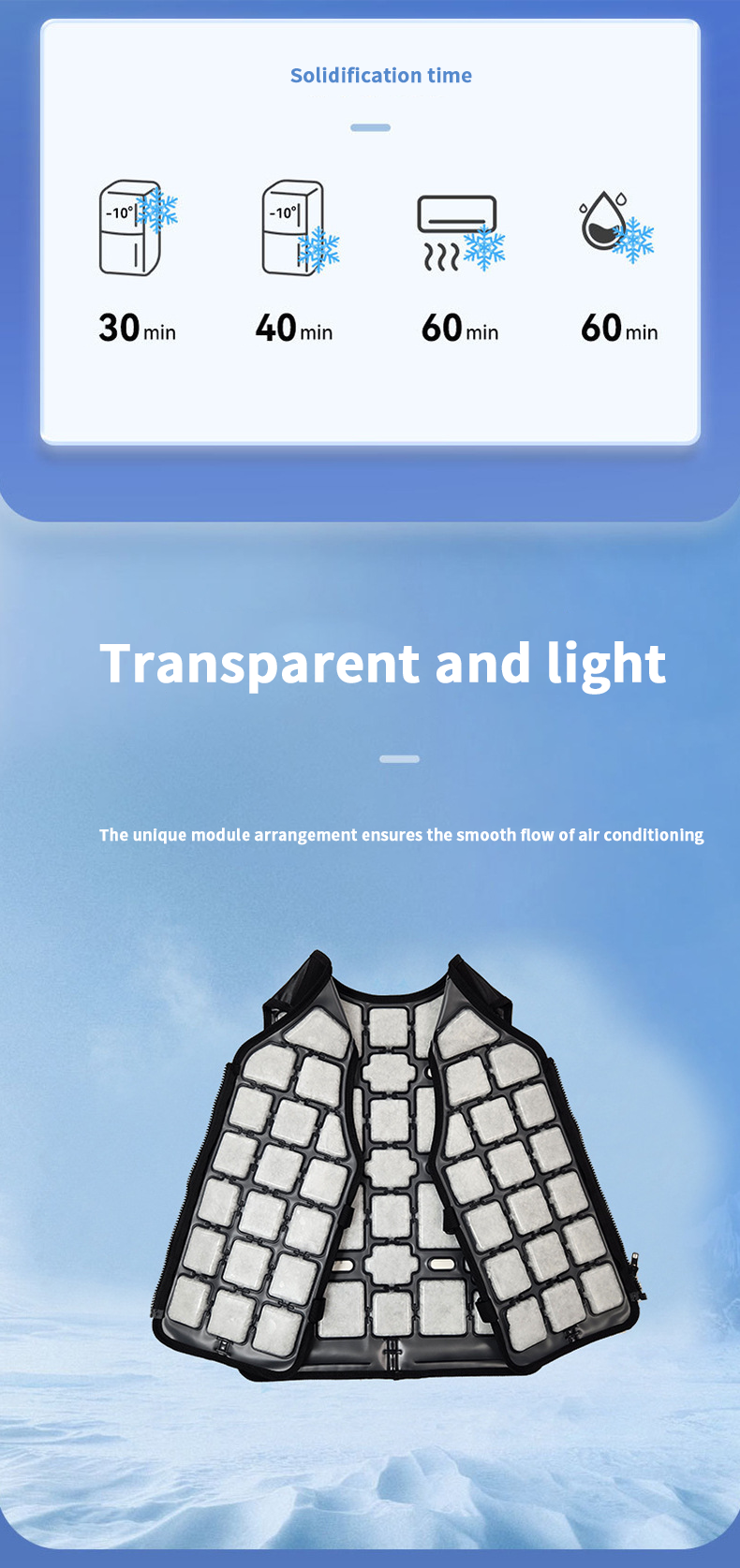
Not every supplier who says they work with small retailers understands what that means. Here’s what the good ones look like — plain terms, real numbers.
Certifications that mean something
ISO 9001 matters. It means quality management runs from raw material to finished product — not just a final check after someone’s already packed your vests. Ask for the certificate. Make sure your supplier’s facility name is on it. No name, no proof.
Production capacity with a buffer
A factory at 92% capacity or above is a factory headed for missed deliveries. The sweet spot sits at 75–85% utilization. Ask for OEE data from the last 12 months. You want an 82%+ average. Sharp dips in certain months — say, 82% in January, 61% in May — point to a peak-season gap. That gap becomes your problem when summer orders hit.
MOQ that fits a small retail reality
Fifty pieces minimum is workable. Even better: suppliers who use value-based MOQ — a dollar threshold rather than a fixed unit count. This gives you more flexibility on mix and size range. Also check whether they can absorb a 30% volume spike. Summer demand can jump fast, and you need a supplier who moves with you.
Cooling performance you can verify
– Cooling duration: 2.5–4 hours in a 35°C environment
– PCM vests: 3–4 hours; advanced models: up to 10 hours
– Reuse cycles: 60,000x minimum
– Service life: 3 years
– Weight range: 749g–1.4kg
Get these numbers in writing. Verbal claims don’t hold up when a customer returns a vest after two weeks.
Customization that goes deeper than a logo
Body-mapped construction lifts cooling efficiency by 30–40%. That’s a meaningful performance gap your customers will notice. Look for PCM formula options, adjustable activation temperatures, antimicrobial or flame-resistant fabric choices, and fit options beyond S/M/L. Free design support should come standard. Any supplier treating it as an add-on is padding margin at your expense.
Pricing that holds up under scrutiny
Realistic landed cost for OEM cooling vest production runs $3.70–$4.70/piece at 100-unit MOQ. A 15% price premium from a supplier with 98% on-time delivery beats a lower unit cost from a source running 30% defect rates. The savings disappear fast once you factor in returns, replacements, and lost customers. That math isn’t close.
A supplier who checks these boxes isn’t impossible to find — but they do take time to vet properly.
FAQ: Small Retailers’ Most Common Questions About OEM Cooling Vest Sourcing
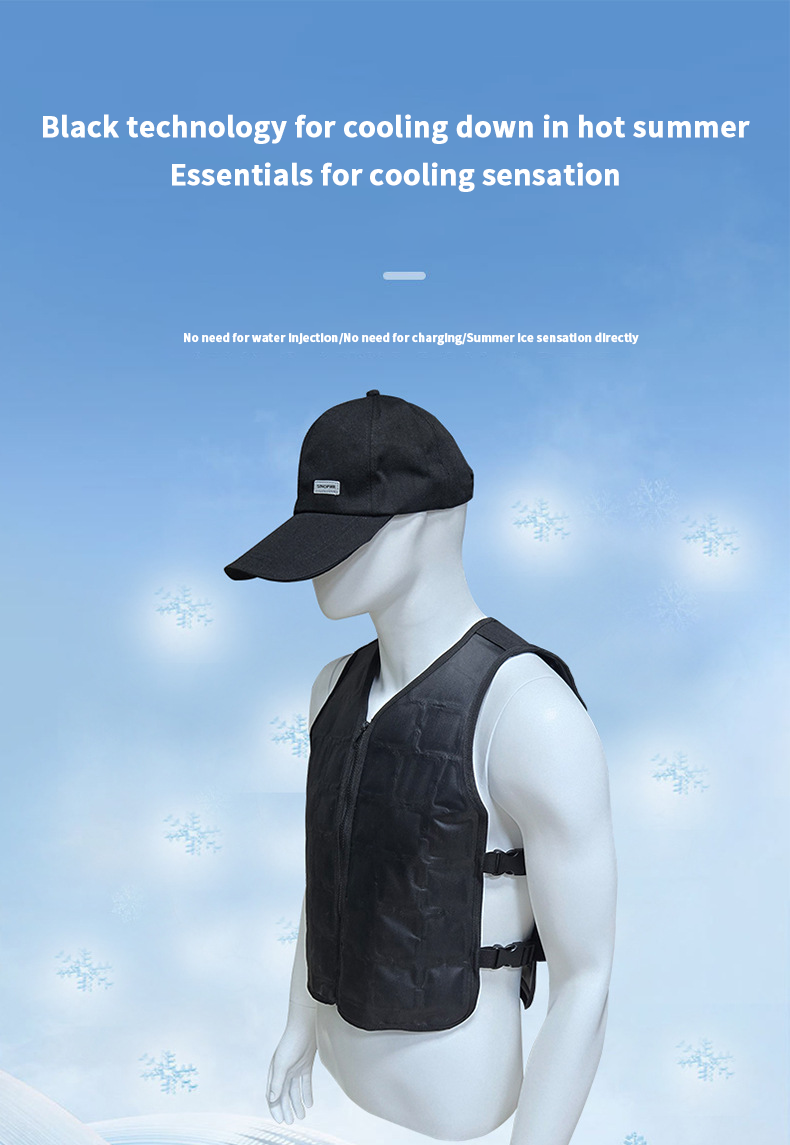
Real questions. The kind people type into search bars at midnight, a little panicked, maybe eating cereal for dinner.
What’s the minimum order quantity I can expect?
It depends on the supplier — which is the honest answer, and the frustrating one. Most factories quote 100–500 units. A growing number of manufacturers now offer value-based MOQs: a dollar threshold (say, $1,500–$3,000) instead of a fixed unit count. That structure works much better for small retailers testing a new SKU.
Will raw material prices blow up my budget without warning?
They might. Recent geopolitical tensions pushed key raw material costs up 18% in a short window. Some inputs — graphene, advanced phase-change compounds — are especially price-volatile. Ask suppliers upfront whether their quoted price is locked, and for how long.
Is phase change or evaporative better for my customer base?
Both sell. Evaporative vests lead the market at a projected $286.9 million by 2030. PCM vests win in humid conditions where evaporation fails. Stock based on your climate and customer use case — not just price.
Can I get samples before committing?
Yes — and insist on it. A supplier who hesitates on samples before a full production run is a supplier worth walking away from. No exceptions.
What’s a realistic landed cost per unit at small quantities?
At a 100-unit MOQ, expect $3.70–$4.70/piece before shipping, customs, and branding. Budget 20–30% above any advertised base price. That gap catches small retailers off guard more often than not. Build it into your numbers from day one.
Conclusion
Here’s the uncomfortable truth nobody tells you upfront: the system wasn’t designed with small retailers in mind. High MOQs. Foggy pricing. 45-day lead times that drain your cash flow. It was built for volume buyers. Everyone else figures that out the hard way.
But now you know better.
Finding an affordable OEM cooling vest supplier doesn’t take a massive budget or a sourcing team in Shenzhen. You need to ask the right questions. Read the checklist like your margins depend on it — because they do. Choose a low MOQ cooling vest manufacturer who genuinely wants your business at your scale. Not one that just puts up with it.
That supplier exists. Coolheatech.com was built for exactly this gap.
So stop refreshing Alibaba pages. Start a real conversation instead. Request a sample. Ask for a transparent quote. The next move is yours — and it’s far simpler than the industry wants you to think.