
It’s a hot summer afternoon. Your dog is spread across the floor, panting hard. Water and shade are right there, but they don’t seem to help. You’ve heard about cooling mats. But one question keeps coming back—are cooling mats safe for dogs? Every responsible pet owner should know the answer before buying one.
Cooling mats can help your dog beat the heat. Not all products are safe, though. Gel can leak. Dogs might chew through them. You need to understand these safety risks. This guide covers how these mats work and what dangers exist in cheap products. You’ll learn what makes a cooling mat safe and effective. You’ll also get proven tips to keep your dog cool and safe all summer.
What Are Dog Cooling Mats and How Do They Work
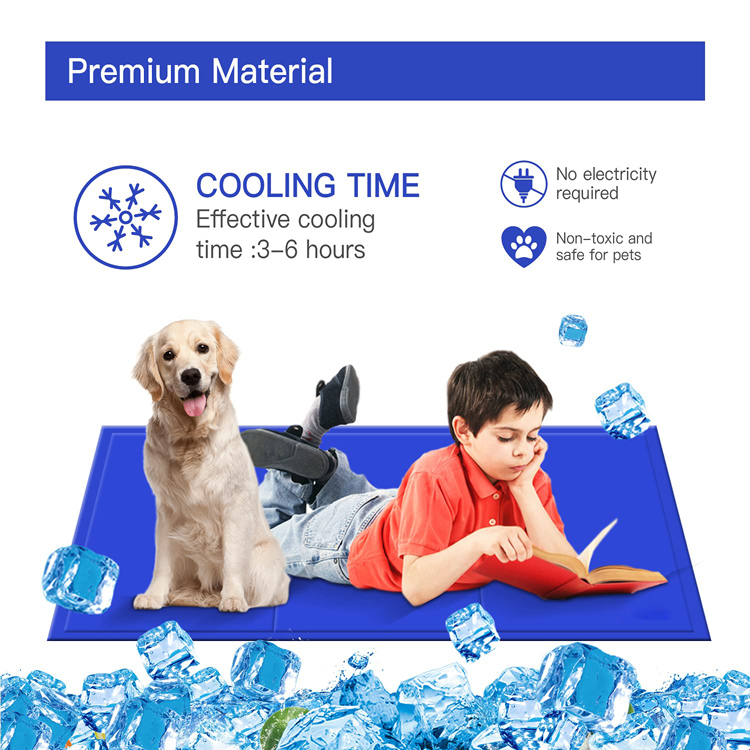
Dog cooling mats are flat pads that absorb body heat from your pet. They create a cooler surface than the air around them. Dogs lie on them to control body temperature, after exercise or in hot weather.
Different Cooling Technologies
Pressure-activated gel mats are the most common type. They have cooling gel inside that works once your dog’s weight presses on it. The gel pulls heat from your dog’s body. Then it spreads that heat into the mat and air. These mats cool for long periods. No electricity, fridge, or water needed. The gel resets itself once your dog gets up. Most products get cool again after 15–20 minutes of rest. This timing changes by brand—no set standard exists. Gel mats control temperature better than water ones. They stay cool much longer too.
Water-filled mats work another way. You fill them with water or add ice packs. Heat moves from your dog’s body into the water. The problem? Temperature gets less stable as water warms. Ice melts or water hits room temperature, and cooling drops fast.
Phase Change Material (PCM) mats use special thermal tech. PCM turns from solid to liquid at a set temperature. This change pulls in a lot of heat. Some makers say PCM works up to 10 times better than regular gel. You must chill these mats in your fridge or freezer first.
Active electric mats give the most steady cooling. Products like “coolnis” can cool up to 10°C below room temp while plugged in. They have built-in cooling or air flow. You need power or a 12V adapter for car or camper use.
Are Cooling Mats Safe for Dogs? A Detailed Safety Analysis
The short answer: Yes, when used correctly. However, safety depends on material quality, proper usage, and awareness of potential risks.
1. Material Safety: What to Look For
Reputable brands (like Ice Bear) use food-grade, BPA-free gels and hypoallergenic fabrics to avoid toxicity or skin irritation. Avoid cheap mats with strong chemical odors, as they may contain harmful phthalates. Always check for certifications (e.g., FDA-compliant materials) and read user reviews to spot red flags.
2. Potential Risks and How to Mitigate Them
Overheating Misconception: Cooling mats lower surface temperature but don’t “cool” a dog actively. Never leave a dog confined to a mat in extreme heat (above 30°C/86°F)—they still need shade and water.
Allergic Reactions: Some dogs may react to fabric dyes or gel components. Test a small area first; opt for mats with removable, washable covers.
Damage from Chewing: Durable mats resist punctures, but aggressive chewers may tear them, risking ingestion of gel. Supervise use and replace damaged mats immediately.
Improper Placement: Avoid placing mats on hard surfaces (e.g., concrete) where heat can transfer back. Use on cool floors (tile, wood) for maximum effect.
How Cooling Happens
The science is simple. Your dog’s body runs hotter than the mat surface. Heat flows from hot to cold—dog to mat to air. This starts with direct contact, then air flow and heat waves spread it further.
Cooling mats work best on “thermal window” spots of your dog’s body. The space between the front legs and belly releases heat well. These areas touch a cool surface, and temperature drops faster. Body size plays a role. Small dogs lose heat through skin faster. They have more skin area compared to body mass. Large dogs cool slower.
Proven Effectiveness
A 2019 study tested three cooling methods after exercise: water dips, cooling mats, and fans. Water dips worked best for lowering body temperature. Cooling mats came in second. They beat fans by a clear margin. Vet experts say cooling mats work well for keeping ideal body temperature. They help a lot for flat-faced breeds—dogs with short noses like Pugs and Bulldogs.
These mats give spot cooling, not full room cooling. They cut heat load and lower heatstroke risk. They won’t drop your dog’s temperature too low. Most gel and water mats run without power. They’re easy to move and start on their own. Your dog lies down, and cooling begins right away.
Are Cooling Mats Safe for Dogs? Key Safety Facts
Most gel and water-based cooling mats pose no serious risk if you use them right. They’re safer than ice packs. They won’t cause the sudden temperature drops that lead to hypothermia in healthy dogs. But “safe” has conditions. You need to watch your pet. This matters more if they chew things or destroy toys. Cooling mats help manage heat. That’s their job. They don’t replace proper cooling methods during emergencies.
You Must Watch Your Dog
Never leave a dog alone on a cooling mat for more than 20–30 minutes. This time limit matters most for products with gel, foam, or water bladders inside. Puppies and destructive chewers need constant watching. They tear through fabric covers fast. The mat breaks open. Gel or foam pieces become choking hazards. Some dogs will eat anything they find interesting.
Large dogs and strong chewers create the biggest risk. They can puncture thick material in minutes. Small breeds might not have the jaw strength to cause damage. But they still need supervision. The rule stays simple: can’t watch your dog? Remove the mat.
What Happens If Your Dog Eats the Gel
Many brands label their gel as “non-toxic.” That term doesn’t mean harmless if swallowed in large amounts. Dogs that eat cooling gel often develop vomiting or diarrhea. The gel irritates the stomach lining. In rare cases, chunks of material cause intestinal blockages.
Your dog chews through a mat? Act fast. Remove the mat right away. Collect any loose pieces. Estimate how much gel or filling your dog ate. Check the mat’s original size against what’s left. Read the product packaging for ingredient lists. Most pet cooling gels use propylene glycol. This causes mild stomach upset. Ethylene glycol is different. This chemical appears in some industrial products. It’s very toxic at just 4.4–6.6 mL per kilogram of body weight.
Contact your vet or poison control right away if you see vomiting, heavy drooling, tiredness, tremors, or strange behavior. Don’t wait to see if symptoms get worse. Unknown ingredients? Get professional help. Speed matters with toxic ingestion. Every minute counts.
Temperature Safety: Too Cold or Not Cold Enough?
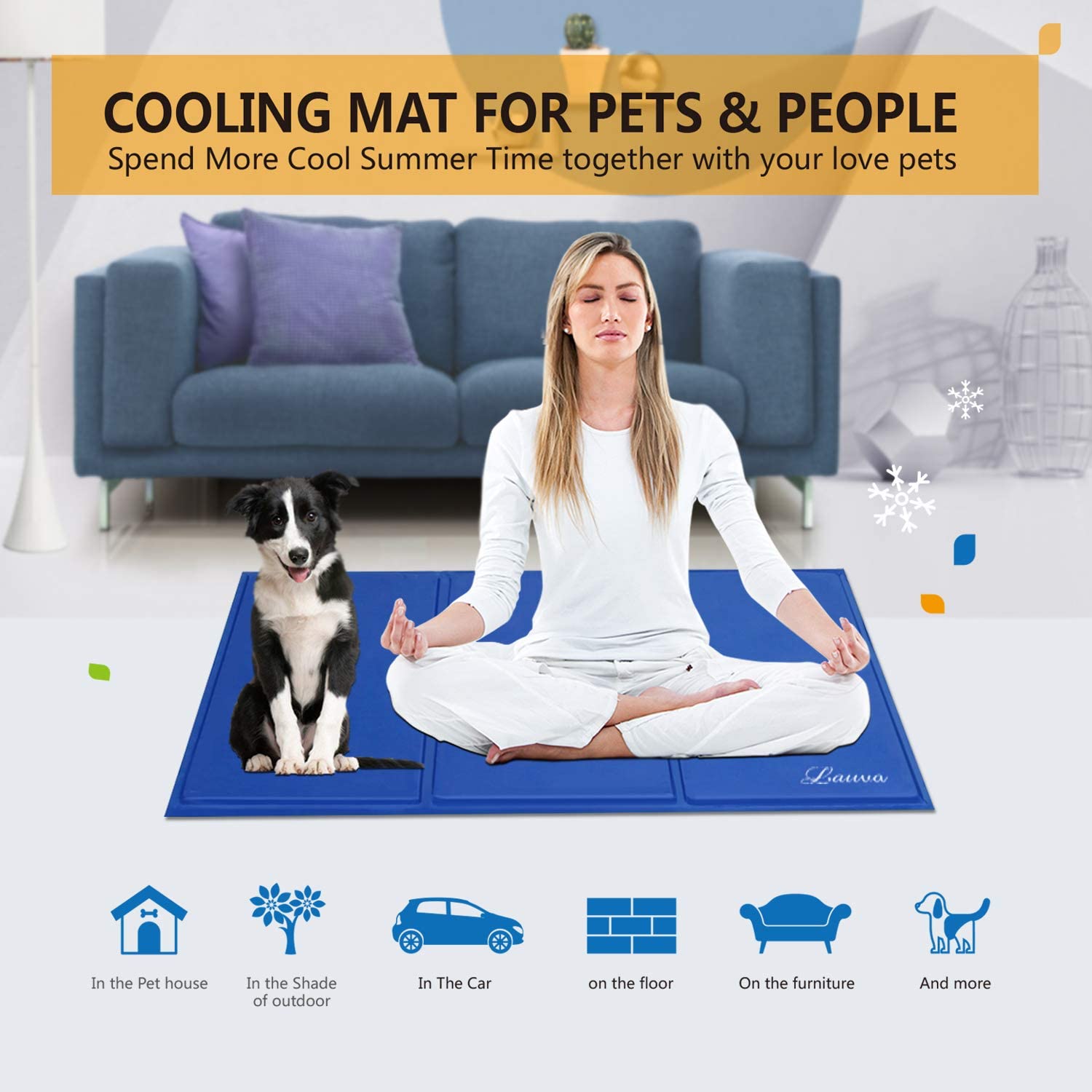
Dogs keep a core body temperature between 38.3–39.2°C (101–102.5°F). Heat injury starts above 39.4°C (103°F). It becomes life-threatening near 40.6–41.7°C (105–107°F). Cooling mats usually reduce body temperature by 0.4–0.8°C after exercise. That’s helpful but modest.
The bigger concern isn’t making your dog too cold. It’s not cooling them enough. Standard cooling mats won’t drop a healthy dog’s temperature below normal range. They work through passive heat transfer, not active cooling. The surface stays just below room temperature. Research shows cooling mats alone can’t prevent heatstroke in severe conditions.
Certain dogs do face overcooling risk. Very small breeds, thin-coated dogs, older pets, and young puppies lack body fat for insulation. Dogs with thyroid problems also struggle to regulate heat. Your dog fits these categories? Limit mat use to one or two hours at a time. Watch for shivering or reluctance to stay on the mat. Both signal they’re getting too cold.
Skin and Comfort Issues
Cooling mats keep surface temperatures below room level. So they don’t cause ice burns like frozen gel packs. But long contact creates other problems. Dogs that lie on damp or sweating mats for hours can develop contact dermatitis. Skin stays wet. This leads to irritation and bacterial growth.
Limit use to under two hours at a time. After that, let your dog’s skin dry before allowing them back on the mat. Check their belly, chest, and legs each week for redness, hair loss, or sores. Large breeds face an extra issue. Thin mats on hard floors put pressure on elbows, hips, and spine. This makes arthritis worse. It causes painful calluses.
Choose mats with at least 1–2 cm of foam or gel padding for big dogs. The mat should be large enough that your dog can stretch out without restriction. Edges shouldn’t dig into joints or force an awkward position.
Choking and Physical Hazards
Some cooling mats have zippers, plastic corners, or removable covers. These parts become choking risks if your dog pulls them off. Filling beads or small gel pods create the same danger once released from damaged seams. Avoid products with small pieces that your dog can swallow.
Check the mat before each use. Look for tears, loose stitching, or bulging seams. Replace any mat that shows damage. Even high-quality products wear out over time. A mat that was safe last month might be dangerous today.
Main Safety Risks You Need to Know
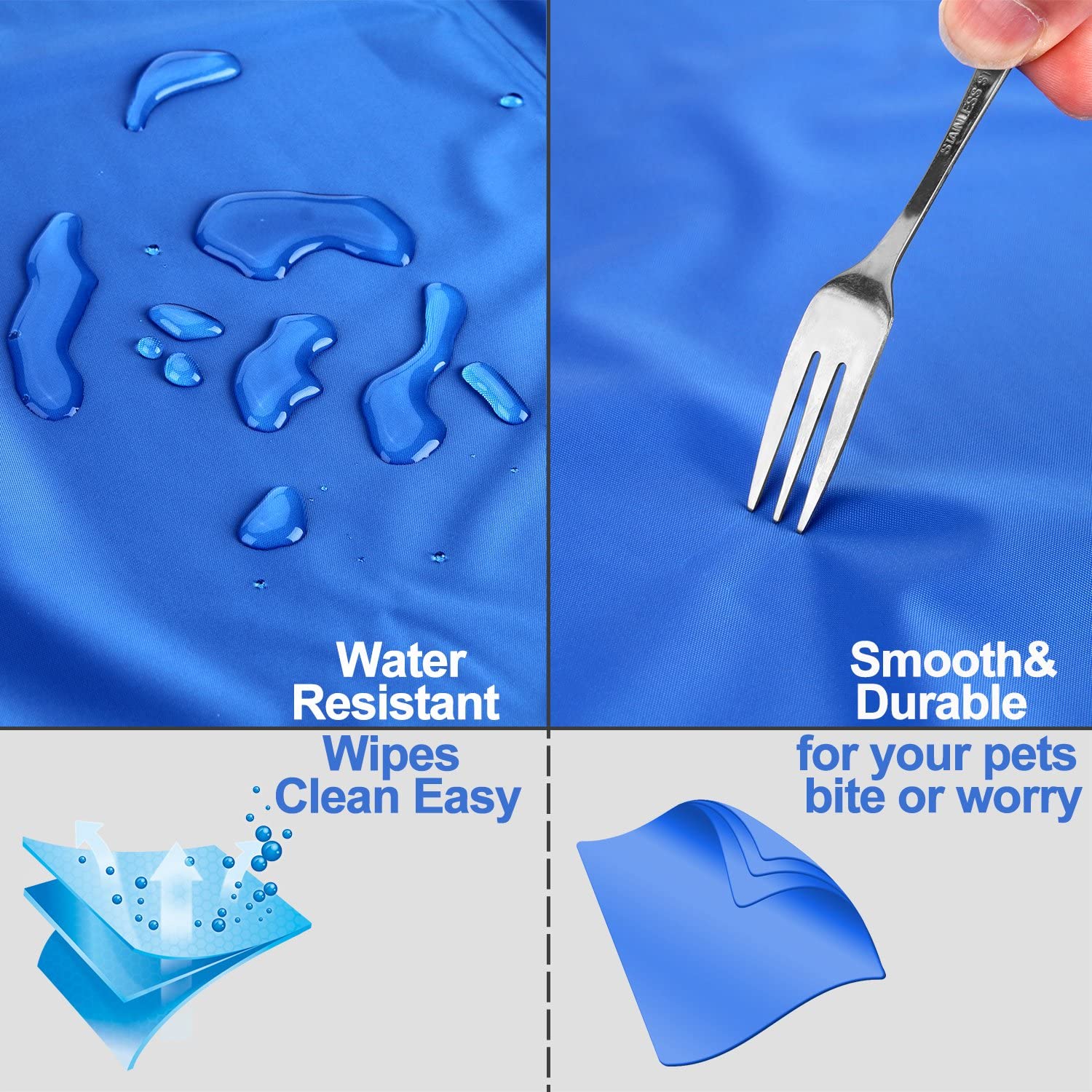
Cooling mats create four major safety issues. Every dog owner needs to understand these before buying. The risks include choking dangers and long-term health problems. Severity depends on your dog’s behavior, product quality, and supervision.
Gel Leakage and Ingestion Hazards
Punctured cooling mats release gel or foam filling. Dogs can swallow this material. This happens more often than most owners expect. Aggressive chewers tear through fabric covers within minutes. Gentle dogs also damage mats over time. Repeated use and claw contact cause wear.
Most pet cooling mats contain propylene glycol gel. Manufacturers label this as “non-toxic.” But that doesn’t mean safe in large amounts. Your dog eats a tablespoon of gel? They’ll probably get an upset stomach. Consume a cup or more? You’re looking at vomiting, diarrhea, and possible intestinal blockage.
Some industrial cooling products use ethylene glycol instead. This chemical is toxic. Just 4.4–6.6 mL per kilogram of your dog’s body weight can cause kidney failure. A 10 kg dog could suffer serious harm from less than two tablespoons. Always verify the gel type before buying. Check product labels. Contact the manufacturer if ingredient lists aren’t clear.
Foam beads and water bladders create different problems. Small foam pieces expand in the stomach after getting wet. They can cause choking or block the digestive tract. Water mats sometimes grow mold inside. This happens if not dried well between uses. Dogs that chew through contaminated mats ingest bacteria along with water.
Physical Damage From Chewing and Scratching
Dogs don’t understand that cooling mats aren’t toys. Puppies explore everything with their mouths. Anxious dogs chew to relieve stress. Bored pets destroy objects for fun. Even well-trained dogs might puncture a mat during unsupervised hours.
The fabric cover wears down first. Seams split open. Plastic corners crack. Zippers detach and become choking hazards. After the outer layer fails, dogs access the inner gel or foam. Strong breeds like German Shepherds or Rottweilers can shred a cheap mat in under 30 minutes.
Replacement costs add up fast. Budget mats sell for $15–30 but last just weeks with heavy use. Premium products cost $50–100. They still need replacement after damage. More important than money is the health risk. A destroyed mat means possible toxin exposure every single time.
Insufficient Cooling in Emergency Situations
Are cooling mats safe for dogs during heat emergencies? The answer is no. Not as a primary treatment. These products provide mild temperature reduction through passive heat transfer. They cannot reverse heatstroke. They won’t prevent it in extreme conditions.
Research shows cooling mats lower body temperature by just 0.4–0.8°C after exercise. That helps maintain comfort. It won’t save a dog in distress. Heatstroke happens at core temperatures of 40.6–41.7°C. The dog needs fast cooling right away. Water immersion, fans, and veterinary care are essential. A cooling mat alone wastes critical minutes.
Some owners put too much trust in these products. They think the mat provides adequate protection during hot weather. This false confidence creates danger. Your dog shows heatstroke symptoms—heavy panting, drooling, weakness, vomiting? Skip the cooling mat. Use cold water on their belly, chest, and paws instead. Transport them to an emergency vet right away.
Long-Term Skin and Joint Problems
Extended contact with cooling surfaces causes issues. These develop over weeks or months. Dogs that spend multiple hours each day on mats face increased risk. The problems show up based on breed size and coat type.
Moisture buildup leads to contact dermatitis. The mat stays a bit damp from your dog’s body heat and the cooling process. Wet skin becomes irritated. Bacteria grow faster in moist environments. You might notice redness, hair loss, or small sores on your dog’s belly and inner legs. Short-coated breeds show symptoms earlier than thick-furred dogs.
Thin mats on hard floors create pressure points. Large breeds weigh 30–50+ kg. That weight presses down on elbows, hips, and shoulders for hours. Not enough padding damages soft tissue. It also makes arthritis worse. Senior dogs suffer most from this problem. They already have joint pain and reduced mobility.
Cheap mats use minimal foam. Sometimes less than 5 mm thick. This feels fine to touch. But it provides almost no cushioning under a heavy dog. Quality products include 1–2 cm of gel or memory foam. The extra padding spreads weight better. It protects joints while still allowing heat transfer for cooling.
Benefits of Using Cooling Mats the Right Way
Cooling mats deliver real health improvements. Use them right, and you’ll see the difference. Proper use shows up in clear results. Research backs this up. Your dog gets better rest. Recovery speeds up. Body temperature stays safer. But you need correct placement, timing, and supervision.
Better Sleep Quality and Recovery
Dogs need deep sleep to repair muscles and process what happened during the day. Heat disrupts this. Too much heat stops dogs from reaching deep sleep stages. They wake up more often. They keep shifting around trying to find cool spots.
A cooling mat fixes this through steady temperature control. Your dog lies on a well-sized mat with good padding. Their core temperature drops a bit. This kicks in the body’s natural sleep response. Heart rate goes down by about 2% during rest periods. Heart rate variability goes up by about 7%. Both mean better heart recovery.
Timing matters as much as temperature. Cooling works best during the first half of your dog’s rest period. This fits their natural body temperature pattern. Studies on temperature-controlled sleeping surfaces show something interesting. Early-night cooling added 14.3 minutes of deep sleep on average. That’s a 22% boost in recovery-phase sleep quality.
Proven Temperature Control
Are cooling mats safe for dogs for heat management? Yes, and they work well too. Research on heat-stressed animals gives us hard data. Continuous access to cooling pads cut body temperature by 0.45°C on average. Breathing rates dropped a lot. These changes show real cuts in heat stress.
The key word is “continuous.” One study found cooling benefits lasted even after room temperature dropped. Heat stress creates a delay effect in the body. Your dog needs ongoing cooling support until their body adjusts. A 20-minute session won’t match supervised use over 2-3 hours.
Contact quality affects results a lot. The mat must touch your dog’s “thermal windows.” That means belly, inner thighs, and chest between the front legs. These spots release heat fastest through direct touch. A mat under thick bedding won’t work well. Same goes for a mat touching just a small body area. Full body contact with good padding creates the best heat transfer.
Less Heat Trouble Each Day
Hot dogs act different. They pant all the time. They won’t play or exercise. They look for tile floors and shaded corners instead of joining the family. This messes with quality of life for both pet and owner.
The right cooling mat use flips these patterns. One eight-week study tracked people using cooling surfaces each night. People reported interference scores dropping from 4.16 to 1.92. That’s a 54% cut in heat-related problems. Dogs don’t fill out surveys. But owners see similar changes. More energy. Better appetite. More willingness to interact.
The improvement builds over time with regular use. Week one might show small changes. By week four to eight, benefits become clear. This fits how the body adapts to better sleep and less heat stress. Quick fixes don’t exist. Regular, correct use creates results that last.
How to Use Cooling Mats Safely: Best Practices

Set up your cooling mat right. This makes the difference between helpful relief and potential harm. These proven steps keep your dog safe and maximize cooling benefits.
Start With Material Safety Verification
Check every new mat before your dog touches it. Look for non-toxic, pet-safe, or child-safe labels on the packaging. These certifications matter more than marketing claims about cooling power. Open the package and smell the mat. A mild rubber or fabric scent is normal. Strong chemical or plastic odors signal danger. These smells often mean harmful chemicals in the materials. Think phthalates, heavy metals, or too much formaldehyde.
Quality mats include safety certifications or test reports. These papers confirm safe materials. No AZO dyes. No organic tin compounds. No formaldehyde above safe limits. National textile standards set formaldehyde limits at ≤75 mg/kg for products that touch skin. Market checks found cheap mats testing at 225–375 mg/kg. That’s three to five times the safe amount.
Run a simple pH test if you have test strips. Wet the mat surface a bit. Touch the strip to it. Acceptable range sits between pH 4.0–7.5. Anything outside this range can irritate skin. Air out new mats for at least 72 hours in a space with good airflow before first use. This cuts down on chemical fumes.
Choose the Right Location and Setup
Place the mat on a flat, stable surface at floor level. Skip elevated furniture, slippery tiles, or areas near stairs. Dogs can slip on unstable surfaces. Keep the mat away from direct sunlight, heaters, and other heat sources. Heat raises mat temperature. It can also damage gel-based products.
Don’t cover the mat with thick blankets. Heavy fabric blocks heat transfer. It defeats the cooling purpose. A thin cotton sheet works if your dog has sensitive skin or allergies. The sheet blocks direct contact but still allows cooling. Just make sure it doesn’t bunch up and create trip hazards.
Monitor Time and Temperature Limits
Cooling mats give temporary relief, not all-day bedding. Check your dog every 10–15 minutes during initial uses. Watch for shivering, reluctance to stay on the mat, or unusual behavior. These signs mean your dog is getting too cold. Never force them to stay on the mat. Let them move on and off as they want.
Limit continuous sessions to under two hours for most dogs. Breeds with thin coats need shorter periods. Very small dogs too. Dogs with health conditions also need breaks. Senior dogs and puppies require more frequent breaks. Are cooling mats safe for dogs with special needs? Yes, but you need to watch them more often.
Daily Inspection and Damage Prevention
Examine the mat before each use. Run your hands over the entire surface. Feel for tears, punctures, swelling, or sticky spots. Check seams with care. These weak points fail first under repeated pressure. Look at corners and edges where dog claws make contact.
Your dog shows chewing interest? Remove the mat right away. Never leave gel or water-filled mats with dogs that chew, shred, or dig bedding. These behaviors cause punctures fast. Sometimes within minutes. Notice any damage during inspection? Stop using the mat right away. Keep your dog away from the area until you can dispose of the damaged product.
Choosing a Safe Cooling Mat: Selection Criteria
Quality separates safe cooling mats from dangerous ones. The right product protects your dog and delivers real temperature relief. The wrong choice puts your pet at risk every time they lie down. Five core criteria tell you if a mat passes safety standards.
Material Safety and Chemical Certifications
OEKO-TEX Standard 100 certification matters most for textile-based mats. This label confirms testing from raw yarn through finished product. Tests screen for harmful substances at every production stage. The certification sets strict limits on formaldehyde, heavy metals, phthalates, and toxic dyes.
Foam-filled products need CertiPUR-US certification for polyurethane layers. This standard requires VOC emissions below 0.5 ppm. That protects indoor air quality in your home. Certified foam contains zero formaldehyde. No ozone-depleting chemicals. No phthalates regulated by the US Consumer Product Safety Commission. The testing also screens out mercury, lead, and other heavy metals. Flame retardants and cancer-causing chemicals get excluded.
Generic “polyurethane foam” without certification is a red flag. Manufacturers that hide chemical composition create risk. Skip these products.
Anti-Slip Design and Floor Stability
Floor-type cooling mats must meet UL 410 slip resistance standards. This testing measures traction under wet and dry conditions. Manufacturers should state clear compliance with UL 410 protocols. Look for products tested through NFSI-recognized slip-resistance methods for bathroom or kennel use.
Check the underside before buying. Quality mats feature textured, high-friction surfaces. Rubber grips or silicone dots prevent sliding on tile, hardwood, or linoleum. Corners and edges must lie flat against the floor. Raised edges create trip hazards. Request wet friction data for products used in damp areas.
Structural Design and Thickness Balance
Mat thickness creates a tradeoff. Too thin means poor cushioning and joint pressure. Too thick creates a raised edge that causes trips and falls. The best products feature gradual edge transitions to floor level.
Match mat size to your dog’s body. Restless sleepers need full-body coverage. Your dog should stay on the mat while turning or stretching. Multiple mats placed side by side must have zero gaps. Paws and claws catch in spaces between edges.
Avoid very soft gel-filled mats that rock or roll. This instability makes large dogs lose balance. It creates anxiety in nervous pets.
Temperature Performance Standards
Are cooling mats safe for dogs in terms of temperature range? Verify the surface temperature data. Quality passive gel or foam mats should specify cooling performance. Expect statements like “5–10°C below room temperature for 2–3 hours under 25°C ambient conditions.” Missing performance data signals an untested product.
Phase-change material mats need clear PCM melting point disclosure. Comfort cooling requires PCM melting points between 20–28°C. Products using PCMs near 0°C risk cold injury during long contact. Small dogs, senior pets, and sick animals need extra protection. Ask manufacturers for minimum surface temperature data. Mats that drop below 10–15°C during normal use create cold stress risk.
Puncture Resistance and Leak Prevention
Enclosure material determines durability. Multi-layer laminates outperform single-layer PVC by a wide margin. Request puncture resistance test results. At minimum, demand thickness specs. Pet claws require material thickness of 0.3–0.5 mm or greater. Outdoor or crate use demands even thicker construction.
Heat-welded or RF-sealed seams hold up better than glued joints. Seam failure causes most cooling mat leaks. Inspect how manufacturers join edges before buying.
Mats filled with free liquid need non-toxic, food-grade, or vet-safe contents. Manufacturers must disclose gel composition. No disclosure means no purchase. Your dog’s safety depends on knowing what’s inside.
With 16 years of experience as a Factory manufacturer, Ice Bear specializes in human and pet cooling solutions. Our products are:
-
Made with non-toxic, durable materials.
-
Tested for safety and effectiveness.
-
Backed by positive dog cooling vest reviews and customer trust.
From our best-selling best dog cooling vest to innovative cooling mats, we’re here to help you prevent dog heat exhaustion and keep your pup happy all summer.
Conclusion
Are cooling mats safe for dogs? Yes—pick quality products and use them right. A good cooling mat helps your furry friend beat the heat. No risks like ice packs or frozen towels bring.
Check your mat often for holes or leaks. Watch your dog the first few times they use it. Pick non-toxic, chew-proof options from trusted brands. A quality cooling mat protects your dog from heat problems. Plus, it gives them a safe cool spot on hot days.
What’s next? Look at your dog’s size, chewing habits, and cooling needs. Then pick a mat that meets all the safety points we covered. Your dog’s comfort and safety deserve that research. A cool dog is a happy dog. A safe cooling mat gives you peace of mind too.