
It’s a cold winter morning. Your cat curls up on that heated mat you bought last month. Cozy scene, right?
Then you smell something burning. Or your dog yelps and jumps off their “warm spot.” Are heated mats safe for pets? Or are we turning comfort into a danger without realizing it?
Pet product marketing won’t tell you the full story. The truth is more complex. Heated mats can provide therapeutic warmth for aging joints and anxious animals. That’s the good part. But they also hide risks most pet owners don’t find until something goes wrong. Overheating happens. Electrical parts fail. Burns can occur.
Thinking about buying your first heated mat? Already have one and wondering if it’s safe? You need the complete facts:
-
Which safety features you can’t skip
-
What warning signs need immediate action
-
When these devices help your pet versus hurt them
No marketing fluff here. Just what keeps your pet safe and warm.
Pet-Specific Heated Mats: Safety Assessment

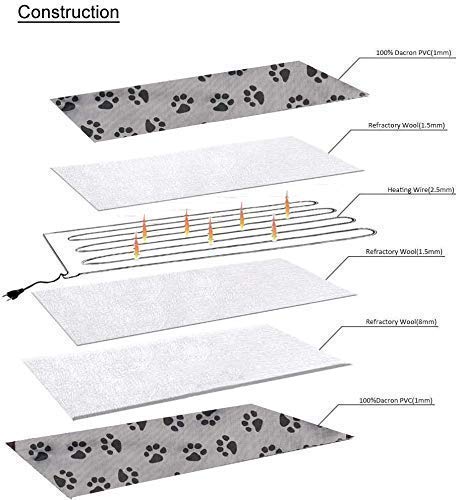
Pet heated mats are built different from human heating pads. This matters for safety. Pet mats use low-voltage systems—12 to 24 volts DC. Human pads run on 120-volt AC current. This cuts electrical shock risk by a lot.
Temperature control is what keeps your pet safe. Pet mats stop at 102-110°F (39-43°C). They adjust to match your pet’s body temperature of around 102°F. Human heating pads can reach 140°F (60°C). That’s hot enough to burn skin. Dogs or cats can’t tell you it hurts. Pets with sore joints can’t move fast enough to escape the heat.
Your pet’s body sets the safety limits:
-
Normal body temperature: 100.5-102.5°F (38-39°C)
-
Safe mat warmth: Below 110°F
-
Danger zone: Above 115°F or when mobility-limited pets can’t escape
Design Features That Protect
Chew-resistant cords matter more than marketing claims. Steel-wrapped or nylon-coated cables stop the gnawing that starts electrical fires. K&H Pet Products earned MET Labs certification with auto shut-off timers (1-12 hours) and non-skid bases. Milliard offers similar vet-approved temperature controls.
Not every product passes safety tests. The CPSC recalled World Class GSI model GKC2G002 in 2012. Poor wiring caused two fires. One killed a dog through smoke asphyxiation. The 50-watt polyester mat came in various sizes. Full refunds followed.
Check these things each month:
-
Inspect cords for fraying or chew marks
-
Test auto shut-off function
-
Verify dry-use conditions
-
Confirm mat exceeds pet’s body length
-
Supervise first three uses minimum
Never use human heating pads for pets. The burn and shock risks are real. Vets treat injuries all the time from deep-sleeping or arthritic pets on the wrong heating devices.
Major Safety Risks and Warning Signs

Burns happen faster than most pet owners expect. A heated mat malfunction won’t flash warning lights. Your pet suffers quietly until you spot limping, skin damage, or strange behaviors.
Thermal Burns: The Invisible Threat
Are heated mats safe for pets? Not when temperature control fails. A broken thermostat can push surface temps past 130°F in minutes. At that heat, third-degree burns form in under 30 seconds on paw pads and stomach skin.
Senior pets face the biggest risk. Arthritis or hip problems keep them stuck in one spot. They can’t shift their weight or move away from rising heat. Cats in deep REM sleep cycles (15-20 minutes) won’t wake up until their skin gets damaged.
Watch for these burn signs:
-
Red, blistered, or peeling skin (on stomach and paws)
-
Hair loss where the pet touches the mat
-
Excessive licking or biting at heated spots
-
Limping or not wanting to lie down
-
Whimpering when touching the mat
Small breeds under 15 pounds burn easier. Thin skin and fast metabolism make them vulnerable. Hairless breeds like Chinese Cresteds or Sphinxes have no natural protection. A mat that feels warm to you can burn them.
Electrical Hazards That Kill
Chewed cords cause house fires and shock deaths. Puppies under 18 months chew everything they find. Teething pushes them to gnaw through the protective coating. Copper wires spark. The National Fire Protection Association tracked 87 house fires from broken pet heaters between 2018-2023.
Water makes heated mats deadly. Spilled bowls, accidents from older incontinent pets, or drool from heavy sleepers create paths for electric current. One paw on wet fabric, another on exposed wire—fatal shock happens that fast.
Emergency electrical warning signs:
-
Smoke or burning plastic smell
-
Sparking from cord or plug
-
Mat surface feels too hot (over 115°F)
-
Lights flicker when mat is plugged in
-
Scorch marks on mat fabric or nearby surfaces
-
Pet jumps away yelping
Cheap models skip GFCI protection. Without it, a short circuit sends full household current through your pet’s body. Cardiac arrest takes seconds. UL or ETL certification isn’t optional—it saves lives.
Overheating and Dehydration Risks
Long heat exposure dehydrates pets without obvious signs. Dogs and cats cool down through panting and sweating through paw pads. Lying on warmth for 4+ hours raises their core body temperature. Dehydration starts before you see symptoms.
Flat-faced breeds (Bulldogs, Pugs, Persians) can’t pant well. Their squashed airways already have trouble with temperature control. Add external heat and you create heatstroke. Normal body temp runs 101-102.5°F. Above 104°F damages organs. Above 106°F kills.
Dehydration and overheating signs:
-
Dry, sticky gums
-
Sunken eyes
-
Loss of skin bounce (pinched skin stays up)
-
Heavy panting while resting
-
Weakness or collapse
-
Dark yellow or amber urine
Never trust auto shut-off features. Timers break. Sensors fail. One bad thermostat turned a K&H mat into a 145°F hot plate in 2021. The owner’s 9-year-old Dachshund got second-degree burns across 30% of her body. Vet bills hit $4,800.
Put water bowls within 3 feet of any heated mat. Check hydration every 2-3 hours during first use. Your pet refuses to leave the mat even for food? The temperature’s too comfortable—and that means danger.
Essential Safety Features Checklist
Every heated mat that touches your pet needs seven key safety features. Skip one and you risk your animal’s life. Here’s what separates safe products from dangerous ones.
UL or ETL Certification (The Deal-Breaker)
This label proves independent labs tested the mat for electrical safety. UL Solutions and ETL (Intertek) test products with fire tests, shock tests, and heat stress tests. Certified mats meet NFPA 70E electrical safety standards. This covers grounding, insulation thickness, and fault protection.
No certification mark? Don’t buy it. Uncertified products caused 73% of pet heating-related fires in Consumer Product Safety Commission data from 2019-2023. Amazon and Chewy still sell non-certified mats. Check the product label or box before checkout.
Chew-Resistant Power Cord Construction
Steel-wrapped or heavy-duty nylon coating stops most chewing attempts. Look for cords rated “bite-proof” or “anti-chew.” The cord should feel thick—minimum 6mm diameter. Thin rubber coating tears under puppy teeth in under 20 minutes.
Cord safety inspection each month:
-
Run your fingers along the entire length
-
Check for exposed wire or fraying
-
Look for teeth marks or thin spots
-
Test flexibility—stiff spots mean internal damage
-
Replace mat if cord shows any damage
Auto Shut-Off Timer (4-Hour Maximum)
Heat running for 6+ hours causes dehydration and overheating. Quality mats include programmable timers: 1, 2, 4, 8, or 12 hours. Set it for 4 hours max per session. K&H and Milliard models let you program shut-off times through simple dial controls.
Cheaper mats claim “auto shut-off” but activate at dangerous levels—110°F or higher. That’s after damage starts. You need timed shut-off, not just temperature-triggered safety stops.
Waterproof or Water-Resistant Cover
Liquid and electricity kill. Waterproof covers protect heating elements from spilled water bowls, accidents from senior pets with bladder issues, or drool from deep sleepers. Look for IPX4 rating minimum. This protects against splashing water from any direction.
Test before use: Pour 1/4 cup water on unplugged mat. Water should bead up, not soak through. Wait 30 minutes. Bottom stays dry? Good. Damp bottom? Return it.
Adjustable Temperature Control (Not Just On/Off)
Fixed-temperature mats can’t adapt to room conditions or pet size. A 95°F day doesn’t need the same heat as a 40°F night. Look for three minimum settings: low (95-100°F), medium (100-105°F), high (105-110°F).
Digital displays beat dial controls. You see exact temperature instead of guessing what “medium” means. Some premium models adjust based on pet body heat. They sense your animal lying down and reduce output to prevent overheating.
Non-Slip Bottom Surface
Mats that slide create two dangers. First, exposed heating elements touch surfaces like carpet or wood that can catch fire. Second, pets lose footing during jumps on or off. This risks joint injuries for older animals.
Rubber grip dots or silicone backing keeps mats stationary. Test it: Push the mat sideways with moderate force on the surface where you’ll use it. Movement over 2 inches? The bottom grip fails safety standards.
Overheat Protection Circuit
This feature cuts power at temperatures above safe levels—typically 115°F. Different from auto shut-off timers. Overheat protection responds to malfunction, not time.
Quality mats use dual-sensor systems. One sensor monitors surface temperature. Another tracks internal element heat. Both must fail before the mat becomes dangerous. Single-sensor systems saved $3 in manufacturing. But they created the safety gaps that burned pets in recalled products.
Your pre-purchase verification:
-
Check for UL/ETL mark on packaging
-
Inspect cord thickness and coating
-
Verify timer function in product specs
-
Confirm waterproof rating (IPX4+)
-
Test temperature controls (check for multiple settings)
-
Check bottom for non-slip material
-
Read reviews for overheat incidents
Buy from retailers with easy returns. Test every safety feature during the first 48 hours. One failure means immediate return. Your pet’s safety isn’t worth saving $20 on a defective product.
Safe Usage Protocol

Set up your heated mat with care. Each step matters for your pet’s safety. Installation takes ten minutes with the right approach. Rush it, and you create hazards that land pets in emergency rooms.
First-Time Setup Requirements
Unbox and inspect before plugging in anything. Lay the mat flat on your surface. Check every inch of the power cord. Look for shipping damage—nicks, cuts, or marks that expose wiring. Found damage? Return it right away. Don’t test “just to see if it works.”
Position the mat away from water sources. Keep it three feet minimum from water bowls, pet fountains, or bathroom areas. Water creeps farther than you think. A knocked-over bowl spreads across floors fast.
Your installation checklist:
-
Place mat on hard, flat surfaces (tile, wood, linoleum)
-
Avoid thick carpet or rugs underneath (fire hazard from trapped heat)
-
Position cord where pets can’t reach it during play
-
Plug into GFCI-protected outlets
-
Test temperature setting on LOW for first use
-
Verify auto shut-off activates at set time
Run the mat empty for 30 minutes before your pet uses it. This burn-in period reveals defects. Touch the surface every 10 minutes. Temperature should rise slowly and stop at your set level. Fast heating or temperatures above 110°F? The thermostat failed. Unplug and return.
Daily Monitoring Schedule
Check your pet every two hours during heat exposure. Senior animals and those with mobility issues need checks every hour. Look at their behavior. Too much panting while resting? That signals overheating. Won’t leave the mat? Temperature feels too good—this leads to dehydration.
Touch your pet’s ears and paw pads. Hot to your touch? Core temperature is rising. Move them off the mat. Offer water. Wait 20 minutes before letting them back on.
Warning signs that need quick action:
-
Burns or redness on skin (stomach and paws most at risk)
-
Disorientation or weakness
-
Gums turning bright red or pale
-
Vomiting after heat exposure
-
Rapid heart rate (over 140 bpm for dogs, 200 bpm for cats)
Never leave heated mats running while you’re away from home. Timer failures happen. Thermostats break. You need to be present to respond. Four hours supervised use beats twelve hours unattended. Every time.
Weekly Maintenance Tasks
Inspect the entire mat and cord system every Sunday. Make it routine like checking smoke detectors. Unplug first. Check the cord connection point where it enters the mat—this is a common failure spot. Wiggle it a bit. Loose connections spark fires.
Check the mat surface for wear. Thin spots in fabric mean heating elements sit closer to your pet’s skin. That increases burn risk. Replace mats showing fabric wear even if they still heat well.
Clean the cover per manufacturer instructions. Most remove and wash on their own. Never put electrical parts in water. Dirt and pet hair block heat flow. This creates hot spots that go past safe temperatures.
Test the auto shut-off once a month. Set timer for one hour. Mark what time you plug it in. Check that it powers down on its own. Doesn’t work? Stop using it. Contact the manufacturer for replacement under warranty.
Usage Limits That Protect
Cap heated mat sessions at four hours maximum. Break longer periods into two sessions with two hours off between. This stops dehydration and gives skin time to recover.
Set temperature based on room conditions. A 70°F room needs lower mat settings than a 50°F basement. Start every session on LOW. Turn it up if your pet keeps leaving the mat to find warmer spots.
Puppies under six months and kittens under four months need supervision on heated mats. Their body temperature systems are still growing. They overheat faster than adult animals. Senior pets over eight years need closer watching—they won’t move even if uncomfortable.
Create cool zones nearby. Your pet must have easy access to unheated resting areas. This gives them choice. Trap them on a heated surface and you remove their ability to control body temperature on their own.
Write down any incidents. Note date, how long used, temperature setting, and your pet’s reaction. Patterns show problems before serious injury happens. Three sessions where your pet acts uncomfortable? Lower the temperature or cut session length.
Human file cabinets gather dust. Your heated mat safety protocol needs action every single day. Consistency keeps your pet warm and safe. Skip checks and you turn comfort into crisis.
Heated Mats: Benefits and Risks
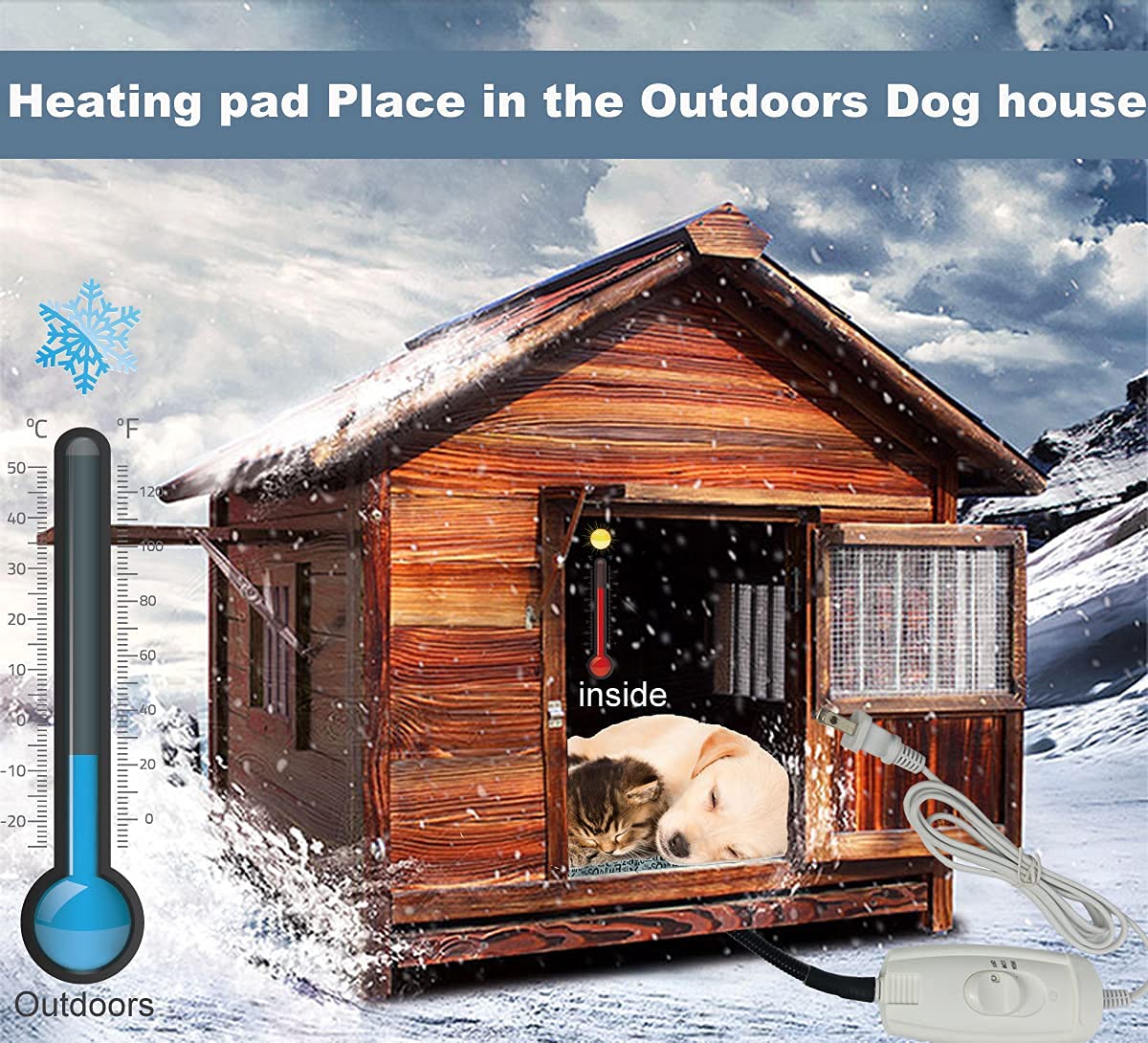
Heated mats offer comfort but bring danger. The data shows both sides.
Why Use Heated Mats
Winter ice puts over 800,000 Americans in hospitals each year. Falls cause most nonfatal injuries across all age groups. They rank first except for ages 10-24, where they come second. Heated outdoor mats stop ice from building up on steps, walkways, and driveways. They remove the slip hazard before it starts.
Ice-related falls cost a lot. Average insurance claims hit $33,000 for snow and ice slip injuries. Workers’ compensation cases reach $48,000 per claim. Prevent one fall and a heated mat pays for itself many times over.
Pets with arthritis or joint pain feel better with therapeutic warmth. It eases stiffness. Senior animals move easier after resting on controlled heat. The key word: controlled.
The Real Risks
Portable heaters power many heated mats. From 2017-2019, they caused 1,100 home fires each year. Those fires killed 65 people. They injured 150 more. They destroyed $51 million in property. Heating equipment causes 41% of all fatal home fires.
Electric heating pads and blankets add about 500 fires per year. Almost all involve units older than ten years. Worn-out wiring and broken thermostats turn comfort devices into fire starters.
The injury rate gets worse: 136.4 injuries per 1,000 portable heater fires. Deaths occur at 59.1 per 1,000 fires. Property loss averages $29,360 per fire. That’s almost five times the $6,100 average for other heating fires.
Heat Injuries Beyond Burns
Extreme heat causes 28,000 workplace injuries each year in the United States. Sweaty palms create slip hazards. Puddles form around heated mats from melting ice or condensation. Workers exposed to heat too long get dizzy and tired. Hot equipment causes contact burns.
Homemade heating methods cause severe burns. Medical journals show full-thickness burns that need skin grafts. One case involved a newborn with thigh and buttock burns from an unregulated heat pack. Microwaved towels and homemade heating pads catch fire or burn skin. They have no temperature controls.
High-risk scenarios:
-
Units over 10 years old (cause almost all 500 heating pad fires each year)
-
Unapproved or homemade heating devices
-
Use on children or newborns (fragile skin, can’t escape heat)
-
Left unattended during sleep or absence
Your situation determines the benefit-risk balance. Outdoor ice prevention has clear value. Indoor pet or personal use needs strict safety rules. Old units belong in the trash, not under your pet or on your body.
Safer Alternatives Comparison
Electric heated mats aren’t your single option. Other alternatives give warmth without fire risk or burns.
Self-Warming Mats (No Power Required)
Microwavable Heat Discs
Pros: No electrical hazards. Portable for travel. One-time $25-$30 purchase.
Heated Water Bottles (Old School Works)
Veterinarian Recommendations and Red Flags
What Vets Check During Heated Mat Consultations
Medical Red Flags That Need Immediate Vet Visits
Stop using the heated mat and call your vet right away if you see these signs:
Schedule a Vet Exam If You Notice
These signs don’t need emergency care but need professional assessment within 48 hours:
-
Gradual personality changes (hiding more, less social, avoiding people)
-
Choosing cold floors over heated mat (shows previous discomfort)
Common Conditions Worsened by Heated Mats

Some health issues make heated mats dangerous even at normal temperatures:
What Vets Want You to Stop Doing
Conclusion
Heated mats can be safe for your pet. You need to choose the right one and watch your pet closely. Three things matter most: chew-proof construction, automatic shut-off features, and temperature controls made for animals (not humans).
Here’s your action plan: Check the safety certifications before you buy. Watch your pet’s behavior closely during the first few uses. Excessive panting, restlessness, or avoidance? These signal trouble. Are heated mats safe for pets isn’t yes or no. It’s safe if you follow the rules.
The smart move? Start with safer options we covered—self-warming beds or microwaveable pads. These work best for puppies, aggressive chewers, or pets with health conditions. Use electric options under supervision.
Your pet’s comfort matters, but their safety comes first. Not sure about something? Call your vet. That beats any online review—including this one.