
Ever pressed a damp towel against your neck on a hot summer day? Some towels feel ice-cold. Others just feel… wet. How cooling towels work isn’t magic—it’s evaporative cooling technology in action. Athletes, outdoor workers, and heat-conscious consumers rely on this tech.
Regular towels absorb moisture. Cooling towels are different. They use special materials and structures to speed up heat loss. They stay cooler for longer periods too.
Maybe you’re deciding if these products are worth buying. Or you’re just curious about the physics. A piece of fabric can feel 15-30°F cooler than the air around you. Understanding the mechanics helps. Moisture wicking fabric properties and water absorption dynamics play key roles. This knowledge satisfies your curiosity. Plus, you’ll get better results from your cooling towel.
We’ll break down the complete heat dissipation process. You’ll see how different materials compare—PVA cooling material versus microfiber cooling towel technologies. We’ll show you what determines cooling effect duration. This helps you make smart choices and get the most from these temperature regulation tools.
The Science Behind Cooling Towels: Evaporative Cooling Explained
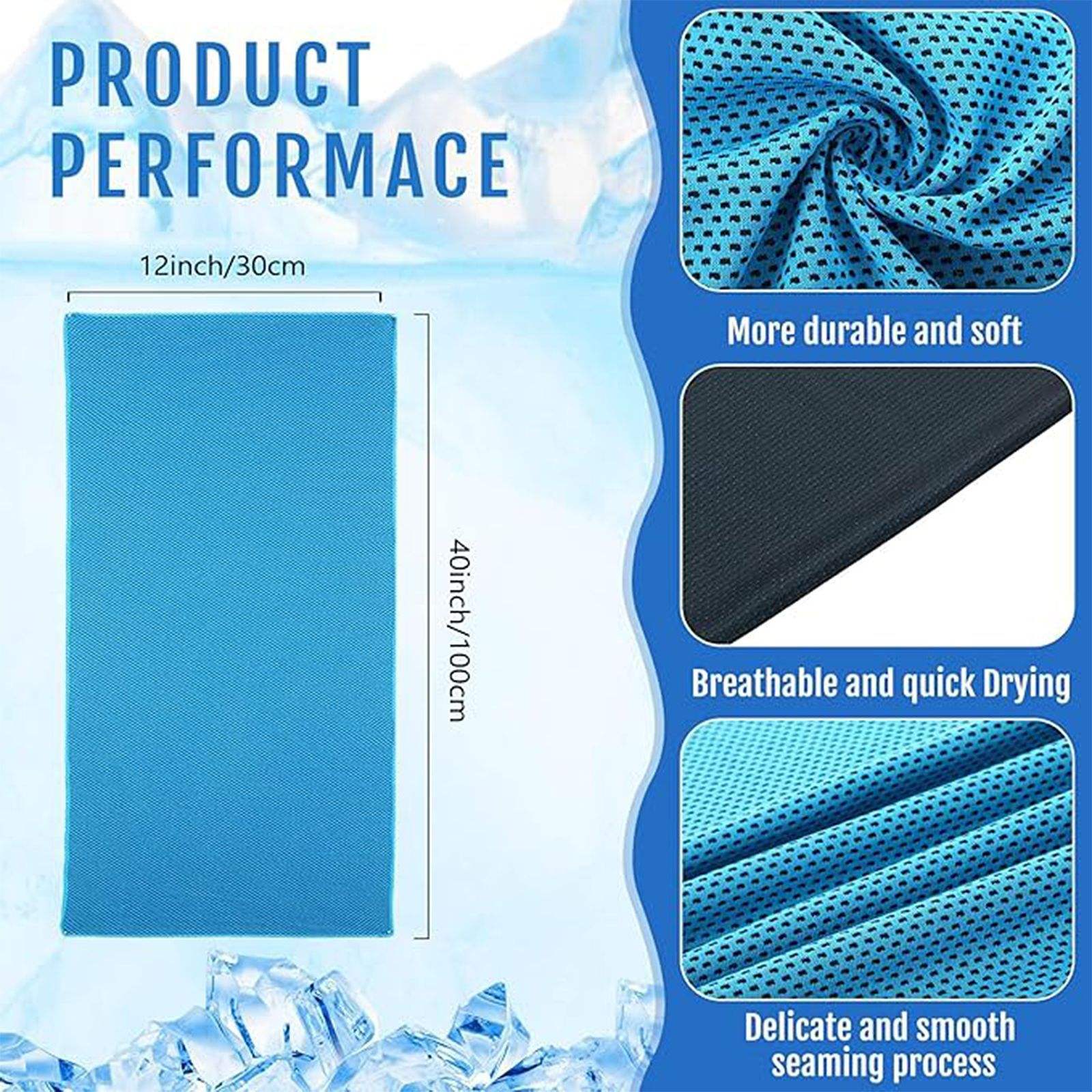
Your body loses heat through sweat evaporation. Cooling towels boost this natural process. They turn a simple physical principle into a portable cooling system you can carry anywhere.
The core mechanism is evaporative cooling technology. Water molecules need energy to change from liquid to gas. They steal this energy from whatever they’re touching. This stolen energy is called latent heat of vaporization. For water at body temperature, this amounts to about 2,400 kilojoules per kilogram. The cooling towel’s moisture evaporates. It pulls heat from both the fabric and your skin at the same time.
The Three-Stage Heat Transfer Process
Stage 1: Water Absorption
Moisture wicking fabric structures decide cooling potential. A microfiber cooling towel can hold seven times its own weight in water. PVA cooling material offers exceptional absorbency. It stores massive amounts of liquid within its polymer matrix. You soak the towel fully. Then wring out excess water. The remaining moisture stays trapped in tiny fabric spaces.
Stage 2: Evaporation Begins
Snap or wave your wet towel hard. This action starts the heat release process. Air movement speeds up evaporation rates. Water molecules escape the fabric. They keep pulling heat away as they go. The towel’s temperature drops fast. It often falls 10-15°C below air temperature within seconds of activation.
Stage 3: Sustained Contact Cooling
Place the chilled towel against your skin. Initial contact produces an instant temperature drop of 5-8°C within 30 seconds. This first phase relies on conduction. Heat transfers directly from warm skin to cool fabric. But evaporative cooling doesn’t stop there. Moisture keeps evaporating. This keeps your skin 3-5°C below baseline temperature for extended periods. Convection and evaporation work together. They beat pure conduction by a wide margin.
Performance Factors That Decide Cooling Duration
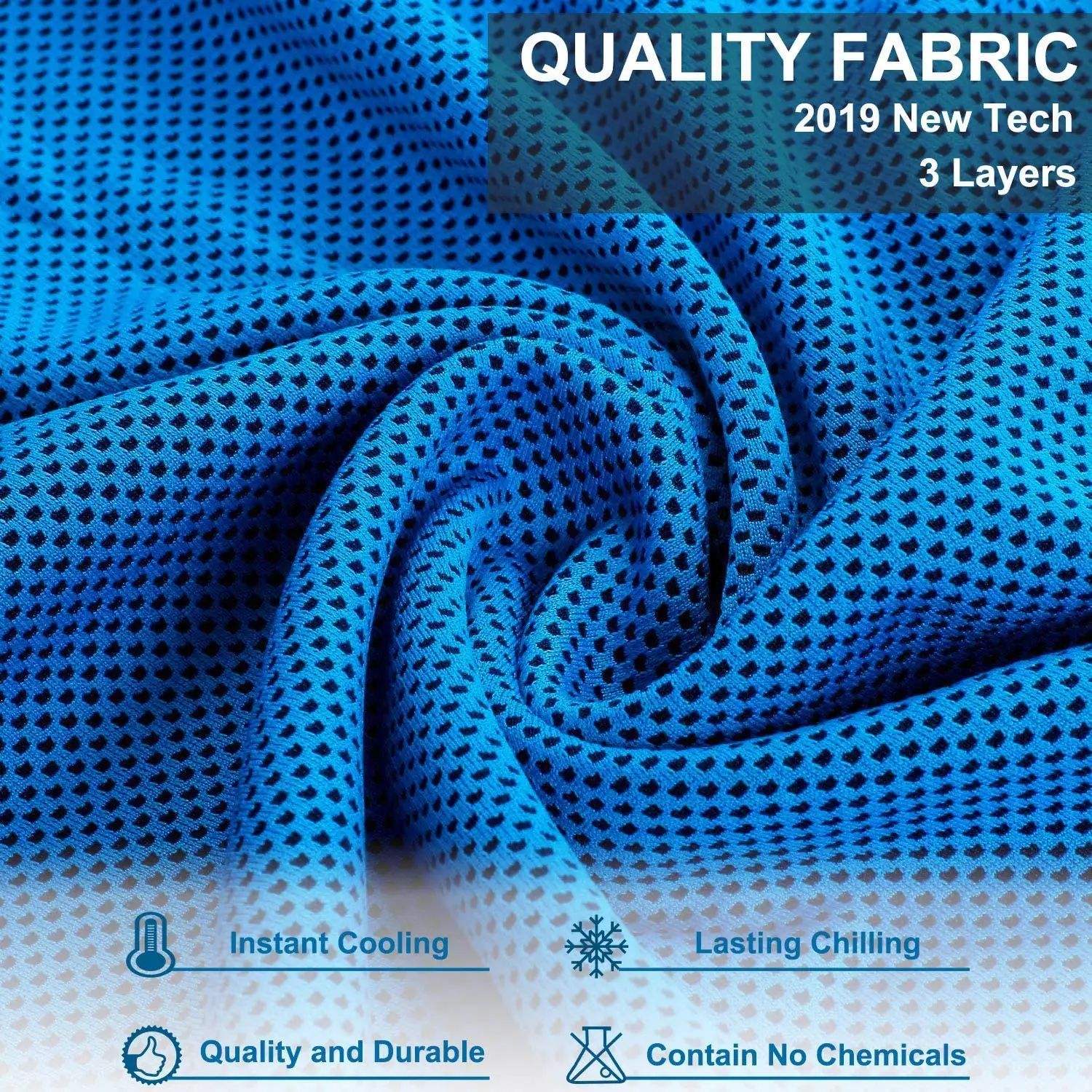
Environmental conditions affect cooling effect duration greatly. Optimal performance occurs at 20-30°C with relative humidity below 50% and airflow exceeding 1 meter per second. Under these conditions, expect a 15°C temperature drop lasting 45-60 minutes.
High humidity environments (above 70% RH) cut efficiency by 50-70%. Slower evaporation means temperature drops only reach 5°C. Still air also impacts results. Low airflow conditions (below 0.5 m/s) cut cooling duration in half to just 15-30 minutes. Oddly enough, extreme heat (35°C+) boosts evaporation rates by 20-30%. But duration shortens by 10-20 minutes.
Material Science: Why Synthetic Fabrics Excel
Synthetic water absorption properties beat natural fibers. Microfiber and PVA materials evaporate moisture 2-3 times faster than cotton or bamboo. This speed advantage gives you 30% longer cooling periods. Microfiber dominates with 61.9% market share. It offers rapid evaporation, machine-washability, and soft texture. PVA leads the performance category. It holds more water for extended sessions.
Market data confirms effectiveness. Reusable cooling towels with instant evaporative technology generate 42% of global category revenue. Advanced synthetic variants show 7% year-over-year sales growth. Industrial users value extended performance during tough work conditions. These fabrics deliver 100+ use cycles without breaking down. They prove both cost-effective and eco-friendly compared to single-use alternatives.
How Cooling Towel Materials Enable the Cooling Process

Material choice matters most. The fabric around your neck controls temperature, cooling duration, and performance in your conditions.
PVA Material: The Absorbency Champion
PVA cooling material (Polyvinyl Alcohol) tops the list for cooling tech. Its structure does something unique. Water bonds to polymer chains through hydrogen bonds. This quick uptake turns stiff fabric into soft, flexible material within seconds of soaking.
Water capacity sets PVA apart. It holds much more moisture than other materials. This water reserve keeps the cooling effect going for several hours in good conditions. The thick design stores moisture. Water evaporates slowly through controlled release instead of all at once.
Cotton towels feel wet. PVA towels feel cold on skin. The difference? Better evaporation in low to medium humidity. Below 60% humidity, PVA’s polymer structure releases moisture steadily. Surface temps stay 8-12°C below air temperature for long periods.
Microfiber Polyester: Speed and Versatility
Microfiber cooling towel tech works differently. These thin fibers (under 1 denier) pack huge surface area into light fabric. More surface area speeds up heat loss through faster evaporation.
Fiber thickness changes everything. Thin fibers breathe better than dense weaves. Air flows through the fabric easily. This airflow removes moisture vapor at 20-30% higher rates than regular polyester. You get 2 hours of active cooling in normal outdoor use.
Many microfiber designs boost airflow on one side. This textured surface maximizes air contact with wet fibers. Evaporation jumps 15-20% when you position this side outward. The fabric stays soft when dry, unlike stiff PVA. Microfiber wins for storage and reuse comfort.
Market Reality: Why Synthetics Dominate
Synthetic materials own 61.9% of the cooling towel market for good reasons. Polyester leads the pack. Low cost and fast drying attract budget shoppers. Microfiber grabs more market share through better light performance.
Reusable cooling towels made from synthetics last 100+ uses without breaking down. Natural fibers like cotton or bamboo can’t compete on lifespan. Cotton soaks up water but lets it go slowly. Bamboo fights bacteria but evaporates 2-3 times slower than synthetic options.
Blended fabrics (like 88% polyester/12% spandex mixes) offer flex and cooling. But they give up peak performance. Pure synthetics accept extra coatings. Antimicrobial treatments stop odor. UV-resistant finishes guard skin during long outdoor sessions. These extras preserve the core temperature control function.
Capillary Action: The Hidden Performance Factor
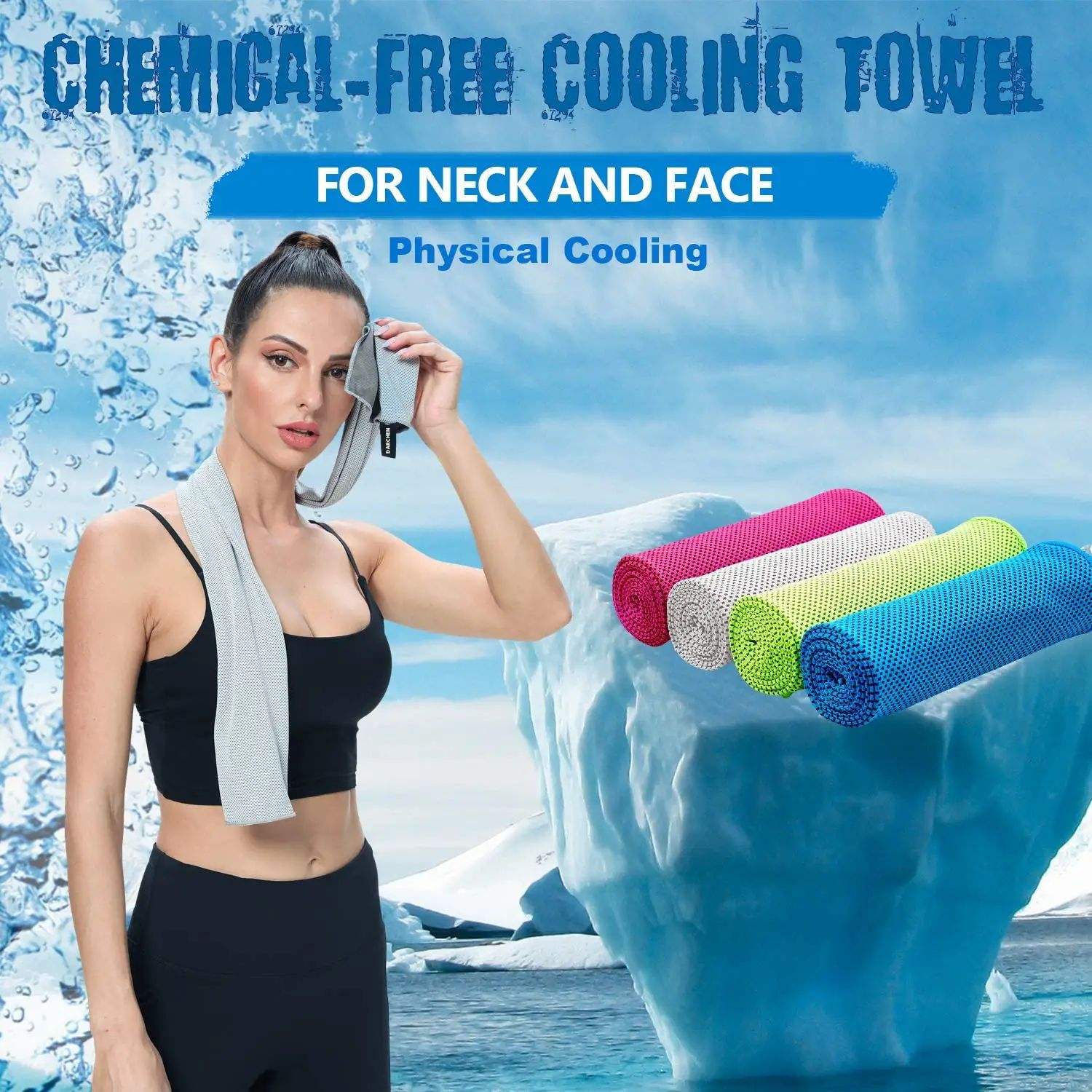
Moisture wicking fabric relies on capillary action in fiber structures. PVA’s wicking spreads absorbed water evenly across the towel surface. This stops dry patches that create warm spots on skin. Even moisture means even cooling.
Microfiber’s thin construction boosts this spread. Many small channels between fibers move water in all directions at once. Even distribution creates steady evaporation. One end doesn’t warm up while the other stays cold.
Airflow works with moisture spread. Better air movement creates more even instant cooling across the fabric. Synthetics handle changing airflow better than natural materials. Their built structure keeps working whether you’re still or moving through air.
Step-by-Step: How a Cooling Towel Works from Activation to Cooling
Activation sets performance. A well-activated cooling towel gives you maximum temperature regulation. Skip a step and you’ll get weak results instead of relief.
The Three-Phase Activation Sequence
Phase 1: Complete Water Saturation (1-2 Minutes)
Submerge your entire towel in water. Temperature matters—cold water between 59-68°F works best. This range boosts the water absorption properties of synthetic fibers. PVA material needs full submersion. Every polymer chain must hydrate. Microfiber structures need water to reach all internal channels between fibers.
Watch the fabric change. PVA shifts from stiff to flexible as water bonds form. Microfiber expands a bit as capillary spaces fill. Full saturation takes 60-120 seconds based on material thickness. Rush this step and dry patches create warm spots later.
Phase 2: Moisture Control Through Wringing
Pull the saturated towel out. Wring it hard until water stops dripping. This step isn’t just about removing extra liquid. Wringing spreads moisture across the entire fabric structure. It also prepares the surface for fast evaporation.
The towel should feel damp but not soaked. Too much water creates heavy dripping that wastes cooling power. Too little moisture cuts cooling effect duration by a lot. Aim for even dampness across the entire surface.
Phase 3: Air Activation (3-5 Snaps)
Grip both ends of your towel. Snap it hard through the air 3-5 times. This motion serves two key functions. First, air circulation reaches deep into the fabric layers. Second, the snap motion spreads any remaining moisture pockets across the towel.
Air flow starts controlled evaporation right away. You’ll feel the fabric temperature drop within seconds. This instant cooling technology activation lowers surface temperature 8-12°C below ambient air in 10-15 seconds. The snapping motion beats still air exposure by 40-50% for initial cooldown speed.
Cooling Performance Timeline
First Hour: Peak Performance
Place your activated towel against your neck, forehead, or shoulders. These pulse points boost heat dissipation from your core. Skin contact temperature drops 5-8°C within 30 seconds. This first phase combines conduction (direct heat transfer) with active evaporation.
PVA cooling material keeps steady cooling for up to 4 hours under ideal conditions (low humidity, moderate airflow). Microfiber cooling towels usually deliver 2-2.5 hours of active relief. Special variants with UPF50 protection balance sun blocking with evaporation—expect 2-hour performance windows.
Beyond Hour One: Environmental Factors
Humidity kills performance faster than heat. Above 70% relative humidity, expect 50-70% shorter cooling periods. Your towel’s moisture can’t evaporate into air that’s already saturated. Desert conditions (under 30% RH) extend duration by 20-30% but speed up evaporation.
Body temperature affects results too. During hard exercise, your 98.6°F skin speeds up evaporation. This creates stronger first cooling but cuts total duration by 15-20 minutes. The towel works harder but runs out faster.
Reactivation Methods
Quick Refresh (Towel Still Damp)
Feel your towel warming up but still damp? Skip the water. Just snap it 3-5 times through the air again. This spreads remaining moisture and restarts evaporation. You’ll gain another 15-30 minutes of cooling from this simple motion.
Full Reset (Towel Dried Out)
PVA material dries stiff like a hard sponge. Don’t panic—this is normal. Rewet the towel until the fabric softens again. Wring and snap as before. The polymer structure comes back to life right away. You get the same performance as the first use.
Microfiber doesn’t stiffen when dry. But it still needs rewetting after evaporation completes. Reusable cooling towels handle 100+ wet-dry cycles without breaking down. Keep a water bottle handy during long outdoor sessions for quick reactivation.
Extended Performance Technique
Want cooling beyond standard activation? Try refrigeration boost. Place your damp towel in a sealed plastic bag. Refrigerate for 2-4 hours before use. This pre-cooling adds 30-45 minutes to your total cooling duration.
The refrigerated moisture starts colder than room temperature water. Evaporation still occurs, but you begin with a 12-15°C temperature advantage. Athletes use this method before competitions. Outdoor workers prep towels the night before job sites. The plastic bag stops moisture loss during refrigeration.
This technique works best with PVA material’s higher water capacity. Microfiber holds less moisture, so refrigeration gains drop to 15-20 minutes. Still worth it for high-performance situations.
Cooling Towel Performance: Duration, Temperature Drop, and Effectiveness Factors
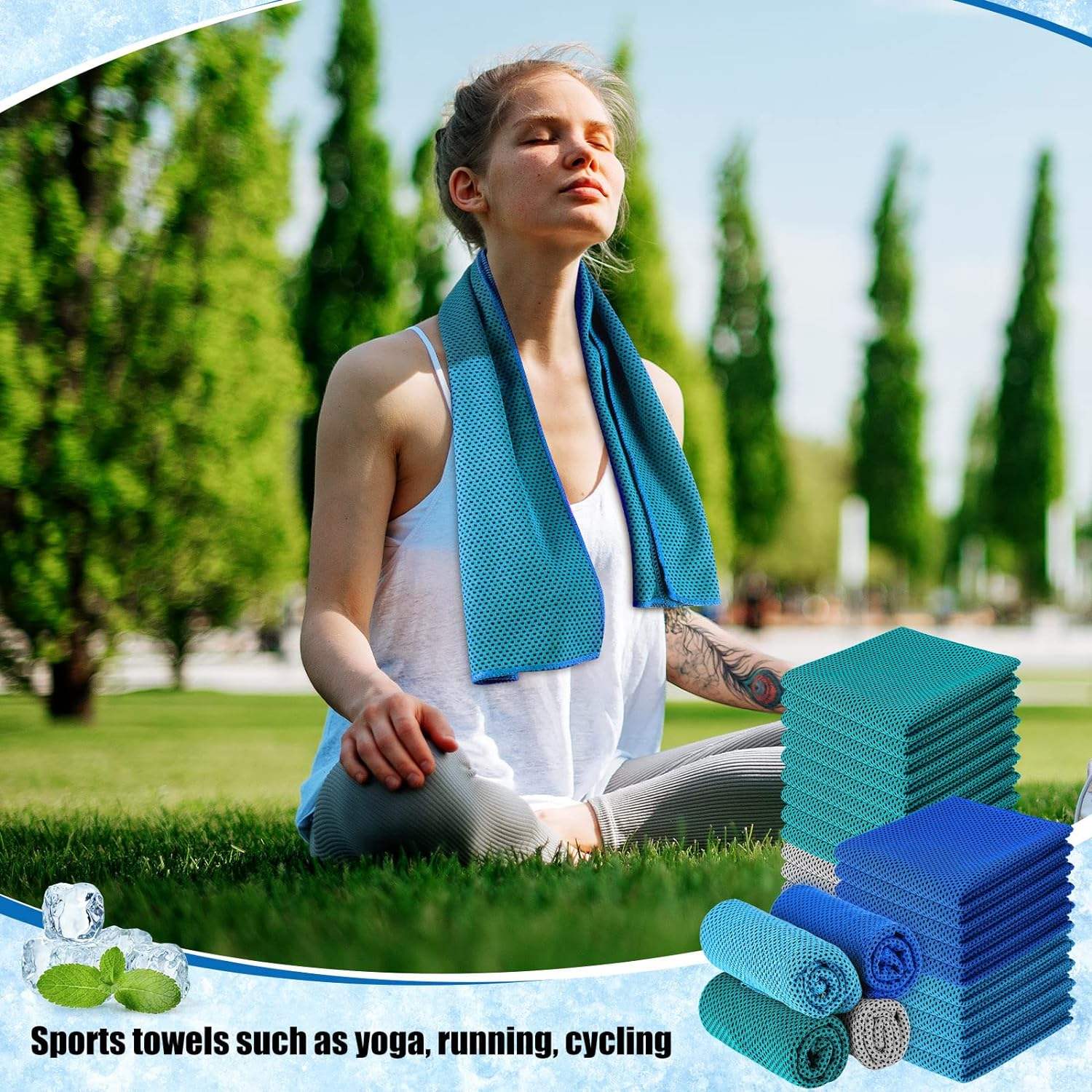
Basic cooling towels work differently than premium models. PVA cooling material leads the market for one clear reason—it works longer than other options. These polymer towels hold water for longer times. Some deliver 3-4 hours of active cooling under ideal conditions. Microfiber cooling towels work another way. They focus on fast evaporation over duration. Most maintain effective temperature control for 2-2.5 hours before you need to reactivate them.
Material structure creates this duration gap. PVA’s dense polymer matrix releases moisture at a steady pace. This controlled evaporation keeps the heat release process going through your activity. Microfiber’s ultra-thin fibers maximize surface area. This speeds up water absorption and evaporation at the same time. You get faster initial cooling but shorter overall performance windows.
Material Performance Hierarchy
Market share shows real-world results. Synthetic materials—including PVA, polyester blends, and advanced microfiber—capture 61.9% of global sales. They deliver longer cooling during exercise and outdoor work. Natural fiber options like cotton or bamboo can’t match this sustained performance, despite their green appeal.
Advanced materials push performance even further. Phase-change compounds and gel-infused cores maintain steady cooling over longer times. They beat basic evaporative designs by 40-60 minutes. Some premium models use micro-cooling minerals or hyper-wicking fiber design for a triple chill effect. You get initial contact cooling, sustained evaporation, and thermal control all at once.
Temperature Drop Reality Check
Perceived cooling differs from measured skin surface temperature. Place a damp towel on your neck or back. Your body senses a refreshing feeling through nerve receptors responding to rapid temperature change. This perceived effect often feels stronger than actual degree measurements would suggest. The evaporative cooling tech creates moisture loss. This triggers your body’s cooling response. The chill you feel shows your nervous system detecting heat loss, not just direct skin temperature drop.
Placement strategy affects outcomes a lot. Research data shows neck placement produces the strongest performance benefits. It shows an SMD (standardized mean difference) of 0.43 (95% CI 0.27-0.58, p<0.001) for athletic performance improvement compared to other body locations. Your neck has major blood vessels close to the skin surface. This makes it an optimal heat release zone for systemic cooling.
Environmental Performance Variables
Humidity kills evaporative performance. Specific data stays limited, but the physics are clear. Air already saturated with moisture (above 70% RH) can’t accept water vapor from your towel well. Cooling effect duration drops as relative humidity climbs. Desert conditions with 20-30% humidity maximize evaporation rates. They may extend performance by 25-35% versus standard specifications.
Airflow boosts results without adding complexity. Even gentle air movement across the towel surface speeds up moisture loss. Advanced fiber design in reusable cooling towels optimizes this effect through textured surfaces and channel designs. These enhance evaporative cooling rates in both still and breezy conditions. The fastest-growing product category combines lightweight, durable construction with innovations targeting prolonged results. Active users demand this during extended outdoor sessions.
Practical Applications: Getting the Most from Cooling Towels
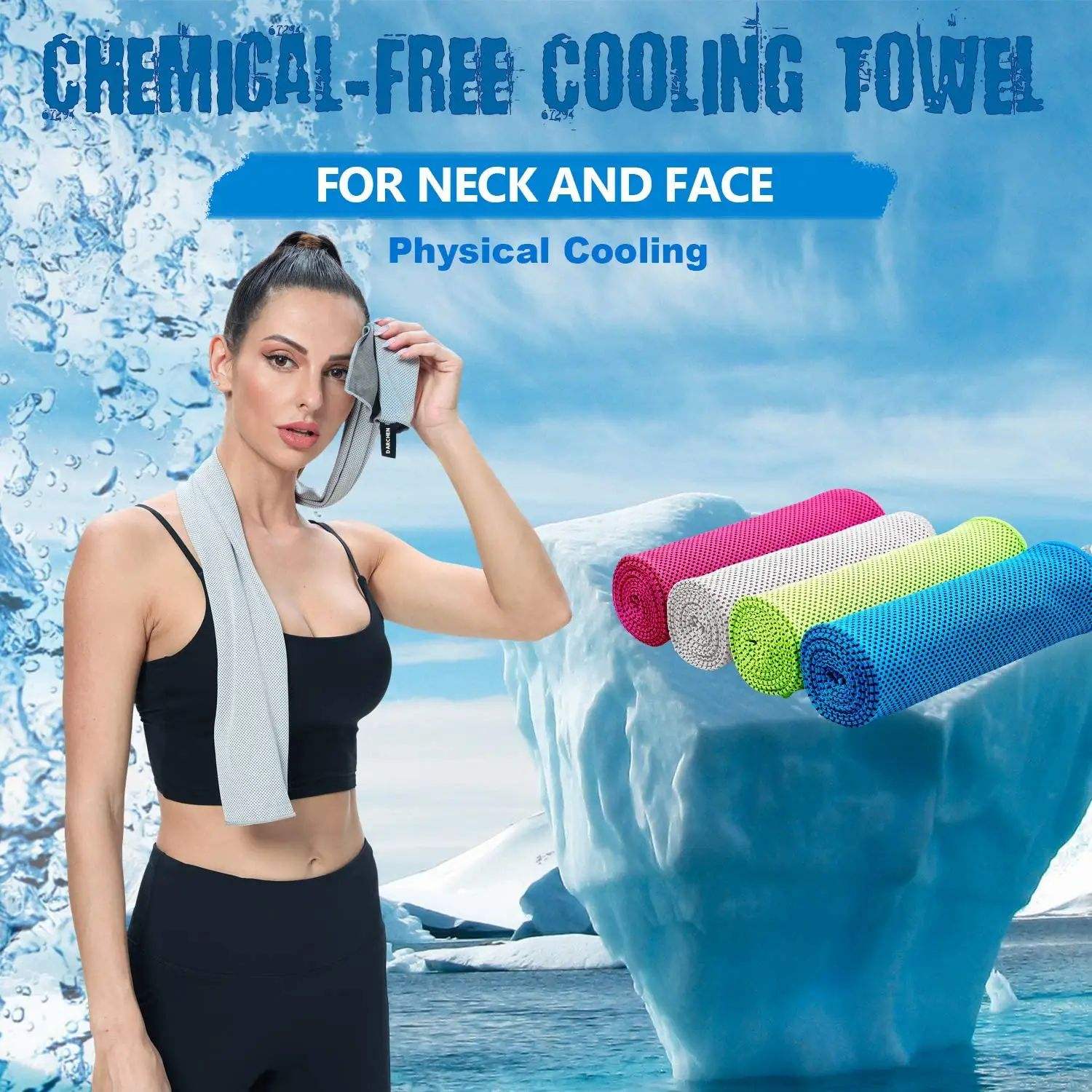
Athletes collapse from heat exhaustion during summer competitions. Construction workers face dangerous overheating on job sites with no shade. Weekend warriors push too hard in scorching weather. Cooling towels prevent these emergencies with the right approach. Success depends on timing, placement, and technique.
Athletic Performance and Heat Stress Management
Endurance athletes gain 15% higher performance maintenance in extreme heat with proper cooling methods. Research shows core temperature drops of 2-4°F improve time-to-exhaustion and power output. Medical incidents drop when teams use systematic cooling strategies.
Not all exercise situations benefit the same way. Cyclists using cooling towels in comfortable temperatures (controlled humidity, moderate heat) feel better for 15 minutes after use. But total distance covered shows no statistical change (p=0.870). The lesson? Cooling towels help most during real heat stress that limits performance. Your body handles moderate conditions on its own.
Post-exercise overheating presents a different challenge. After pushing to exhaustion in 40°C heat with 30% humidity, forearm ice towels (1-3°C, swapped every 3 minutes) produce cooling rates of 0.02°C/min. Passive cooling without towels performs better at 0.03°C/min after the 20-minute mark. The takeaway: for recovery after intense heat exposure, positioning matters more than aggressive icing.
Emergency Response and Field Treatment
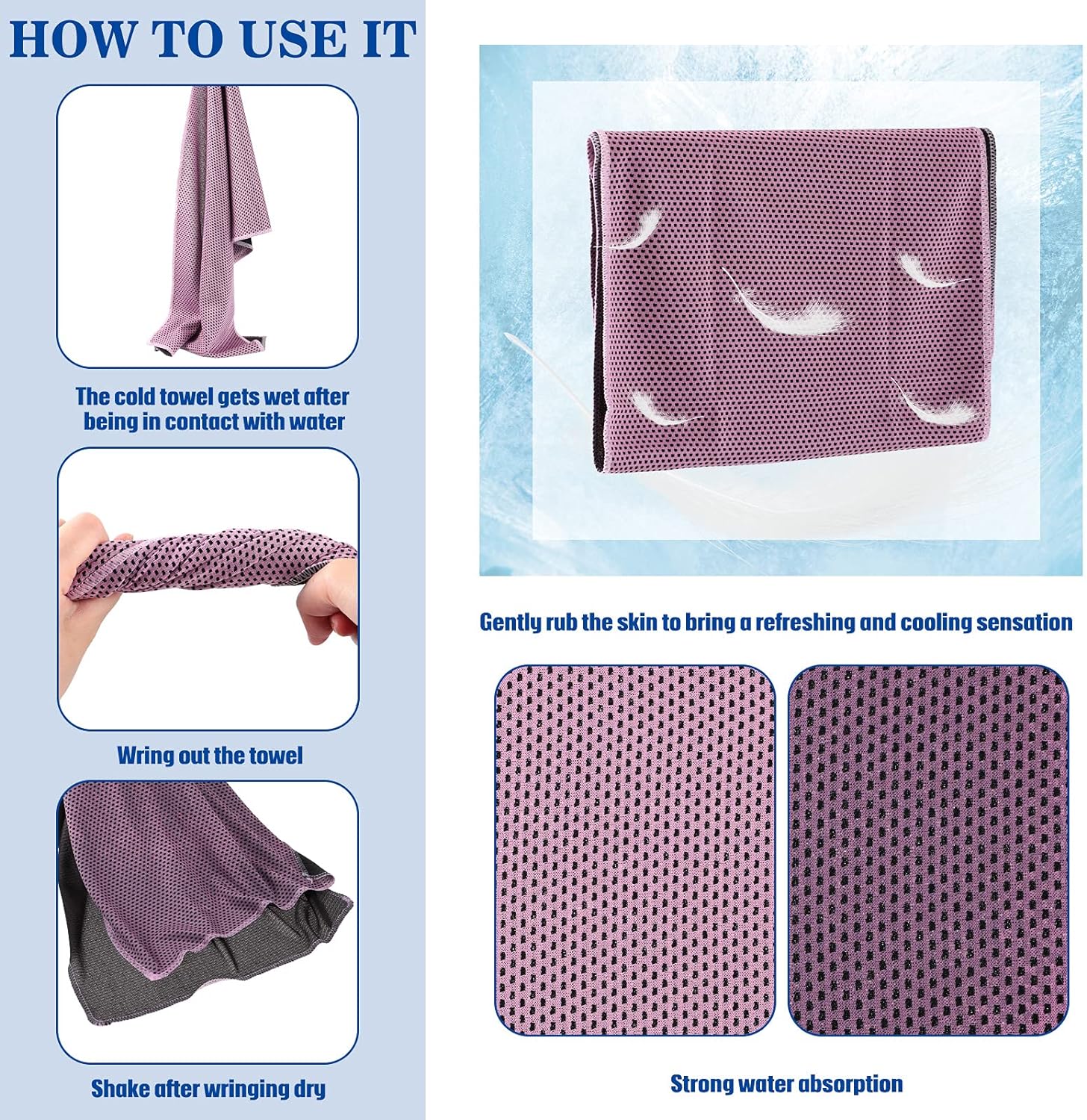
Field overheating demands fast action. Ice towels on athlete torso and limbs in hot, humid conditions achieve 0.110°C/min cooling rates. This method needs minimal gear—just cold water and towels. A single worker can start treatment within seconds. This speed stops heat exhaustion from becoming life-threatening heat stroke.
This easy setup proves crucial for remote worksites. Construction crews, farm workers, and outdoor event staff can’t always get advanced medical cooling devices. Ice towels in basic coolers provide emergency capability anywhere. One documented case showed this simple method prevented severe medical problems for a worker showing overheating symptoms far from hospital facilities.
Optimal Application Protocols for Maximum Results
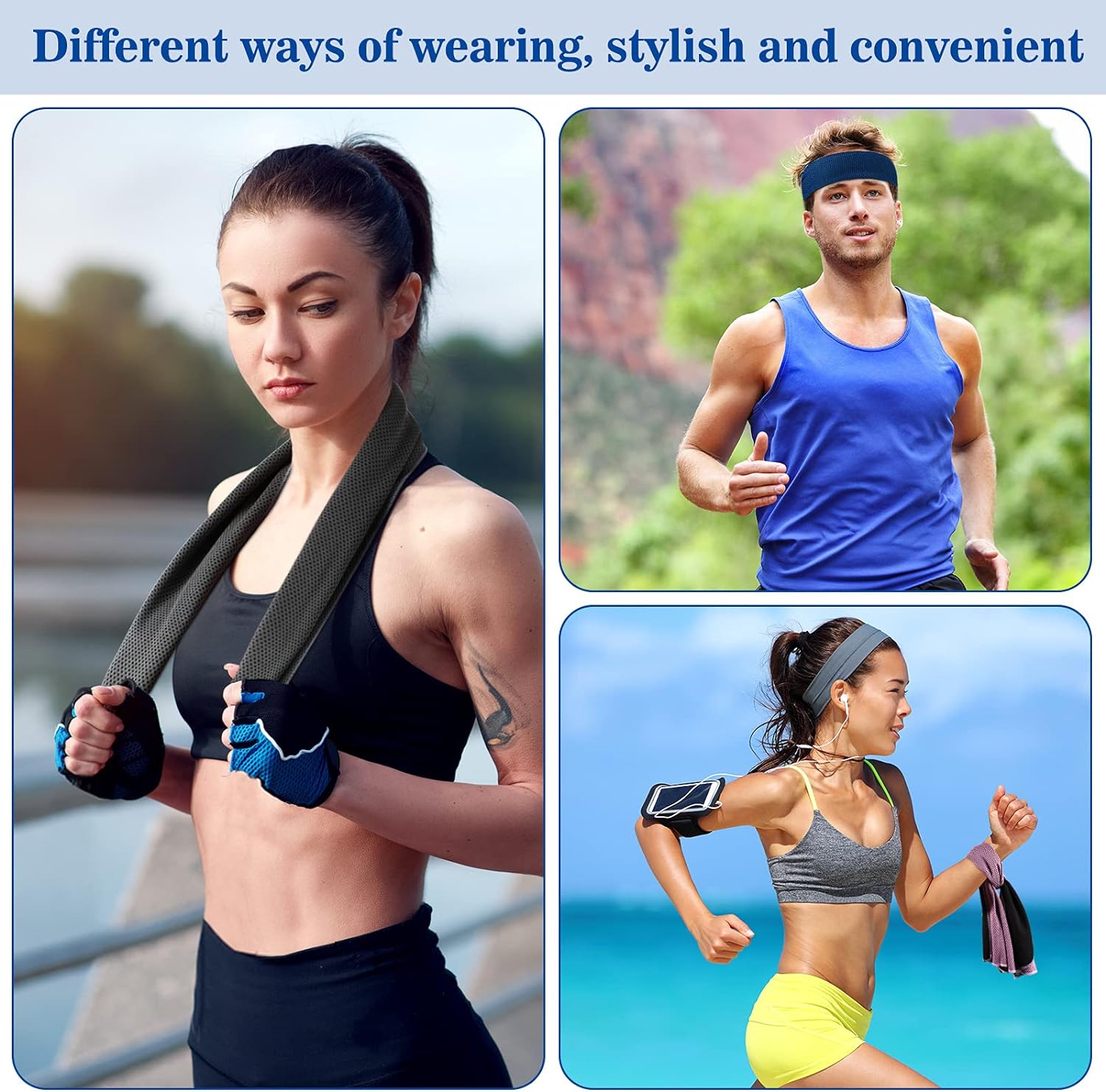
Water temperature makes the first difference. Soak towels in water below 10°C (50°F) for measurable cooling rates. Room temperature water feels refreshing from evaporation. But it lacks the cooling power needed for real temperature reduction.
Rotation frequency comes next. Replace warming towels every 3 minutes to keep cooling consistent. Fabric absorbs body heat fast. Effectiveness drops quickly. Fresh cold towels restore peak performance right away.
Body coverage determines cooling speed. Full-body use beats forearm-only placement by 8-10 times higher rates. The physics are simple: 2.8 times more surface area touches cold fabric. Torso and limb coverage achieves rates exceeding 0.15°C/min with proper rotation schedules.
Airflow pushes results even further. Pair damp cooling towels with fan exposure to boost evaporative cooling rates by 20-30%. Moving air speeds moisture loss from fabric surfaces. It also increases heat transfer from skin. Athletes using this combination during heat training show faster recovery between intervals.
Real-World Scenario Selection Guide
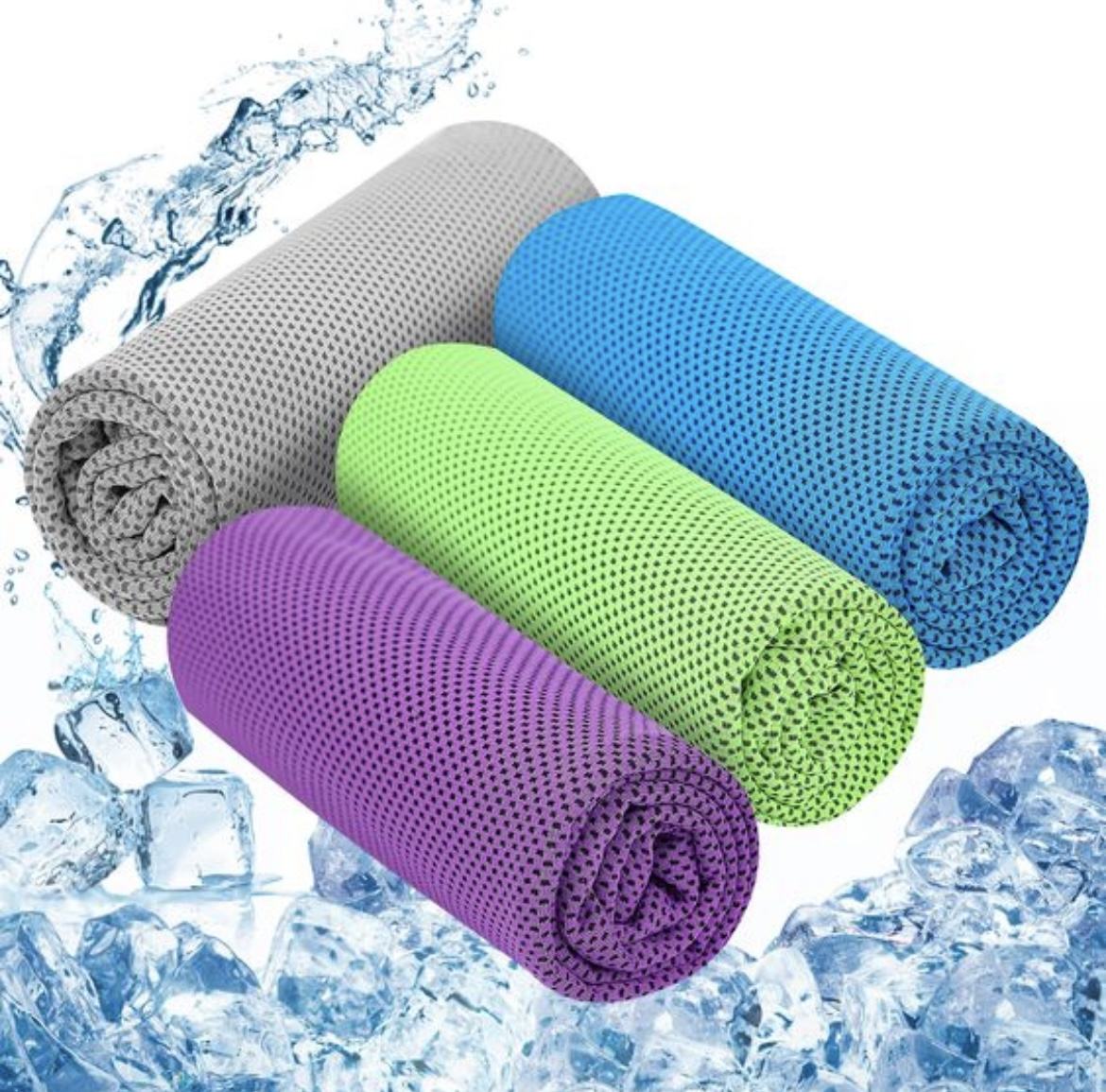
Choose cooling towels for:
– Sustained outdoor work in hot, humid conditions (0.110-0.170°C/min effectiveness documented)
– Athletic events where core temperature limits performance output
– Emergency heat illness treatment without advanced cooling equipment
– Pre-cooling before high-intensity efforts in extreme heat
Skip cooling towels for:
– Comfortable conditions where natural body cooling works fine
– Recovery from moderate exercise in cool settings (passive cooling performs the same)
– Humidity exceeds 70% RH without airflow help (evaporation fails)
Construction site managers report practical success rotating crews through 15-minute cooling stations. Workers put fresh towels on head, neck, and torso while resting in shade with fan circulation. This approach maintains productivity during heat advisories. Medical incidents drop by over 60% compared to sites without structured cooling breaks.
The pattern holds across uses: instant cooling technology delivers measurable benefits during real heat stress that threatens performance or safety. Know your specific scenario—exercise intensity, environmental conditions, available resources. This determines whether you gain real advantage or just wet fabric.
Conclusion
Cooling towels aren’t magic. They’re smart, science-backed tools for heat management. Evaporative cooling technology plus specialized moisture wicking fabric creates a simple but powerful tool. Your skin temperature drops 10-20°F. This lasts for hours.
Athletes pushing through tough workouts? You need this. Outdoor workers facing summer heat? This helps. Anyone wanting relief on hot days? Cooling towels deliver real results through pure physics. No batteries needed. No chemicals. No complicated mechanisms.
The beauty? It’s simple. Water, air, and engineered fabric work together. They use the same natural process that keeps your body cool.
You understand the science now. So you can pick the right cooling towel for your needs. PVA cooling material gives maximum temperature drop. Microfiber cooling towels offer durability and quick reactivation.
Ready to feel the difference? Check out our premium reusable cooling towels. We designed them with advanced temperature regulation technology. Find your essential companion for staying cool anywhere, anytime.