
You bought a cooling towel to beat the heat. Now it smells bad or doesn’t cool like it used to? Wrong washing methods cause this problem.
People often throw their cooling towels in the machine with regular laundry. Others use the wrong detergent. These mistakes ruin the special fibers that create the cooling effect.
How to wash cooling towels the right way keeps them working longer. Proper care preserves the cooling power. Your towel can last years instead of months.
Got a PVA, microfiber, or mesh cooling towel? This guide covers everything about cooling towel maintenance. You’ll learn the right water temperature to use. We show you how to remove stubborn smells. Plus, you’ll find out how to bring back lost cooling power.
Manufacturers don’t always share the complete do’s and don’ts. We give you the exact steps. You also get troubleshooting fixes for common problems.
Stop buying new cooling towels every season. Learn to maintain them like a pro.
Why Proper Washing Matters for Your Cooling Towel
Your cooling towel works only as well as you maintain it. The science shows why washing is so important.
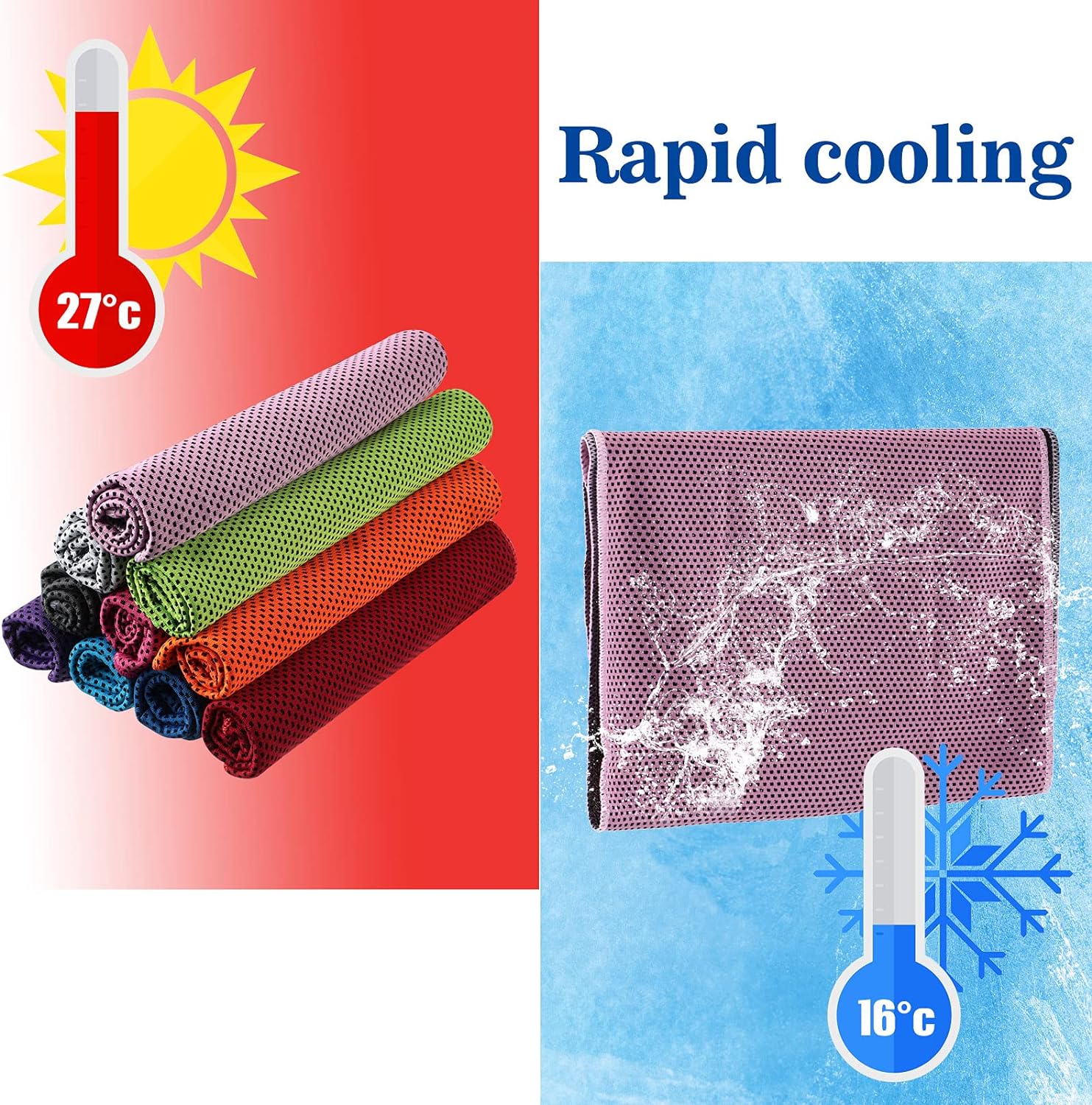
Cooling towels use three methods to work: hyper-wicking, performance drying, and evaporative cooling. Some have micro-cooling minerals for better effects. Wrong washing leaves detergent residue and buildup in the special fibers. This blocks moisture flow and ruins the triple chill effect.
PVA cooling towels need extra care. Their strong absorbency comes from a unique fiber structure. Harsh chemicals damage this structure. The result? Your towel can’t hold water for long periods anymore.
Microfiber cooling towels need different care. These towels hold 3-5 times their weight in water through tightly packed fibers. Fabric softener coats these fibers. This blocks water absorption. Your quick-drying benefit is gone.
Research shows clean cooling towels boost thermal comfort (p < 0.001) for 15 minutes after you use them. Poor washing leaves residue that cuts this benefit. Studies on cooling methods, including towels, show a performance impact (SMD=0.43, 95% CI 0.27-0.58).
The key point: proper washing keeps the molecular structure intact. This structure makes cooling work. Skip this step, and you have an expensive regular towel.
Know Your Cooling Towel Material Before Washing

Cooling towels differ in material. This affects how you wash and care for them.
PVA (Polyvinyl Alcohol) cooling towels use super-absorbent man-made fibers. When dry, these towels feel stiff like a hard sponge. Add water. They turn soft and bendy. PVA towels need gentle washing. The material breaks down with harsh chemicals. The benefit? They keep their cooling power longer than regular fabrics. They stay dry to touch even when wet.
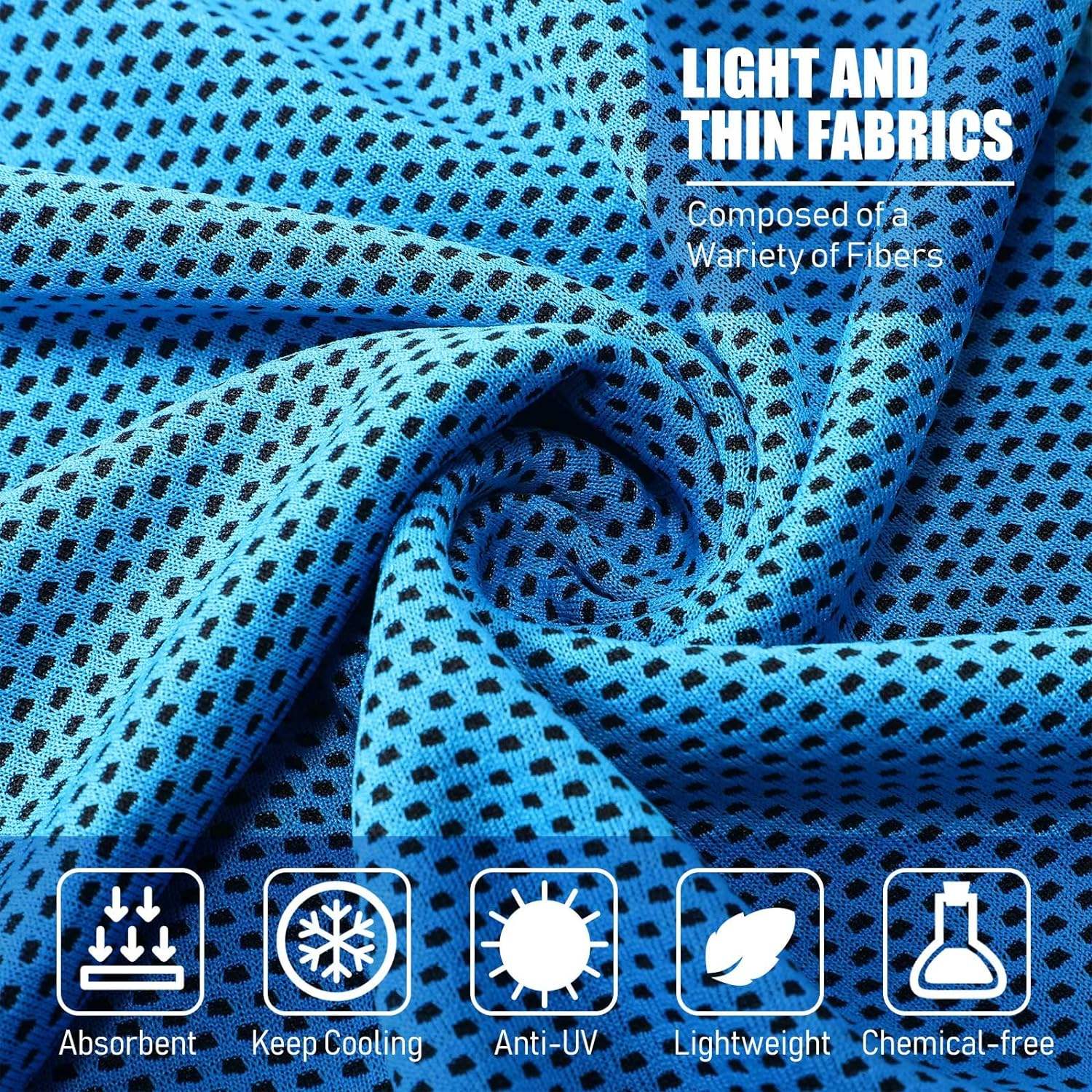
Microfiber cooling towels work another way. They feel light and soft both dry and wet. The tight weave gives them strong absorbent power. They hold 3-5 times their weight in water. Some designs mix microfiber sections with other materials. The microfiber ends let you wipe your face, hands, or glasses. The main cooling core stays dry.
Before the first wash, rinse your towel under running water. This clears away factory residue and production chemicals.
Check your water quality too. Hard water has magnesium and calcium. These minerals collect in fabric fibers. White towels turn yellow or grey over time from this buildup. Test your water this way: Add liquid soap to tap water in a sealed bottle. Shake it hard. Clear water with bubbles? You have soft water. Cloudy water? That’s hard water. You may need a water softener for microfiber cooling towel care.
Machine Washing Cooling Towels: Step-by-Step Guide
Machine washing saves time compared to hand cleaning. Here’s how to protect your towel’s cooling power in the wash.
Step 1: Pre-Wash Check and Preparation
Check your cooling towel before you toss it in the machine. Did you use it during tough workouts or outdoor activities? Sweat, sunscreen, and body oils need extra care. Pre-rinse the towel under cold running water. Squeeze out dirt and body residue. For dirty towels, add a light disinfectant solution. Let it sit for 5 minutes. Rinse until water runs clear.
Step 2: Choose the Right Machine Settings
Set your washer to cold water with a gentle or delicate cycle. Cold water keeps the fiber structure intact. This works for both PVA and microfiber materials. The gentle cycle stops hard tumbling. Hard tumbling damages the special weave. Some makers recommend hot water. Hot water softens PVA material. It also stops brittleness. Use hot water if your towel feels stiff after sitting in storage.
Step 3: Pick Your Detergent
Add a mild detergent or standard clothing detergent to your wash. Use half the amount you’d use for regular laundry. More soap doesn’t mean cleaner towels. Extra detergent leaves residue in fibers. This blocks moisture absorption.
Never add fabric softener. It coats the fibers with a waxy layer. Your towel loses its ability to absorb water fast. Skip bleach for routine cleaning. Save it for stubborn mildew problems. Mix 1 tablespoon bleach per 1 gallon warm water. Soak the affected towel for 1-2 hours. Rinse before machine washing.
Step 4: Wash and Rinse
Start the wash cycle. Don’t overload your machine. Give your cooling towel space to move around. Add an extra rinse cycle if your machine has one. This removes all detergent traces. Full rinsing matters more than wash time. Detergent buildup shortens your cooling towel lifespan faster than regular use.
Hand Washing Method: How to Do It Right
Hand washing works better than machine washing for delicate cooling towels. Proper hand cleaning achieves a log reduction of 2.82 in germs. Manual cleaning removes bacteria without harming sensitive fibers in your hand wash cooling towel.
When to Hand Wash
Hand wash in these cases: Your PVA cooling towel feels stiff after storage. You see stains from sunscreen or body oils. The towel smells musty from sitting damp. You’re traveling without a washing machine. Spot-cleaning small areas? Hand washing handles that without washing the whole towel.
Washing more than 10 times per day cuts respiratory infections by 41% (OR = 0.59, 95% CI: 0.36-0.97). Use your cooling towels during workouts or outdoor activities? Hand wash between uses to stop bacteria buildup. This extends your cooling towel lifespan.
The Right Technique
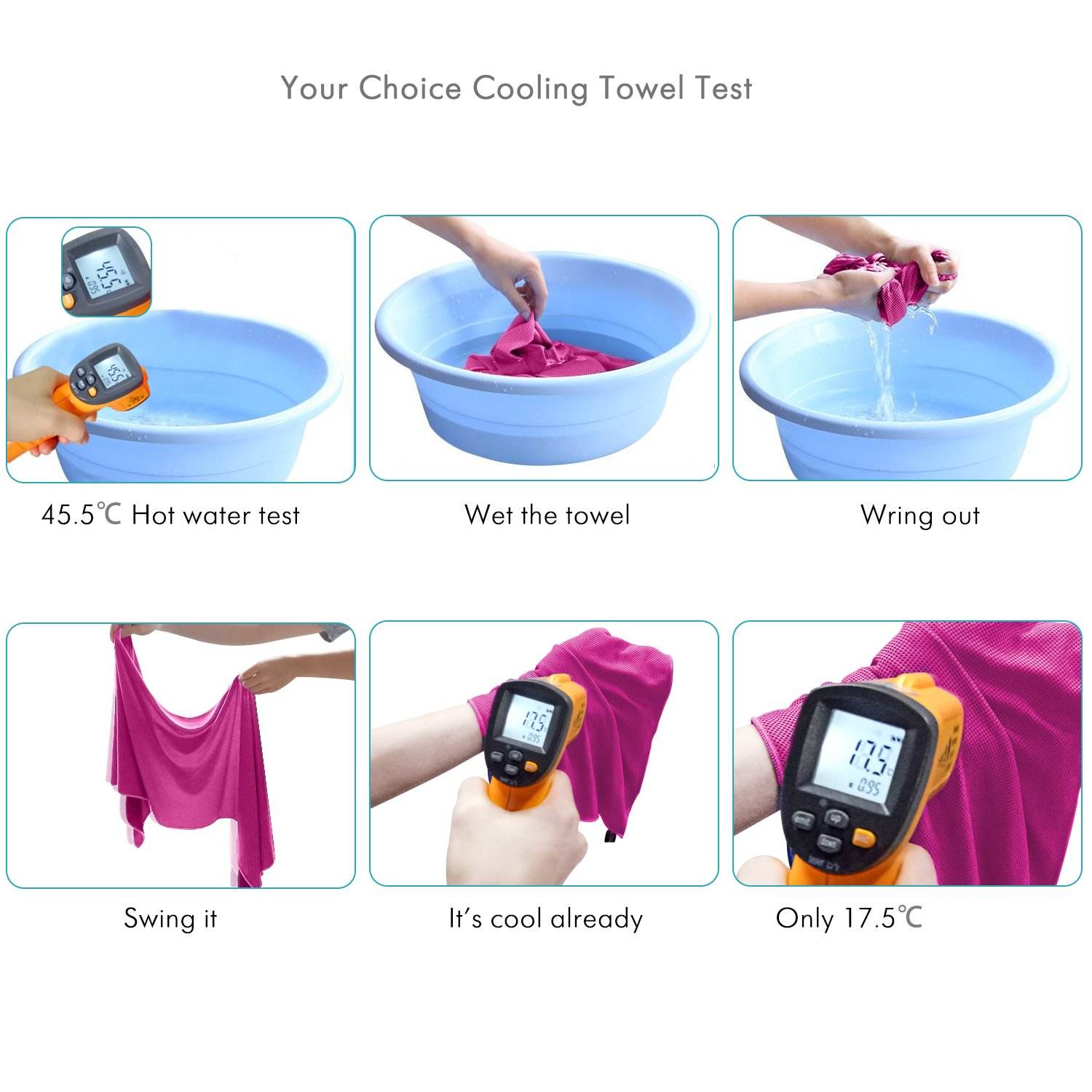
Fill a basin with cold or lukewarm water. Add mild detergent—about one teaspoon for a standard-size towel. Put your cooling towel in the water. Let it soak for 5-10 minutes to loosen dirt and oils.
Rub the fabric between your hands in circular motions. Pay attention to dirty areas like the edges you hold during use. The 6-step method covers all surface areas and works better than partial cleaning. Work through all sections of your towel the same way.
Rinse under running cold water until the water runs clear. Squeeze gently—never wring or twist. Twisting breaks down the fiber structure in PVA and microfiber materials. Press the towel between your palms to remove extra water.
Got stubborn odors on your evaporative cooling towel? Add one tablespoon of white vinegar to your rinse water. Vinegar kills odor-causing bacteria without leaving residue. This natural fix keeps the towel’s moisture-wicking properties intact and removes the smell.
Drying Techniques That Preserve Cooling Performance
Your cooling towel needs proper drying to maintain its cooling power. Poor drying methods damage the fibers. These fibers create the cooling effect.
Air Drying: The Safest Method
Air drying works best for all cooling towel types. Hang your towel in a spot with good airflow. Pick a location away from direct sunlight. UV rays break down synthetic fibers over time. Both PVA and microfiber materials suffer from this.
Shake the towel before hanging to remove excess water. This speeds up drying. It also prevents water spots. For PVA cooling towels, drape them over a shower rod or clothesline. Let both sides get air exposure. The towel should feel dry within 2-4 hours in normal room conditions.
Indoor drying keeps your cooling towel lifespan longer. Outdoor methods expose towels to high heat. Heat breaks down the moisture-wicking fibers. A ventilated bathroom or laundry room gives you the best drying space. Use a fan to boost air circulation in humid spaces.
Machine Drying Guidelines
Skip the dryer if you can. Heat damages the special fiber structure in cooling towels. Must use a dryer? Set it to air-dry or low heat. High heat makes PVA material brittle and cracked. Microfiber loses its quick-dry power.
Remove the towel while damp. Let it finish air-drying on a rack. This approach cuts drying time. Plus, you avoid heat damage.
Never use dryer sheets. They leave a waxy coating like fabric softener does. This coating blocks fiber absorption. Your towel won’t reactivate as well.
Storage After Drying
Store your dry cooling towel in a breathable container. Avoid plastic bags. They trap moisture. A mesh laundry bag or cotton pouch works well. This stops mildew from growing.
Keep towels in a cool, dry place. Damp spaces encourage bacteria growth. Bacteria causes bad odors. You’ve learned how to remove odor from cooling towel during washing. Good storage keeps the smell away.
PVA towels dry hard and stiff. This is normal. Add water before your next use to bring back the soft, flexible feel. The hardening protects the material during storage. It extends product life too.
Deep Cleaning for Stubborn Odors and Stains
Stubborn smells and old stains need more power than normal washing. Regular detergent can’t handle oil-based dirt or smell particles stuck deep in your cooling towel.
Why Regular Washing Fails on Tough Problems
Sunscreen, body lotion, and sweat leave behind oil-based residues. Water-based washing can’t dissolve them. These compounds stick to synthetic fibers at a deep level. Your cooling towel traps these particles. Regular detergent cleans the surface. The smell and stains stay locked inside.
Hot water kills bacteria that cause odors. Washing above 60°C (140°F) achieves 99.9% reduction in bacteria and viruses. Most care guides say use cold water to protect towel fibers. This creates a problem. Cold water below 40°C can’t kill all bacteria. Even activated-oxygen bleach won’t work at low temps.
Deep Cleaning Solutions That Work
White vinegar breaks down smell particles without hurting fibers. Mix one part white vinegar with four parts cold water. Soak your cooling towel for 30 minutes. The acid in vinegar stops odor compounds. Rinse under running water until the vinegar smell goes away.
Baking soda paste handles visible stains. Mix three tablespoons baking soda with warm water to make a thick paste. Put it on stained areas. Let it sit for 15-20 minutes. The paste pulls out oil-based stains from deep in the fibers. Rub the area between your fingers. Rinse with cold water.
Enzyme-based cleaners work best for body stains like sweat or food spills. These products have proteins that eat away stains at a deep level. Put the enzyme cleaner on problem spots. Wait 10 minutes for the enzymes to work. Hand wash the entire towel using the method from earlier sections.
When Deep Cleaning Isn’t Enough
Some towels get mildew from staying wet too long. Black or green spots mean mold growth. Mix 1 tablespoon bleach per 1 gallon warm water. Soak the affected area for 1-2 hours. Bleach kills all mold spores. Rinse several times. Machine wash right after bleach treatment.
Smell won’t go away after several deep cleans? The odor has soaked too deep into the fibers. Time to replace your cooling towel. A towel that can’t get fresh again no longer works for proper cooling towel care.
Reactivation Process: Restoring Your Towel’s Cooling Power
Your cooling towel loses its chill after continuous use. The solution takes less than two minutes.
When Your Towel Needs Reactivation
Reactivate your cooling towel when it starts to feel warm against your skin. Most cooling towels maintain their effect for up to 2 hours when wet. Several factors affect this time. How wet you keep the towel matters. So do humidity levels, outdoor temperature, and your body heat.
The 4-Step Reactivation Method
Step 1: Re-wet the towel. Run it under cold water or dip it in a water bottle. The ideal temperature sits between 59-68°F (15-20°C). Dried towels need a complete soak to work again.
Step 2: Remove excess water. Squeeze the towel until damp but not dripping. Too much water stops evaporation.
Step 3: Snap the fabric. Grab both ends of your towel. Pull your hands apart fast to create a snapping sound. Do this 3-5 times. This step is the most important one. Snapping pushes air through the fibers. This triggers the cooling effect.
Step 4: Wait a moment. Give the towel 1-2 minutes to settle after snapping. The fibers need time to stabilize before touching your skin.
Keep the Cooling Going
Move or adjust your towel every 15-20 minutes during use. This exposes fresh fabric areas to air. Airflow creates evaporation. No air? No cooling. Are you outside? Wave the towel or let wind pass over it. The breeze maintains the chill effect.
You can reactivate multiple times per day without limits. Each cycle restores full cooling power if you follow the steps right.
Storage Solutions for Short-Term and Long-Term Use
Good storage protects your cooling towel between uses. Pick your method based on how long the towel sits unused.
Short-Term Storage (Days to Weeks)
Use your towel often? You need quick-access storage. Hang your cooling towel on a hook or towel bar after each use. Let it dry all the way before your next workout or outdoor activity. A bathroom or laundry room works well for this setup.
Keep your towel in a breathable mesh bag for gym trips. The mesh allows airflow. This stops bacteria growth during transport. Skip plastic bags or sealed containers for active storage. They trap moisture and create mildew problems within days.
Store your towel in a cool, dry spot away from direct sunlight. UV exposure breaks down synthetic fibers over time. A drawer, closet shelf, or storage basket keeps the towel protected yet accessible. Temperature plays a role too. Don’t store it near heaters or in hot cars. Heat ruins the cooling properties you want to keep.
Long-Term Storage (Seasonal or Extended Breaks)
Storing your cooling towel for months? Extra prep extends its life. Wash the towel well using the methods from earlier sections. Remove all sweat, oils, and detergent residue. These materials attract bacteria during storage.
Let the towel air-dry all the way. Any leftover moisture leads to mold growth. PVA cooling towels should feel stiff and hard when dry. This hard state protects the material during long storage.
Place your clean, dry towel in a cotton storage bag or breathable container. Add a silica gel packet to absorb leftover moisture. Label the container with the storage date. This helps you track your cooling towel lifespan.
Store the container in a space with stable temperature. Basements work if they stay dry. Attics can get too hot in summer. A bedroom closet or linen cabinet gives you the best conditions for cooling towel storage.
Check stored towels every 2-3 months. Look for mildew signs or odd smells. Reactivate the towel before first use after long storage. Soak it in cold water for 5-10 minutes to bring back flexibility and cooling power.
What Never to Do: Common Washing Mistakes That Damage Cooling Towels
Most cooling towel damage happens in the wash, not during use. These mistakes cut your towel’s lifespan by months or even years.
Mistake #1: Using High Heat in the Dryer
Tumble drying above 40°C (104°F) destroys PVA cooling towels 5.2 times faster than air-drying. High heat damages the polymer network beyond repair. Your towel’s structure breaks down for good. Heat above 60°C (140°F) melts microfiber types. The fibers melt and stick together. This blocks the gaps needed for water absorption and cooling.
Mistake #2: Washing with Tap Water Too Often
Municipal tap water has a pH between 7.8-8.4. This alkaline water causes 33% capillary density loss by wash #5. Hard water minerals clog the tiny channels in cooling fibers. Use distilled water instead. Tests show 85% retention after 10 washes with distilled water versus major decline with tap water.
Mistake #3: Choosing the Wrong Detergent
Standard detergents—enzyme-based types in particular—cause 41% molecular weight loss at cycle 20. Cleaners without neutral pH break down synthetic fibers at the molecular level. Chemical pH above 10 triggers fiber breakdown. The fabric dissolves bit by bit.
Never use excess chlorine bleach. It damages fabrics and creates yellowish stains on natural fibers. Skip oxygen bleach for cooling towels.
Mistake #4: Incomplete Rinsing
Rinsing once or twice leaves detergent film on fibers. This leftover soap reduces cooling power by 22% at cycle 30. Three rinses work better: your towel keeps +17% capillary flow. Extra rinse cycles wash away all soap traces. Your cooling performance stays strong for more washes.
Mistake #5: High-Speed Spinning
Setting your washer to 800+ RPM breaks fibers directly. Fast spinning tears the delicate weave. PVA and microfiber materials need gentle handling. Broken fibers can’t hold water or create the cooling effect.
Mistake #6: Poor Storage Choices
Storing your towel rolled in a plastic bag speeds up mildew growth. The sealed space traps moisture. This makes fibers fuse—the threads stick together for good. Field surveys show -19% cooling snap in towels stored this way (n=1,247 users).
Mistake #7: Saltwater or Chlorine Exposure
Pool chlorine and ocean salt cause damage you can’t fix. Salt crystals scratch microfibers like sandpaper. Chlorine breaks down polymer structures. Expect 30-40% reduced lifespan even after quick fresh rinse and vinegar pre-soak. The chemical damage goes too deep to reverse.
Mistake #8: Washing with Colored Fabrics
Dye transfer stains white cooling towels. Color bleeding ruins how the towel looks. This matters beyond appearance—dye particles can clog fiber spaces.
Performance Decline Timeline
Data shows how mistakes add up over time:
|
Wash Cycles |
Avg. Temp Drop (°C) |
Evaporative Time (min) |
User Rating |
|---|---|---|---|
|
1-3 |
12.4-13.1 |
28-32 |
94% excellent |
|
4-15 |
10.7-11.6 |
22-26 |
81% very good |
|
16-40 |
8.2-9.3 |
15-19 |
56% fair |
|
41-100 |
4.1-5.8 |
6-11 |
19% poor |
Watch for wear signs from wash #4: reduced cooling snap, longer drip time after squeezing, and subtle stiffness after drying.
Special Care for Microfiber Variants
Microfiber towels with GSM below 500 show 3× fiber loss after 50 washes compared to heavier types. The 80/20 polyester/polyamide blend keeps 95% absorption after 75 washes. After 80 washes, decline starts—expect -30% absorption speed.
The Fix That Works
Vinegar pre-soak reverses mineral damage. Mix vinegar with water at a 1:10 ratio. Soak for 10 minutes before washing. Tests show towels kept a 7.9°C temp drop after 142 washes—just 15% loss versus the original 9.2°C drop. Vinegar breaks down mineral buildup and sunscreen residues that regular detergent leaves behind.
Washing Frequency Guide Based on Usage Intensity
Most people wash their cooling towels too often or not enough. The right schedule depends on how you use them.
Active Daily Use (Workouts, Outdoor Work, Sports)
Wash your cooling towel after every use for hard exercise or outdoor work. Sweat has oils and bacteria that build up fast. A towel used for running, cycling, or construction work needs cleaning within 24 hours. Bacteria causes odors and gets deep in the fibers.
Moderate Use (Casual Exercise, Hot Weather Relief)
Clean your towel every 2-3 uses for light activities. Walking, yard work, or staying cool at outdoor events creates less sweat buildup. Rinse the towel under cold water after each session. This extends time between washes. It removes surface dirt and body oils.
Light Use (Emergency Cooling, Travel Backup)
Towels that sit in your gym bag or car as backup need washing every 1-2 weeks, even without use. Dust and moisture pull in bacteria during storage. A quick wash cycle keeps them fresh. Plus, the fibers stay ready for instant cooling.
Signs You Need to Wash Right Away
Notice musty smells? Stop waiting for your regular schedule. Visible stains from sunscreen or body lotion mean it’s time to wash. Reduced cooling performance is another sign. Bacteria or residue has damaged the fabric.
Troubleshooting: My Cooling Towel Stopped Working After Washing
Your towel lost its cooling power right after a wash cycle. This problem has clear causes and fixes that work.
Bad drying is the main problem. Storing your towel while damp creates mildew and bacteria growth. These germs block the cooling channels in the fabric. Your towel must be 100% dry before storage. Any moisture left behind ruins performance within days.
Regular machine washing breaks down the material. High-speed spinning and wrong water temperature damage the fiber structure. PVA towels lose their ability to absorb up to 8 times their weight in water. Cooling time drops from the normal 2-5 hours down to 30 minutes.
Chemical residue builds up in PVA materials. These towels contain isothiazolinone chemicals for product stability. A single rinse doesn’t wash them out. The residue film stops water from spreading through fibers. Cooling stops working because water can’t reach all fabric surfaces.
Recovery Steps That Work
Follow this process to fix your towel:
-
Soak in mild bleach solution if you see mildew spots. Mix 1 tablespoon bleach with 1 gallon warm water. Let the towel sit for 1-2 hours.
-
Rinse well under running water until no bleach smell remains.
-
Wash by hand or use gentle cycle with cold water and mild detergent.
-
Air dry by hanging or laying flat in open air. Check that every part feels bone-dry.
-
Test it by soaking in cool water until soft. Wring it out a bit. Check for cooling sensation against your skin.
Recovery fails after several tries? Your towel material has permanent damage. Quality cooling towels last several years with proper care. A new towel that stops working soon after purchase has manufacturing defects.
Extending Lifespan: Maintenance Tips Beyond Washing
Washing your cooling towel properly helps. But it’s not enough. Your habits and preventive care decide how long it lasts. One season or several years? The choice is yours.
Rotation Strategy for Multiple Towels
Got more than one cooling towel? Rotate them during active use. Switch between towels every 2-3 workouts. Don’t use the same one each time. This rest period helps fibers bounce back from compression and stretching. Your towels wear at the same rate. One won’t get damaged while others stay fresh.
Regular Inspection Schedule
Check your cooling towel each month for wear signs. Look for loose threads, thin spots, or frayed edges. Small problems turn into big damage fast. Inspect the fabric after every 10-15 uses during peak season. Spot issues fast—fix a small tear now, avoid total breakdown later.
Smart Usage Habits
Never wring or twist your cooling towel to remove water. This breaks down the fiber structure for good. Squeeze between your palms instead. Use a light touch. Don’t drag the towel across rough surfaces like concrete or pavement. Abrasion wears down fibers faster than normal use.
Keep your towel away from direct sunlight during storage. UV rays break down synthetic materials over time. Store in drawers or covered containers between uses. This simple step protects your investment.
Reactivate Before Each Use
Soak your PVA cooling towel for 2-3 minutes before use if it’s been stored dry. This step prevents stress cracks in the material. The prep takes barely any time. But it adds months to your cooling towel lifespan. Small effort, big reward.
Conclusion
Washing cooling towels the right way protects your investment. It keeps them working at their best every time heat strikes. Follow the washing methods we covered for your towel’s specific material. Skip fabric softeners and high heat. Store them correctly. These simple steps give you years of cooling comfort.
Gentle care equals lasting performance. Hand wash your delicate PVA towel. Machine wash microfiber types. Those few extra minutes you spend on proper cooling towel care extend their life. Plus, they keep cooling you down strong.
Ready to try these techniques? Check your cooling towel’s care label first. Then pick the washing method that fits your towel’s material. Notice worse performance even after cleaning? Our latest cooling towel designs might be what you need. They’re easier to maintain and built to last longer.
Keep cool and stay fresh. Make every workout, outdoor trip, or hot day better with a well-maintained cooling towel by your side.