
You’ve bought a quality heated vest for your winter ski trip. Now you’re packing for your flight, and a question pops up—will TSA take this at security? You’re not alone. Thousands of travelers get confused about portable heating devices with lithium batteries on planes. No one wants to lose expensive gear or face delays at the checkpoint.
The good news? You can wear a heated vest on an airplane. But you need to understand specific TSA battery rules and watt-hour limits first.
Got questions about carry-on restrictions? Want to know how to get through security checks with rechargeable vests? Need to find out which power banks meet airline standards? This guide covers everything. You’ll learn official FAA rules and practical packing tips. Your electric heated vest will travel just as easily as you do—no surprises at 30,000 feet.
Can You Wear a Heated Vest on an Airplane? (Official TSA & FAA Rules)
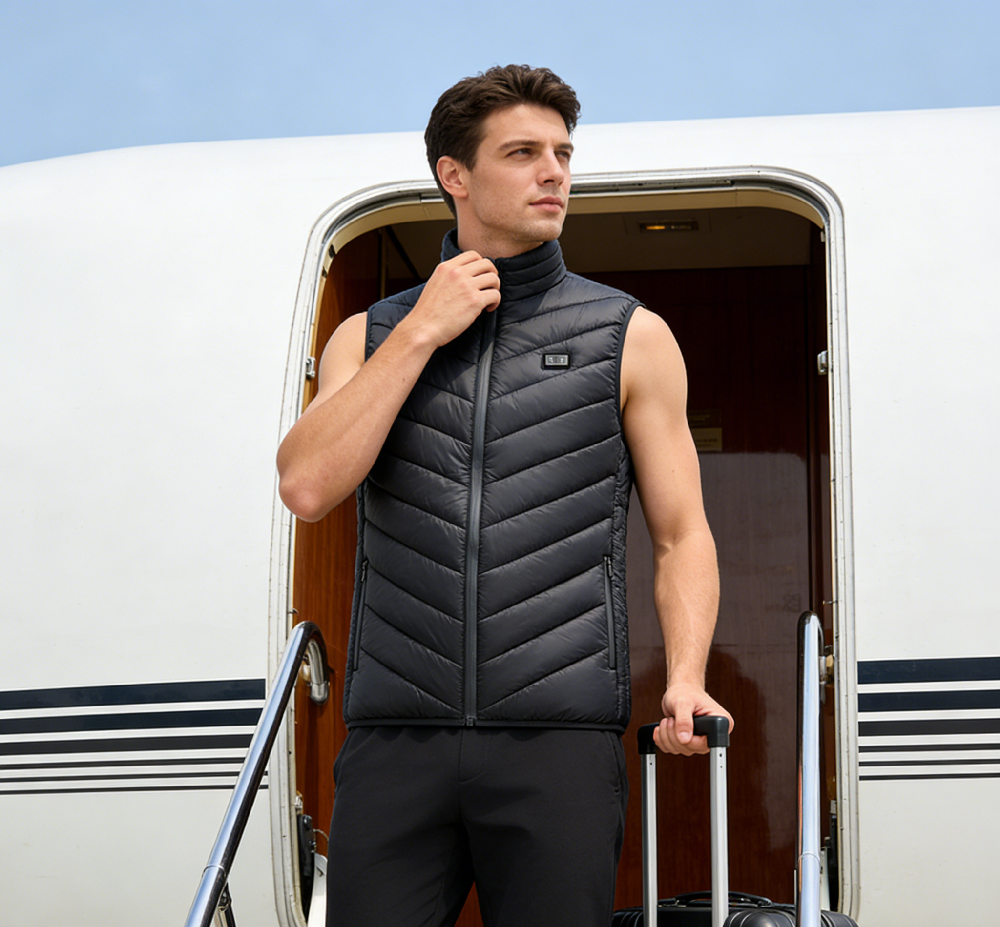
TSA allows heated vests and jackets in both carry-on and checked baggage. The heated clothing itself poses no security threat. This includes the fabric, wiring, and heating elements. You can walk through the airport wearing your heated vest without issue.
Airport security may ask you to remove the vest during screening. Place it on the X-ray conveyor belt, just like a regular jacket. This is standard for bulky outerwear. These items can hide objects in a body scan.
What TSA and FAA Regulate: Your Vest’s Battery
Aviation safety rules focus on the lithium-ion battery that powers your vest. TSA and FAA have strict rules on lithium batteries. These batteries pose a fire risk in aircraft cargo holds.
For batteries ≤ 100 Wh (up to 20,000 mAh at 5V):
– Batteries installed in your vest can travel in carry-on or checked bags
– Spare or uninstalled batteries must go in carry-on bags—never in checked luggage
– Most heated vest batteries fit this range (around 10,000 mAh / ~37 Wh)
For batteries > 100 Wh but ≤ 160 Wh:
– Allowed in carry-on bags when installed in the device
– Banned from checked baggage
– You may need advance airline approval—check your carrier’s policy
Protect all spare lithium batteries against short circuits. Keep terminals covered. Store them in original retail packaging or use a battery case.
Wearing Your Heated Vest Onboard
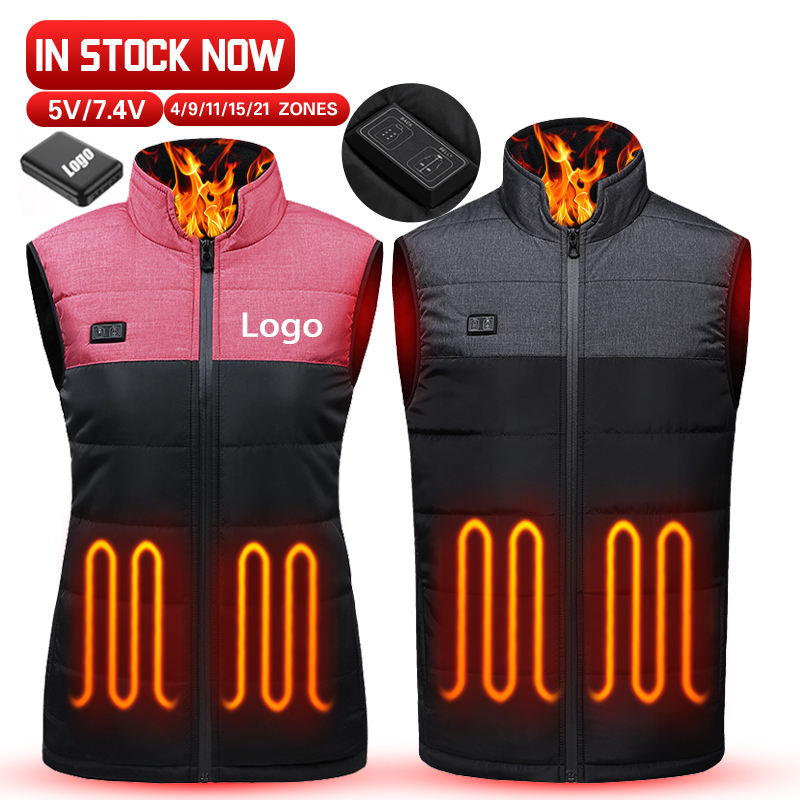
You can wear your heated vest as regular clothing during boarding and flight. Keep the battery installed in the vest’s pocket. Just make sure the battery meets capacity limits.
Many heated vest makers sell their products as “perfect for air travel” with TSA-approved batteries. Keep your battery under 100 Wh for easy travel.
Key difference: These battery rules are different from FAA restrictions on gas-inflated safety vests. Motorcycle airbag vests require airline approval and use compressed gas cartridges. Your battery-heated vest follows standard electronic device rules. Much simpler.
Lithium Battery Restrictions for Heated Vests (Wh Limits Explained)
The number stamped on your heated vest battery decides what happens at airport security. You either pass through or face confiscation. Aviation safety uses one key measurement: watt-hours (Wh). This metric determines TSA approval.
Understanding the 100 Wh Air Travel Threshold
Most heated vest batteries stay below aviation limits. The standard limit is 100 Wh per battery without airline approval. Heated apparel batteries range from 15 Wh to 37 Wh. All safe for travel.
Here’s what real heated vest batteries look like in Wh terms:
-
Standard heating pack: 7.4V × 2.2 Ah = 16.3 Wh (often labeled as 15 Wh)
-
Extended-life pack: 7.4V × 4.0 Ah = 28 Wh
-
High-capacity option: 7.4V × 5.0 Ah = 37 Wh
-
USB power bank variant (10,000 mAh at 5V): 37 Wh
Larger batteries for long heating sessions stay legal. A 12V, 8 Ah pack equals 96 Wh. Still under the limit. This covers nearly every heated vest sold to consumers.
Battery Capacity Tiers and Airline Rules
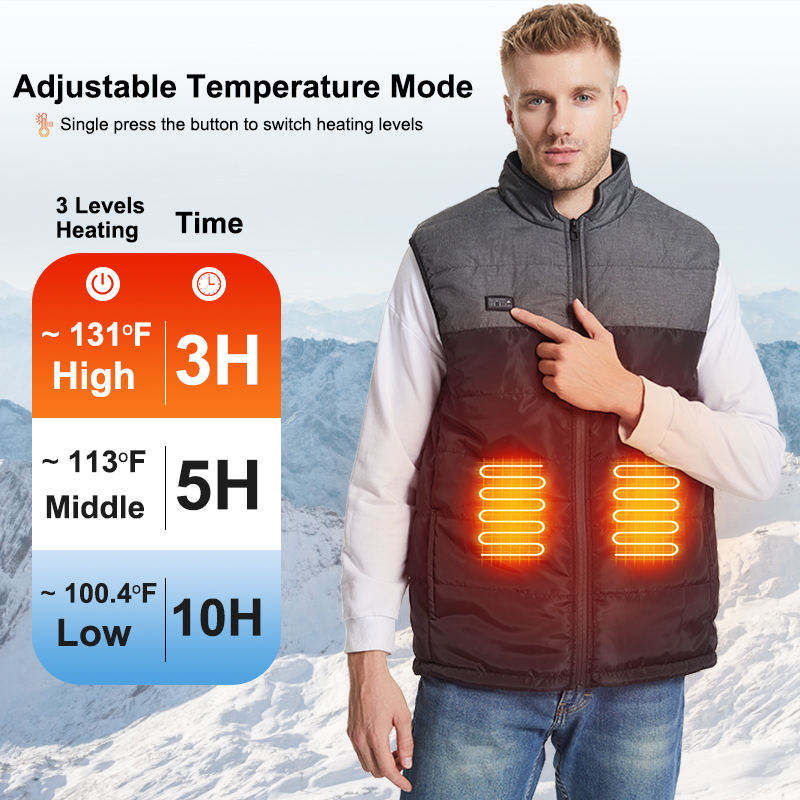
For batteries ≤100 Wh (standard range):
– No quantity limit for personal use under FAA PackSafe guidelines
– IATA rules permit up to 20 spare batteries per person in carry-on
– No advance airline approval needed
– Can stay installed in your vest during travel
For batteries 101–160 Wh (oversized range):
– Need airline approval before flight
– Maximum 2 spare batteries allowed per passenger
– Must travel in carry-on baggage
– Device must be powered off. Protect terminals if checking the vest.
Batteries exceeding 160 Wh:
– Not allowed in passenger baggage under standard rules
– Need special cargo handling or dangerous goods procedures
– Example: 12V × 15 Ah = 180 Wh (not allowed)
These rules come from U.S. 49 CFR 175.10 (Department of Transportation hazmat regulations) and IATA Dangerous Goods Regulations. Airlines worldwide follow these standards.
How to Calculate Wh for Your Battery
Check your battery label for printed watt-hour ratings first. Many makers list Wh on the label. You see voltage (V) and amp-hours (Ah)? Use this formula:
Wh = Voltage (V) × Amp-hours (Ah)
Batteries labeled in milliamp-hours (mAh) need conversion. Divide by 1,000 first. A 5,000 mAh battery equals 5 Ah.
Quick verification checklist:
1. Find the battery’s voltage rating (common: 5V, 7.4V, or 12V)
2. Find capacity in Ah or mAh
3. Multiply V × Ah to get Wh
4. Confirm result is below 100 Wh
5. Take a photo of the label showing specs. TSA might ask questions.
Lithium-Ion vs. Lithium-Metal Batteries
Heated vests use rechargeable lithium-ion batteries. Non-rechargeable lithium-metal batteries power some electronics. These are different. Lithium-metal cells have a limit of 2 grams of lithium content per battery. Medical devices can carry up to 8 grams with approval.
Your heated vest battery falls under lithium-ion rules. These allow more capacity. Focus on the 100 Wh threshold, not lithium content weight.
Bottom line: Heated clothing brands mark products as “TSA-approved” or “flight-safe.” They equip batteries in the 10–60 Wh range. You’d need to buy industrial-grade battery packs to hit regulatory limits.
Step-by-Step: How to Bring Your Heated Vest Through Airport Security

Security checkpoints move fast. Prepare your heated vest before you reach the TSA line. These seven steps help you get through screening without delays or confiscation.
Step 1: Verify Your Battery Specifications Before Leaving Home
Open your battery compartment and check the label. Look for two key markings: “lithium-ion” battery type and the watt-hour (Wh) rating. Most heated vest batteries show ratings between 37–74 Wh. This stays under the 100 Wh carry-on limit.
Can’t find the Wh rating? Calculate it yourself. Take voltage (V) times amp-hours (Ah). A common 7.4V, 10,000 mAh battery equals 74 Wh. Snap a quick photo of the battery label with your phone. TSA officers might ask for proof of capacity.
Step 2: Pack Battery and Vest the Right Way
Key rule: batteries must travel in carry-on luggage. Don’t pack lithium batteries in checked bags. FAA regulations ban this because of fire risk.
Your heated vest without the battery can go anywhere: carry-on, checked luggage, or worn on your body. The battery is the game-changer. Remove it from the vest pocket before checking any luggage.
Store batteries in a dedicated electronics pouch in your personal item. Keep them easy to reach. You’ll need to remove them at security. Cover spare battery terminals with tape or keep them in original packaging. This stops short circuits.
Step 3: Prepare for Screening Before the Security Line
Power off your vest. Unplug any charging cables. Remove the battery from the vest pocket—don’t leave it installed. Place the battery in an outer pocket of your backpack or personal item for quick access.
Check your checked luggage one final time. No batteries should be inside. Move every power source to your carry-on.
Step 4: Navigate the X-Ray Conveyor Belt
You can wear your heated vest through the body scanner like a normal jacket. The vest itself triggers no alarms. The battery needs separate screening.
Place in separate bins:
– Bin 1: Laptop, tablet, large electronics
– Bin 2: Heated vest battery and any spares
Keep batteries visible. Don’t bury them under clothes or toiletries. TSA officers need clear X-ray images of lithium cells.
Step 5: Communicate with TSA Officers
Speak up first. This speeds up the process. Tell the officer: “I have a heated vest battery in the bin—lithium-ion, 74 watt-hours.” This shows you know the rules.
Officers may ask to see the battery rating. Show the label or your photo. Confirm the battery stayed in carry-on luggage. Some officers swab batteries for explosive residue. This is standard for all electronics.
Answer questions straight. Vague responses lead to extra screening.
Step 6: Reinstall Battery After Clearing Security
Wait until you’re past the checkpoint to reconnect your battery. Walk to your gate area, then snap the battery back into the vest pocket.
Onboard guidelines: Most airlines require heated clothing to stay powered off during taxi, takeoff, and landing. Check your specific carrier’s policy. Keep the battery in your personal item under the seat—not in an overhead bin you can’t reach during flight.
Flight attendants may ask you to turn off the vest if they notice heat. Do so right away.
Step 7: Research Airline-Specific and International Rules
Airlines set their own limits beyond TSA rules. Here are common restrictions:
– Maximum 2–4 spare batteries per passenger
– Batteries between 100–160 Wh require advance approval
– Some carriers ban heated clothing (rare but possible)
International flights are more complex. European Union and Asian countries follow similar lithium battery rules. But they’re not identical. Check your destination country’s aviation authority website.
Screenshot or print your airline’s battery policy. Carry this documentation in your phone or bag. If questioned, you have official proof you’re following the rules.
Real-world example: A traveler with a 7.4V, 10,000 mAh (74 Wh) heated vest battery follows this setup:
– Vest worn through security
– Battery removed, placed in electronics pouch in carry-on
– One spare 74 Wh battery packed with terminals taped
– All batteries in accessible pockets, not buried in bags
– Airline policy screenshot saved on phone
This setup clears TSA in under 60 seconds. No extra questions. No delays.
Carry-On vs Checked Baggage: Where to Pack Your Heated Vest

The heated vest itself goes anywhere. The battery doesn’t. This one rule controls your packing strategy.
Battery Placement: Must Go in Carry-On
All lithium-ion batteries must travel in your carry-on bag. This isn’t airline preference—it’s federal law. FAA regulations ban lithium batteries from checked luggage due to fire risk. Cargo holds lack fire systems that work on lithium fires. Cabin crew can reach and put out battery fires in the passenger cabin.
Your heated vest battery follows the same rules as laptop batteries, phone power banks, and camera batteries. Heating devices get no exceptions.
What happens if you pack batteries in checked bags? TSA scanners flag lithium cells. Security opens your luggage and removes the battery. You either get it back before boarding (if time allows) or lose it for good. Some airports charge fines for hazmat violations.
The Vest Without Battery: Your Choice
Remove the battery from your vest pocket first. Now the vest becomes regular clothing. Pack it wherever you want:
-
Checked baggage: Fold it with winter coats and bulky items
-
Carry-on bag: Keep it ready for cold airports or destinations
-
Worn on body: Walk through security wearing it like a normal jacket
The fabric, wiring, and heating parts pose zero security concerns. The power source is what matters.
Smart Packing Strategy for Heated Vest Travel
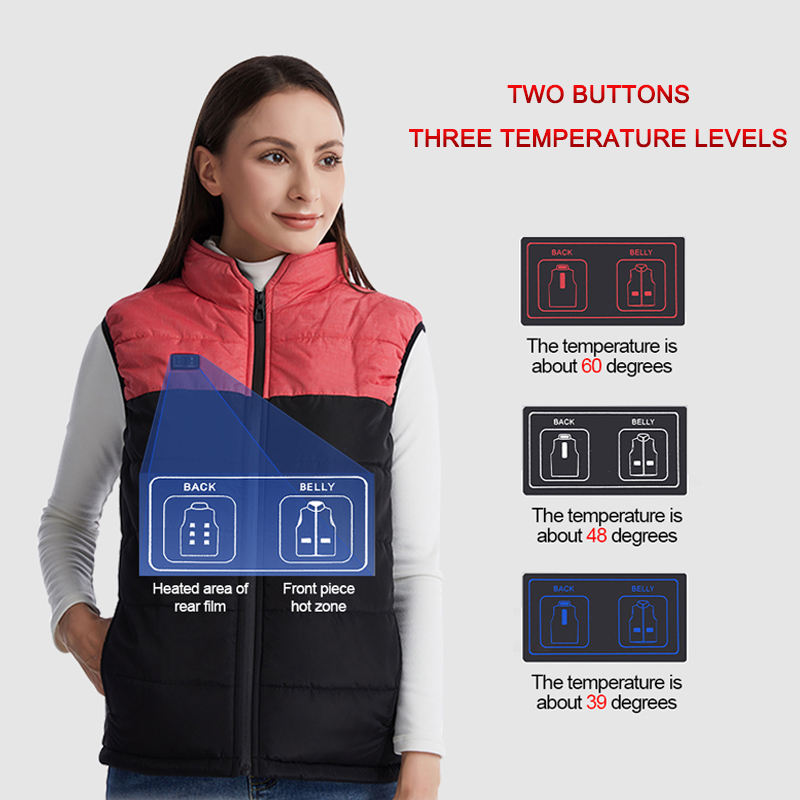
Setup we recommend for most travelers:
-
Disconnect battery from vest before leaving home
-
Place battery in outer pocket of personal item or carry-on backpack
-
Keep spare batteries (if any) in the same electronics pouch
-
Cover all battery terminals with original packaging, plastic cases, or electrical tape
-
Pack the vest in checked luggage to save carry-on space
Cold-weather option: Wear your vest through the airport with battery removed. Connect it after security. Turn it on after boarding (check airline policy). This works for early flights in freezing weather.
Big packing mistakes to avoid:
-
Leaving battery connected to vest in checked luggage (instant loss)
-
Burying batteries deep in bags where you can’t reach them fast
-
Packing loose batteries without terminal cover (fire risk)
-
Checking a vest with battery still in pocket, even if powered off
Spare battery limits: Most airlines allow 2–4 spare batteries under 100 Wh in carry-on bags. Your heated vest needs one battery for 4–8 hours of heat. Pack one in the vest, one spare in your bag. This covers full-day use.
International flights get tricky. EU countries follow similar lithium battery rules. Asian spots vary. Japan mirrors U.S. standards. China requires batteries under 160 Wh to show capacity ratings. Print your airline’s battery policy before you leave.
Quick decision checklist:
– Battery location? → Always carry-on
– Vest location? → Your choice (checked, carry-on, or worn)
– Battery terminals covered? → Yes, before packing
– Capacity under 100 Wh? → Check label first
This simple split—batteries up front, vest anywhere—keeps you safe on every flight.
Using Your Heated Vest During the Flight (In-Cabin Rules)
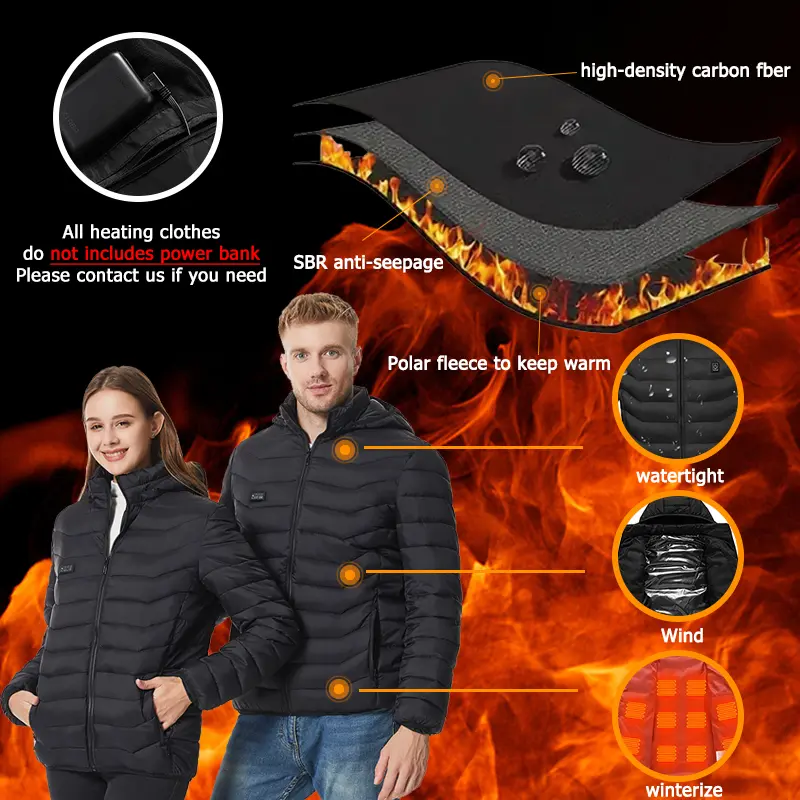
Airlines allow heated vests as regular clothing in the cabin. The vest stays on your body during the flight. You board wearing it, sit with it on, and land with it on your shoulders. The heating function has restrictions—not the vest itself.
Can You Turn On Your Heated Vest During Flight?
Most airlines don’t allow you to turn on the heating. Safety rules treat power banks and lithium batteries as fire hazards at high altitude. Cabin crew don’t have special tools to put out lithium battery fires. So airlines require you to keep these devices turned off.
Your vest works as regular insulation with the heat off. The fabric, padding, and wires are safe. You wear it like a normal jacket. But pressing the power button activates an electronic device with a lithium-ion cell. That’s not allowed.
Here’s what to do: Wear your heated vest on the plane. Keep the battery connected and easy to reach. Just don’t turn on the heat. Feel cold? Use the airline blanket. Save your battery for after you land.
Battery Placement and Access During Flight
Keep your heated vest battery in an outer pocket or under your seat. Store it in your personal item within arm’s reach. Don’t bury it in an overhead bin or under other bags.
Why easy access matters: Flight attendants may ask you to show the device is off. They might ask you to disconnect the battery if they feel warmth or think it’s on. Do this right away. Pull out the battery, show the power light is off, and follow crew orders.
Charging rules: Never plug your vest battery into seat power outlets or USB ports during flight. Airlines ban charging lithium batteries in the cabin. This prevents thermal runaway risk. One bad cell can overheat and start a chain reaction. Keep batteries unplugged from all power sources except the vest (with heat off).
Security Screening: Vest and Battery Separation
TSA officers X-ray your heated vest like any thick jacket. Take off the vest at the checkpoint and put it in a bin. The wiring and heating parts show up on X-ray machines. This is normal.
Battery handling at security:
– Unplug the battery from your vest pocket before screening
– Put the battery in your carry-on bag’s electronics pouch
– Be ready to explain what it powers if asked
– Show the watt-hour rating label to officers if needed
TSA PreCheck passengers can sometimes keep light jackets on. Your heated vest still comes off. The electronics need separate screening. Take it off, send it through the X-ray, and pick it up after you clear the checkpoint.
Crew Communication and Compliance
Cabin crew control all personal electronic devices. A flight attendant asks you to turn off your heated vest? Do it right away. They ask you to remove the battery? Do it now.
You don’t need to declare it, but being upfront helps. You can tell the flight attendant as you sit down: “I’m wearing a heated vest with a lithium battery. It’s off per the rules.” This stops confusion if they see the control panel or wires through your shirt.
Covering your battery pack with heavy layers can cause overheating even with the power off. Keep air flowing around the battery area. Don’t trap the power pack between thick blankets, pillows, and your body for hours.
Bottom line for cabin use: Your heated vest goes on as clothing. The battery goes on as a personal electronic device. Both are OK. Active heating is not. Follow crew orders. Keep batteries easy to reach. Land warm and rule-compliant.
Practical Packing Tips & Travel Hacks
Smart travelers pack their heated vests with purpose—not panic. Clean organization speeds up security and protects your gear. These strategies work for domestic flights or cross-continent trips.
Dedicated Battery Storage System
Create a dedicated electronics pouch in your carry-on. Use a small packing cube or zippered mesh bag. Put all lithium batteries inside: your heated vest power bank, phone backup battery, and any spares. This setup gives you three wins:
-
TSA screening goes faster. Pull out one pouch instead of digging through your entire bag.
-
Terminal protection. Batteries stay away from keys, coins, and metal objects that cause short circuits.
-
Quick crew access. Flight attendants can check your batteries are off. They won’t need to unpack everything.
Cover battery terminals with electrical tape or keep them in original packaging. A 10,000 mAh power bank fits in a plastic case the size of a deck of cards. Wrap spare batteries one by one to prevent contact.
The 24-Hour Essential Kit Backup
Pack one complete outfit change in your carry-on—even if you check luggage. Airlines lose 7.6 bags per 1,000 passengers (2023 SITA data). Your heated vest might arrive three days after you land in Reykjavik.
Emergency clothing cube contents:
– 1 t-shirt or thermal base layer
– 1 pair underwear
– 1 pair socks
– Mini toiletries (toothbrush, deodorant, travel shampoo)
– Prescription meds in labeled containers
– Phone charger and one backup battery
Keep this cube accessible in your personal item. Your checked bag goes missing? You stay warm with your vest and fresh for 24 hours while airlines track your luggage.
Compression Without Damage
Your heated vest has delicate wiring inside the fabric panels. Don’t cram it into tight spaces or roll it like a sleeping bag. The carbon fiber heating elements can crack under pressure.
Safe folding method:
1. Lay vest flat, front side up
2. Fold sleeves inward to create a rectangle
3. Fold in half lengthwise (shoulder to hem)
4. Fold in half again widthwise
5. Place folded vest in outer layer of carry-on or checked bag
This keeps heating wires straight and prevents kinks. Pack the vest near soft items like sweaters or jackets. Keep it away from hard laptop corners or camera equipment.
Multi-Purpose Power Bank Strategy
Choose a power bank that serves double duty. A 10,000 mAh (37 Wh) battery powers your heated vest for 6–8 hours and charges your phone 2–3 times. You won’t need separate batteries for each device.
Look for power banks with:
– Dual USB outputs (charge phone while vest battery is connected)
– LED power indicator (shows remaining charge for TSA verification)
– Pass-through charging (recharge the bank while it powers your vest)
One 20,000 mAh (74 Wh) power bank replaces three smaller batteries. You stay under the 100 Wh TSA limit and save bag space.
Document Your Battery Specs
Screenshot your heated vest battery specs before you leave home. Save the image in your phone’s photos and email it to yourself. You need:
-
Watt-hour rating (Wh)
-
Voltage (V) and amp-hour (Ah) capacity
-
Battery model number
-
Manufacturer name
TSA officers ask for proof at 30% of random electronics checks. Pulling up the screenshot takes five seconds. Searching through your bag for the physical battery label takes five minutes and holds up the line.
Layer Your Vest for Dual Function
Wear your heated vest over a lightweight base layer and under a windproof shell jacket. This three-layer system works as:
-
Airport wear: Keep vest off during security, turn on in cold terminals after checkpoint
-
In-flight backup: Vest provides insulation even with heat disabled
-
Arrival readiness: Exit the plane dressed for cold weather—no fumbling with luggage
The shell jacket hides the vest’s control panel and battery pocket. You look like any other traveler, not someone wearing tech gear.
International Outlet Planning
Your heated vest charger might not fit foreign outlets. Pack a universal travel adapter (one device, 150+ countries). Charge your vest battery overnight at hotels. No need to hunt for country-specific plugs.
Skip bulky voltage converters. Modern heated vest chargers accept 100–240V on their own. Check your charger’s input rating label. It shows “100-240V”? You need a plug adapter—not a converter.
Pre-Flight Battery Conditioning
Charge your heated vest battery to 50–70% capacity before flying. Lithium-ion cells stay most stable at partial charge during transport. A charged battery (100%) has higher energy density and more fire risk. An empty battery (0%) can enter deep discharge and lose capacity.
Half-charged batteries give you options. You can turn on your vest right after landing. No need to find an outlet. Most airports have USB charging stations if you need a top-up before leaving the terminal.
Conclusion
You can travel with your heated vest on an airplane. It’s easier than you might think. Keep your lithium battery under the 100Wh TSA limit. Pack it in your carry-on luggage. Remove the power bank during security screening. Follow these simple steps and you’ll stay warm from home to your cold destination. No airport hassles.
Check your heated vest’s battery specs before your next winter trip. Review your airline’s policies too. Pack smart and follow the guidelines we’ve covered. You’ll breeze through security with confidence. Your heated vest is allowed—and it’s one of the smartest travel companions for cold-weather trips.
Ready to upgrade your travel comfort? Explore our collection of TSA-compliant heated vests at coolheatech.com. We designed them with air travel in mind. Each product includes clear battery specs and expert packing tips to make your trip smooth. Stay warm, stay mobile, and travel worry-free.