
You just bought a cooling vest for your construction site or warehouse work. Now you’re wondering: how long will it last?
You need to know this for budget planning. You need to know this for backup equipment. Understanding cooling vest lifespan goes beyond product specs. It’s about keeping your team safe in dangerous heat.
Here’s what you need to know: an evaporative vest gives you 2-4 hours of cooling per use. With proper care, it lasts 2-3 years. A phase change vest provides 1-3 hours of cooling. But it stays effective for 5+ years.
The lifespan changes based on key factors. Most manufacturers won’t tell you this. Wash frequency affects durability. Storage conditions matter too. These factors can double your vest’s life. Or they can cut it in half.
This guide covers the real-world durability of each cooling technology. You’ll learn the warning signs that your vest is losing power. We’ll show you this before it fails at a critical moment. Plus, you’ll get maintenance strategies from professional heat stress managers. These methods maximize your equipment value and keep workers safe.
How Long Do Cooling Vests Last Per Use (Runtime by Type)
Different cooling technologies offer very different runtimes. Fan-powered vests run 4–8 hours on a single battery charge. Ice pack vests deliver 1.5–3 hours of cooling per frozen set. Evaporative vests provide 2–4 hours per water soak.
Your work conditions change these numbers. Here’s what you’ll get in the field.
Fan-Powered Vests: All-Day Coverage
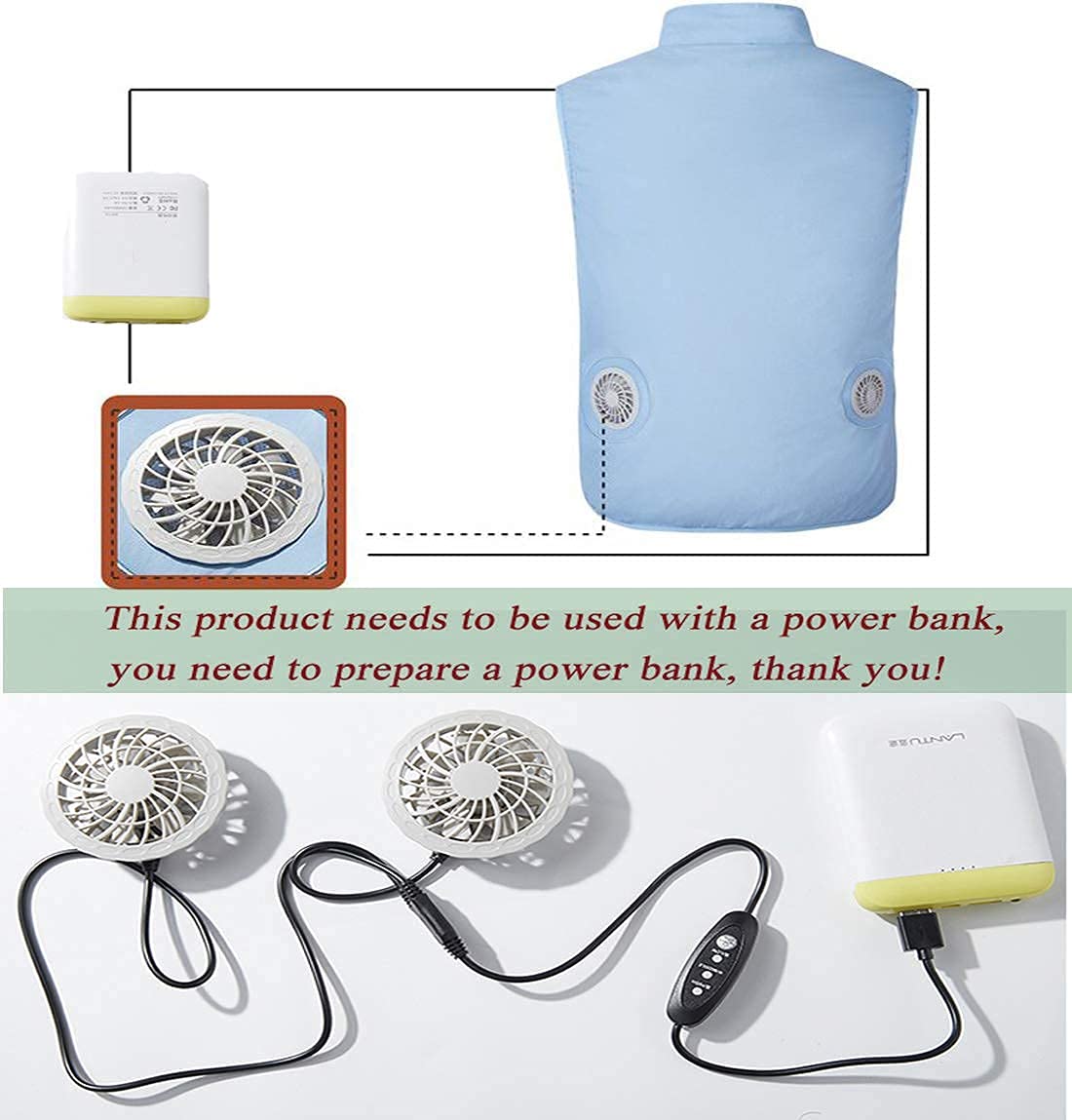
Battery capacity controls your runtime. A 10,000 mAh power bank at mid airflow gives you around 5.5 hours of continuous cooling. Field tests in 102°F heat showed this vest type gives the best sustained comfort over long shifts.
Match your power bank to your shift length:
-
5,000 mAh battery: Around 4 hours at low-to-mid fan speed
-
10,000 mAh battery: 5–6 hours at moderate settings
-
20,000 mAh battery: 8+ hours at lower speeds; 5–6 hours at mid speeds
Working full 8-hour outdoor shifts? Pair your fan vest with a 20,000 mAh power bank. Swap batteries during lunch break for complete day coverage. This setup gives you the longest practical runtime for construction sites and warehouse work.
Ice Pack and PCM Vests: Intense Short-Term Cooling
Frozen packs give the strongest cooling right away. But they have the shortest runtime. Testing with three frozen packs in 102°F conditions showed 2.2 hours of effective cooling before a clear drop-off.
Pack quantity and size change how long they last:
-
Small pack load: Closer to 1.5 hours of strong cooling
-
Larger pack sets: Up to 3 hours in extreme heat before packs melt
Plan to swap packs every 2+ hours during continuous use. Keep backup frozen packs in a cooler on-site. This vest type works best for high-intensity tasks lasting three hours or less. Perfect for roofing work, asphalt crews, or emergency response.
Evaporative Vests: Flexible Mid-Range Runtime
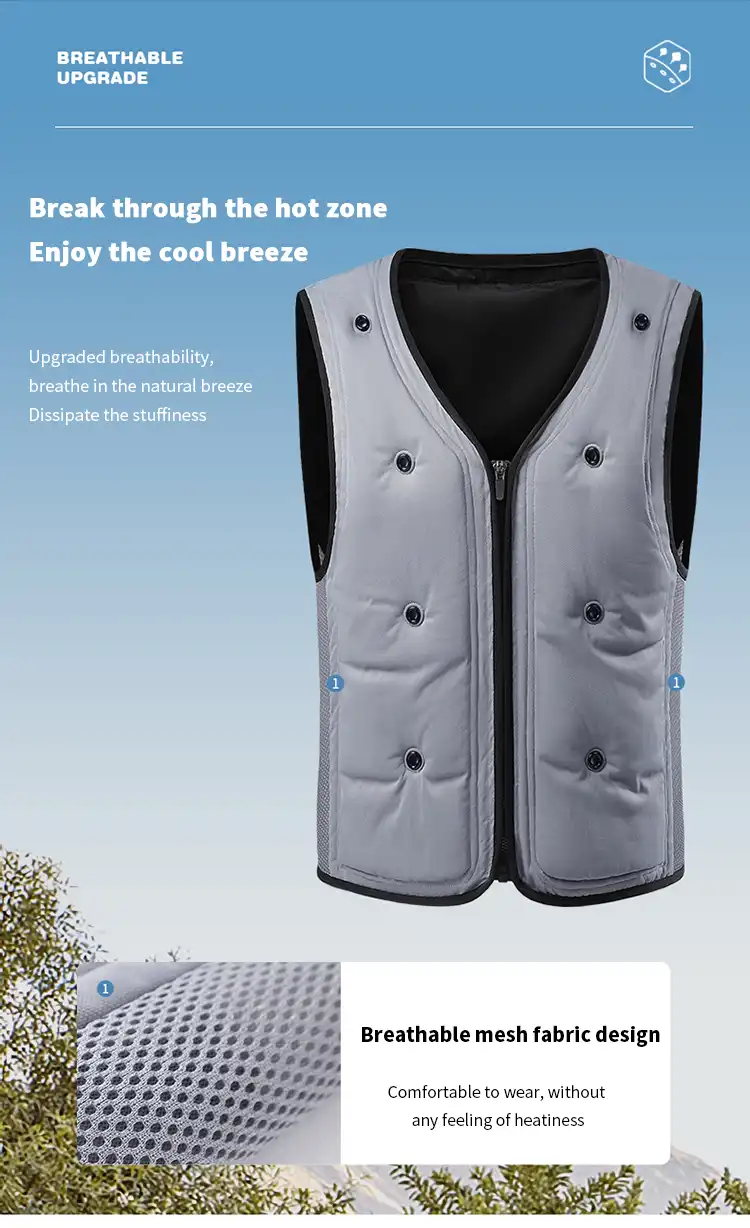
Water-activated vests deliver 2–4 hours per soak cycle. Field measurements showed 3.0 hours of cooling after a 20-minute pre-soak in low humidity with full sun exposure.
Your environment heavily affects performance:
-
Low humidity + airflow: Maximum 4-hour runtime
-
High humidity or still air: Closer to 2 hours before drying out
-
Extreme sun exposure: Faster evaporation shortens cooling time
The major advantage? Instant recharge. Just re-soak the vest when dry. Cooling restores right away. No freezer access or battery charging needed. Evaporative vests work great for moderate-duration tasks with water access nearby.
Matching Runtime to Your Workday
Long shifts (8+ hours): Fan vest with 20,000 mAh power bank provides 5–8 hours per battery cycle.
Short intense sessions (≤3 hours): Ice pack vest delivers maximum cooling strength for 1.5–3 hours per frozen set.
Moderate bursts (2–4 hours): Evaporative vest offers 2–4 hours per soak with quick refresh capability.
Budget intermittent use: Evaporative vest needs just water—plan for 2–4 hour cycles with brief re-soaking breaks.
Understanding these runtime patterns helps you schedule equipment rotations. You can plan backup supplies and keep workers protected throughout the entire shift.
Product Service Life: How Many Years Will Your Cooling Vest Last
Your cooling vest’s total service life depends on the technology inside it. The outer garment outlasts the cooling mechanism by several years. Here’s what to expect from each system.
Phase Change Material (PCM) Vests: 3–5+ Year Premium Investment

High-quality PCM vests like the Texas Cool Vest deliver the longest pack lifespan. The manufacturer rates their phase change cool packs at 5 years of service with good maintenance. These packs handle thousands of freeze-melt cycles without losing effectiveness.
Real-world durability depends on three factors:
Storage habits: Keep packs in a cool, dark place between uses. Heat and UV exposure break down the plastic film over time. Good storage can push life beyond the 5-year rating.
Use frequency: Daily users who rotate multiple vest garments report multi-year performance with the same pack sets. Seasonal users often go past 5 years before needing replacements.
Quality grade: Budget PCM vests show a common failure pattern. Cheap plastic materials cause packs to leak or sweat after just 6 months. This cuts service life short. Plus, it creates messy worksite problems.
The vest garment itself lasts even longer. ThermApparel customers report wearing the same vest shell daily for multiple years. They rotate garments and replace the cooling packs as needed.
Phase Change Panel Systems: Replace When Performance Drops
PhaseCore-style panel vests have a finite but extended lifespan. Manufacturers don’t specify exact years. Degradation happens over time through repeated cycling. You’ll notice performance drops before complete failure.
Replace panels when cooling duration drops a lot. For example, from the original 2.5 hours down to 1 hour per activation. Or replace them when panels no longer solidify after proper charging time. This modular design lets you keep using the vest garment. Just swap in fresh cooling inserts.
Gel Pack and Ice Vests: Until Physical Damage Occurs
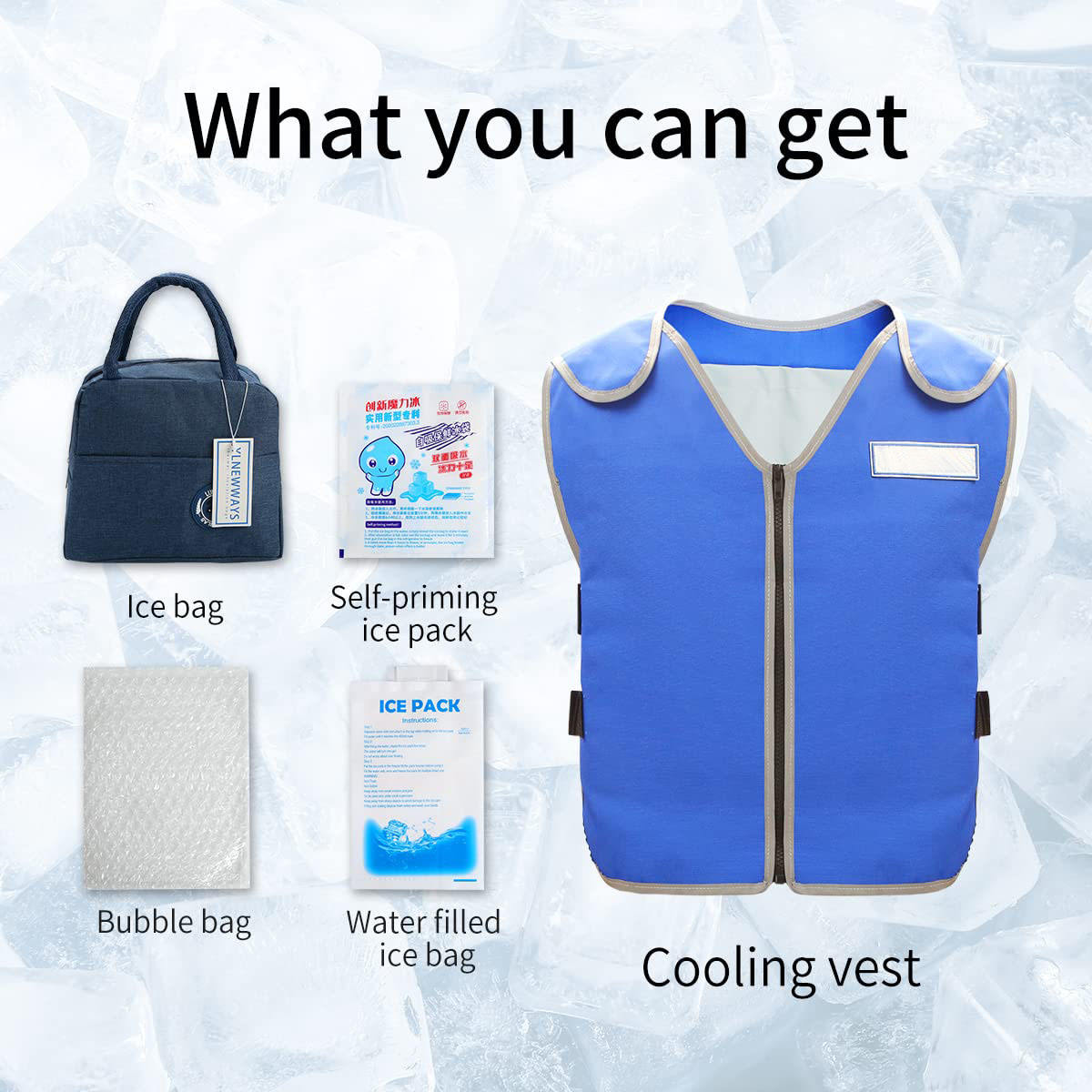
Traditional gel-pack vests last until packs leak, tear, or lose integrity. There’s no set year count. Physical damage from punctures, torn seams, or material fatigue ends service life right away.
Most failures happen from rough handling or bad storage. Packs left in hot vehicles or bent too often show faster wear. Careful use and storage mean gel packs can provide multiple seasons of reliable service.
Maximizing Your Investment
The vest garment outlives the cooling technology. Budget for pack replacement every 2–5 years depending on use intensity and technology type. Keep the garment in service by installing new cooling inserts as performance declines.
High-frequency users should consider systems with replaceable packs. This approach gives you lower long-term costs. It also cuts out complete vest replacement.
Key Factors That Affect Cooling Vest Lifespan
Your cooling vest’s performance changes based on real conditions. Heat, humidity, and how you use the vest all impact cooling cycle duration. These factors also determine how many years you’ll get from your equipment. Know these variables to predict runtime and protect your investment.
Temperature and Heat Load Impact
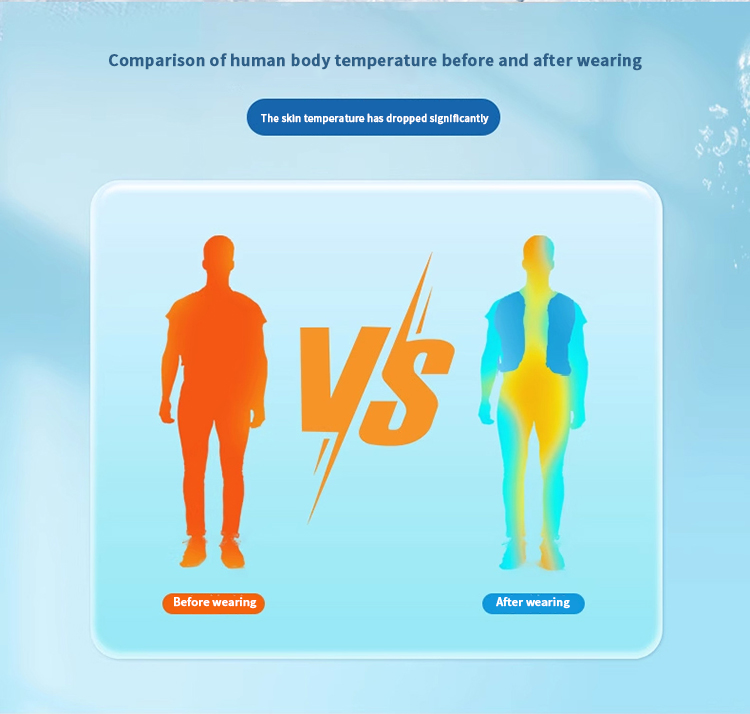
Ambient temperature controls cooling duration across all vest types. Outdoor temperatures above 95°F (35°C) cut runtimes short. Ice and PCM packs melt faster under extreme heat. Evaporative vests dry out quicker. A PCM vest rated for 8-12 hours in mild conditions might give you just 3-4 hours once temperatures exceed 100°F.
Your activity level adds to this heat load. Heavy physical work generates more body heat. Cooling systems must work harder to compensate. The same ice pack set cools a stationary worker for 3 hours. That same worker doing strenuous labor? Expect just 1.5-2 hours of cooling.
Humidity Controls Evaporative Performance
Relative humidity makes or breaks evaporative vest effectiveness. These vests work best in dry conditions below 30-40% humidity. Field testing showed 3 hours of cooling from a single soak in 30% humidity with full sun exposure.
Humidity above 60-70% cuts evaporative cooling duration fast. The water can’t evaporate well. Some manufacturers claim up to 70 hours runtime. That’s possible in desert conditions with very low humidity. High-humidity regions like the Gulf Coast see runtimes closer to 2 hours before the vest needs re-soaking.
Sun Exposure and Airflow Conditions
Direct sunlight shortens all cooling vest types. UV rays heat the vest surface. Ice melts faster. PCM transitions happen quicker. Water evaporation speeds up. Workers in full sun experience 30-40% shorter cooling times compared to shaded environments.
Airflow creates a double-edged effect. Natural wind or fan-generated movement improves cooling intensity and comfort. But it also speeds evaporation in evaporative vests. Strong airflow can cut water-based cooling duration by 25%. At the same time, the cooling feels more effective.
Maintenance and Care Practices
Proper maintenance extends product service life. Clean fan vents prevent motor strain and battery drain. Intact PCM pack seals stop leaks that end usability. Follow manufacturer time and temperature specs for freezing. This prevents pack breakdown before its time.
Battery storage matters for rechargeable cooling vest battery life. Store power banks at 40-60% charge in cool locations. Don’t leave batteries drained or in hot vehicles. This simple practice can double your battery’s effective lifespan from 2-3 years to 4-5 years.
How to Maximize Your Cooling Vest Lifespan (Maintenance Guide)
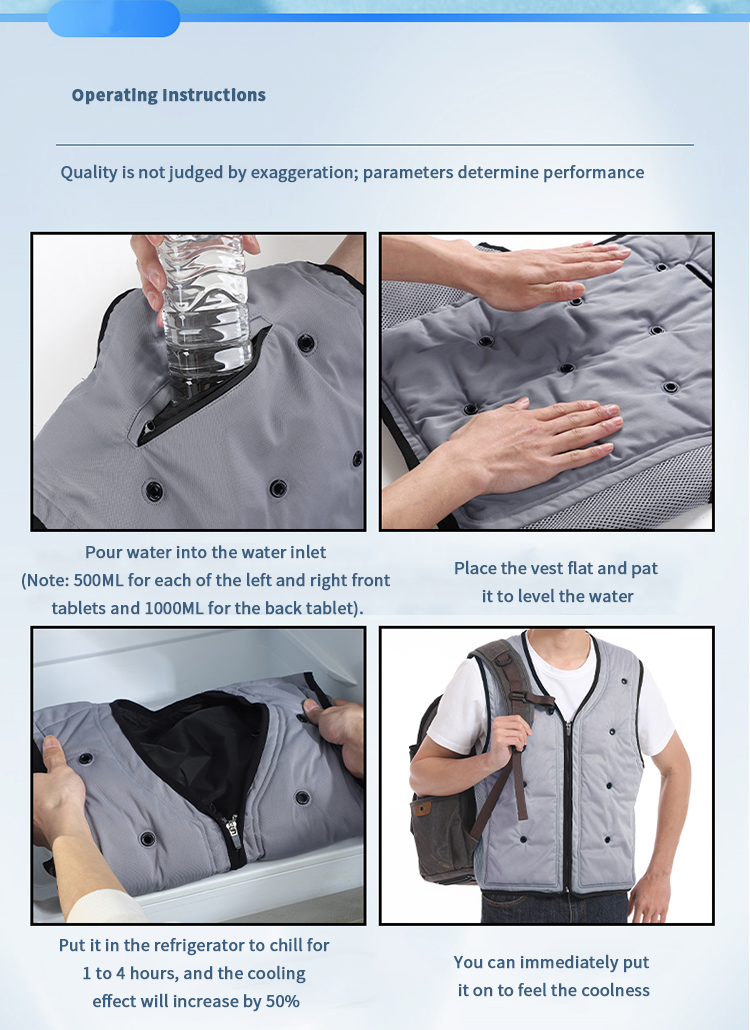
Good maintenance doubles your vest’s service life. Industrial heat stress managers report PCM vests lasting 7+ years versus the standard 3-5 years. The difference? Consistent care practices. These field-tested protocols will protect your investment and maintain peak cooling performance.
Pre-Use Preparation: Get the Freeze Right
PCM and ice packs need complete solidification for full cooling capacity. Freeze packs at −18°C to −20°C for a minimum 5-6 hours before use. Partial freezing creates unstable thermal cycling. This puts stress on pack materials. It shortens their lifespan.
Never rush the freeze cycle. Workers who shortened prep time to 3-4 hours saw pack failure rates triple within the first year. A cooler with backup frozen packs on-site solves the time pressure problem. Rotate fresh packs while depleted ones recharge overnight.
Avoid Mechanical Damage During Use
Overfilling vest pockets creates the most common failure point. Extra pack weight strains stitching and seam construction. Follow the manufacturer’s specified pack count. One construction crew added extra ice packs for “more cooling.” Result? Shoulder seam failures within 8 months on $200 vests.
Never lift or carry the vest by pulling on pack pockets. Grab the shoulder areas or designated carry points instead. This simple habit prevents pocket tears and separated seams that end a vest’s usable life.
Respect the Cooling Duration Window
High-performance PCM vests like HeatShield maintain 21.1°C (70°F) cooling for about 3.5 hours at 37.8°C (100°F) ambient temperature. Once packs reach full melt, remove the vest. Wearing a warm, saturated vest creates the perfect environment for bacterial growth. This breaks down fabric fibers. It creates hygiene problems.
Plan pack rotation around these proven cooling windows. Keep work schedules aligned with realistic runtime expectations. Don’t push equipment past its effective period.
Cleaning Protocol for Long-Term Durability
Remove all cooling packs before washing. Close hook-and-loop straps and zippers to prevent edge fraying during cleaning.
Hand wash unless your manufacturer approves machine washing. Use mild detergent in cold water below 30°C. Avoid bleach, fabric softener, and harsh chemicals. These substances attack protective coatings, elastic components, and seam tapes.
Hot water speeds up material breakdown. Field data shows vests washed in hot water failed 40% faster than cold-water maintained units. Air dry by laying flat or hanging in shade. Never tumble dry, wring hard, or use direct heat. High temperatures deform pack pockets and weaken seam integrity.
Make sure there’s zero moisture before storage. Damp fabric breeds mildew and breaks down vest materials from the inside out.
Proper Storage Extends Off-Season Life
Store vests in breathable containers or mesh bags. Solid plastic bins trap moisture and promote mold growth. Fold gently to avoid hard creases over pack pockets and strap anchor points.
PCM packs store best laid flat. Don’t stand packs on edges long-term. This creates stress points that lead to shell cracks and leakage.
Keep storage areas below 60% relative humidity. Keep vests away from oils, solvents, and chemical exposure that attack synthetic fabrics and plastic components.
Inspect Each Week to Catch Problems
Check these failure points every week during regular use:
Fabric stress areas: Inspect shoulder load points, pack pocket corners, and side closures for frayed stitching or seam separation.
Pack condition: Look for cracks, swelling, or any signs of leakage. Replace any pack showing visible fluid loss or shell deformation right away.
Closure systems: Clean hook-and-loop fasteners to maintain grip strength. Verify zippers close without binding or gaps.
Remove vests from service if you find major structural damage. Contact the manufacturer for repair options. Don’t continue using damaged equipment.
Fit Optimization Reduces Wear
Adjust straps for snug but not too tight fit. Too much tension puts stress on seams and speeds up pocket failure. Fasten hook-and-loop closures with at least 2-3 cm overlap. Minimal overlap creates peel forces that separate fasteners too soon.
Always wear vests over a base layer T-shirt. Direct skin contact transfers sweat and body oils into vest materials. This increases bacteria and fabric breakdown rates. The barrier layer also improves comfort and extends time between washings.
When to Replace Your Cooling Vest: Warning Signs
Cooling performance doesn’t fail all at once. Your vest shows clear signals before it stops protecting you. Catch these warning signs to avoid heat stress on the job site.
Major Cooling Duration Drop
A phase-change vest rated for 2 hours at 64°F (18°C) when new should perform the same way each time. Here’s your warning: cooling now lasts under 30-45 minutes despite proper recharge. This means pack breakdown. You need a replacement now.
Test this under controlled conditions. Use the vest the same way you did during the first month. Same temperature, same work level, same recharge steps. Cooling duration dropped by more than half? Your packs have reached their limit.
Field research with construction workers showed healthy gel packs keep cooling close to their rated 1-2 hour duration. Cooling fades within minutes instead of an hour? Pack performance has dropped too low.
Recharge and Freezing Problems
New packs on systems like the Ergodyne 6210 recharge in about 10 minutes in ice water or a freezer. Watch for these failure patterns:
Extended solidification time: Packs now take much longer than the listed recharge period to reach working temperature.
Incomplete phase change: Soft spots or liquid areas stay after full recharge time. The pack never solidifies across all zones.
Cell deformation: Multi-cube ice sheets (some vests use 48 cubes front + 48 cubes back) show bulging, warping, or separation between cells.
These signs mean the phase-change material has broken down. Continued use gives you inconsistent cooling and unpredictable runtime.
Physical Pack Damage That Needs Immediate Action
Stop using vests showing any of these:
Leaks or punctures: Fluid or gel escaping from pack cells creates slip hazards and total cooling failure.
Brittle or cracked plastic: Packs built to flex with body movement that now feel stiff or show surface cracks will fail soon.
Delamination: Cells separating from backing material or Velcro attachments no longer holding tight during normal movement.
Exposed inner layers: Nylon-coated packs like the Ergodyne 6210 handle light scrapes. The outer coating wears through to exposed inner material, fraying, or tears? Replace right away to prevent pack failure.
Vest Hardware and Fit Breakdown
The garment itself signals replacement needs through these failures:
Lost strap tension: Buckles and adjusters no longer hold position. The vest sags away from your torso. This breaks thermal contact and cuts cooling power.
Velcro failure: Hook-and-loop strips lose grip strength. Packs shift position or detach during movement.
Torn pack pockets: Seam separation at pocket corners allows packs to slip, fall out, or bunch up.
Fabric breakdown: Thinning material, holes, or melted spots from wrong washing (machine drying instead of hang-dry) harm structural strength.
These fit problems don’t just hurt comfort. They create safety risks during physical work.
Age-Based Replacement Markers
Phase-change cooling packs usually carry a 3-year shelf life under normal storage. Past this maker-stated period, expect reduced performance even without visible damage:
Cooling duration drops well under the original 2-hour specification at rated temperature.
Leak and failure rates jump after the shelf-life date.
Lost track of purchase date? Estimate from first use. Vests in regular rotation past three years need replacement before field failure happens.
Measurable Performance Loss
Controlled testing with soccer players showed quality cooling vests reduce skin temperature from 32.40°C down to 31.46°C—about a 0.94°C drop. Ear temperature fell from 36.99°C to 36.65°C during 15-minute use.
Create your own baseline with a new vest. Measure skin temperature at the same body spot before and after a 15-minute cooling period in similar conditions. Repeat this test from time to time.
Warning threshold: Your vest used to produce a 0.7-1.0°C skin temperature drop but now shows little or no cooling effect under the same test. This measurable loss means replacement time regardless of visible pack condition.
Safety-Critical Replacement Signals That Need Immediate Action
Some warning signs demand instant action to prevent injury:
Too much cold sensation: Vests cooling like therapeutic icing should limit direct skin contact to 20 minutes maximum. You experience numbness, skin color changes, or pain from cold? The vest may be over-performing due to damaged thermal control. Stop use right away.
Chemical smell or residue: Any unusual odor or substance leaking from packs means material breakdown and potential skin irritation or chemical exposure risk.
Don’t wait for total failure. These warning signs give you time to order replacements before your cooling protection disappears during a critical heat event.
Planning Your Cooling Vest Usage: Replacement and Backup Strategies
Plan ahead to avoid cooling gaps during your shift. One vest won’t cover long shifts in extreme heat. Use proven cooling benchmarks and real-world data to figure out how many backups you need.
Match Vest Capacity to Your Shift Length
Active cooling vests deliver the highest total capacity at 331 W·h·m⁻² over 8 hours. PCM systems reach about 164 W·h·m⁻² maximum. Evaporative models provide 113 W·h·m⁻². These numbers show how much heat your vest absorbs before it loses power.
Your body produces 70–870 watts of heat depending on how hard you work. A typical PCM vest cools your torso at around 59.5 watts. So no single vest can handle heat from moderate to heavy work. You need multiple pack cycles or backup vests to stay protected.
Calculate Your Pack Rotation Schedule
PCM vests have clear cooling windows before they stop working well. High-end models like STA give you 3.5 hours of strong cooling at 65 W·m⁻² peak output. Mid-range options (POLAR, GTEK) keep cooling for about 3 hours. Standard models (ERGO, FLEX, CRYO) last 2 hours per charge.
For an 8-hour shift using 2-hour vests:
– Need 1 primary vest + 3 complete frozen pack sets
– Swap packs every 2 hours (start + 3 replacements)
– Total coverage: 8 hours of continuous cooling
For sustained comfort with gel packs:
– Replace packs every 60 minutes based on how workers feel the cooling drop
– Required for 8-hour shift: 8 frozen pack sets per worker
– Alternative: Rotate between 2 complete vests while one recharges
Budget Multiple Vests for Critical Operations
Hot industrial jobs need backup systems. Give each worker 2 PCM vests: wear Vest A while Vest B recharges in a freezer. Swap every 1–2 hours based on your model’s tested time and worker feedback. This keeps protection going without heat gaps that cause heat stress.
Conclusion
Knowing how long cooling vests last helps you buy better heat protection. Here are your main options:
-
Evaporative vests: 2-4 hours per use
-
Phase change vests: 2-3 hours of exact cooling
-
Battery-powered vests: 4-8 hours
Pick the one that fits your work setting and how often you’ll use it. Runtime matters, but so does how long the vest itself lasts. Quality cooling vests work well for 2-5 years with good care. That’s great value per use.
Some vests fail after six months. Others work for years. The difference? How you maintain them. Stick to the care steps we shared. Watch for signs of weak performance. Don’t wait for total breakdown to get a new one. Extreme heat safety needs planning ahead, not last-minute fixes.
Want cooling protection that lasts? Check out our industrial cooling vests at coolheatech.com. We back them with full warranties and expert help. Not sure which type fits your needs? Contact our heat stress team today. We’ll help you pick and care for the right vest so it cools you for years.