
You’re heading out for a winter hike. Your brand-new heated vest is charged and ready to keep you warm. But you press the power button… nothing happens. Sound familiar? Maybe you just unboxed your first USB charging port heated vest. Or you’re trying to figure out why your trusty gear won’t power up. Either way, knowing how to charge it properly helps you get better performance and longer battery life. The good news? Charging your heated vest is simple—but there are key dos and don’ts. These can make the difference between 8+ hours of cozy warmth and a dead battery halfway through your day. We’ll show you how to read those charging indicator lights. You’ll learn which power bank works best with your heated vest. Plus, we’ll cover everything you need to keep your rechargeable battery heated clothing running strong, season after season.
Understanding Your Heated Vest Battery System
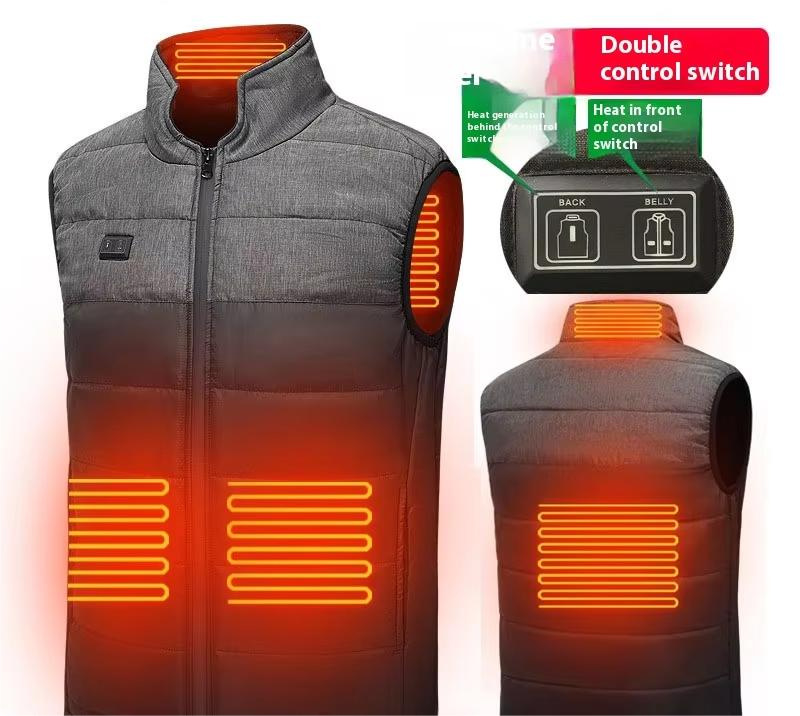
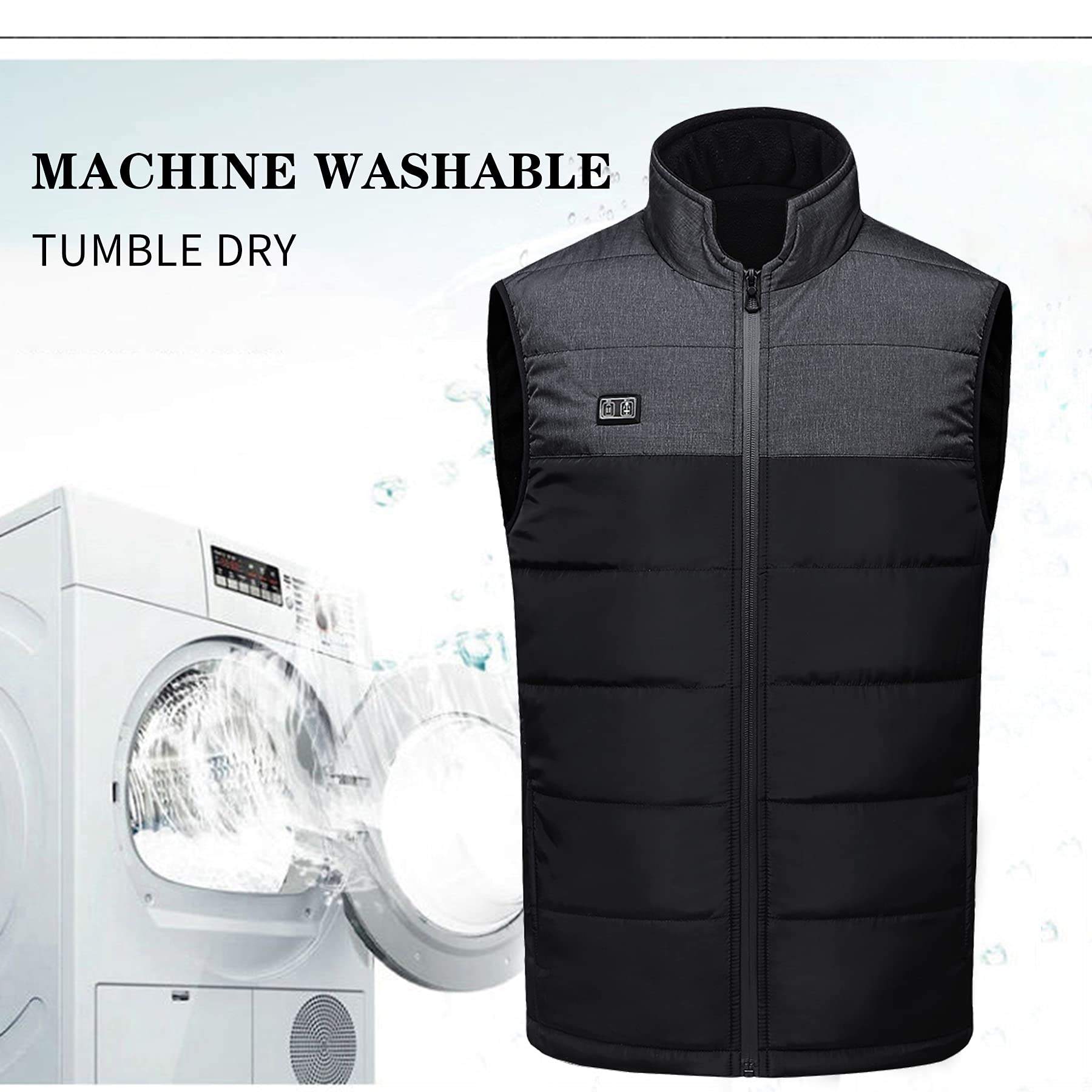
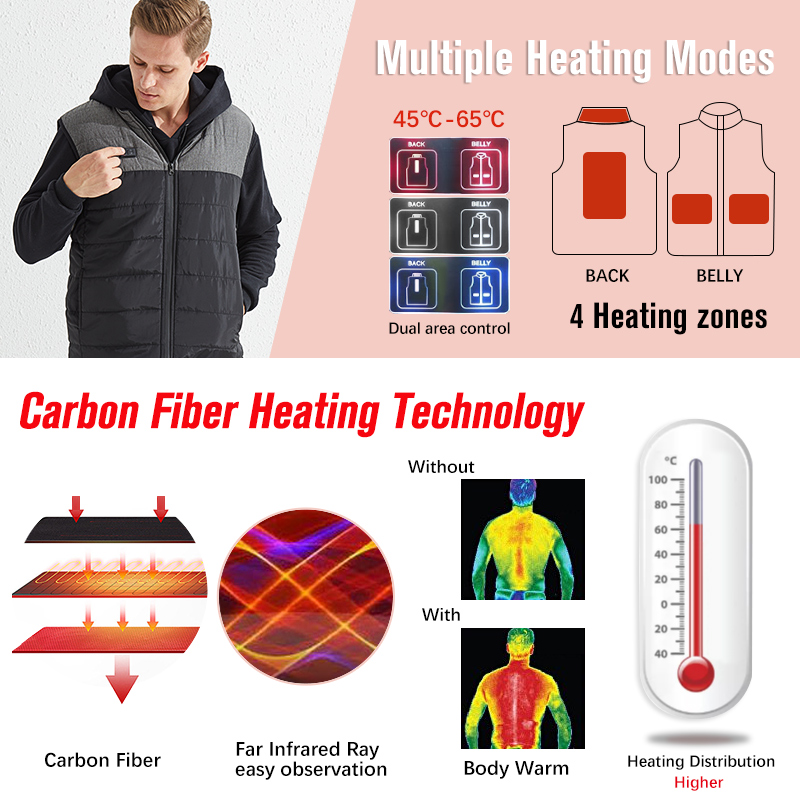
Most heated vests use rechargeable lithium-ion or lithium-polymer batteries. These fit into a hidden interior pocket. The power packs connect through USB charging ports or special connectors. They send controlled heat through carbon fiber elements in the fabric. Check your battery specs before plugging in. This helps you charge with care and get the best performance.
Battery Voltage and Capacity Basics
Your heated vest battery has two key numbers: voltage (V) and capacity (mAh). Voltage controls heat strength—higher voltage creates stronger warmth but drains power faster. Capacity controls how long it runs—more mAh means longer heating time.
Here’s how different systems stack up:
-
7V-7.4V systems (standard range): The N-Ferno 6495 uses a 7.2V/5000mAh lithium-ion pack. It has four heating zones. On high (131°F), you get 2.5 hours. On low (100.4°F), it lasts 9 hours. The GOKOZY 7.4V model packs 10,000mAh across 11 zones. High runs 3.5 hours. Low runs 7.5 hours.
-
12V systems (maximum heat): GOKOZY’s 12V version puts out serious warmth through 15 zones. It uses a 20,000mAh battery. High setting runs 5-6 hours. Low extends to 12 hours. The Fieldsheer Powersheer 12V battery outputs 12V DC. Plus, it has bonus USB ports and an LED flashlight.
-
5V USB systems (universal compatibility): ActionHeat’s 5V design works with any standard USB power bank. DSG Outerwear uses compact 5V lithium-polymer packs (7.9×5.3×2 cm). They run 5V/2A input/output. Great for travelers who want lightweight gear.
-
Proprietary systems: Milwaukee’s M12 AXIS vest needs M12 REDLITHIUM CP2.0 batteries (sold as extras). The bonus? Battery pass-through lets you charge devices from front or back pockets. Low setting gives up to 8 hours. It heats up 3x faster than other brands.
What the Numbers Mean for Your Use
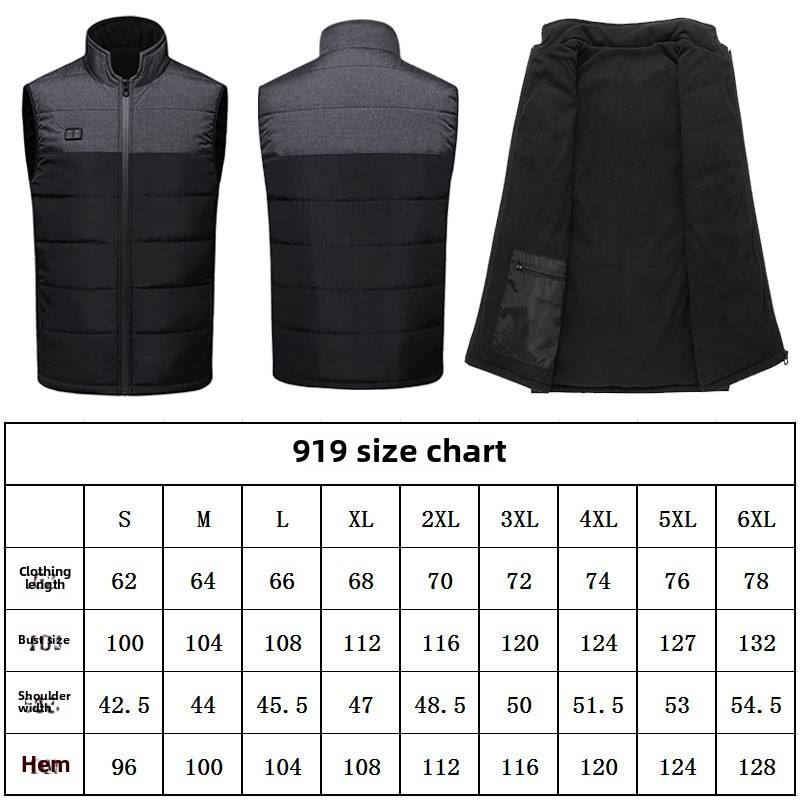
More heating zones use more energy. The GOKOZY 12V’s 15 zones drain faster than the N-Ferno’s 4 zones. This happens even with triple the capacity. Three things affect how often you charge: active zones, heat level, and outdoor temperature. Cold weather makes your vest work harder. Below freezing, battery life drops 15-30%.
Check your vest’s LED battery gauge before you go out. Most systems show green (full charge), amber (medium), and red (recharge soon). The N-Ferno 6495 has a waterproof temperature controller with auto shutoff. The battery hits a low level? Heating stops to protect the cells.
Know these specs to pick the right setup. Need all-day warmth? Go for 10,000mAh or higher. Want quick charges during lunch breaks? USB-C models like the N-Ferno charge faster than older Micro-USB types.
Step-by-Step: How to Charge Your Heated Vest Battery
Charging your heated vest battery takes about five minutes of work. The battery does the rest while you go about your day. These steps protect your investment and help your battery last longer.
Prepare Your Battery for Charging
Always remove the battery pack from your vest before charging. This stops damage to the heating parts and fabric. Power through connected cables can cause voltage problems. These problems stress the carbon fiber wiring. The vest can also trap heat around the battery during charging. This shortens battery life.
Find the battery pocket—usually near the lower back or inside chest. Unzip it and disconnect the power cable from the vest’s internal connector. Slide the battery pack out. Place it on a dry, flat surface away from flammable materials.
Connect the Right Charging Cable
Your heated clothing battery uses one of three connector types. Check your battery’s input port:
-
USB Type-C: Newer models with reversible plug design
-
Micro-USB: Older standard USB models
-
DC barrel connector: Specialized high-voltage systems
Match your charging cable to the port. Forcing the wrong connector damages the pins. Insert the cable until you feel a secure click or snug fit. A loose connection causes slow charging or random disconnects.
Select the Proper Charger
Your charger voltage must match your battery voltage. Wrong power adapters cause most battery failures.
-
5V batteries: Use any standard USB wall adapter rated 5V/2A. Your smartphone charger works fine. These work with most power bank heated vest setups.
-
7.4V or 12V batteries: Use the manufacturer’s specialized wall adapter. These lithium battery systems need precise voltage control. Generic chargers put out uneven power. This damages battery cells.
-
12V Venustas systems: Can use 20V Type-C USB chargers for fast charging (3 hours total).
Don’t swap chargers between different voltage systems. A 12V battery on a 5V charger won’t charge. A 5V battery on a 12V charger? It’ll overheat and could catch fire.
Plug In and Monitor the Charging Indicator Light
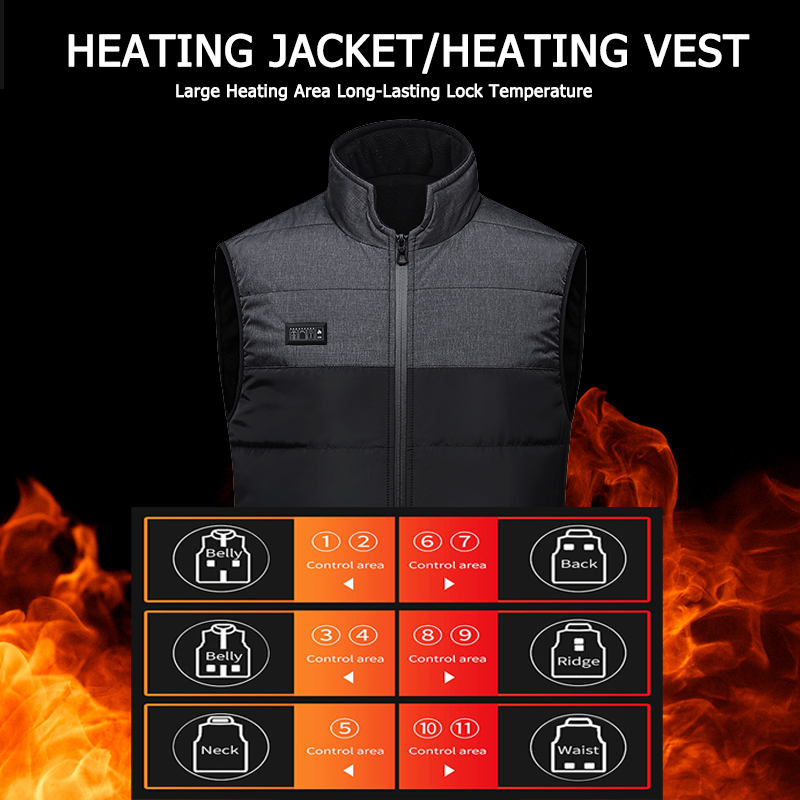
Connect your charger to a wall outlet or powered USB port. Charge at room temperature between 32–113°F (0–45°C). Too hot or too cold slows charging and reduces capacity.
Watch for the charging indicator light to confirm power flow:
-
ORORO models (B19G, Mini 5K, B22A, BG3250): Four solid orange LEDs appear during charging
-
ORORO BG1800: Charger LED glows red while charging, turns green at completion
-
Generic systems: Single red LED switches to green or blue at full charge
No light after 30 seconds? Check your outlet and cable connections.
Know Your Charging Times
Battery capacity and charger type determine charging duration:
|
Battery Capacity |
Charger Type |
Charge Time |
|---|---|---|
|
10,000mAh |
5V 2A standard USB |
8 hours |
|
20,000mAh |
5V 2A standard USB |
16 hours |
|
20,000mAh |
Fast wall adapter |
8 hours |
|
Any capacity (Venustas 12V) |
20V Type-C USB |
3 hours |
|
First-time charge |
Manufacturer adapter |
3-4 hours |
|
ORORO batteries (various) |
Standard charger |
6-8 hours |
First charge exception: New batteries arrive part-charged but dormant. Charge overnight (8-12 hours) before first use. This activates the lithium cells.
Unplug Right Away at Full Charge
The charging indicator light shows completion. Unplug your heated gear right away. Modern batteries have overcharge protection, but staying connected 24/7 creates heat stress. This reduces capacity over months.
Don’t make overnight charging a habit. Set a phone reminder based on your expected charge time. Disconnect the cable from both the wall outlet and battery pack. Wipe the USB charging port connector with a dry cloth to remove dust.
Store your charged battery in the vest pocket or a cool, dry place until your next adventure.
Charging Time Guide: How Long Does It Take
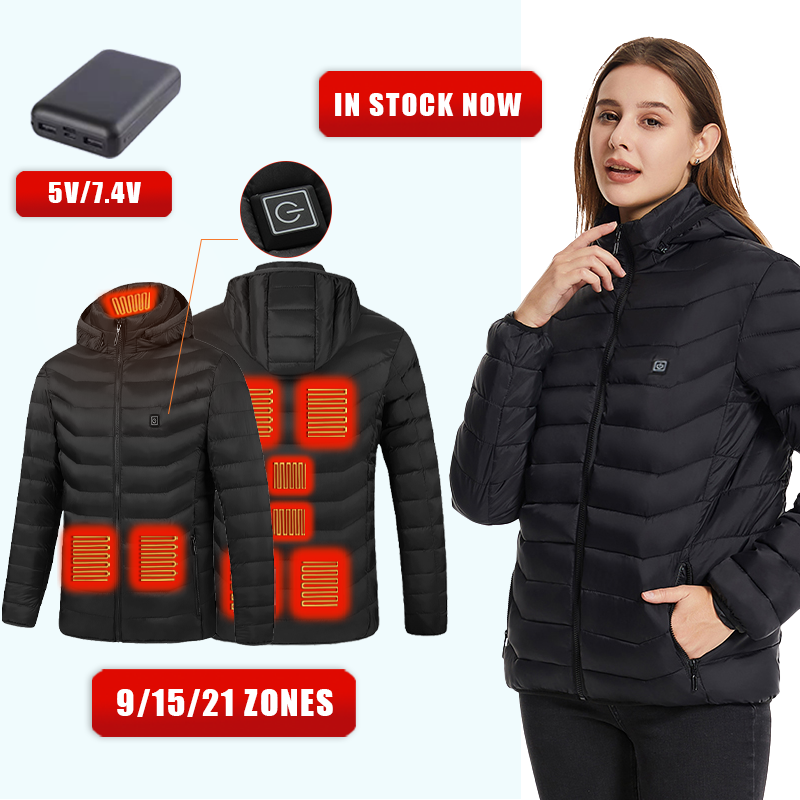
Battery capacity controls your charging time more than anything else. A 5,000mAh pack fills up in 2-3 hours with a standard USB adapter. Got a 20,000mAh battery? You’re looking at 8-16 hours based on your charger’s output.
Standard Charging Times by Battery Size
Small batteries (5,000-7,000mAh)
– Standard 5V/2A USB charger: 2.5-3.5 hours
– Fast wall adapter (5V/3A): 1.5-2 hours
– Example: ORORO Mini 5K battery hits full charge in 2.5 hours with its included adapter
Medium batteries (10,000-12,000mAh)
– Standard 5V/2A USB charger: 5-6 hours
– Fast wall adapter or dual-port charger: 3-4 hours
– Power bank charging (2A output): 5.5-6.5 hours
– Example: Most portable charger heated gear in this range needs a half-day charge cycle
Large batteries (20,000mAh and above)
– Standard 5V/2A USB charger: 10-12 hours
– Fast charging adapter (12V/2A): 6-8 hours
– High-output wall charger (5V/4A): 5-6 hours
– Example: GOKOZY’s 20,000mAh lithium battery heated jacket charges fastest with its 12V adapter at 6 hours total
Quick-charge systems (USB-C Power Delivery)
– Venustas 12V batteries with 20V Type-C chargers: 3 hours for any capacity
– USB-C PD 3.0 compatible vests: 2-4 hours no matter the mAh rating
– These systems detect the right voltage on their own
Factors That Slow Down Charging Speed
Extreme temps kill charging speed. Charging below 32°F (0°C) or above 113°F (45°C) triggers battery protection. Your heated clothing may show the charging light but gain almost no power. Move to room temperature (60-75°F) for normal speed.
Cable quality matters more than you think. Cheap USB cables have thin wiring that blocks power flow. A damaged cable connector creates resistance. This turns energy to heat instead of storing it in your battery. Use the cables that came with your gear or certified replacements rated for 2A+ current.
Charging multiple devices splits the power. Plugging your heated vest battery into a laptop USB port while charging your phone? Both devices share the port’s 2.5A max output. Each gets half speed. Plug straight into wall outlets for fastest results.
Old batteries take longer to charge. After 300-500 charge cycles, lithium cells lose 15-20% capacity. Your heated vest needs the same voltage, but worn cells accept power slower. A battery that once charged in 4 hours may need 5-6 hours after two winters of heavy use.
Choosing the Right Charger for Your Heated Vest

Your battery needs the right charger to last. The wrong adapter damages cells. It creates safety risks. Your warranty becomes void. Each heated vest battery needs a specific voltage match. Random phone chargers or generic USB adapters fail with 7.4V and 12V systems.
Match Voltage First, Everything Else Second
Your charger’s output voltage must match your battery’s rated voltage. A 7.4V lithium battery heated jacket needs a 7.4V or 8.4V charger. The standard charge voltage for 7.4V systems is 8.4V. Feed it 5V from a phone charger? You’ll get slow, incomplete charging. It stops at 60-70% capacity. Plug it into a 12V adapter? You risk overheating. Swelling can occur. Permanent cell damage is possible.
Here’s how to match:
5V battery systems accept any certified USB wall adapter rated 5V/2A or higher. Your smartphone charger works fine. These are the most flexible. You can use power bank heated vest setups with standard portable chargers. Just confirm the USB port outputs at least 2A (10W) for good charging speed.
7V and 7.4V batteries need specialized chargers from the manufacturer. The Volt 7V charger ($19.95) works with batteries like the BL704c29 and BP074302. ORORO’s 5200mAh battery uses UL/cUL certified chargers with DC cable ports. These don’t work with standard USB gear. The voltage requirements heated vest manufacturers set are safety limits. They’re not suggestions.
12V systems demand the most precision. These high-output batteries need chargers rated DC 12V or higher. They must have proper current limiting. Some accept fast-charging through 20V USB-C Power Delivery. But this works if the manufacturer specifies it. Never substitute a 12V car adapter or generic 12V wall plug without confirming compatibility.
3.7V batteries (common in heated socks and gloves) use specific AC adapters. Example: The VB350/VB370 charger converts AC 100-240V 50/60Hz input to 3.7V output. It charges two batteries at once. These low-voltage systems won’t work with standard 5V USB.
8.4V/8.7V chargers handle dual-battery setups. The VPS825HV outputs DC 8.7V at 1.2A per channel. It plugs into AC 100-240V outlets. It charges two 8.4V or 7.4V batteries at once. These specialized units cost more. They protect your investment in high-capacity battery packs.
Check Your Connector Type
Voltage matters most. But the wrong plug won’t fit. Heated vests use four main connector styles:
-
USB Type-C: Reversible plug, found on newer 5V models and fast-charge 12V systems
-
Micro-USB: Older 5V standard, still common on budget heated clothing
-
DC barrel connectors: Round plugs in 2.1mm or 2.5mm sizes for 7.4V-12V batteries
-
Coaxial specialty plugs: Proprietary connectors on brand-specific chargers
Forcing the wrong connector breaks the charging port. Use the cable that came with your vest. Or buy exact replacements from the manufacturer.
Verify Power Output Matches Your Battery Needs
Your charger must deliver enough current (Amperage). It can’t exceed your battery’s limits. Most heated vest batteries specify input requirements like “DC 8.4V 1A” or “5V 2A.” The charger’s output should match the current rating. It can be a bit higher.
Underpowered chargers work but charge slow. A 5V/1A phone charger takes twice as long to fill a 10,000mAh battery. Compare that to a proper 5V/2A adapter. It won’t damage anything. You’ll just wait 16 hours instead of 8.
Overpowered chargers trigger protection circuits. Quality batteries refuse excessive current on their own. Cheap batteries without built-in protection can overheat. Stick to manufacturer specs. If your vest battery says “DC 7.4V 1A input,” use a 7.4V charger rated 1-1.5A maximum.
Buy Certified Replacements
Third-party chargers save money upfront. They cost more long-term. Non-approved adapters cause 60% of battery warranty claims. Stick with UL or cUL certified chargers from your vest’s brand. The Volt 7V charger costs $19.95. That’s cheap insurance against replacing a $40-60 battery pack. ORORO’s certified chargers include overcurrent protection. They have auto-shutoff at full charge.
Generic Amazon chargers labeled “universal heated clothing charger” don’t match the precise voltage curves lithium batteries need. They might show the right voltage on the label. But they deliver inconsistent power. This degrades cells fast.
Charging in Extreme Conditions: Cold Weather and Travel
Lithium batteries hate the cold. Cold temps slow down the chemistry inside your rechargeable battery heated clothing. This isn’t a defect—it’s basic physics. Every lithium-ion cell works this way.
Below 60°F, your charging speed drops 20-30%. At freezing (32°F), your battery accepts 36% less energy than at room temperature. Hit 20°F or colder? Charging crawls 40-50% slower than normal. That 6-hour charge time becomes 9-12 hours in a frigid garage or car trunk.
How Cold Weather Changes Your Charging Timeline
Your heated vest’s USB charging port and battery controller work fine in the cold. The problem lives inside the battery cells. Warmth helps lithium ions move between electrodes. Cold temps block this movement. They also increase internal resistance.
Here’s what happens:
Mild cold (40-60°F): Charging takes 20-30% longer. Your 10,000mAh battery needs 7-8 hours instead of 5-6 hours. The charging light still shows normal progress. You just wait longer for green.
Freezing temps (25-32°F): Charge time extends 35-40%. That same battery now needs 8-9 hours. Some cheaper batteries won’t charge at all until they warm up. They trigger low-temperature protection.
Extreme cold (0-20°F): Expect 50%+ longer charging. Your 8-hour overnight charge might reach 60-70% by morning. Quality lithium battery heated jacket packs keep working—just slower. Budget batteries may show error lights. Or they’ll display false “full charge” signals while still half-empty.
Arctic conditions (-20°F and below): Charging becomes unreliable. You need active warming. Alaska Tesla owners report 8-12 hours for partial charges during -40°C snaps. The same applies to heated vest batteries. Some won’t accept any charge below -10°F.
Smart Charging Strategies for Winter Travel
Bring your battery indoors. Don’t leave your lithium battery heated jacket charging in freezing cars. Skip unheated garages or outdoor sheds. Room temperature (65-75°F) gives you full charging speed. It also protects battery health. Charge your power bank heated vest battery inside your hotel room, RV, or heated camper.
Warm the battery before plugging in. Keep your battery in an inside jacket pocket for 20-30 minutes before charging. Body heat brings the cells to 50-60°F. This cuts charging time by 30%. Starting from freezing temps takes much longer. Your heated vest system works best with warm batteries.
Plan for double the charging time outdoors. Winter camping? Budget 12-16 hours for full charges. This matters if your power source sits in freezing conditions. Use your vehicle’s USB port while driving. The alternator provides stable power. Cabin heat warms the battery. A 2-hour drive can add 30-40% charge to a 10,000mAh battery.
Pack backup batteries for multi-day trips. Cold weather drains batteries 25-40% faster during use. Slower charging also cuts your recharge capacity each day. Two 10,000mAh batteries beat one 20,000mAh pack for winter reliability. Swap batteries at lunch. Keep the spare warm inside your base layer.
Use overnight charges in heated spaces. Book hotels or campsites with electrical hookups. Plug your portable charger heated gear into wall outlets inside warm rooms. Set it up before dinner. Your battery hits full charge by morning—even if it takes 10 hours instead of 6.
Avoid fast-charging in extreme cold. High-current charging creates more heat. But in sub-zero temps, cold cells can crack from thermal stress. Stick with standard 2A charging cables below 20°F. Your charging cable heated clothing connection stays safer at lower power levels.
Conclusion
Charging your heated vest the right way does more than just power it up. It protects your investment and keeps you warm when you need it most.
Follow the proper charging steps. Know your battery’s voltage needs. Watch the charging light. Take care of your battery. Do these things and your vest will last longer and work better in any weather.
Your heated vest works well only if you care for its power source. Use a portable charger on the trail? Charge at home before work? Either way, these tips keep you warm for years.
Want better heated comfort? Check out our full line of rechargeable heated clothing at CoolHeatech.com. Every product includes clear charging guides and lifetime support. Questions about your model? Our team is here to help you get the most from your gear. Stay warm, stay smart, and don’t let a dead battery catch you off guard.