
You’re working construction under a hot summer sun. Sweat pours down your back. That $80 cooling vest your colleague swears by—is it worth it, or just expensive hope?
The short answer? Cooling vests do work. But not all are created equal. Understanding why they work makes the difference between relief and regret.
You might be fighting heat exhaustion on a job site. Or managing heat sensitivity from a medical condition. Or just trying to survive outdoor activities in hot weather. The science behind evaporative cooling and phase change materials shows surprising truths about body temperature control.
We’ve dug into peer-reviewed studies. We tested real-world performance data. We compared ice pack systems to active cooling mechanisms. So you can skip the marketing fluff and discover which cooling vest technology delivers on its promises. You’ll learn how long the cooling lasts. And whether the investment protects your health and productivity.
Scientific Evidence: How Cooling Vests Reduce Body Temperature
Your skin doesn’t lie. Researchers measured body temperature changes in controlled studies. The numbers showed what happens beneath that cooling vest.
Ice vests delivered the most dramatic results. Over a 60-minute recovery period, mean skin temperature dropped by 1.62°C compared to resting without cooling. This difference appeared within moments. Within just 5 minutes of wearing an ice vest, skin temperature decreased by 0.74°C. This isn’t subtle. Your body feels this change.
The science behind this cooling effect centers on heat transfer. During the first 5 minutes of recovery, ice vests increased heat loss by 44 watts compared to passive rest. Think of it as opening additional windows in an overheated room. That stored heat—the excess warmth trapped in your muscles and tissues—reduced by 84 watts during the initial 15-minute window.
Core Temperature: The Reality Check
Here’s where expectations need adjustment. Ice vests excel at cooling your skin. But they show modest effects on core body temperature. The same 60-minute study found a 0.38°C reduction in core temperature. That’s measurable, yes. Dramatic? No.
Microclimate cooling vests—the type using phase change materials or water circulation—performed less well. Their core cooling rate of 0.0298°C per minute differed little from natural recovery at 0.0280°C per minute. The difference? Indistinguishable.
Yet phase change material vests shine in different metrics. Set to transition at 29°C, PCM vests reduced the microclimate temperature around your torso by 1.5°C. Water-based vests managed a disappointing 0.2°C drop—not worth the weight.
Sweat Production: The Hidden Benefit
PCM cooling vests reduce how much you sweat. This matters a lot for sustained work. In standard conditions, sweat production decreased by 20–30%. During lighter work at 111°F ambient temperature, that reduction jumped to 49%. Even at brutal 134°F conditions, sweat rate dropped by 38%.
This translates to endurance. In extreme heat testing at 111°F, all 14 subjects completed their work tasks while wearing PCM vests. Without vests? Just 5 of 14 finished—a completion rate of 36%.
What This Means For Your Body
Ice vests work through skin cooling rather than core temperature reduction. Your comfort increases because skin temperature receptors—those sensors telling your brain you’re overheating—receive genuine relief. The modest core temperature change still matters for preventing heat-related illness. It won’t transform your internal thermostat, though.
Different vest technologies serve different purposes. Ice vests excel at rapid post-exertion cooling. PCM vests sustain comfort during long heat exposure. Plus, they reduce dehydration through sweat conservation. Water-based vests offer supplementary cooling at best.
Individual responses vary. Some users experience consistent cooling across all vest types. Others show distinct preferences. One study participant registered higher microclimate temperatures with a water-based vest compared to PCM. Biology doesn’t follow averages.
The effectiveness window matters too. Ice vests deliver maximum benefit during the first 15 minutes of recovery. After that initial period, their advantage over passive cooling fades for core temperature. Skin cooling persists throughout the hour, though.
Phase Change Material (PCM) Cooling Technology
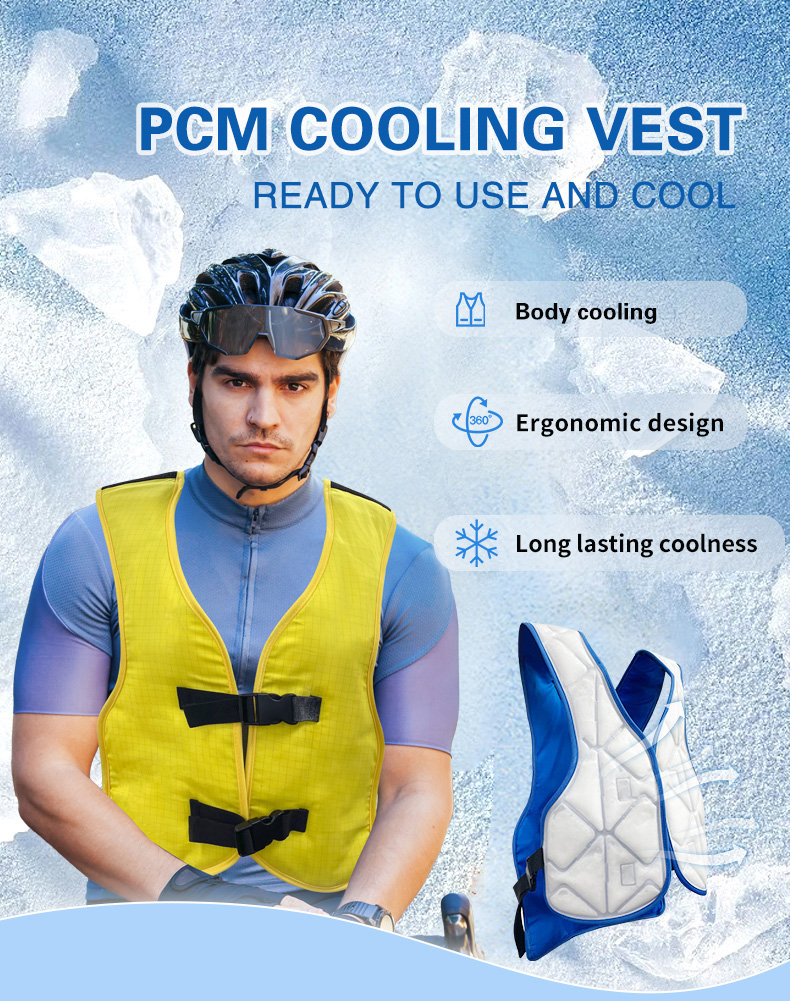
PCM technology uses a simple idea from physics class: materials soak up huge amounts of energy during state changes. The solid-to-liquid shift—the same thing that melts ice in your drink—acts as your personal climate control.
These materials store and release heat at a steady temperature that matches their melting point. Most cooling vests use PCMs set to change between 70-80°F. Your body heats the material past this point. It starts melting. This change pulls heat from your skin. The PCM itself stays at the same temperature. Think of it as a thermal buffer that holds firm at its set temperature until it’s all liquid.
The precision counts. Ice jumps around in temperature. PCMs deliver cooling at an exact, stable temperature. This steady performance is why they work better for long-term comfort than quick temperature drops.
Real-World Performance Numbers
Data from building tests shows what PCM can and can’t do. Commercial building tests show PCM systems cut cooling loads by 10% compared to buildings without thermal storage. One test shed of 192 square feet hit a 30% reduction in yearly cooling energy with bio-based PCM materials.
Here’s the problem: PCM performance depends heavily on conditions. A detailed field study found PCMs completed full freeze-thaw cycles on just 13% of study days. Ambient temperatures stay above the material’s melting point often in extreme heat. The PCM can’t reset. It stays liquid. It’s useless at that point.
Buildings with good conditions (like those tested in Bloomington) showed real savings. Sites where PCM finished full freeze-thaw cycles just 5% of days (Shakopee testing) lost money. The investment failed.
Storage Density Advantage
PCMs pack serious thermal storage into small spaces. They hold up to 4x more energy per volume than water or similar storage options. This explains why PCM vests stay thin and easy to wear compared to bulky ice pack options.
Data centers show this benefit well. These facilities need 350-2,500 kWh/day for cooling based on location. PCM thermal storage cuts peak demand. It absorbs heat during high-use times. It releases heat during off-peak hours. Cooling systems work better then.
Optimization Requirements
PCMs need help to work right. They must regenerate—turn back to solid before the next cooling cycle. This needs specific conditions:
-
Nighttime cooling: Save money during cooler evening temperatures
-
Temperature setbacks: Key for getting the most energy savings
-
HVAC integration: Direct system link for controlled recharge
-
Off-peak operation: Smart timing to solidify PCM during temperature drops
Your PCM vest becomes single-use without these conditions. Once melted, it stays melted. You need to cool it below its transition temperature to use it again.
Hydrogel Passive Cooling (HPHG) Technology
Hydrogel technology took a trick from solar panel engineering. It brought it to personal cooling. The material—poly(N-isopropylacrylamide), or PNIPAM—acts like a smart sponge. It holds water when cool. Temperatures climb past 32-33°C? It releases that water. This release triggers evaporative cooling against your skin.
The chemistry matters here. Pure PNIPAM works. Add 15% polyacrylamide and you get a better blend. This mix achieves a swelling ratio of 30. The material absorbs 30 times its dry weight in water. More water storage means longer cooling time before you need to recharge the hydrogel.
Temperature Control That Beats PCMs
Solar panel tests showed HPHG’s cooling strength. Silicon solar cells hit 70°C under direct sunlight. That extreme heat kills efficiency. HPHG dropped those temperatures to 47°C—a 23°C cut. PCM materials manage 10-15°C drops in the same conditions.
Power conversion efficiency jumped from 12.2% to 13.7% with HPHG cooling. That 12.3% relative gain matters for solar applications. The same idea applies to your body. Too much skin heat hurts your natural cooling system. HPHG keeps skin temperature in a working range.
Weight matters for wearable cooling. HPHG requires just 5.1 kg per square meter of coverage. PCM systems need 50 kg/m²—ten times heavier. A full torso vest using HPHG weighs less than a winter jacket. The same coverage with PCMs feels like wearing a sandbag.
Specific Cooling Power
HPHG delivers 1.86 watts of cooling per gram of material. This cooling power beats water-based systems. The hydrogel controls water release. Moisture doesn’t drip away. It evaporates right where cooling helps most—at the skin surface.
The activation threshold sits at body-relevant temperatures. Below 32°C, the hydrogel stays swollen with water. Cross that threshold during physical work or heat exposure? Water release begins on its own. No pumps. No electricity. No ice replacement schedules. The material responds to the exact condition it fights: your rising body temperature.
Hydrogel vests need simple care. Submerge them in water for 2-4 hours. The material recharges. PCMs need specific temperature conditions to solidify. HPHG reactivates at room temperature. This makes it better for regular use than competing tech.
Cooling Duration and Maintenance Requirements
Most cooling vests promise 2-4 hours of relief. Reality gets messier than the marketing claims.
Ice pack vests give you the shortest cooling time. You get 1.5-3 hours of steady performance. That time drops fast in extreme heat above 95°F. Your body heat melts ice faster than makers say. At 110°F, some ice vests quit working within 90 minutes. Ice melts, cooling stops.
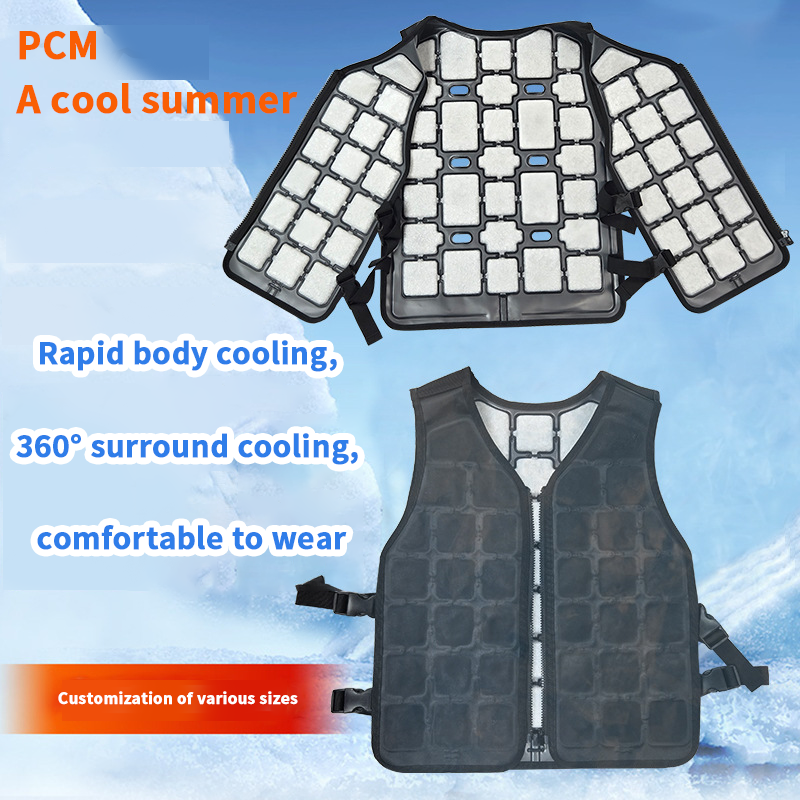
PCM vests last longer. Good phase change vests run 3-5 hours before they need cooling again. The catch? They must cool down between uses. Leave a PCM vest in your hot truck overnight. Next morning it’s liquid. Worthless. You need steady access to air conditioning or a fridge for the reset. Construction workers without cold storage struggle with this.
Hydrogel systems last even longer—4-6 hours of cooling. The PNIPAM materials keep releasing moisture as long as they hold water. Humidity plays a huge role though. Desert air at 15% humidity? You get the full 6 hours. Humid Southern climates at 80%? Cooling drops to 3 hours or less. Air already full of moisture slows down evaporation.
Recharge and Care Reality
Ice vests need the easiest care. Freeze the packs overnight. Done. Plan for 6-8 hours in a standard freezer for them to freeze solid. Forgot to freeze them? You’ve got dead weight on your torso.
PCM vests need exact temperatures. Most need cooling below 60°F for 4-6 hours to recharge. A regular fridge works. Room temperature doesn’t. Store them in a cooler with ice packs if you can’t get to a fridge. Make sure the material turns solid before your next shift. Partly melted PCM gives weak, uneven cooling.
Hydrogel needs water soaking every 20-30 uses for full recharge. The material loses water over time through repeated use. Simple tap water works—no special mix needed. Soak for 2-4 hours. Pat dry. Ready to go. Storage counts too. Keep hydrogel vests sealed in plastic bags between uses. They’ll dry out sitting in open air for days.
Budget for replacements. Ice pack swaps cost $15-40 each year for heavy users. PCM inserts last 2-3 years with good care before they lose cooling power. Hydrogel lasts longest—3-5 years before you notice the water capacity drops. Add these replacement costs to your heat stress budget along with the vest’s upfront price.
Cost-Effectiveness and Selection Guide
Your budget matters as much as staying cool. A $200 vest that quits after one season costs more than a $120 option lasting three years. Real value? Match cooling technology to your actual needs. Skip the most expensive and cheapest options.
Look at your heat exposure pattern first. Working 8-hour shifts outdoors? PCM vests give you the best cost-per-cooling-hour ratio. A quality PCM vest at $89-150 runs 3-5 hours per day. That’s $0.15-0.25 per cooling hour over a 2-year lifespan. Ice pack vests cost $45-80 upfront. But you need replacement packs every year ($15-40). Total cost over two years: $75-160. Per-hour cost: $0.20-0.35. The cheaper vest gets pricier.
Hydrogel systems sit at $120-180 upfront. They last 3-5 years with minimal maintenance. Break this down: $0.08-0.15 per cooling hour for heavy users. The highest upfront cost gives the lowest long-term expense for people who wear vests every day.
Quick Selection Framework
Choose ice pack vests when:
– Heat exposure lasts 2-3 hours max per use
– You have reliable freezer access for overnight recharging
– Budget stays under $100 for immediate purchase
– Weight isn’t a concern (ice vests weigh 4-7 pounds when frozen)
Choose PCM vests when:
– You work full shifts (4-8 hours) in moderate heat (85-100°F)
– You need steady cooling without temperature spikes
– Refrigerated storage is available but freezer access is limited
– You want middle-ground pricing with solid durability
Choose hydrogel vests when:
– You use it every day in extreme conditions (100°F+)
– You need the longest cooling duration (4-6 hours)
– Low maintenance and simple water recharging appeal to you
– You’re willing to invest more upfront for lowest lifetime cost
Hidden Costs That Change the Math
Factor in replacement parts. PCM inserts cost $25-45 for a full set. You’ll replace them every 2-3 years. Ice pack replacements run $8-20 per pack. Most vests need 4-6 packs. Hydrogel needs nothing but water until the material degrades after years of use.
Productivity gains matter too. Construction workers wearing effective cooling vests complete tasks 15-20% faster in extreme heat. That’s 45-60 minutes saved per 8-hour shift. For a contractor paying $25/hour labor, cooling vests save $11.25-15 per day in labor costs alone. The vest pays for itself in 6-13 working days.
Medical necessity changes everything. People with multiple sclerosis or heat intolerance conditions need cooling for health, not just comfort. Effectiveness beats cost here. The $180 hydrogel vest prevents heat-related medical incidents. Those incidents cost thousands in treatment. This makes it the obvious choice regardless of upfront price.
Compare cooling power per dollar spent. Budget ice vests ($45) deliver about 0.03-0.04°C skin temperature reduction per dollar. Mid-range PCM vests ($120) achieve 0.012-0.015°C per dollar. Premium hydrogel options ($180) provide 0.008-0.011°C per dollar. The cheapest vest wins on immediate cooling-per-dollar. But factor in expected lifespan and everyday usage. Then hydrogel takes the lead for serious users.
Conclusion
So, do cooling vests work? The science says yes, but with key differences. Match the vest to your work environment and activity level. Cooling vests with phase change materials or hydrogel can lower skin temperature by 2-5°C. They extend your safe working time in heat by 30-60 minutes. Pick the right technology for your needs. PCM vests give steady, moderate cooling for active work. Hydrogel systems suit lighter tasks that need longer cooling. Active cooling works best for extreme heat jobs.
Body temperature control isn’t the same for everyone. Your investment should match your heat exposure. Consider how much you need to move. Think about how long you need cooling. Check your typical work conditions first. Test a vest during your toughest tasks. Then decide if it’s right for you.
These aren’t miracle devices. They’re science-based tools. They work best as part of a full heat stress prevention plan. Stay hydrated. Take breaks. Listen to your body. Your health in extreme heat matters. Get this decision right.