
The Core Principle: How Heated Gloves Generate Warmth
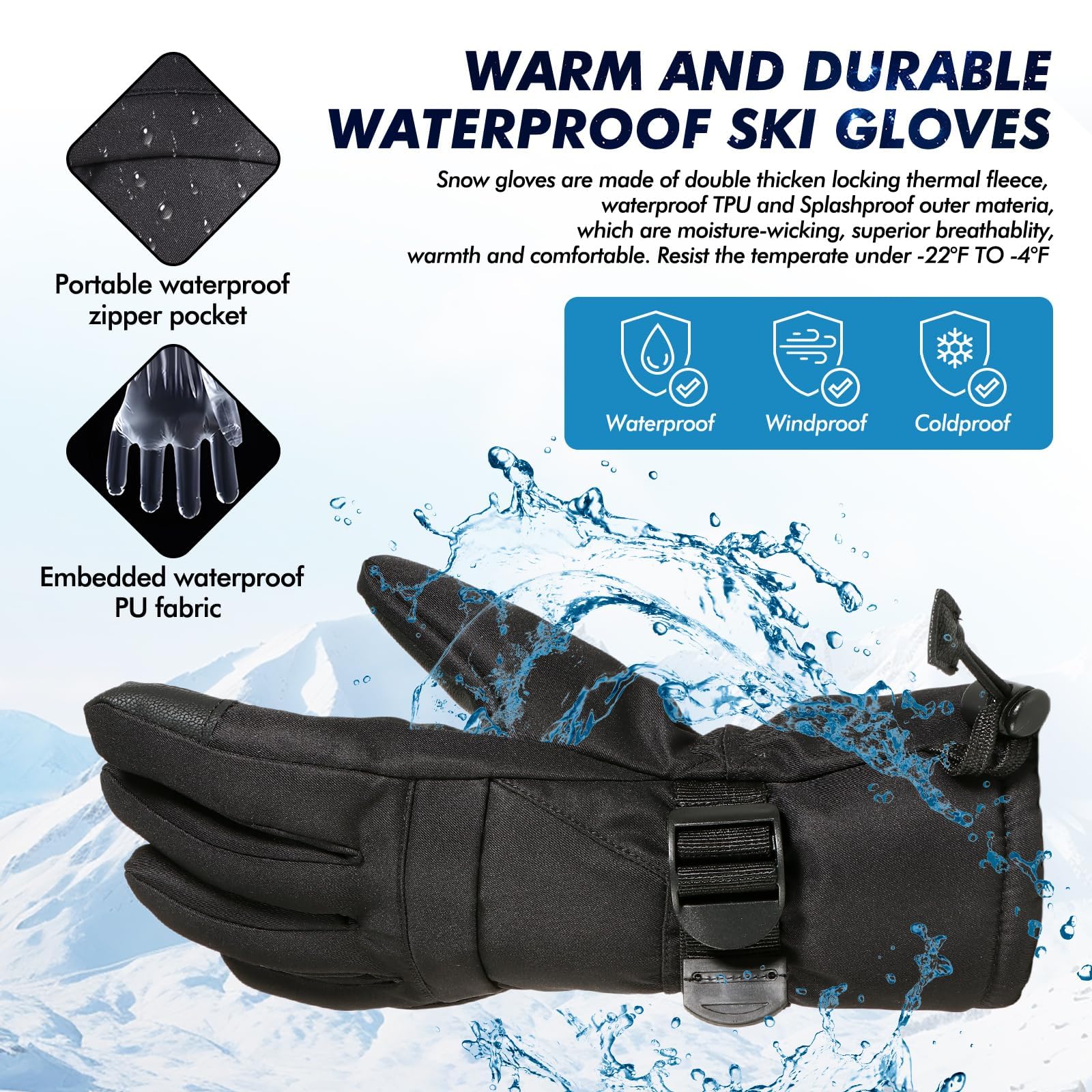
Heated gloves turn electrical energy into warmth through resistive heating — the same physics that powers your toaster or electric blanket. Flip the power switch. Current flows through high-resistance materials in the glove fabric. These materials resist the electrical flow. This creates friction at the molecular level. That resistance converts electricity into heat.
The Materials That Make Heat
Three core heating materials dominate the market:
Carbon fiber heating pads lead the pack for flexibility and speed. These thin, woven sheets heat up fast. They spread warmth across larger surface areas. They bend with your hand movements without creating hot spots.
Nichrome wire works like the heating element in older appliances. Electricity meets strong resistance as it passes through the coiled wire. This generates consistent heat. The wire’s thinness lets manufacturers weave it into fabric without adding bulk.
Conductive heating plates sit flat against your skin. They release warmth through the glove’s inner lining. These plates excel at targeted heat delivery to specific zones.
From Cold to Comfortable: The Heating Timeline
Modern heated gloves don’t make you wait. Quality models heat at 0.5°F per second — that’s a steady climb from ambient temperature to 107°F in just 60 seconds. You’ll feel over 40°F of temperature rise in the first minute of use.
The heating doesn’t run wild. Built-in thermal switches cap maximum operating temperature at 104°F (40°C). This stops overheating while keeping you comfortable. Boost technology pushes heat delivery even faster during -30°C extremes.
Strategic Heat Placement
Heating elements don’t just sit anywhere in the fabric. Engineers position them around your fingers and palms — the areas most vulnerable to cold. Carbon fiber pads wrap around each finger. This creates 360° coverage. Some advanced models use air flow circulation networks. These move warm air throughout the glove’s interior. They reach all 10 fingers and the back of your hand at once.
Key Components That Make Heated Gloves Work
Four core systems turn a regular glove into a portable heater. Each part plays its own role. Take one away and the heating stops working.
The Battery Power System
Lithium-ion (Li-ion) and Lithium-polymer (Li-Po) batteries power the heat. These batteries pack lots of energy but stay light. Most heated gloves use 7.4V or 12V low-voltage systems. This gives you solid warmth without burning through power fast.
A standard battery pack holds 3,000 mAh at 7.4V. The pack clips onto the glove cuff. Pull it off to charge or swap in fresh batteries. The first set dies, pop in the second. You stay outside longer without stopping.
Temperature Control Interface
Buttons or dials on the glove let you control the heat. Press the button to switch between three temperature settings: low, medium, and high. LED indicators show your heat level. This helps in dark conditions.
Better models include smart features. Built-in sensors track the outside temperature. Heat output adjusts on its own. Some gloves link to smartphone apps. Check battery life and change settings without taking off your gloves. Most models offer 68-95°F across all three settings.
Protective Layers and Materials
The outer shell mixes 90% polyester with 10% spandex. This combo stops wind and sheds water. Top-tier models feature Gore-Tex breathable membranes. Sweat escapes through these layers. Outside moisture stays out.
The inside has 100% polyester velvet lining plus insulation. Good gloves use 133g of PrimaLoft® Gold insulation. This holds your body heat plus the electric warmth. Some add 4mm D3O® padding over your knuckles and hand backs. This protects against impact.
Safety Mechanisms
Built-in thermostats stop overheating. The temperature hits the limit, power shuts off on its own. Short-circuit protection watches the electrical flow. This prevents fires or damage to heating parts. Waterproof design keeps moisture off the circuits. Water and electricity don’t mix safely.
Heating Element Technologies: Carbon Fiber vs Metal Wire
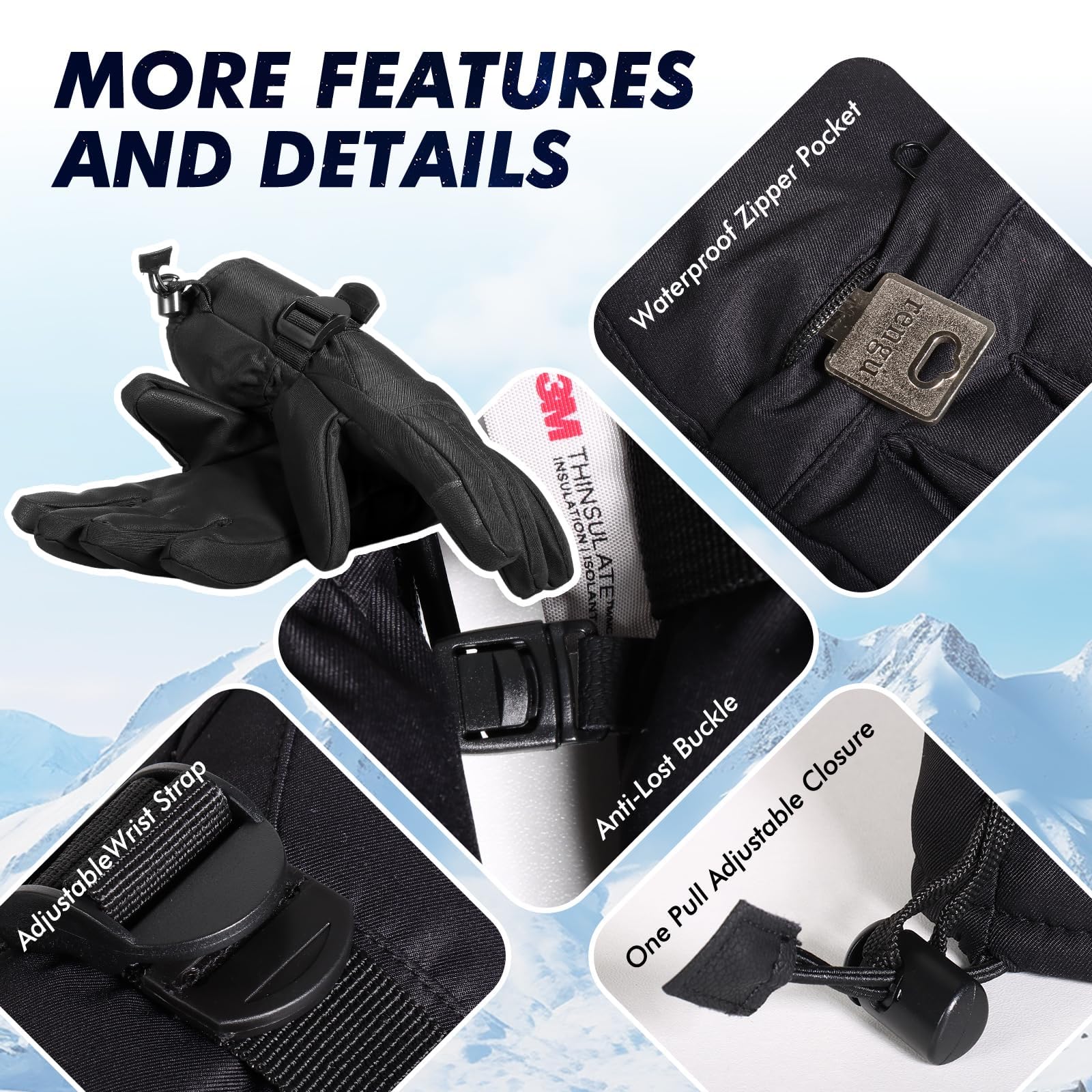
Two heating technologies compete inside your gloves. Both create warmth through electrical resistance. But they deliver that heat differently.
Carbon Fiber: The Flexible Heat Generator
Carbon fiber heating elements use 11 watts per meter. These thin, woven sheets pack over 90% carbon content. The electrical resistance stays low. Temperature shifts don’t change it much.
Startup speed? Fast. Carbon fiber hits full power in 5 seconds flat. Flip the switch – no electrical surge. Your glove circuits stay simple. No extra parts needed to handle power spikes. This saves manufacturing costs.
The surface holds at 65-70°C (149-158°F). Heat spreads evenly across the entire pad. Cover part of the fabric with your jacket cuff or pocket lining? No problem. Carbon fiber won’t create hot spots. The material bends with your hand. It’s 6-10 times stronger than metal wire. Bend your fingers thousands of times. The heating element won’t crack.
Battery life gets a boost. Carbon fiber uses 20-30 watts less per square meter than metal wire. Same warmth, longer run time between charges. Use it for months. The heat output stays strong. Performance drop? Close to zero.
Metal Wire: Concentrated Power Delivery
Metal wire elements come in different types: tungsten, steel-clad copper, stainless steel mesh. They use 17-20 watts per meter. Resistivity sits at 5.3 × 10⁻⁸ Ω·m. More resistance means more power draw for the same heat.
Turn on metal wire gloves. The current jumps 1.5 to 10 times the normal level at first. This needs strong battery protection circuits. The spike drops as the wire warms up. Resistance goes up.
Metal wire shines at spot heating. Want intense warmth just on your fingertips? Wire elements push 29-82 kW per square meter to small zones. Perfect for heating specific areas.
Durability? That’s the weak point. Metal grows when hot. It shrinks when cool. This constant cycle wears down the wire. Breaks happen more than with carbon fiber. Heat drops as the wire wears out. Budget gloves use metal wire – cheaper upfront costs. But expect to replace them sooner.
Battery Systems: Power Source and Runtime Performance
The battery pack controls how long your fingers stay warm. Most heated gloves use 7.4V or 12V lithium systems. These voltages give you good power while staying safe. Higher voltage models send more watts to the heating parts. You get faster warmth. But the battery drains quicker.
Capacity Numbers That Matter
Battery capacity appears as mAh (milliamp-hours) on the spec sheet. A standard 3,000 mAh pack at 7.4V holds 22.2Wh of total energy. Just multiply voltage times capacity. Double the mAh rating? You get double the runtime at the same heat setting. The math works in a straight line until other factors change things.
Runtime drops fast under heavy loads. Run your gloves on high heat at 15W draw? That 3,000 mAh battery lasts about 1.5 hours. Switch to low heat at 5W? The same pack stretches to 4+ hours. Real-world efficiency sits at 90-95% due to circuit losses and heat conversion. Expect your runtime to fall 5-10% short of the calculated ideal.
How Different Loads Change Your Heating Time
Your heat setting controls power use:
Low mode (5-7W): Battery gives steady warmth for 4-6 hours. Perfect for mild cold or all-day wear.
Medium mode (10-12W): Runtime drops to 2-3 hours. Good balance between warmth and battery life.
High mode (15-20W): Maximum heat burns through power in 1-1.5 hours. Save this for extreme cold bursts.
Quality lithium packs keep voltage flat during discharge. No gradual warmth fade until the battery hits its cutoff point. Heat output stays the same right up to shutdown.
Removable vs Built-In Battery Design
Removable battery packs clip onto the glove cuff. The first pack dies? Swap in a fresh one in 10 seconds. Zero downtime. Carry spare batteries for long outdoor trips. Replacement costs stay low. You buy new cells, not entire gloves.
Fixed internal batteries sit inside the glove structure. They’re lighter. They look sleeker. But you’re stuck with one charge cycle per outing. The battery wears out? You need professional service or a new unit.
Charging Speed and Battery Life
Most glove batteries recharge in 2-4 hours via standard USB or dedicated chargers. The charging circuit stops voltage at 8.4V for 7.4V packs. This prevents overcharge damage. Built-in Battery Management Systems (BMS) watch cell balance and temperature during charging.
Lithium batteries lose capacity over time. Keep your battery between 20-80% charge during storage. Deep discharges below 20% stress the cells. This cuts total cycle life. Quality packs handle 300-500 full charge cycles before capacity drops to 80% of original. Watch your battery’s State of Health (SOH) through longer charging times or shorter runtime. High internal resistance creates heat during use. That’s a sign the battery needs replacement.
Temperature Control: How Heat Settings Work
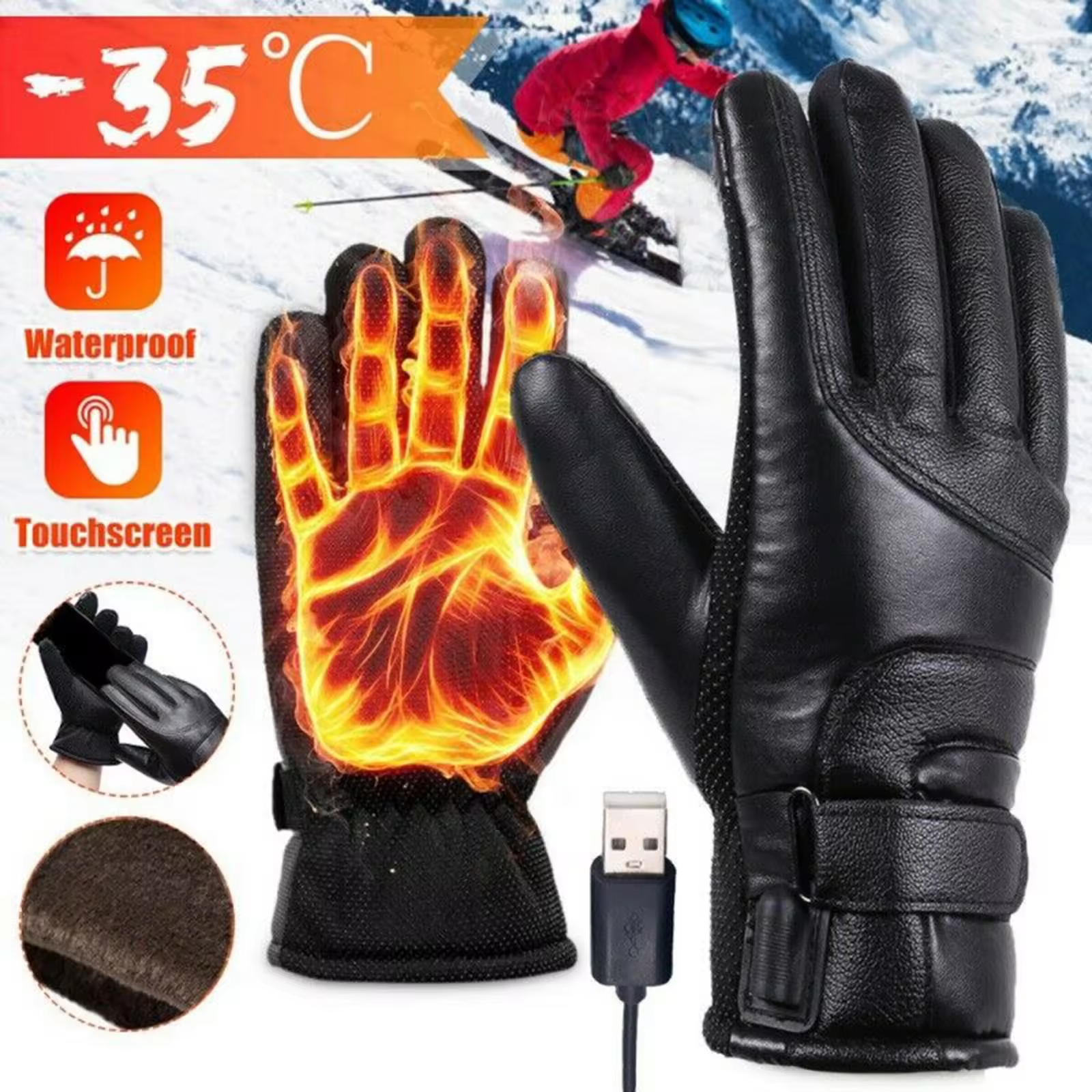
Most heated gloves give you three power levels. Press the control button. Each click switches between low, medium, and high. The heat jumps in fixed steps. This simple setup works – but smart temperature control does more.
How Digital Thermostats Manage Heat Output
Advanced gloves use dual PT100 sensors. One sensor tracks the actual temperature inside your glove. It sends this data to a microcontroller. The controller compares your current temp against the target you set. Temperature drops below your setting? The controller pushes 0-100% power to the heating elements. It adjusts in real-time based on how cold your hands get.
The second sensor acts as a safety guard. It watches for dangerous temperature spikes. Hit 50°C (122°F)? The system cuts power right away. Two sensors working together stop burns. They also keep warmth steady.
Temperature Bands and Automatic Adjustments
Your glove controller uses a 2°C switching differential in heating mode. Set your target to 38°C (100°F). The heater kicks on at 36°C. It shuts off at 38°C. This stops constant on-off cycling. That kind of cycling drains batteries fast.
Premium models include PID (Proportional-Integral-Derivative) control. Want 68°F? The heater fires up below 67°F. It stops at 68°F. Between those two temps? No power flows. This tight control keeps your hands at a precise comfort level. Your battery lasts longer too. The system doesn’t waste energy overshooting your target.
Visual Feedback Systems
LED indicators show your current status at a glance. Green LED means temperature sits in the comfort zone. Blue light signals the glove runs too cold – below your minimum setting. Orange warns you’re getting hot – above your upper limit. Red flashing means the safety alarm triggered. Power shut off to protect you.
Some gloves beep on first power-up in freezing conditions. This confirms the low-temp sensor detected the cold. Heating started on its own.
The Multi-Layer Insulation System
Heated gloves don’t work on electrical warmth alone. A three-layer insulation structure wraps around the heating elements. This design traps the heat close to your skin. It blocks outside cold from stealing that warmth away.
The Outer Shield Layer
The outer shell combines 90% polyester with 10% spandex. This fabric stops wind from getting through. Water beads up and rolls off the surface. Premium models use Gore-Tex membranes or similar breathable barriers. These materials have solar absorptance values below 0.08 and thermal emittance under 0.12%. What does this mean? Outside cold stays outside.
The outer layer measures 0.4mm ±5% thick in high-end gloves. Some makers add conductive ESD grids woven into the fabric. This protects the heating circuits from static discharge. UV protection coating makes the fabric last longer during sunny winter days.
The Middle Insulation Barrier
The core insulation sits between the outer shell and inner lining. Quality gloves pack 133g of PrimaLoft® Gold or similar synthetic fill. This material copies the structure of 15-20 reflective layers used in aerospace insulation. Each tiny fiber acts like a radiation barrier. Heat trying to escape gets reflected back toward your hand.
The insulation creates dead air spaces throughout the glove. Air trapped in these pockets can’t circulate. No circulation means no heat loss through convection. The barrier reflects 90-99% of thermal radiation back to your skin. Your body heat plus electric warmth stays locked inside.
The Inner Comfort Layer
100% polyester velvet lining or similar moisture-wicking fabric sits against your skin. This layer pulls sweat away from your hands. Trapped moisture pulls heat away fast. The wicking action keeps your skin dry. Dry hands feel warmer and stay comfortable longer.
Some advanced gloves use metallized films in their inner construction. These ultra-thin barriers add another reflective layer right against the heating elements. They bounce heat back before it reaches the middle insulation. This design keeps temperatures stable between -23°C to +40°C.
How The Layers Work Together
Turn on your heated gloves. The carbon fiber or metal wire elements generate warmth. The inner reflective layer bounces that heat toward your skin. The middle insulation catches any heat trying to escape. It reflects up to 100% back after bouncing between fiber layers. The outer shell blocks wind chill and moisture. Your hands sit in a warm cocoon powered by electricity and protected by science.
This layered approach explains why quality heated gloves beat cheap alternatives. Strip away the proper insulation? The heating elements waste battery power warming the outside air. Add high-grade barriers? Every watt of electrical energy works hard keeping your fingers comfortable.
Step-by-Step: From Power-On to Warm Hands
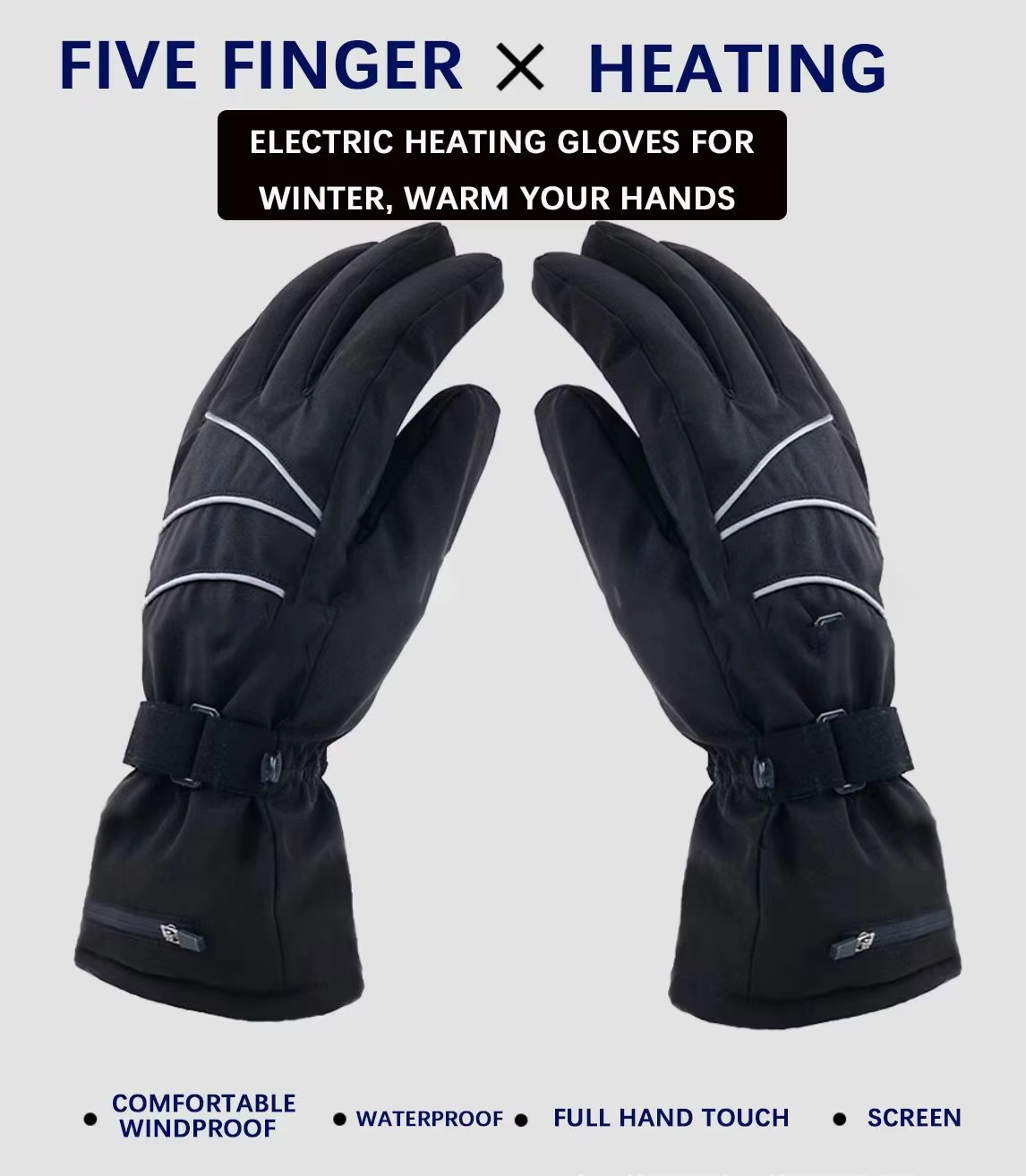
Your heated gloves need four simple steps to start working. Each step creates specific electrical and heat reactions inside the glove.
The Complete Power-Up Sequence
Step 1: Insert the Battery
Slide the battery pack into the connector on the glove cuff. Line up positive and negative terminals. The circuit stays open – no current flows yet. Energy waits in the 3,000 mAh cells.
Step 2: Press the Power Button
Push the button. The circuit closes right away. Current rushes from the battery to the heating elements. Within 1-5 seconds, the carbon fiber or metal wire hits 30°C (86°F). You won’t feel warmth yet. The heat stays in the element itself.
Step 3: Select Your Heat Setting
Click through low, medium, or high mode. Each setting changes the electrical resistance. It uses PWM (Pulse Width Modulation) to control current flow between 0.5-2 amps. Higher settings send more power to the heating pads. Heat moves through the inner lining toward your skin within 5-30 seconds.
Step 4: Wait for Full Warmth
Heat spreads through the glove layers. Your skin temperature climbs 2-5°C every 2 minutes. After 5-10 minutes, your hands reach 40-45°C (104-113°F). Blood vessels expand. Blood flow increases 20-50%. Your fingers feel warm.
First-Time Use vs Regular Operation
Initial setup needs charging the battery pack for 2-4 hours until full. Run a 10-minute preheat cycle before your first outdoor use. This prepares the heating elements. It stops cold-start damage.
Regular use skips the prep phase. Pop in your charged battery. Hit the power button. Full warmth arrives in 3-5 minutes – about half the time of first use. The elements work faster after you break them in.
Safety Features: Overheat Protection and Electrical Safety

Electrical heating sits right next to your skin. This raises safety questions. Heated gloves now include multiple protection systems. They prevent burns, electrical shorts, and battery failures.
Automatic Thermal Cutoff Technology
Built-in thermostats track temperature in real-time. The heating element reaches 50°C (122°F)? Power cuts off right away. The thermal switch resets on its own once temperature drops to 45°C (113°F). This creates a safety buffer. Your hands stay warm. They never reach burn risk levels.
Quality gloves use dual-sensor systems. The primary sensor tracks your target temperature. The backup sensor acts as emergency protection. One sensor fails? The second takes over. The safety chain has no single point of failure.
Low-Voltage Electrical Design
Heated gloves run on 7.4V or 12V systems. This sits far below the 48V threshold that poses shock risk to humans. These low voltages can’t push dangerous current through your body. Water breaches the battery compartment? The voltage stays too low to cause electrical injury.
Short-circuit protection chips sit between the battery and heating elements. Wire insulation wears through? A component fails? The protection circuit detects the current spike in 0.1 seconds. It cuts power before heat builds up. This stops fires or component damage.
Waterproof Battery Compartments
IPX4-rated sealing or higher protects battery connections from moisture. Silicone gaskets wrap around every electrical junction point. These barriers block water, snow, and sweat. They keep moisture away from live circuits. The battery connector uses gold-plated contacts. They resist corrosion even after hundreds of wet-dry cycles.
Real-World Performance: Use Cases and Limits
Heated gloves work great in certain cold-weather situations. But they don’t fix every hand-warming issue. Know where they shine so you can decide if they’re worth your money.
Where Heated Gloves Deliver Maximum Value
Winter sports fans benefit most. Skiers and snowboarders deal with constant cold at high altitude. The gloves keep your fingers nimble. You can adjust equipment and handle lift tickets easily. Riders grip handlebars for hours. Numbness doesn’t set in.
Outdoor workers in construction, delivery, and utilities depend on heated gloves during winter shifts. Regular insulated gloves are too bulky. They make tools hard to use. Heated models give you warmth in thinner designs. Battery-powered heat works better than stopping every 20 minutes to warm frozen hands.
People with circulation problems get relief from Raynaud’s disease or arthritis. These conditions limit blood flow to fingers. External heat helps your body warm your hands. Many users report less pain. They also move better during cold months.
Temperature Limits and Real-World Constraints
Heated gloves work best in cold from -5°C to -15°C (23°F to 5°F). Push below -20°C (-4°F)? Battery performance drops fast. Runtime cuts in half. Chemical reactions inside lithium cells slow down in deep freeze.
The gloves can’t self-charge. Every 2-6 hours of use needs a recharge cycle. Multi-day backcountry trips mean carrying spare batteries or portable power banks. This adds weight. Plus, it complicates planning.
Water immersion ruins the electronics. The waterproof coating handles snow and light rain. Submerge your gloves? Water gets through the seals. Short circuits damage the heating system for good. These aren’t swimming or diving gloves.
Heated Gloves vs Alternatives
Chemical heat packs cost less upfront. They activate through air exposure. But they’re single-use. Heat output fades after 4-6 hours. You can’t control temperature. Disposal creates waste.
Passive insulated gloves need no batteries. They work without limits. But they just trap your body’s heat. Your hands stay cold until your metabolism warms them. This takes longer in bitter cold.
Heated gloves sit between these extremes. Higher initial cost gets you adjustable, reliable warmth on demand. The rechargeable system pays for itself after one season. Compare that to buying throwaway heat packs.
How to Choose the Right Heated Gloves: Key Technical Factors
Match your gloves to how you’ll use them. Skiers need quick warmth bursts during 2-hour lift sessions. Construction workers want 8-10 hours of steady low heat through full shifts. Hunters sitting in tree stands need max runtime at medium settings. Your activity drives every other technical choice.
Full-Finger Heating Coverage Is Essential
Cheap gloves heat the palm or back of hand. Your fingertips freeze first in cold weather. Look for models that wrap heating elements 360° around each finger. Gerbing S7 covers palm, back, and all five fingers. Therm-ic gloves circle heat around fingertips. Budget options skip this. You’ll regret cold fingers after 30 minutes outside.
Battery Capacity Determines Real Runtime
2000-2200mAh batteries give you bare minimum performance – 2 hours on high heat. Mid-range 2200-3000mAh packs stretch that to 2.5 hours at full power. All-day users need 8-10 hours on low settings. Check the actual numbers: Ororo delivers 3-4 hours high and 8 hours low. Therm-ic claims 10 hours runtime. Generic brands promise big numbers but die fast under real cold stress.
Removable battery packs matter more than capacity. Built-in batteries trap you at 2-hour limits. Detachable systems let you swap fresh cells mid-activity. Carry spares for multi-hour trips.
Heat Level Control Changes Usability
Quality gloves offer 3-4 temperature settings. Three levels work for most people: low runs 5-10 hours, medium lasts 3-5 hours, high burns 2-4 hours. Fieldsheer has 4 adjustment levels for precise control. Single-setting gloves waste battery or leave you cold. You can’t adapt to changing conditions.
Waterproof Protection Saves Your Investment
DWR (Durable Water Repellent) coatings and breathable membranes separate good gloves from junk. Savior Heat uses thick waterproof shells. ActionHeat has Fantex membranes. These barriers block snow and rain. They let sweat escape. No waterproofing? Moisture shorts out your heating circuits. The gloves die after one wet day.
Red Flags That Signal Poor Quality
Walk away from gloves with batteries under 2000mAh – you’ll get less than 2 hours of use. Skip models with non-removable power packs. Avoid anything heating less than your full fingers. Bulky battery designs kill your grip strength. No windproof layer means you’re heating the outside air instead of your hands. Same-color LED indicators across all heat levels make it hard to see temperature changes.
Price Tiers Break Down Like This
$50-120 budget liners use 2000-2200mAh batteries at 7.4V. They heat palm and fingers through 3 basic levels. Runtime tops out at 2 hours on high. These work for short outdoor sessions.
$120-250 mid-range gloves pack 2200-3000mAh cells with full-hand coverage. You get 270g of highloft insulation plus weatherproof shells. Gerbing S7 costs $250 and runs 2.5 hours at maximum heat. Ororo stretches to 3-4 hours high or 8 hours low.
Premium $250+ models add smartphone app control and vibration feedback. Eddie Bauer auto-activates at $269. Therm-ic delivers 10-hour total runtime at $430. Outdoor Research heats each finger separately for $269. You’re paying for precision and convenience features.
Sizing Adds Complexity
Add 0.5 size up from your normal glove measurement. Battery compartments and heating circuits take up space inside. Your regular size will fit too tight. Blood flow gets cut off. That defeats the whole warming purpose.
Maintenance and Battery Care for Longevity
Your heated glove battery degrades with every charge cycle. Lithium-ion cells lose capacity over time. Smart maintenance practices extend their working life. Data from electric vehicle batteries shows charging habits matter more than age. The same principles work for your glove batteries.
Charging Practices That Preserve Battery Health
Avoid constant high-power charging. Plug your batteries into standard 5V/1A USB chargers instead of fast-charge adapters. Slow charging at 0.5C rate creates less heat inside the cells. Heat speeds up chemical breakdown.
Charge at lower power rates? You see 1.5% annual capacity loss. Switch to frequent fast-charging? Degradation jumps to 3.0% per year. That’s double the wear from charging speed alone.
Don’t leave batteries at 100% charge for days. Store your glove batteries between 40-60% charge during off-season months. Lithium cells sitting at full charge experience stress from oxidation. This damages the cathode material.
Keep them at extreme charge states over 80% of the time? Expect 2.0% degradation each year – faster than normal use patterns.
Storage and Temperature Management
Room temperature storage prevents capacity fade. Park your batteries in 15-25°C (59-77°F) spaces. Cold basements or hot garages speed up aging. Batteries stored below 0°C develop plating on internal electrodes. This cuts capacity for good.
Remove batteries from gloves between uses. Leaving them connected creates drain even when powered off. Microcontrollers and protection circuits sip power all the time. This micro-discharge cycle stresses the cells more than complete charge-discharge cycles.
Usage Patterns That Matter
Light use each day beats rare heavy loads. Run your gloves 2-3 hours on medium heat rather than pushing 6+ hours on low. Shallow discharge cycles – using just 15-35% of total capacity per session – cause 1.5% degradation each year.
Deep cycles draining over 80% each day increase wear to 2.3% per year. Your battery lasts longer with moderate, frequent use versus rare marathon sessions.
Common Questions About Heated Glove Technology
Buyers ask the same questions before buying heated gloves. Here are real performance numbers that skip the marketing talk.
How Long Do Heated Glove Batteries Last?
Average runtime spans 2-9 hours total – but that range hides key details. Run your gloves on full power? Expect 1.5 hours before shutdown. Most traditional battery models give you the same results.
Thinner glove models at high settings drain fastest – just 2 hours max. Thicker insulated versions on low heat stretch to 9 hours. Your runtime depends on three things: battery capacity, heat level, and outside temperature. You’ll get something between these two extremes.
Carry spare battery packs to double or triple your outdoor time. Swap in fresh cells once the first set dies. No waiting between charges.
Do Heated Gloves Charge Themselves While You Wear Them?
No. You need to plug in heated gloves to charge them – there’s no auto-charge technology. Budget 4 hours with a standard charger to reach full power. Fast chargers cut this to 2-3 hours but put more stress on the cells.
Non-powered glove shells produce zero heat on their own. The warmth comes from heating elements that draw battery power. Remove the electrical system and you get regular insulated gloves.
Which Heat Setting Should You Use?
Start on high for 5-10 minutes to warm frozen hands fast. Then switch down to medium or low for the rest of your session. High the whole time wastes battery. Plus, you risk overheating discomfort.
Most quality gloves offer 3 temperature levels. High burns through power but gives you fast relief. Medium balances warmth with runtime. Low extends battery life during milder cold or less active periods.
Why Don’t My Fingertips or Thumbs Heat Up?
Budget models skip fingertip heating to cut costs. Quality gloves run up to 2 meters of heating wire per glove for full coverage. Check product specs before buying – uneven heat means cold spots that ruin the experience.
Some designs put warmth on the palm and back of hand alone. Your fingers stay cold even with the battery running. Poor wire placement causes the biggest complaint about cheap heated gloves.
Conclusion
Heated gloves aren’t mysterious gadgets. They’re smart thermal tools you can rely on. The heating elements use carbon fiber or metal wire. These work with lithium batteries and temperature controls. Together, they create warmth that adjusts to what you need. This is engineered comfort backed by proven tech.
You now understand how thermal glove technology works. You know what makes quality gloves different from cheap ones. Look for even heat spread across the glove. Check that battery life matches your activities. Make sure safety features protect you and the device. Mountain skiing, winter commutes, outdoor work – the right heated gloves change how you handle cold weather.
Want warmth backed by science? Check out our premium heated gloves at coolheatech.com. We combine advanced heating tech with real-world performance. Your hands shouldn’t suffer through another winter.