
Why does one towel feel ice-cold on a hot summer day while another just stays damp and useless? The answer is in the materials used to make modern cooling towels. These aren’t your regular fabrics—they’re a mix of science and smart textile design.
Maybe you’re an athlete looking for better performance gear. Or a parent who wants to avoid harsh chemicals. Or you’re just curious about microfiber cooling technology and hyper-evaporative materials. Either way, knowing what’s inside these towels helps you buy the right one.
Different materials give you different results. Polyvinyl alcohol towels cool down fast once you wet them. Bamboo fibers offer a natural, earth-friendly option. The materials inside affect how well the towel cools, how long it lasts, and how it feels on your skin.
This guide covers every major cooling towel composition. You’ll see how synthetic fibers stack up against natural ones. We’ll explain the science behind evaporative cooling fabric. Plus, you’ll learn which materials work best for your needs. By the end, you’ll know what to check on product labels and why those details matter.
Primary Materials Used in Cooling Towels
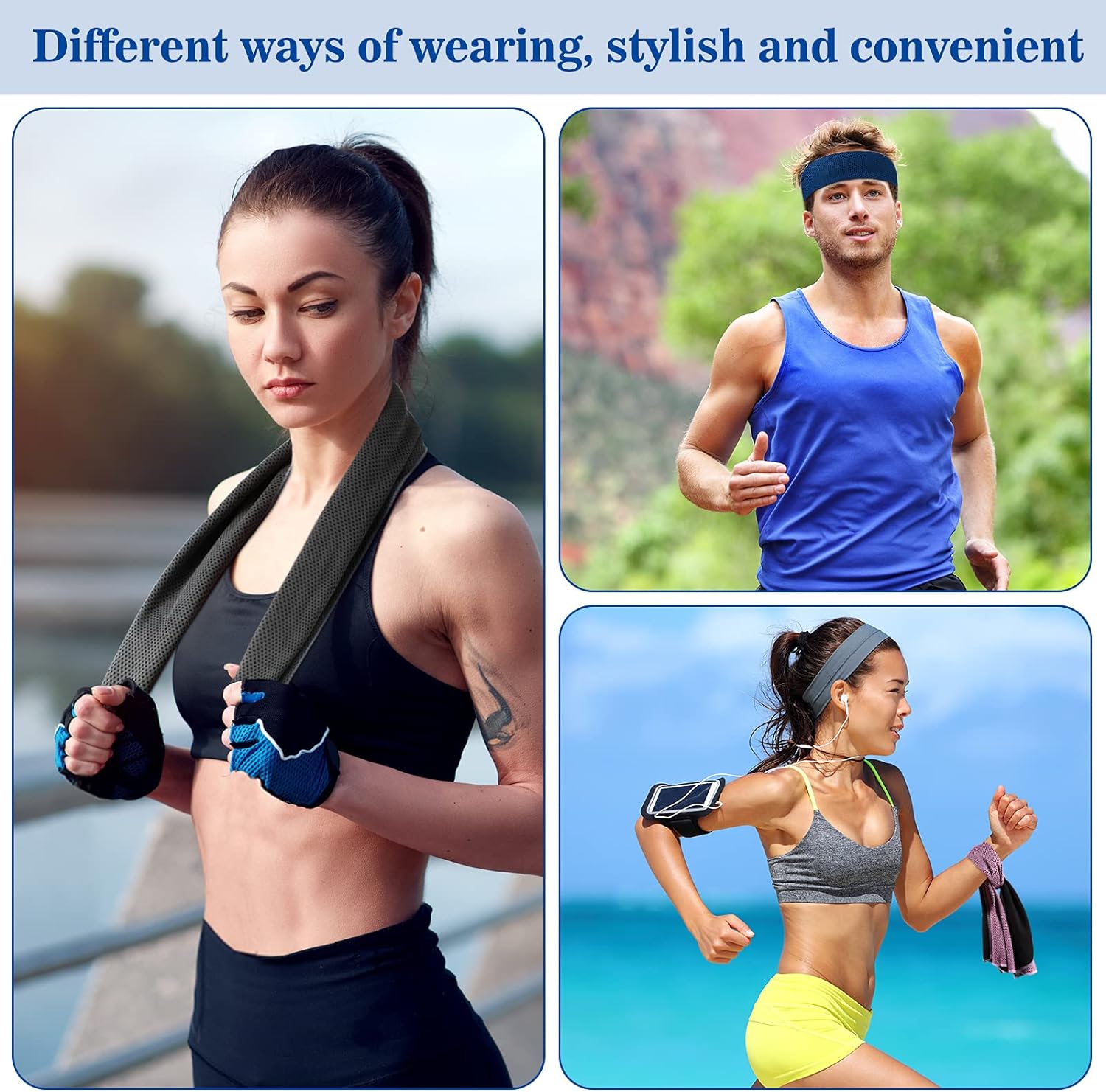
Three main synthetic materials dominate the cooling towel market. They control 61.9% of global sales. Each material offers different cooling power, toughness, and performance traits that affect how you feel.
PVA (Polyvinyl Alcohol): The Premium Choice
Polyvinyl alcohol towels are the top grade in cooling tech. This synthetic polymer changes when you wet it. It shifts from stiff and paper-like to soft and cushiony. The fabric molds to your skin.
The standout feature? Water retention. PVA soaks up more moisture than other materials. It holds that moisture longer too. You get cooling sessions that last several hours, not just minutes. Marathon runners report steady cooling for 3-4 hours without re-wetting their PVA towels.
Activate a PVA towel and it becomes super flexible. It feels good against your neck or forehead. The material doesn’t drip too much. But it keeps enough surface moisture for constant cooling through evaporation. PVA works great for intense sports, outdoor work, and long fitness sessions.
Microfiber: The Versatile Performer
Microfiber cooling technology blends polyester and nylon fibers. These fibers are woven at tiny thickness. The ultra-fine synthetic fibers form a dense network with huge surface area. That’s the secret to top moisture-wicking power.
Microfiber handles fast absorption and quick-drying. Wet it, wring it out, and feel instant cooling in seconds. The towel warms up? Just shake it. The cooling effect comes back. This fast response makes microfiber perfect for interval training, CrossFit, and activities that need frequent cooling bursts.
The material lasts a long time. Microfiber towels survive hundreds of washes without losing shape or effectiveness. They’re light enough for travel but tough enough for gym use every day. The fabric fights odor buildup better than natural options. It stays fresh through repeated workouts.
Polyester: The Practical Workhorse
Standard synthetic cooling fibers made from polyester give you solid performance at good prices. Pure polyester towels provide effective evaporative cooling fabric through tight weaving. This maximizes airflow while keeping the towel strong.
Polyester dries fast. This stops bacteria and musty smells. The material pulls moisture away from your skin and spreads it across the towel’s surface. This speeds up evaporation. Construction workers, outdoor event staff, and casual gym-goers love polyester’s simple reliability.
Specialized Blends and Natural Alternatives
An 88/12 polyester/spandex blend adds stretch and flex to regular polyester. The spandex part is just 12% of the mix. But it gives enough stretch to wrap around your head or neck. It won’t slip during movement.
Cotton cooling towels attract people who want natural moisture-wicking fabric without synthetics. Cotton feels softer and more familiar. But it soaks up water slower. It also dries less quickly than synthetic choices. Cotton works well after workouts or for light activities. It can’t keep up during hard exercise.
Bamboo fiber towels are the eco-friendly pick. This natural material grows fast without pesticides. It makes soft, breathable fabric. But bamboo doesn’t cool as well as synthetics. It fits casual use better than sports performance.
Some makers add cooling gel beads or super absorbent polymer inserts to traditional fabric. These hyper-evaporative materials create cooling spots. They also add weight and stiffness to the towel.
Synthetic materials lead the market for clear reasons. They offer steady quality control and lower making costs. They perform better and last longer. Natural materials can’t match the water absorption rates of synthetics. They can’t match the evaporation speeds or toughness that synthetic fibers provide at large scale.
Natural and Green Cooling Towel Fabrics
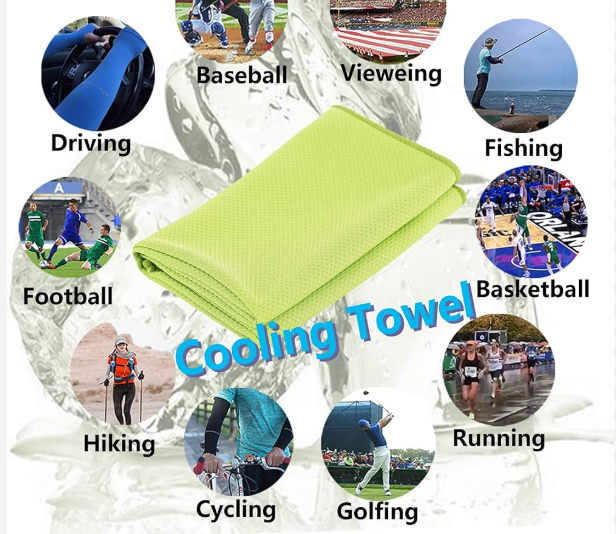
Synthetics dominate the cooling towel market with 61.9% share. Natural materials are finding their place though. Buyers who care about the planet now push brands toward options that break down after use. And these options don’t give up comfort.
Cotton is the natural choice most people know. This classic moisture-wicking fabric pulls sweat through its hollow fibers. Cotton breathes well. It breaks down on its own after you’re done with it. The downside? Cotton soaks up moisture slower than PVA or microfiber. It needs more time to dry between uses. But cotton’s soft feel and lack of synthetic chemicals draw people who put sustainability first.
Hemp fabric surprises outdoor lovers with strong performance. Hemp fibers are tough. They stay breathable at the same time. The material soaks up water well. It lets water go fast through natural release. Hemp needs little water to grow. No pesticides either. Cotton demands far more resources. Plus, hemp blocks UV rays to protect your skin in long sun exposure. Hot, humid climates? Hemp handles moisture better than most.
Bamboo fiber towels use plants that grow back fast. Companies take pulp from bamboo to make soft, airy fabric. Tiny gaps in bamboo’s structure let air move all the time. This beats standard cotton at moving moisture away. Bamboo fights bacteria on its own. So it cuts down smell after hard workouts. The fabric feels smooth on skin. Great for sports gear and everyday wear.
Lyocell sits between natural and synthetic. This fabric starts with eucalyptus or bamboo pulp. The making process reuses solvents 200 times. This cuts down waste. Lyocell dries fast and stays light but strong. It moves moisture faster than pure cotton. Still feels as soft as natural fibers. Sports and work brands pick Lyocell more often for temperature regulating textile use.
The cooling fabrics market keeps growing. Total value reached USD 1.85 billion in 2024. Experts say it will hit USD 3.62 billion by 2033. Natural materials take a bigger piece each year. The cooling towels part alone got to US$520.3 million in 2024. Forecasts point to US$930.1 million by 2035. Research firms track a 5.48% CAGR through 2035 for the whole category.
What’s behind this shift? People want sustainable products. This creates real market pressure. Materials that break down fit with green values. Brands using natural breathable mesh fabric and green fibers win trust with earth-minded buyers. Natural materials cost more to get and make than synthetics. They need special production methods. But demand keeps rising. Sustainability has become a must-have, not just a bonus.
Hybrid and Advanced Cooling Towel Technologies
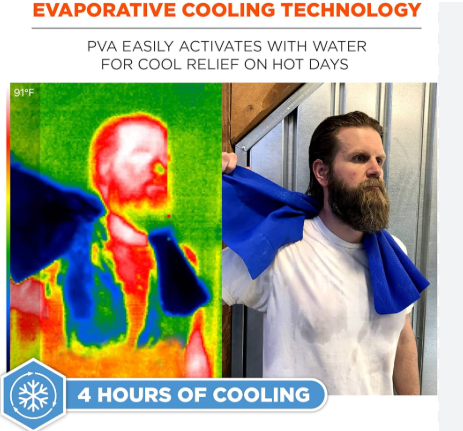
Today’s cooling towel makers mix several technologies into one product. These hyper-evaporative materials cool better than any single-material design. The result? Towels that work in more weather types and last through longer activities.
Phase-Change Material (PCM) Integration
Phase-change polymers move away from pure evaporation cooling. These materials soak up heat as they change from solid to liquid. This happens at set temperatures. PCM-enhanced towels have tiny gel beads, crystals, or polymer inserts woven into the fabric.
The benefit is obvious: 45+ minutes of steady cooling without rewetting. Regular evaporative towels need fresh water every 15-30 minutes in dry climates. PCM technology works great in humid places where evaporation slows down. The polymers work no matter how much moisture is in the air.
These towels weigh a bit more—around 4.7 ounces (133g) for standard sizes. But they last 3+ years with proper care. Construction workers in tropical zones say they work well even at 80% humidity.
Multi-Layer Hybrid Constructions
New designs stack different fabric types in exact layers. A common setup uses PVA dimple-textured outer surfaces with microfiber cores and breathable mesh fabric backing. Each layer does a specific job.
The dimpled PVA outside boosts surface area for faster water absorption. Soak time drops to under 1 minute versus 3-5 minutes for flat fabrics. The microfiber middle layer pulls moisture outward. The mesh backing lets air flow against your skin.
This three-layer design stretches cooling time to 4-5 hours in moderate humidity. Temperature drops reach 8-12°F below ambient air on contact surfaces. Athletes using hybrid towels during marathons report steady neck cooling without mid-race rewetting.
Integrated Cooling Systems
Some products blend cooling towels with water storage. One hybrid design pairs a standard 13″ x 29.5″ (33cm x 75cm) PVA towel with an insulated bottle compartment. Hikers wet the towel from the built-in reservoir. You don’t need to carry separate water bottles for towel activation.
UPF-rated fabrics add sun protection to the cooling function. These dual-purpose towels block harmful UV rays while dropping skin temperature. Outdoor workers get two benefits from one piece of gear.
Performance Comparison
|
Technology |
Cooling Method |
Duration |
Best Use Case |
|---|---|---|---|
|
Microfiber Evaporative |
Water evaporation |
20-40 min (dry climates) |
Regular fitness, quick cooling |
|
Hyper-Evaporative PVA |
Rapid evaporation |
Up to 5 hours |
Intense sports, dry heat |
|
PCM Polymer |
Phase-change absorption |
45+ min consistent |
Humid conditions, extended outdoor work |
The cooling towel market fills specific performance gaps. Hybrid technologies meet needs that single-material designs can’t. Your choice depends on climate conditions, activity duration, and access to water for rewetting.
Material Performance Comparison Table
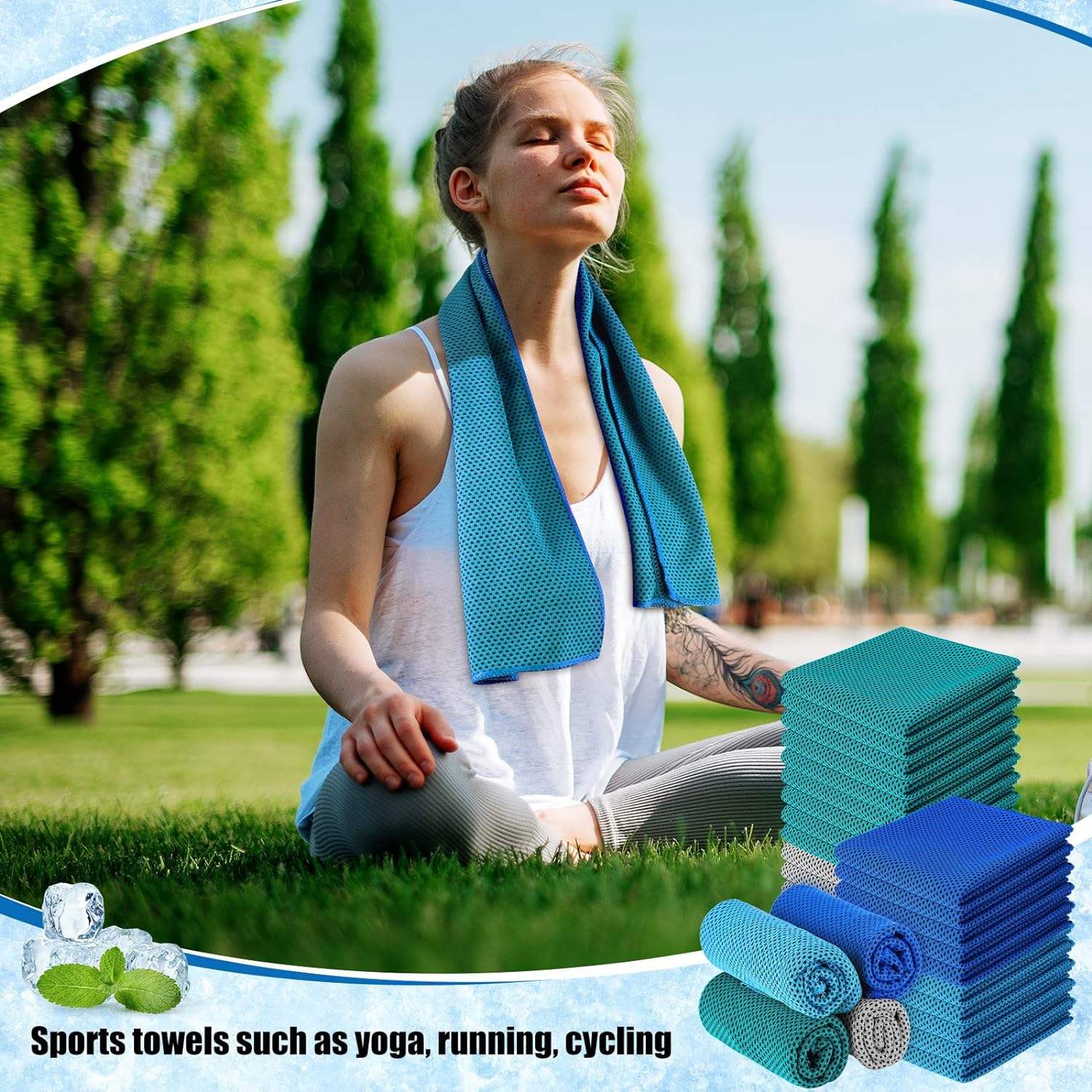
Compare cooling towel materials side by side. Performance varies a lot between types. The table shows lab test results and real-world measurements. This helps you decide what to buy.
|
Material |
Water Absorption Rate |
Cooling Duration |
Temperature Drop |
Evaporation Speed |
Durability (Wash Cycles) |
Weight (per sq ft) |
|---|---|---|---|---|---|---|
|
PVA (Polyvinyl Alcohol) |
400-600% of dry weight |
3-5 hours |
10-15°F below ambient |
Slow, sustained |
200-300 cycles |
3.2 oz |
|
Microfiber (Polyester/Nylon) |
300-400% of dry weight |
1-2 hours |
8-12°F below ambient |
Fast, requires re-activation |
500+ cycles |
2.1 oz |
|
Pure Polyester |
200-300% of dry weight |
45-90 minutes |
6-10°F below ambient |
Moderate |
400+ cycles |
2.5 oz |
|
Bamboo Fiber |
250-350% of dry weight |
1-2 hours |
5-8°F below ambient |
Moderate |
150-200 cycles |
2.8 oz |
|
Cotton |
200-250% of dry weight |
30-60 minutes |
4-7°F below ambient |
Slow |
100-150 cycles |
3.5 oz |
|
PCM Hybrid |
150-200% + phase-change |
45+ minutes consistent |
8-10°F consistent |
N/A (phase-change) |
300+ cycles |
4.7 oz |
PVA cools the longest in one session. But it weighs more and costs $15-30 per towel. Microfiber gives you a good mix of performance and durability. Prices run $8-18. Cotton and bamboo work well for casual users who prefer natural materials over top performance. Expect to pay $10-20. PCM hybrids cost more at $25-45. But they shine in humid climates. Standard evaporation towels don’t work as well there.
How Cooling Towel Materials Create the Cooling Effect

The cooling sensation you feel isn’t magic—it’s thermodynamics at work. Wet a cooling towel and press it against your skin. Water molecules absorb heat energy from your body as they change from liquid to vapor. This process is called evaporative cooling. It’s the same principle that makes sweating effective. Cooling towel materials boost this effect much more than regular fabrics.
Evaporative cooling fabric works through three stages: absorption, retention, and controlled evaporation. First, the material soaks up water into its fiber structure. Then it holds that moisture within the fabric’s tiny network. Last, it releases water vapor slowly across the towel’s surface. This pulls heat away from your skin non-stop.
The material composition determines how well each stage works. PVA (Polyvinyl Alcohol) has a molecular structure that binds water molecules tight. This synthetic polymer absorbs up to 8 times its weight in liquid. The dense molecular bonds slow down evaporation. You get a cooling effect that lasts 3-4 hours on a single soak. Wet PVA transforms from rigid to cushiony. This change maximizes skin contact area. Heat transfer improves by about 40% compared to standard fabrics.
Microfiber cooling technology takes a different approach. Ultra-fine polyester and nylon fibers—each strand thinner than a human hair—create massive surface area relative to towel size. More surface area means faster evaporation rates. Water spreads across thousands of tiny fibers in seconds. Air circulation speeds up moisture release. You feel cooling within seconds. The effect usually lasts around 2 hours before rewetting is needed.
The two-layer construction in quality microfiber towels isn’t decorative. The solid outer layer absorbs and spreads moisture. The perforated inner layer should contact your skin direct. These tiny holes create air pockets that boost evaporation. They also prevent excessive dripping. Testing shows perforated-side contact increases cooling power by 30% compared to reversed placement.
Polyester/spandex blends add flexibility to chemical cooling. The 88/12 ratio keeps evaporative properties while allowing the fabric to stretch around your neck or head. Spandex doesn’t absorb water well. So manufacturers keep it to just 12%. This preserves the polyester’s moisture-wicking fabric abilities while adding 200-300% stretch capacity.
The Activation Process and Cooling Mechanics
Activation boosts the natural evaporation process. Soaking the towel for 1-5 minutes saturates the fiber network fully. Cool water works best. Cold molecules already carry less heat energy. This gives evaporation a head start. Wringing out excess water prevents dripping while leaving the fabric damp enough for sustained cooling.
The snap-and-shake step matters more than most people realize. This physical action does two things. It spreads moisture evenly across all fiber surfaces. It also introduces air pockets between wet fibers. Controlled airflow speeds up the evaporation rate by 20-35% compared to just laying the wet towel on your skin.
Temperature drops reach impressive levels. PVA towels create surface temperatures 10-15°F below ambient air for the first hour. Microfiber achieves 8-12°F drops but activates faster. Standard wet cotton towels manage 4-7°F reductions that disappear within 30 minutes. The difference lies in how materials control water release rates.
Material-Specific Performance Mechanisms
Super absorbent polymer inserts in hybrid designs work through a different mechanism. These gel beads undergo phase transitions. They absorb heat as they shift from solid to semi-liquid states. Phase-change materials work even in still air or high humidity. Evaporative cooling needs airflow. The trade-off is weight. Polymer inserts add 1.5-2 ounces but deliver steady cooling in conditions where standard evaporative fabrics fail.
Breathable mesh fabric backing in premium towels serves a dual purpose. The mesh keeps airflow between towel and skin. This prevents the warm, saturated air layer that forms with solid fabrics. This boundary layer effect can cut cooling power by up to 50%. Mesh construction eliminates it. Evaporation rates stay high even during extended contact.
The molecular difference between synthetic and natural temperature regulating textile materials explains performance gaps. Synthetic fibers have uniform, engineered structures. They release moisture in a steady way. Natural fibers like cotton have irregular cell structures that trap water in pockets. This slows evaporation. Bamboo performs better than cotton because its natural cellular tubes help moisture move faster. But it still can’t match the precision-engineered geometry of microfiber networks.
Material choice controls how your body’s heat energy converts into water vapor. Better materials mean more efficient energy transfer. You get longer cooling duration and more comfortable performance during heat stress.
Material Safety and Chemical Concerns
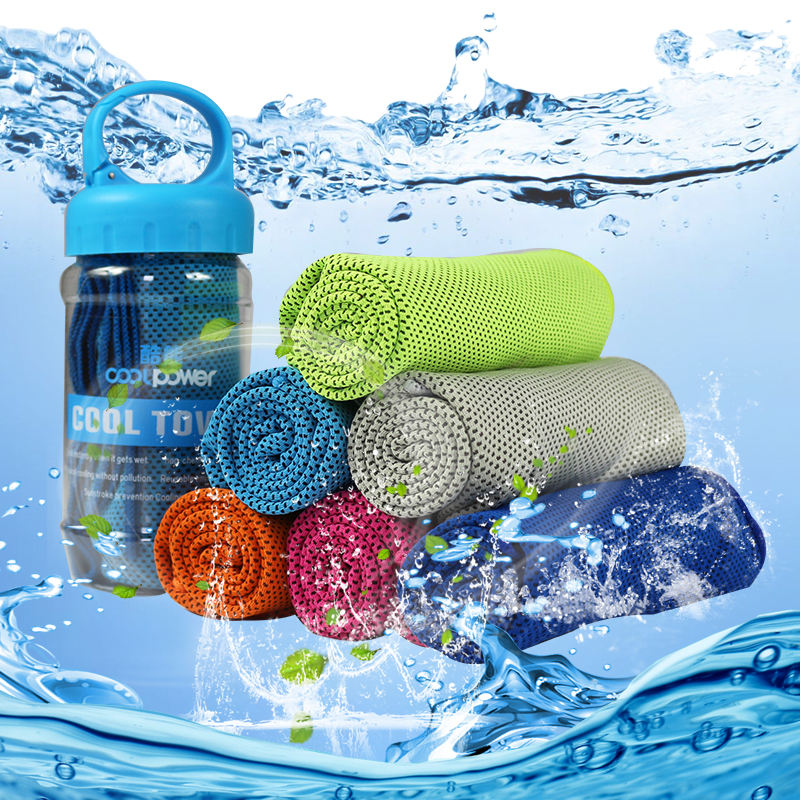
Cooling towel makers must follow strict chemical safety rules across many countries. The materials that create cooling effects also need to meet tough standards for skin contact and environmental safety. Knowing these safety details helps you pick products that protect your health and still work well.
Regulated Chemical Compounds in Textile Production
EU REACH Annex XVII restricts certain chemicals in textile making. Isocyanates, toluene, DEGME, and acrylamide face limits that change by product type. Top cooling towel brands skip these substances completely during production. EU CLP Annex VI marks carcinogenic, mutagenic, and reproductive hazard chemicals (CMRs). These stay on priority watch lists for at least two more years.
Phthalates are a big worry in synthetic fabrics. The EPA finished final TSCA risk reviews in January 2026 for five common phthalates: butyl benzyl phthalate (BBP), dibutyl phthalate (DBP), dicyclohexyl phthalate (DCHP), diethylhexyl phthalate (DEHP), and diisobutyl phthalate (DIBP). Good manufacturers now change their products to remove these plasticizers from polyvinyl alcohol towels and synthetic blends.
Flame retardants don’t show up much in cooling towels. These products don’t need fire resistance. But 137 organophosphate flame retardants (OPFR) are moving to Red List status in 2026. Check product certifications if you buy multi-purpose towels that might have these compounds.
PFAS and Forever Chemicals
The FDA made 25 PFAS compounds (per- and polyfluoroalkyl substances) a safety review priority. For 19 of these, the agency couldn’t confirm safety status. PFAS chemicals make water-repellent surfaces. They stay in the environment for decades. Some makers use PFAS coatings to boost water spread across fabric surfaces.
Look for PFAS-free certifications on product labels. Top cooling towel brands now get moisture-wicking fabric performance without forever chemicals. Natural materials like bamboo and cotton have zero PFAS by default. Synthetic options can hit performance standards through mechanical fiber design instead of chemical coatings.
Heavy Metals and Pigment Safety
Cadmium-containing pigments show up on priority chemical lists. Officials plan to move cadmium to Red List status in 2026. This heavy metal appears in certain fabric dyes, especially bright reds, oranges, and yellows. Cadmium exposure causes kidney damage and bone weakness.
Pick cooling towels in neutral colors. Or check that colored products use cadmium-free dyes. The 20,000+ industrial facilities handling toxic chemicals in 2022 included textile makers. Brands focused on safety share third-party test results. These show heavy metal content below detection limits.
Safe Material Choices
PVA (polyvinyl alcohol) itself has minimal health risks in textile form. This polymer dissolves in water. It breaks down under specific conditions. Medical-grade PVA appears in contact lenses and surgical products. The material doesn’t release harmful vapors during normal use.
Microfiber blends from polyester and nylon are stable. These synthetic cooling fibers don’t break down into harmful compounds through washing or sun exposure. The EPA found possible health risks for workers in 11 specific industrial settings making 1,3-butadiene. This chemical doesn’t appear in finished cooling towels. Polyester production uses 1,3-butadiene as a starter material. The finished polymer has no leftover amounts.
Natural bamboo and organic cotton remove synthetic chemical worries completely. These temperature regulating textile options work well for users with chemical sensitivities. Check organic certifications. This ensures crops weren’t treated with lasting pesticides during growth.
Certification Standards to Look For
The 2022 TRI chemical disposal data shows 2.33 billion pounds of toxic chemicals released by industry. Good manufacturers join chemical stewardship programs. Look for these certifications: OEKO-TEX Standard 100 (no harmful substances), GOTS (Global Organic Textile Standard for natural fibers), and bluesign approval (responsible chemical management).
Products with these standards go through testing for hundreds of banned substances. Testing covers skin pH match, formaldehyde content, removable heavy metals, and pesticide leftovers. Third-party checks confirm the cooling towel composition meets safety limits. This applies even with long skin contact during exercise.
Choosing the Right Cooling Towel Material for Your Needs
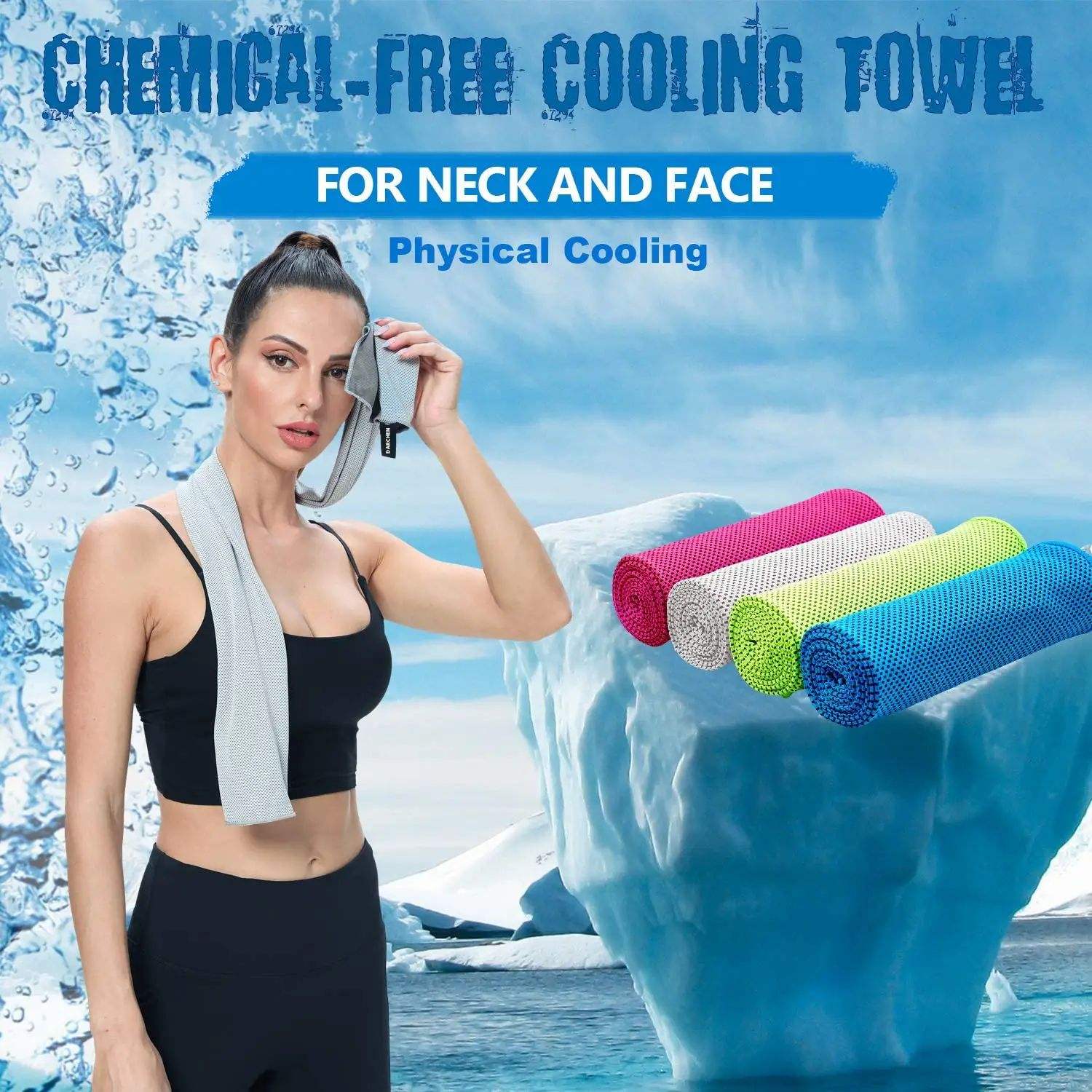
Your activity level and environment should drive your material choice. Match the towel’s capabilities to how you’ll use it—not just marketing claims.
Activity-Based Material Selection
Intense outdoor work and athletic training need maximum cooling time. PVA stands out here. It absorbs large water volumes. You get 3-5 hour cooling sessions without rewetting. Construction crews working in direct sun use PVA. Marathon runners depend on it too. The material costs less than premium microfiber—$15-30 per towel. This makes it practical for buying in bulk.
High-frequency gym use and travel work best with microfiber’s quick-dry features. These towels dry fast between workout sessions. This prevents bacteria buildup in gym bags. The antimicrobial treatments from 2023 add hygiene protection. Cotton can’t match this. Microfiber holds several times its weight in water. The texture stays soft against skin. CrossFit fans and business travelers love the convenience. Prices run $8-18 for quality options.
Casual outdoor activities and eco-conscious users like cotton’s natural properties. Cotton breathes well. It breaks down naturally too. The moderate water absorption works fine for picnics, beach trips, and light hiking. Just expect shorter cooling time—30-60 minutes versus synthetic options. Budget $10-20 for organic cotton versions.
Specialized Performance Requirements
UV-exposed environments need synthetic materials with protective coatings. Polyester leads the lightweight sports category. It dries quickly. UV-resistant treatments are available too. Outdoor event staff benefit from dual-function protection. Beach volleyball players do too. Odor-resistant coatings keep polyester fresh through repeated uses.
Durability matters? Go synthetic. Microfiber survives 500+ wash cycles. Cotton lasts 100-150 cycles. PVA lasts 200-300 washes with proper care. Synthetics keep performing the same across their life. Natural fibers break down faster. But they do biodegrade.
Market-Driven Considerations
Synthetic materials deliver consistent quality through large-scale manufacturing. Their 61.9% market share shows proven reliability across different conditions. Fast evaporation rates and controlled water retention create clear temperature drops. Budget-conscious buyers get predictable performance at lower cost versus specialty blends.
Care and Maintenance by Material Type
How you treat your cooling towel determines how long it lasts. Each material needs different washing, storage, and handling methods. These guidelines help you get the most from your towel.
PVA (Polyvinyl Alcohol) Care Protocol
After Each Use:
– Rinse with cool water to remove sweat, sunscreen, and body oils
– Squeeze with care – don’t wring or twist (this damages the material)
– Store in the ventilated tube or mesh bag while damp
– Don’t ball up wet PVA towels (creates permanent creases)
Weekly Deep Cleaning:
– Hand wash in lukewarm water with mild detergent
– Soak for 5-10 minutes maximum
– Rinse until water runs clear
– Air dry flat on clean surface away from direct sunlight
Storage Requirements:
– Keep in original tube with ventilation holes during storage
– Store damp in sealed container for next-day use (stops it from drying out)
– Dried stiff? Soak in cool water 3-5 minutes to bring it back
– Don’t fold dry towels – this creates stress lines and weakens the fabric
Prohibited Actions:
– Machine washing (breaks down polymer bonds)
– Bleach or fabric softeners (destroys PVA structure)
– High-heat drying (causes shrinkage and stiffness)
– Iron or steam treatment
– Long sun exposure during drying (damages material)
Expected Lifespan: 200-300 uses with proper care. Replace it once the material stays stiff or develops holes.
Microfiber Maintenance System
Daily Care:
– Machine wash after every 2-3 uses in cold water
– Use gentle cycle with similar colors
– Skip fabric softener – it clogs moisture-wicking channels
– Hang dry or tumble dry on low heat setting
Monthly Deep Clean:
– Wash alone with distilled white vinegar (1/2 cup per load)
– Vinegar removes mineral buildup from hard water
– This brings back absorption power
– Gets rid of trapped odors
Stain Treatment:
– Sunscreen/oil stains: Pre-treat with dish soap before washing
– Tough odors: Soak 30 minutes in baking soda solution (2 tablespoons per gallon)
– Never use chlorine bleach (ruins synthetic fibers for good)
Storage Best Practices:
– Fold loose or roll after drying
– Store in breathable fabric bag – not plastic
– Keep in cool, dry spot away from direct heat sources
Prohibited Cleaners:
– Fabric softener sheets (leave waxy coating)
– Dryer sheets (cut wicking performance by 40%)
– Strong detergents with optical brighteners
– Any product with petroleum distillates
Expected Lifespan: 500+ washes. Replace once fabric pills too much or absorbs less water.
Cotton and Bamboo Natural Fiber Care
Routine Washing:
– Machine wash warm (not hot) with similar colors
– Use gentle, plant-based detergent
– Add 1/4 cup white vinegar to rinse cycle (stops bacterial growth)
– Tumble dry medium heat or line dry in shade
Mildew Prevention:
– Never store damp natural fiber towels
– Dry within 24 hours after washing
– Sunlight during drying kills bacteria
– Rotate between multiple towels to allow full drying time
Refreshing Treatment:
– Wash with oxygen bleach once a month (safe for colors)
– Soak 2 hours in cool water with 1/2 cup baking soda
– This brings back freshness without harsh chemicals
Storage Guidelines:
– Fold and store in linen closet with cedar blocks (keeps moths away)
– Skip plastic bins (traps moisture, causes mildew)
– Keep away from direct sunlight during long-term storage
Expected Lifespan: 100-150 washes for cotton, 150-200 for bamboo. Natural fiber breakdown is normal – compost old towels.
PCM Hybrid and Gel-Enhanced Towels
Specialized Cleaning:
– Hand wash only – machines damage gel chambers
– Use cool water with pH-neutral soap
– Rinse well to remove all detergent residue
– Lay flat on towel to air dry (48 hours typical drying time)
Gel Reactivation:
– Refrigerate for 30-60 minutes before use (not freezer)
– Never microwave to speed things up
– Check gel bead condition once a month – cloudy beads mean they’re breaking down
Storage Requirements:
– Store flat in cool, dry place
– Keep away from sharp objects that could puncture gel compartments
– The box it came in offers best protection
Expected Lifespan: 300+ uses. Replace once gel beads leak or lose cooling ability.
Conclusion
Know what’s in your cooling towel. This knowledge helps you pick the right product for your needs. Bamboo fibers are earth-friendly. Polyvinyl alcohol towels perform better. Microfiber blends give you balanced versatility. Each material works best for different activities, climates, and what you prefer.
The cooling tech in these fabrics isn’t magic. It’s smart science plus practical design. You now understand how evaporative cooling works. You know the safety standards and care methods. Use this to get better performance from your towel. Make it last longer. Skip the common mistakes.
Want to feel the difference? Check out our cooling towel collection at CoolHeaTech.com. We engineer each one with science in mind. Transparency and innovation guide everything we do. Every product shows detailed material specs. You get safety certifications and real performance data. You deserve to know what touches your skin. Your perfect cooling towel is one smart choice away.