
You soak it, wring it, snap it—and you’ve got a towel that feels 30 degrees cooler than the air around you. Sounds like magic, but it’s evaporative cooling technology at work.
Just picked up your first cooling towel? Frustrated because yours isn’t delivering that icy relief you expected? You’re not alone.
The difference between a cool workout companion and a soggy disappointment comes down to a few key steps. Proper activation and usage make all the difference.
Pushing through a sweaty gym session? Working outdoors in summer heat? Trying to beat the temperature spike? This guide shows you how to use a cooling towel correctly.
We’ll cover the initial activation, reactivation tricks, and common issues. Plus, you’ll learn the mistakes that kill cooling performance.
By the end, you’ll squeeze every degree of relief from your reusable cooling towel. You’ll keep it working well for years.
How Cooling Towels Work: The Science Behind Instant Relief
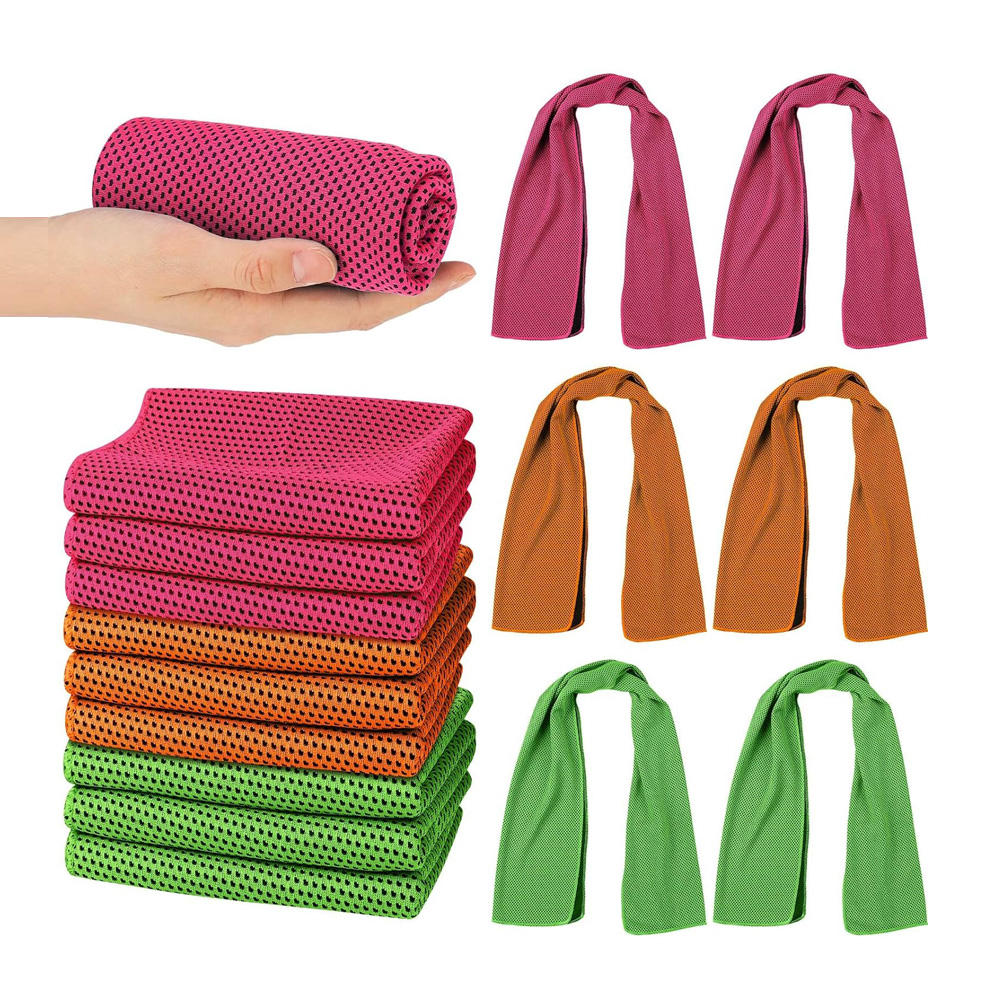
The physics is simple: water on the towel’s surface evaporates. This pulls heat away from your skin. Your body uses the same mechanism through sweat.
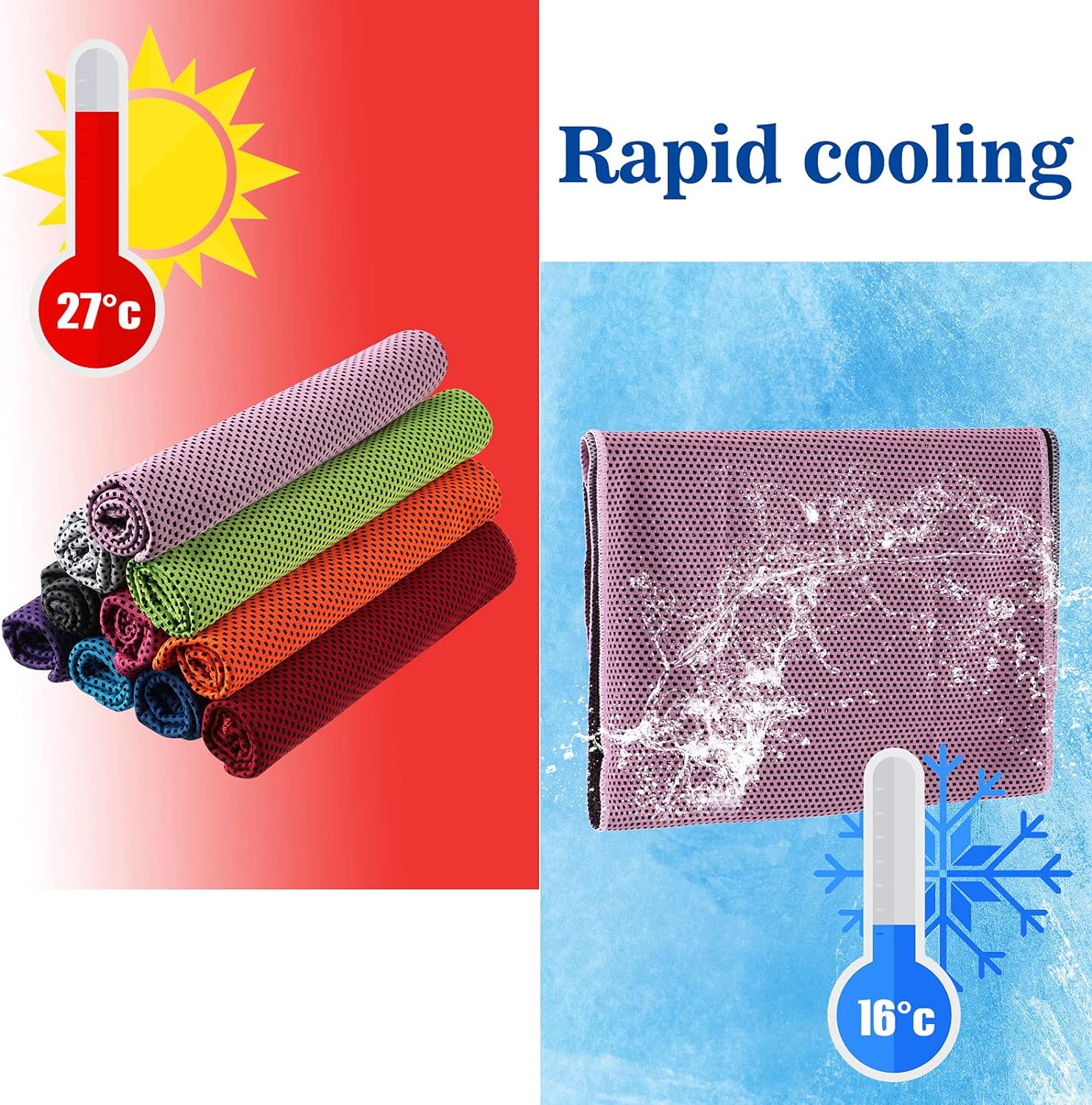
The key difference? A wet cooling towel uses special fabrics to boost this effect. The result: surface temperatures drop up to 30°F below the surrounding air.
The Evaporation Process Explained
Activate a sports cooling towel. Three things happen at once:
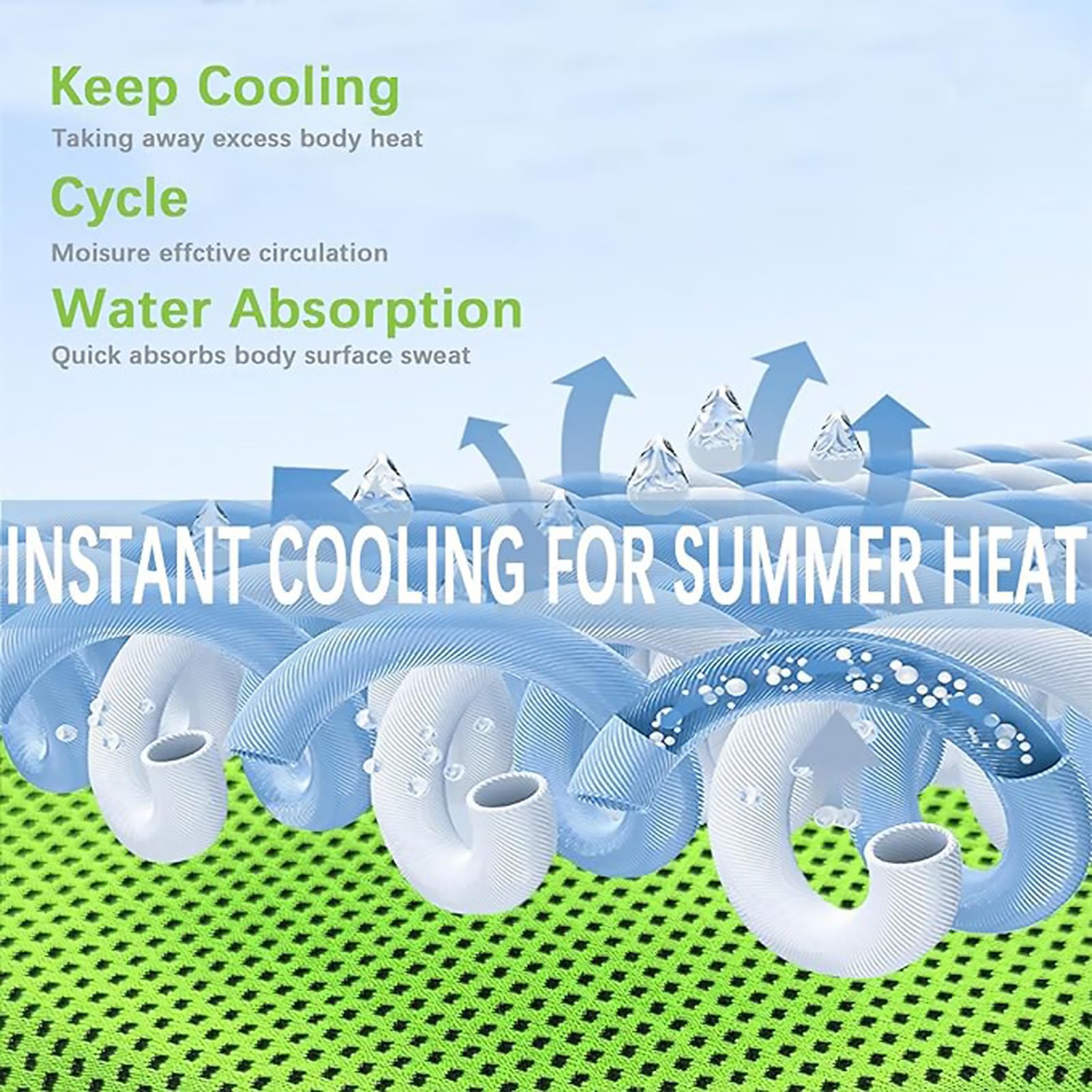
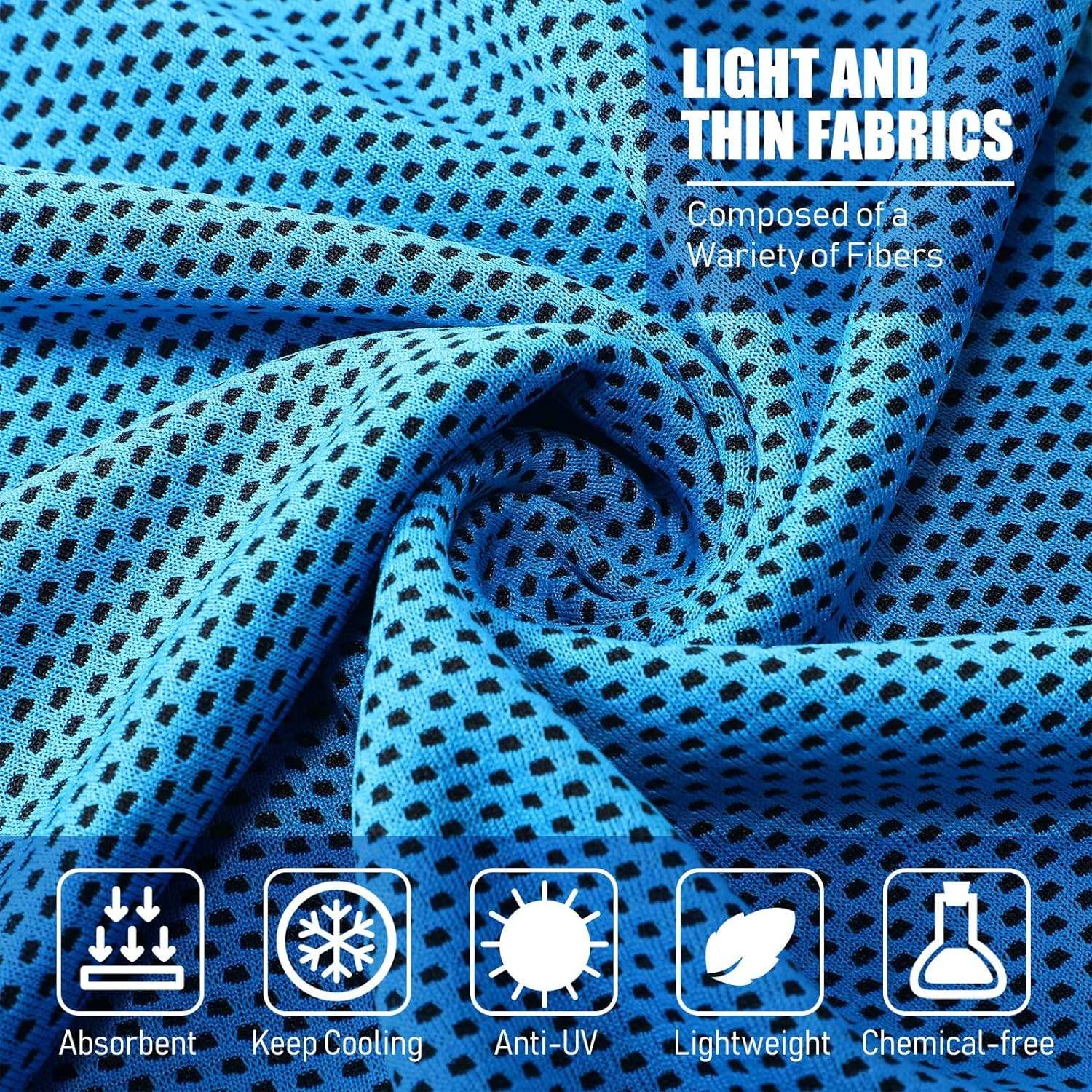
Water absorption – The fabric soaks up moisture like a reservoir. Microfiber cooling fabric and PVA materials hold 3-5 times their weight in water.
Surface evaporation – Air contacts the wet surface. Water molecules turn to vapor. This needs energy, pulled straight from your skin.
Heat transfer – The cooled fabric works as a heat sink against your neck, forehead, or pulse points. Your body heat keeps feeding the evaporation cycle.
Material Performance Comparison
Not all cooling towels work the same. Synthetic fabrics now make up 61.9% of the market. The reason? Better water management.
PVA (Polyvinyl Alcohol) towels last the longest. One saturation keeps them cool for up to 4 hours. The thick, spongy texture holds maximum water. You just need 1 minute of soaking to activate.
Microfiber options give you different benefits. They cool for 2-3 hours per activation. Plus, they breathe better. Lab tests showed microfiber cut neck temperatures better than PVA in real use.
Polyester mesh varieties balance cost and function. You get 3 hours of cooling. They work faster in low-humidity areas.
Real-World Performance Variables
Your instant cooling relief depends on your environment.
Airflow makes or breaks effectiveness. A towel sitting still on your shoulders won’t cool you. Air circulation drives evaporation. Walking, cycling, or a gentle breeze starts the process.
Humidity levels change how long it lasts. Dry climates? Evaporation happens fast. High humidity slows things down. You’ll re-wet your reusable cooling towel more often on humid days.
Application technique matters. Put the towel on pulse points (neck, wrists, temples). This gives maximum heat exchange. Blood vessels run close to the skin in these spots.
Brands like Frogg Toggs tested 30°F temperature drops under ideal conditions. Alfamo mesh towels show similar results with 3-hour cooling. But lab studies found problems too. Some PVA designs trapped heat. Poor breathability and fit caused this.
The science works. Design and how you use it make the difference.
Step-by-Step: How to Activate Your Cooling Towel
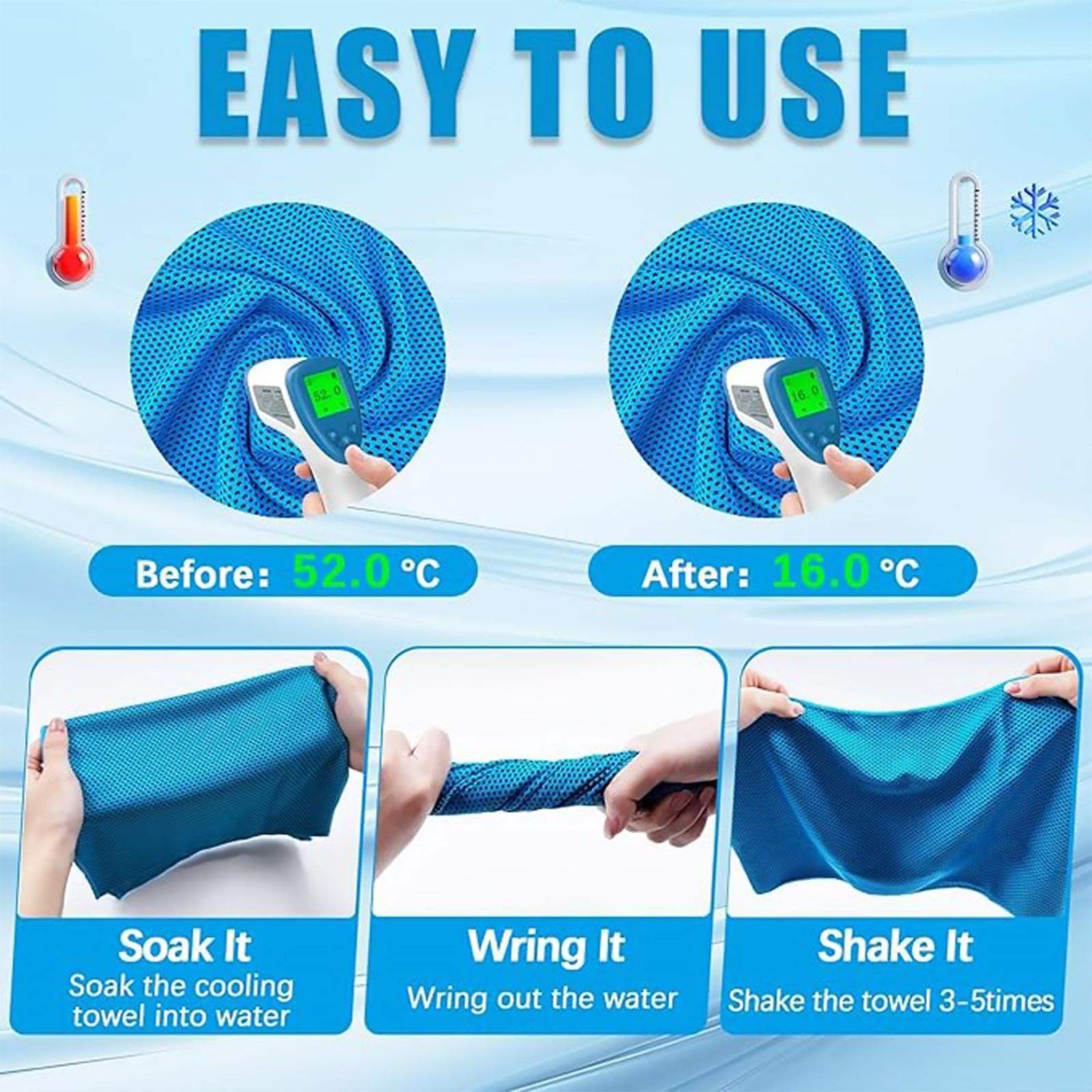
First-time users skip the activation or rush through it. That’s why half of “not cold enough” complaints happen. The three-step method works across all brands. Timing and technique matter.
The Universal Activation Method
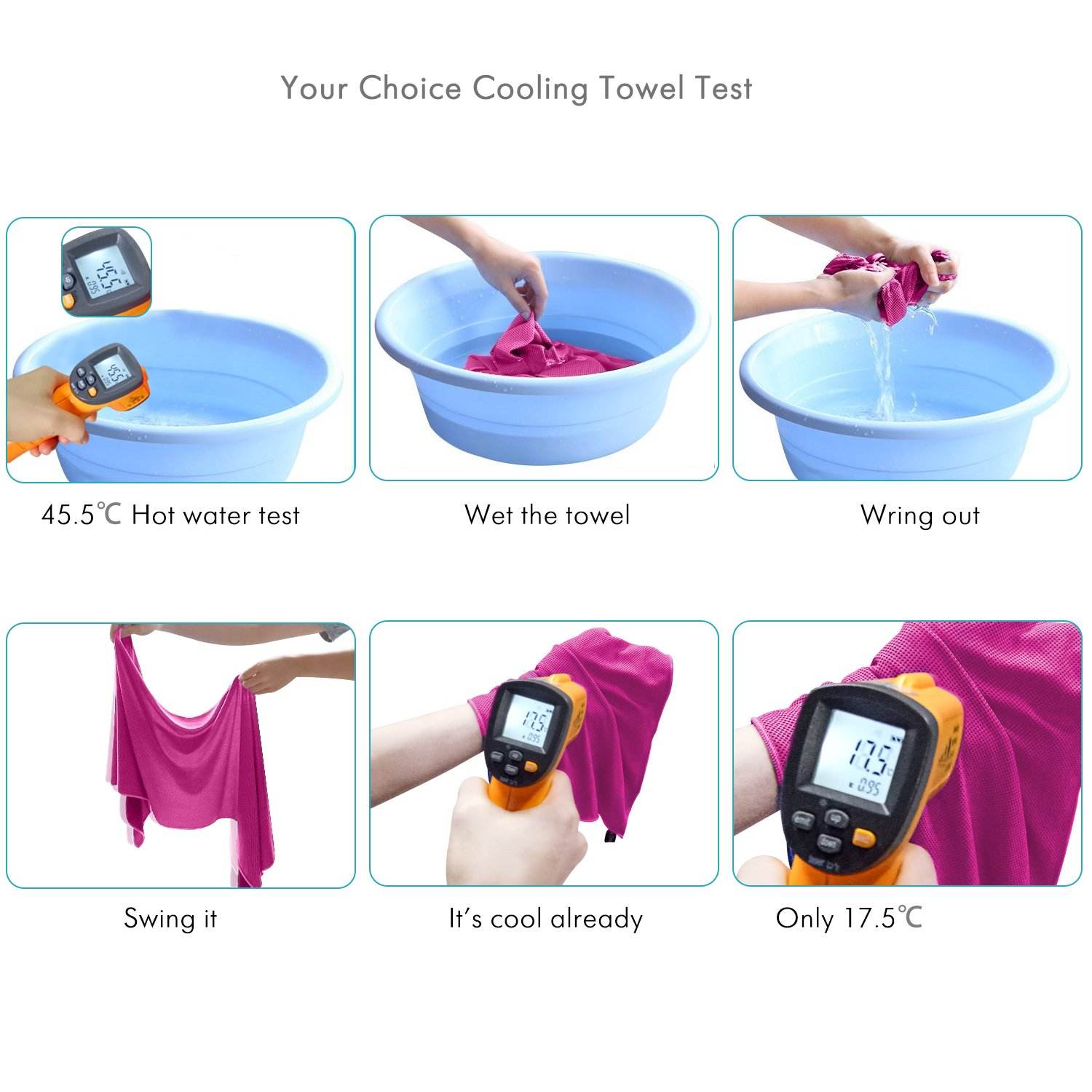
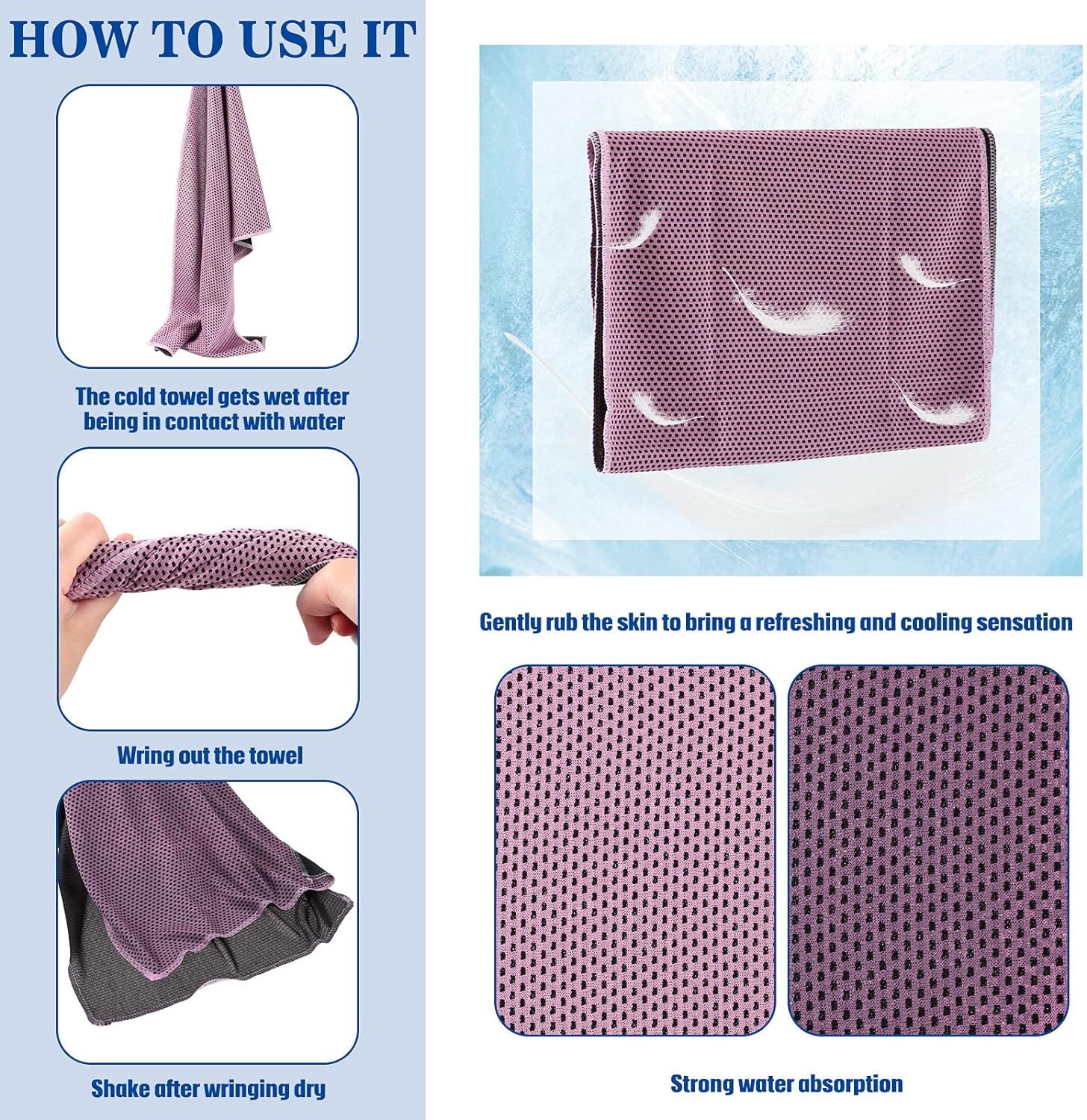
Step 1: Soak fully (1-2 minutes)
Submerge your workout cooling towel in clean water. Tap water works fine. Cold water (59-68°F) speeds up the initial cooling sensation.
Wait until the fabric feels heavy and saturated. PVA towels need the full 1-2 minutes. Microfiber cooling fabric absorbs faster, around 60 seconds.
Don’t rush this. Partial soaking leaves dry spots. Those spots won’t cool.
Step 2: Wring out excess water
Squeeze until water stops dripping. You want damp, not soaking wet.
Too much water? The towel feels heavy. It drips down your back. Too little? Evaporation stops fast. Cooling fades within minutes.
The right dampness: Press the towel against your palm. You should feel moisture. No water should pool.
Step 3: Snap or shake (3-5 times)
Hold both ends of your sports cooling towel. Snap it through the air. Or wave it back and forth.
This spreads moisture across the fabric. It also starts airflow over the surface. Evaporation begins right away.
Count 30 seconds from first snap to full cooling effect. Mission tests showed towels dropped from 128°F to 64°F against 88°F skin in this timeframe.
Activation Results You Should Feel
Place the activated cold towel for neck on your skin. You’ll notice temperature drop within seconds.
Good activation delivers 2-3 hours of cooling for microfiber types. PVA materials like Ergodyne Chill-Its last up to 4 hours. They hold more water.
The towel should feel cooler than ambient air. Not just wet—cold. If it doesn’t, repeat the snap step. Use more force.
Brand-Specific Shortcuts
Cordova Cold Snap skips soaking. Just snap and shake. The pre-treated fabric activates from ambient moisture.
AlphaCool users can refrigerate the damp towel in a sealed bag. This extends the initial cold sensation by 30-45 minutes.
Mission EnduraCool benefits from an extra wring-snap cycle. Their special core spreads moisture better. Repeat activation helps.
Most reusable cooling towels follow the same pattern. Check your product’s tag. It saves trial and error.
How to Use Cooling Towels for Maximum Effect
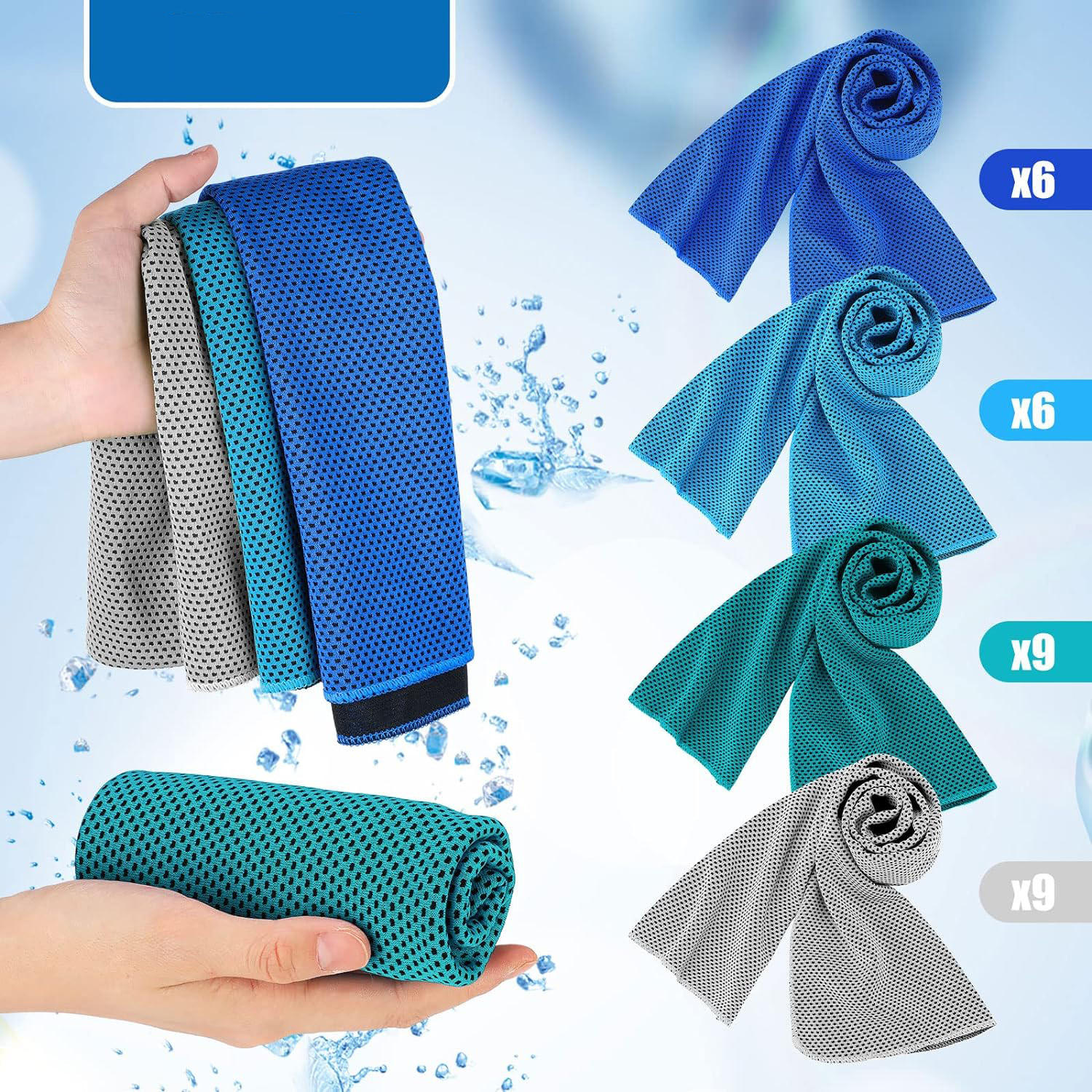
Activation is just the start. Where you place the towel matters. How often you refresh it matters. What you pair it with determines real cooling power.
Studies measured cooling rates across different methods. The data shows clear winners. Some methods drop core temperature 0.160°C per minute. Others show little effect.
Strategic Placement: Target High-Impact Zones
Forearms deliver concentrated cooling. This area covers 11-13% of your body surface. Blood vessels run close to the skin here. Wrap your workout cooling towel around both forearms during breaks.
The cooling rate is 8-10 times lower than full-body immersion. But you can use forearm application anywhere. No need to change clothes or find privacy.
Using multiple sites boosts the effect. Drape a cold towel for neck while placing a second on your wrists. Add a third across your forehead during intense heat.
Tests on cyclists riding at 75-85% max heart rate proved this works. Triple placement improved how cool people felt (p<0.001). Subjects reported feeling cooler. Performance gains were small in controlled temps. But the comfort boost helps you keep going.
Torso and limbs together hit the sweet spot. Emergency heat treatment uses this combo. You get 0.110°C per minute cooling in real high-heat cases. Coverage time: just 9 minutes to drop temperature.
The 3-Minute Rotation Protocol
Static towels warm up fast. Your body heat moves into the fabric. Cooling stops once temps match up.
Rotate to fresh towels every 3 minutes. Keep two or three reusable cooling towels in rotation. Soak the next one in ice water (1-3°C) while wearing the current.
Post-exercise studies tested this method. People with 40°C core temps in 30% humidity showed consistent results. Core temperature dropped 0.02°C per minute over 30 minutes. Small drops add up to 2-4°F sustained reduction.
For heat stroke emergencies, rotation every 3 minutes keeps >0.15°C/min cooling rates. This marks the line between methods that work and those that don’t.
Boost Results with Airflow
A gym cooling accessory alone can’t force water to evaporate without air movement. Pair your wet cooling towel with a portable fan.
This combo attacks heat two ways. The towel holds the moisture. The fan drives evaporation across the surface.
Skin temperature drops faster. You feel cooler compared to using just a towel. Field workers in direct sun say the difference feels huge.
Position the fan to blow across your neck and shoulders. Let it sweep over your instant cooling relief towel. Even a small desk fan works.
How to Reactivate When Cooling Effect Fades
Your sports cooling towel goes from icy cold to lukewarm mid-workout. The fabric feels warm against your skin. Evaporation stops.
Every reusable cooling towel does this. The water runs dry. Body heat saturates the fabric. Cooling fades in 15-45 minutes based on conditions.
The fix takes seconds. No need to start over.
Quick Reactivation: The 30-Second Method
Re-wet the fabric. Hold your workout cooling towel under running water for 10-15 seconds. Squeeze out excess moisture. The towel should feel damp but not dripping.
Skip the full soak. You’re adding water back to fabric that’s already activated. Full saturation wastes time.
Snap hard 5-7 times. Wave the towel through the air with force. This spreads moisture and starts evaporation again.
Cold sensation returns in 20-30 seconds. You get another 45-90 minutes of cooling from microfiber types. PVA materials give you 2-3 hours after reactivation.
Ice Water Boost for Extended Sessions
Standard reactivation works for most cases. Intense heat or long outdoor work needs more.
Keep a cooler with ice water (35-40°F) nearby. Dunk your heat relief towel in for 30 seconds. Cold water drops fabric temperature faster than tap water.
Wring hard. You want maximum water without drips. Shake hard 7-10 times.
The cold shock lasts longer. Users get an extra 15-20 minutes of cooling versus room-temperature reactivation.
Athletes cycling at high intensity tested this. Ice water reactivation kept skin temperature 2-3°F lower than tap water refresh. This gap matters during peak effort.
Multiple Towel Rotation System
One gym cooling accessory limits your cooling time. Reactivation breaks stop your momentum.
Use two or three towels in rotation. Wear one while the others sit in ice water. Swap every 20-30 minutes before cooling fades.
This gives you continuous instant cooling relief. No warm-up periods. No waiting for reactivation.
Construction workers in 95°F+ conditions use this approach. They keep backup towels in insulated coolers. Fresh towels stay ready through 8-hour shifts.
The method costs more upfront. But steady cooling beats stopping to re-wet a single towel over and over.
Signs Your Towel Needs Immediate Refresh
Temperature matches your skin. Press the wet cooling towel against your inner wrist. Feel no temperature difference? Reactivate now.
Fabric feels dry to touch. Run your fingers across the surface. Dry spots mean water has evaporated. Those areas stopped cooling.
Cooling duration drops below 30 minutes. Track how long your towel stays cold. Shorter cycles mean the fabric needs full cleaning. Or the environment is too tough for standard reactivation.
High humidity slows evaporation fast. Humidity above 70% cuts cooling time in half. You’ll reactivate every 15-20 minutes instead of every hour.
Boost airflow in these conditions. Position yourself near fans or in moving air. Pair with ice water reactivation for best results.
Best Use Cases: Where Your Cooling Towel Works Best
Your cooling towel works in dozens of scenarios. Some situations bring out its best performance. The right timing and placement turn a simple cooling aid into a tool that boosts your performance.
High-Intensity Workouts and Athletic Training
Athletes in tough sessions get real benefits. The workout cooling towel works best during recovery periods between sets or intervals.
Post-exercise heat response: Your core temperature spikes after hard training. Rotate ice-cold towels (35-39°F water) on your forearms every 3 minutes. This delivers steady cooling. Studies tracked 0.02°C per minute temperature drops over 30 minutes.
This targets 11-13% of your body surface area through the forearms. The method works in standard gym conditions—104°F core temp in 30% humidity. Athletes stayed cooler without full ice baths.
Multi-point use during training: Cyclists tested this during 45-minute sessions at 75-85% max heart rate. Towels on head, neck, and wrists together improved thermal comfort (p<0.001). Performance distance stayed similar. But perceived effort dropped 15 minutes after use.
Dehydrated female athletes felt cooler and more comfortable. This mental boost kept them training longer at target intensity.
Extreme heat competition: Field data from hot-weather sports events shows 15% higher performance versus athletes without cooling aids. Core temperature drops 2-4°F sustained. Endurance improves. Reaction time gets faster. Decision-making sharpens.
Medical incidents drop. Heat exhaustion cases that might turn into heat stroke get stopped early. The sports cooling towel worn during breaks between plays or heats makes the difference.
Outdoor Work in Hot Environments
Construction workers, landscapers, and field technicians face long heat exposure. A heat relief towel becomes critical safety gear.
Emergency field cooling for heat stroke: Remote job sites can’t reach ice baths fast. Wrap ice towels around the torso and limbs. Cooling rate hits 0.110°C per minute—this works for treating high body heat.
One worker can do this in seconds. The method works for multiple victims. Transportable coolers with ice water keep towels ready. This approach has prevented serious outcomes in real cases.
All-shift cooling: Body cooling garments reduce physical strain during hot work tests. The reusable cooling towel offers a cheaper option. Workers report less fatigue and better focus through 8-hour shifts in 95°F+ conditions.
Gym and Fitness Center Use
Your gym cooling accessory fits well in interval training. Drape it around your neck between circuit rounds. Place it on your head during water breaks.
The microfiber cooling fabric stays lightweight even soaked. It won’t slip during movement. Gyms usually have 40-60% humidity and controlled temperatures. This gives you 2-3 hours of cooling per use.
Better results with airflow: Stand near air conditioning vents or fans. A wet cooling towel plus moving air creates better evaporation. Skin temperature drops faster than towel alone.
Users say the paired approach feels much better than either method by itself. The fan pulls moisture away from the fabric surface. Fresh, dry air keeps evaporation going.
Outdoor Recreation and Travel
Hikers, runners, and outdoor fans need portable cooling. The instant cooling relief comes without extra weight. One small towel in your pack handles hours of heat exposure.
Trail running and hiking: Stop at water sources to wet your towel again. Natural airflow from movement drives ongoing evaporation. The cold towel for neck placement keeps blood flowing to your brain cooler.
Beach and poolside: Keep your towel in a cooler with ice packs. Fresh towel swaps every 30 minutes maintain comfort in direct sun. The towel dries slower in humid coastal air. Ice water reactivation becomes critical.
Mass participation events: Marathons and outdoor festivals benefit from >0.15°C/min cooling rates through full-body rotated ice towels. Race organizers set up cooling stations with ice water. Runners grab fresh towels at mile markers.
This rate marks good heat management for crowds. Medical tents see fewer heat-related problems at events with cooling stations.
Troubleshooting: Why Your Cooling Towel Isn’t Working
Your towel feels warm against your skin. The cooling stopped after 10 minutes. You followed the activation steps. Something went wrong.
Most cooling failures come from five fixable problems. Let’s find and fix each one.
Problem 1: High Humidity Blocks Evaporation
Evaporative cooling fails once air can’t absorb more moisture. Humidity above 70% slows water evaporation to a crawl.
Your wet cooling towel feels clammy instead of cold. The fabric stays soaked but never cools down. Water sits on the surface. It won’t turn to vapor.
The fix: Re-wet every 1-2 hours in high humidity. Use ice water (35-40°F) instead of tap water. The cold liquid drops fabric temperature fast. This makes up for slow evaporation.
Infrared tests showed all towel types cool to within 1-2°F of each other in low-moderate humidity. Performance levels out once evaporation works right. But humid conditions expose design flaws fast.
Problem 2: No Airflow Traps Heat and Moisture
A reusable cooling towel sitting still against your neck creates a microclimate. Your body heat warms the trapped air. Moisture can’t escape.
Lab data proved this backfires. Some cooling towels recorded skin temperatures warmer than regular towels in still-air tests. The thick, rigid materials acted as insulation. They didn’t cool at all.
The fix: Create airflow across the towel surface. Walk, move, or position yourself near fans. Even gentle air circulation drives evaporation. Car vents work during commutes. Desk fans help at work.
Wave your sports cooling towel through the air every few minutes. This refreshes the air around it. Fresh, dry air pulls moisture away faster.
Problem 3: Incomplete Activation from the Start
Weak soaking kills performance before you start. Dry spots inside the fabric never activate. Those areas warm up within minutes.
The fix: Submerge the entire towel for 1-2 minutes. Make sure every section feels heavy and saturated. Squeeze out excess water until it stops dripping. Then snap hard 5-7 times through the air.
The snap step matters more than people think. It spreads moisture across the microfiber cooling fabric. Surface water gets distributed to dry fibers inside. This gives you the longest cooling window.
Problem 4: Poor Fit Creates Air Gaps
Rigid PVA towels like Frogg Toggs ($9) and Chill-Its ($12) don’t curve around your neck. They stand away from skin. Humid air gets trapped in the gaps.
Tests after 30-minute runs showed microfiber and bamboo blends produced cooler skin temperatures. We checked 15 minutes post-run. The flexible materials made full contact. Heat transfer worked better.
The fix: Choose softer materials for neck and forehead use. Save rigid PVA types for flat surfaces like forearms. Or fold stiff towels to improve contact with curved areas.
Drape rather than wrap. Let the cold towel for neck hang across your shoulders. This creates surface contact. Air still flows underneath.
Problem 5: Dirty Fabric Reduces Efficiency
Sweat, oils, and bacteria build up in your workout cooling towel. This buildup blocks water absorption. Mildew smells mean serious bacterial growth.
Dirty towels absorb less water. They dry faster. Cooling time drops from 2-3 hours to under 30 minutes.
The fix: Clean after every use. Hand wash in warm water with mild detergent. Air dry all the way. Machine washing works too—use gentle cycle with cold water.
For mildew: Soak in 1 tablespoon bleach per gallon warm water for 1 hour. Then wash as usual. This kills bacteria and removes odors. The towel regains full absorption power.
Quick Diagnostic Checklist
Towel warms up in under 30 minutes? Check humidity levels and airflow. Add ice water reactivation.
Never felt cold from the start? Repeat full activation. Soak longer. Wring to proper dampness. Snap harder.
Cooling time keeps getting shorter? Deep clean the fabric. Clear the buildup blocking absorption.
Rigid towel feels uncomfortable? Switch to flexible microfiber cooling fabric. Or change how you position the current towel.
Your cooling relief depends on matching the right method to your environment. Hot, dry climates deliver 2-5 hours of cooling per activation. Humid conditions need ice water and frequent re-wetting every 1-2 hours. Active movement with good airflow beats sitting still every time.
Cleaning and Care: Extend Your Cooling Towel’s Lifespan
High-grade PVA cooling towels can survive 80-120 cycles under ideal conditions. Most users get 15-25 cycles before performance drops. The difference? How you wash and store them.
A 2023 TPI study tracked 12 towels through 100 wash cycles. The results show where maintenance goes wrong—and how to fix it.
The Critical First 10 Washes
Your reusable cooling towel performs best during cycles 1-3. Temperature drops hit 12.4-13.1°C. Cooling lasts 28-32 minutes. Users rate effectiveness at 94%.
Then decline starts. The steepest drop happens between cycles 15-40. Poor washing habits speed this up.
Towels washed with pH-neutral soap and distilled water kept >85% capillary density after 10 washes. Switch to tap water (pH 7.8-8.4) plus standard detergent? Density drops to 33% by wash #5.
Those tiny channels carry and spread water. Lose them, and your microfiber cooling fabric stops cooling well.
The 6-Step Deep Clean Protocol
Step 1: Rinse right after use (2 minutes)
Run your workout cooling towel under cold tap water. Remove all sweat, oils, sunscreen, and dirt. Don’t wait until laundry day. Salts and minerals turn solid as the fabric dries. These deposits block water uptake.
Step 2: Pre-soak in vinegar solution (10 minutes)
Mix 1 part distilled white vinegar to 10 parts water. Submerge the towel all the way. This breaks down mineral buildup and balances out alkaline residue from sweat.
Skip this step and you’ll notice reduced cooling by wash #4. The fabric feels a bit stiff. Water takes longer to drip off during the wring test.
Step 3: Wash in cold water with pH-neutral detergent
Use fragrance-free liquid detergent made for technical fabrics. Check the label—pH should be around 6.8-7.2.
Skip bleach. Alkaline formulas cause PVA breakdown. This destroys the polymer chains in your sports cooling towel. Hot water does the same thing.
Hand washing works best. Machine washing on gentle/delicate cycle is acceptable if you use a mesh laundry bag.
Step 4: Air dry in shade
Hang your heat relief towel in a garage or covered porch. Direct sunlight breaks down PVA and microfiber over time. High heat from dryers ruins the fabric structure.
Full drying takes 4-6 hours depending on humidity. The towel should feel dry to touch before storage. Damp storage creates mildew in 24-48 hours.
Step 5: Store folded in breathable bags
Fold your gym cooling accessory—don’t roll it. Rolling creates lasting creases that reduce surface contact with skin.
Use mesh or cotton storage bags. Plastic containers and airtight bags trap moisture. Bacteria and mold grow in these conditions even if the towel felt dry.
Step 6: Rotate multiple towels during heavy use
Keep 2-3 towels in rotation if you use them each day. This gives each towel 48-72 hours of rest between uses. The fabric fibers recover. Moisture dries out. Lifespan extends by 28-41 cycles compared to using a single towel each day.
Special Care for Salt Water and Chlorine Exposure
Beach trips and pool sessions cut towel lifespan by 30-40%. Salt and chlorine attack the fabric structure hard.
Right-after rinse protocol: Run fresh water over the towel for 5 minutes after exposure. Get all salt or chlorine out before it dries.
After-exposure deep clean: Soak in vinegar solution (1:10 ratio) for 15 minutes instead of the standard 10. Then wash as normal.
One user tested this in 18 months of Phoenix use. Temperatures hit 42°C (107°F) often. Dust, sweat, and sunscreen covered the towel all the time.
The protocol? Vinegar pre-soak before every wash. pH 6.8 fragrance-free detergent in cold water. Air-dry in garage with no sun exposure. Store folded in breathable cotton bags.
Result: The wet cooling towel stayed effective through Phoenix summers. Performance held steady past expected lifespan.
Real-World Lifespan Benchmarks
Peak performance window: 6-12 months with proper maintenance. You’ll get 40-60+ cycles from careful care. Standard washing gives you 12-32 cycles before clear decline.
Phase-change gel towels (like ChillPal Cool Neck Wrap) last 50-70 cycles. But hand-wash requirements make them less practical for each-day use.
High-end evaporative models (Mission Cooling Towel Max) survive 50+ uses with machine washing on gentle cycle. They cost more upfront. The durability pays off.
Warning Signs Your Towel Needs Replacement
Cooling effect drops below 30 minutes: Your instant cooling relief used to last 2-3 hours. Now it fades in under 30 minutes even after proper activation. The fabric lost too much water-carrying capacity.
Fabric feels stiff when dry: Run your fingers across the surface. Healthy towels feel soft and flexible. Hardness means mineral buildup or PVA breakdown.
Water drips faster during wringing: Absorption capacity dropped. The towel can’t hold enough water to sustain cooling action.
Visible thinning or fraying: Physical breakdown started. The fabric won’t recover. Time for replacement.
Lasting mildew smell after washing: Deep bacterial growth in the fibers. Even bleach won’t clear it all. The towel became a hygiene risk.
Quick Maintenance Checklist
-
✓ Rinse after every use
-
✓ Vinegar pre-soak before washing
-
✓ Cold water + pH-neutral detergent
-
✓ Air dry in shade, never machine dry
-
✓ Store dry in breathable bags
-
✓ Rotate 2-3 towels during heavy use
-
✓ Extra rinse for salt/chlorine exposure
-
✓ Replace at first signs of performance loss
Follow this protocol. Your cold towel for neck will deliver reliable cooling through 40-60+ sessions. That’s 28-41 more cycles than typical use. The difference between a 3-month throwaway item and a 12-month reliable tool.
Correct vs Incorrect Use: Common Mistakes to Avoid
Most cooling towel failures trace back to user error, not product defects. These mistakes cut cooling time by 50-70% and damage the fabric faster than normal wear.
Mistake #1: Skipping the Wring Step
Incorrect: Soak the wet cooling towel and drape it straight onto your neck without wringing.
Why it fails: Excess water drips down your back and clothes. The fabric stays heavy and uncomfortable. Pooled water blocks airflow across the surface. Evaporation slows to a crawl. You get 15-20 minutes of weak cooling instead of 2-3 hours.
Correct: Squeeze hard until water stops dripping. The towel should feel damp but not soaking. Test by pressing against your palm. You’ll feel moisture without seeing puddles. This keeps the water inside the microfiber cooling fabric. The surface area stays open for evaporation.
Mistake #2: Using Hot or Warm Water for Activation
Incorrect: Activate your sports cooling towel under warm tap water because cold water isn’t available.
Why it fails: Warm water (70°F+) starts at skin temperature or higher. Evaporation pulls heat from your skin to turn water into vapor. The water temperature matches body heat. You lose that initial temperature gap. Cooling takes longer to kick in and feels weaker overall.
Correct: Always use cold water (59-68°F) for activation. Ice water (35-40°F) works even better for immediate relief. The cold liquid drops fabric temperature fast. Your instant cooling relief starts the moment the towel touches skin, not 5 minutes later.
Mistake #3: Leaving the Towel Static Without Movement
Incorrect: Wrap the cold towel for neck around your shoulders and sit still in a chair or lie down.
Why it fails: Still air creates a humid layer around the fabric. Your body heat warms the trapped moisture. No fresh air reaches the towel surface. Evaporation stops. Lab tests showed some towels insulated heat in zero-airflow conditions. This made skin warmer than before.
Correct: Create airflow across the towel. Walk around, stand near fans, or position yourself under air conditioning vents. Even gentle air movement drives steady evaporation. Wave the towel through the air every 10-15 minutes. This refreshes the air layer touching it.
Mistake #4: Storing While Still Damp
Incorrect: Toss your used workout cooling towel into a gym bag or sealed container while it’s still wet.
Why it fails: Trapped moisture breeds bacteria within 24-48 hours. Mildew smell develops fast. Bacteria block the fabric’s water-absorbing channels. Your next use delivers 30-50% less cooling time. The towel becomes a hygiene risk.
Correct: Air dry before storage. Hang in open air for 4-6 hours until bone dry. Store in breathable mesh or cotton bags—never sealed plastic. If you must pack damp, air it out within 2-3 hours maximum.
Mistake #5: Washing with Regular Hot-Water Laundry
Incorrect: Throw your reusable cooling towel in with normal clothes on a hot wash cycle with standard detergent and fabric softener.
Why it fails: Hot water (>85°F) breaks down PVA polymers and microfiber structure. Strong detergents (pH 8.5+) destroy the fabric’s tiny channels. Fabric softener coats fibers and blocks water absorption. One hot wash can reduce cooling capacity by 25-40%.
Correct: Wash in cold water with pH-neutral, fragrance-free detergent designed for technical fabrics. Skip the fabric softener. Air dry in shade—never use machine dryers. This preserves the microfiber cooling fabric structure through 40-60+ cycles.
Mistake #6: Ignoring Reactivation Until It Gets Warm
Incorrect: Keep wearing your heat relief towel for 60-90 minutes without reactivation, waiting until it feels warm against your skin.
Why it fails: The fabric reaches skin temperature. Cooling stops. You’re carrying dead weight. The longer you wait past this point, the more your body heats the towel. Reactivation takes longer because you’re cooling heated fabric, not just adding moisture.
Correct: Reactivate every 30-45 minutes before cooling fades. Watch for the first signs: cooling sensation weakens, fabric feels less cold to touch. Quick re-wet at this stage takes 30 seconds and restores full performance right away.
Mistake #7: Using One Towel for All-Day Events
Incorrect: Use a single gym cooling accessory for an 8-hour outdoor work shift or full-day event, reactivating it over and over.
Why it fails: Constant use without rest hurts performance throughout the day. The fabric picks up body heat, sweat, and oils. Each reactivation works less well than the last. By hour 4-5, cooling time drops to 15-20 minutes per activation.
Correct: Rotate 2-3 towels throughout the day. While wearing one, keep backup towels soaking in ice water. Swap every 60-90 minutes to fresh towels. This gives each towel recovery time and keeps cooling performance steady for 8+ hours.
Conclusion
Using a cooling towel is simple—wet it, wring it out, and snap it. This activates instant cooling that lasts for hours. The real difference comes from proper reactivation, placing it on pulse points, and caring for your reusable cooling towel so it performs like new for years.
You’re pushing through a tough workout? Working outside in the heat? Or dealing with summer commutes? Your cooling towel is a performance tool, not just an accessory. Here’s the thing: “this doesn’t work” versus “this is amazing” comes down to small details. Use cold water, not room temperature. Wring out extra moisture. Give it that snap to activate the fibers.
You’ve got these techniques now. Time to use them. Grab your cooling towel and follow these steps. The science-backed cooling technology does its job. Your body will feel the difference. So will your performance.
Ready to upgrade your heat relief? Check out our complete range of premium microfiber cooling towels. We’ve designed them for every activity and lifestyle.