
Finding the right cooling towel manufacturer feels like a minefield for most buyers. Quality concerns pile up fast. Minimum order quantities need careful review. Certification requirements add more complexity. Plus, there’s that constant worry—will you sink thousands into a partnership that delivers poor products or misses deadlines?
Maybe you’re launching a private label sports brand. Or sourcing bulk cooling towel orders for retail. Or you just need a reliable OEM partner who gets evaporative cooling fabric technology. The stakes are high. The information? Scattered everywhere.
This guide gives you a practical framework for evaluating manufacturers. You’ll learn how to decode quality standards. You’ll understand production capabilities. You’ll discover the due diligence questions that separate professional suppliers from problematic ones.
Walk away with a clear roadmap. Find a manufacturing partner who meets your specs. Better yet, find one who strengthens your competitive position in the market.
Understanding Your Specific Manufacturing Requirements
Success in sourcing starts with honesty about what you need. Skip this step? You’ll waste months chasing manufacturers who can’t deliver. Or worse, you’ll commit to a partner who can’t meet your product specs.
Volume determines everything. Planning to order 500 units for market testing? Your manufacturer options differ from someone ordering 50,000 units each quarter. Small-batch specialists handle 100-1,000 units. They charge more per unit but offer flexible customization. Large-scale producers require 5,000+ unit minimums. They deliver lower costs per unit. Match your volume projections to manufacturers who work in your range. Misalignment creates friction from day one.
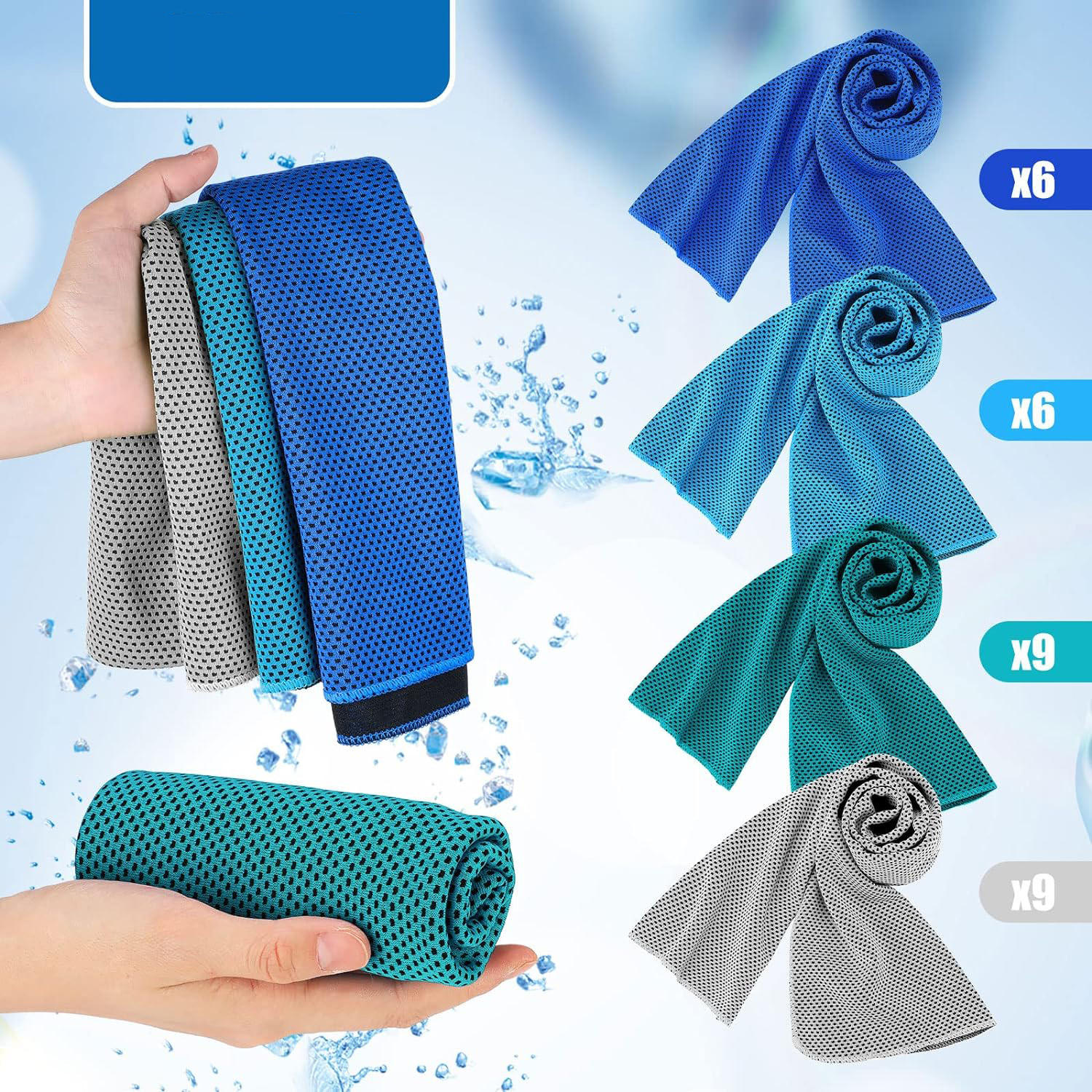
Material specifications matter. Microfiber cooling towel production uses different equipment than PVA cooling towel manufacturing. Each fabric type needs specific machinery. Microfiber polyester, bamboo blends, PVA synthetic chamois—all require different quality control and technical know-how. List your exact material requirements before contacting suppliers. A manufacturer who specializes in evaporative cooling fabric might not have experience with ice-pack pocket integrations. They may lack expertise in chemical-free cooling technologies.
Customization level shapes your search. Simple logo embroidery on standard products? Most manufacturers handle this. Complex private label cooling towels with custom sizes, unique fabric blends, and special packaging? You need an OEM cooling towel service with design capabilities and R&D support. Document your customization needs:
-
Branding: Screen printing, embroidery, woven labels, custom hangtags
-
Specifications: Non-standard dimensions, fabric weight variations, color matching requirements
-
Packaging: Retail-ready packaging, custom tubes, green materials, multi-pack configurations
-
Testing: Cooling duration verification, antibacterial validation, colorfastness standards
Certification requirements vary by market. Selling in European markets? Your manufacturer needs OEKO-TEX Standard 100 certification for textile safety. Targeting U.S. retail chains? CPSIA compliance for general product safety is mandatory. Export-focused businesses face different cooling towel certification demands than domestic operations. Match manufacturer certifications to your distribution channels from the start.
Create a written requirements document before approaching suppliers. Vague inquiries get vague responses. Specific requirements attract serious manufacturers who can meet your needs.
Essential Certifications and Compliance Standards for Cooling Towel Manufacturers
Certifications aren’t just paperwork. They protect you from product recalls, legal troubles, and brand damage. A manufacturer without proper credentials puts your business at risk every day those products sit on shelves.
ISO 9001 is your baseline filter. This quality management certification proves a manufacturer follows clear processes for production control and improvement. It’s not flashy. But it shows they run a mature operation. Companies with ISO 9001 track defect rates. They maintain calibrated equipment. They use corrective action procedures. Without this foundation, quality becomes random chance. Ask for the certificate number. Verify it with the issuing body. Fake certificates circulate more than you’d think.
OEKO-TEX® Standard 100 protects your customers’ skin. This certification matters for any textile touching human skin. That includes every cooling towel you’ll sell. The testing covers 35,000+ certified companies worldwide. It screens for harmful substances based on REACH regulations, CPSIA requirements, and ECHA-SVHC lists. Product Class 2 applies to cooling towels (direct skin contact items). The certification process includes application, sample checks, lab testing, and on-site factory visits. Valid certificates last one year. Then they need renewal. Check the OEKO-TEX QR code or use their Label Check tool online. Counterfeit labels exist. Ten seconds of checking prevents months of headaches.
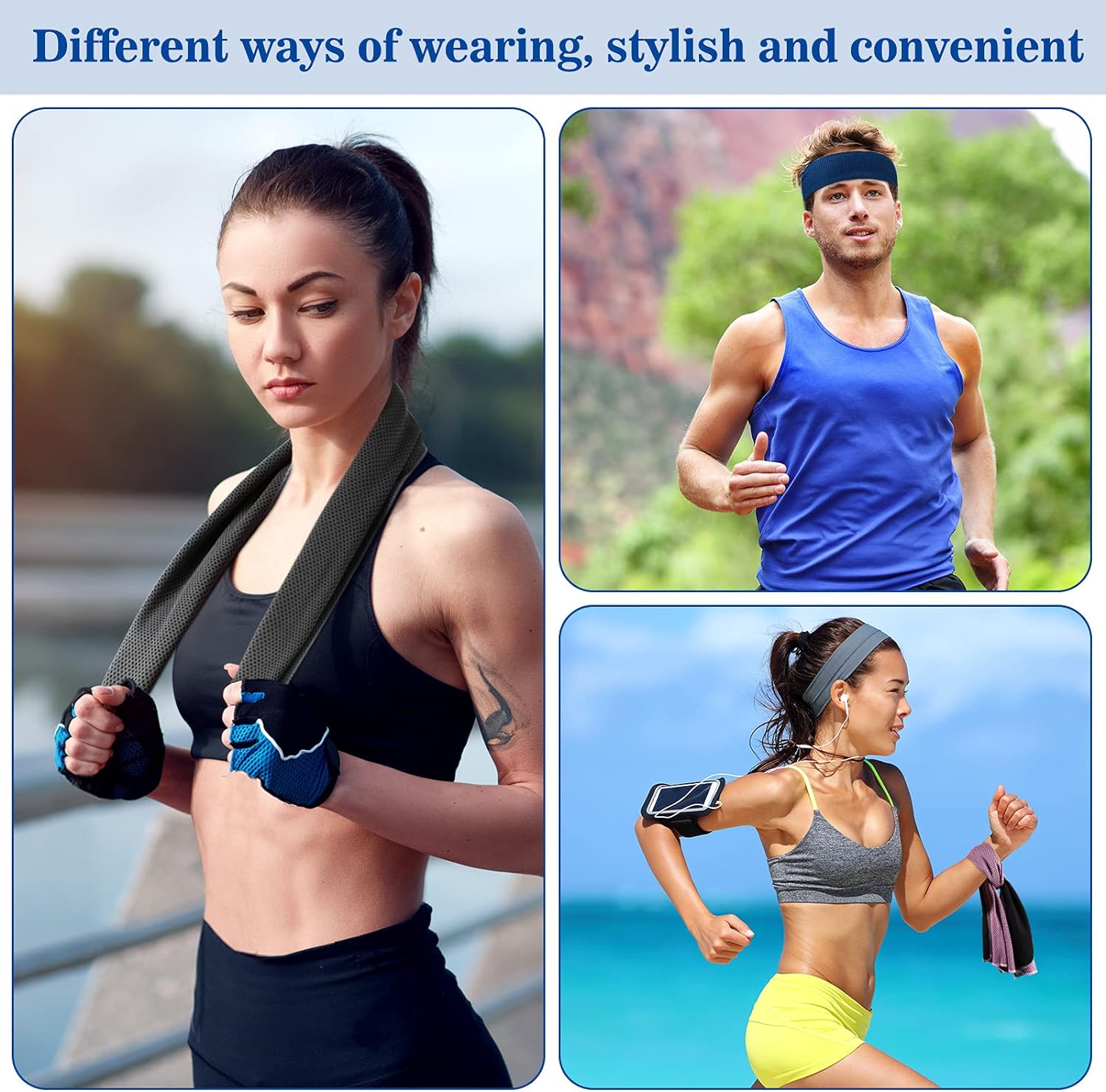
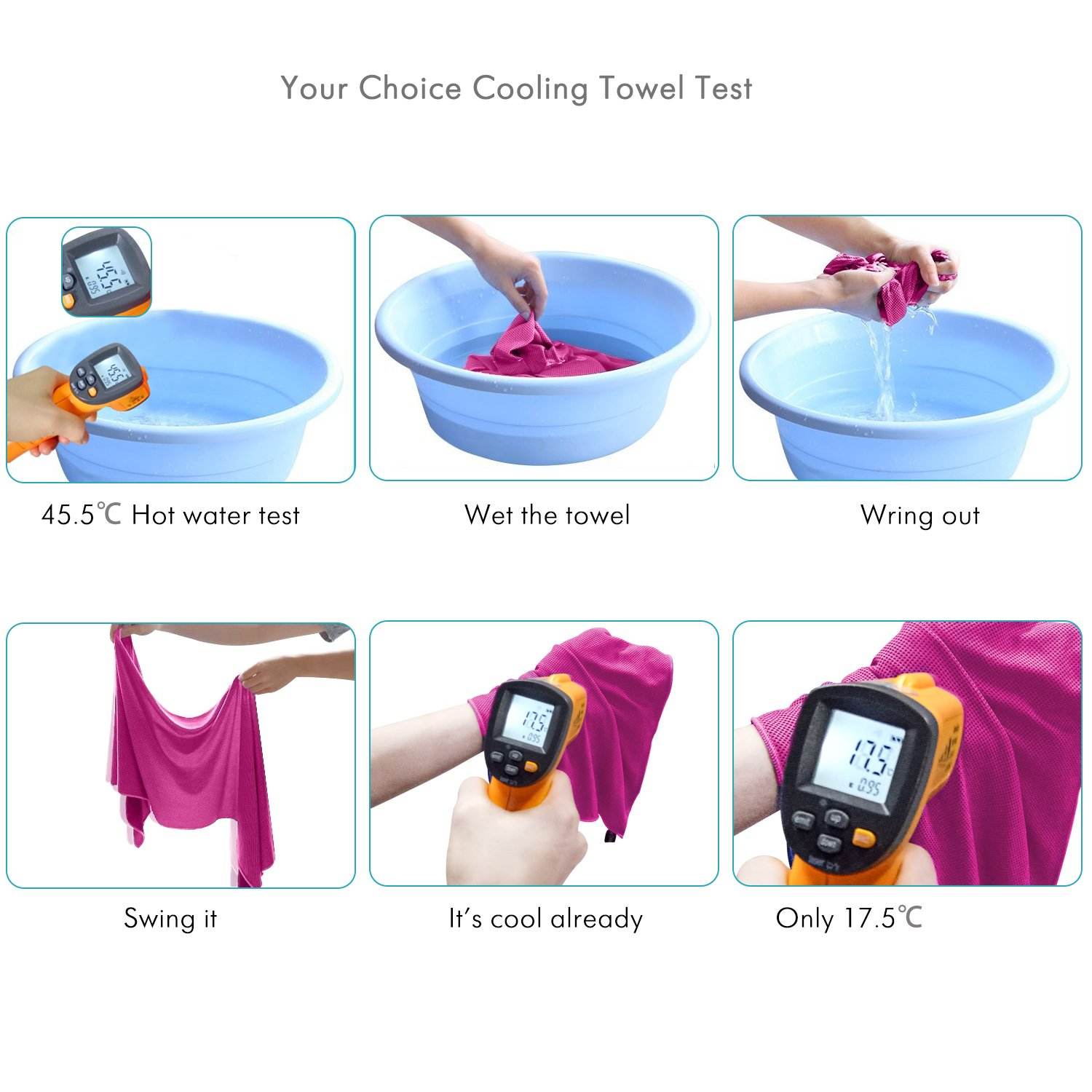
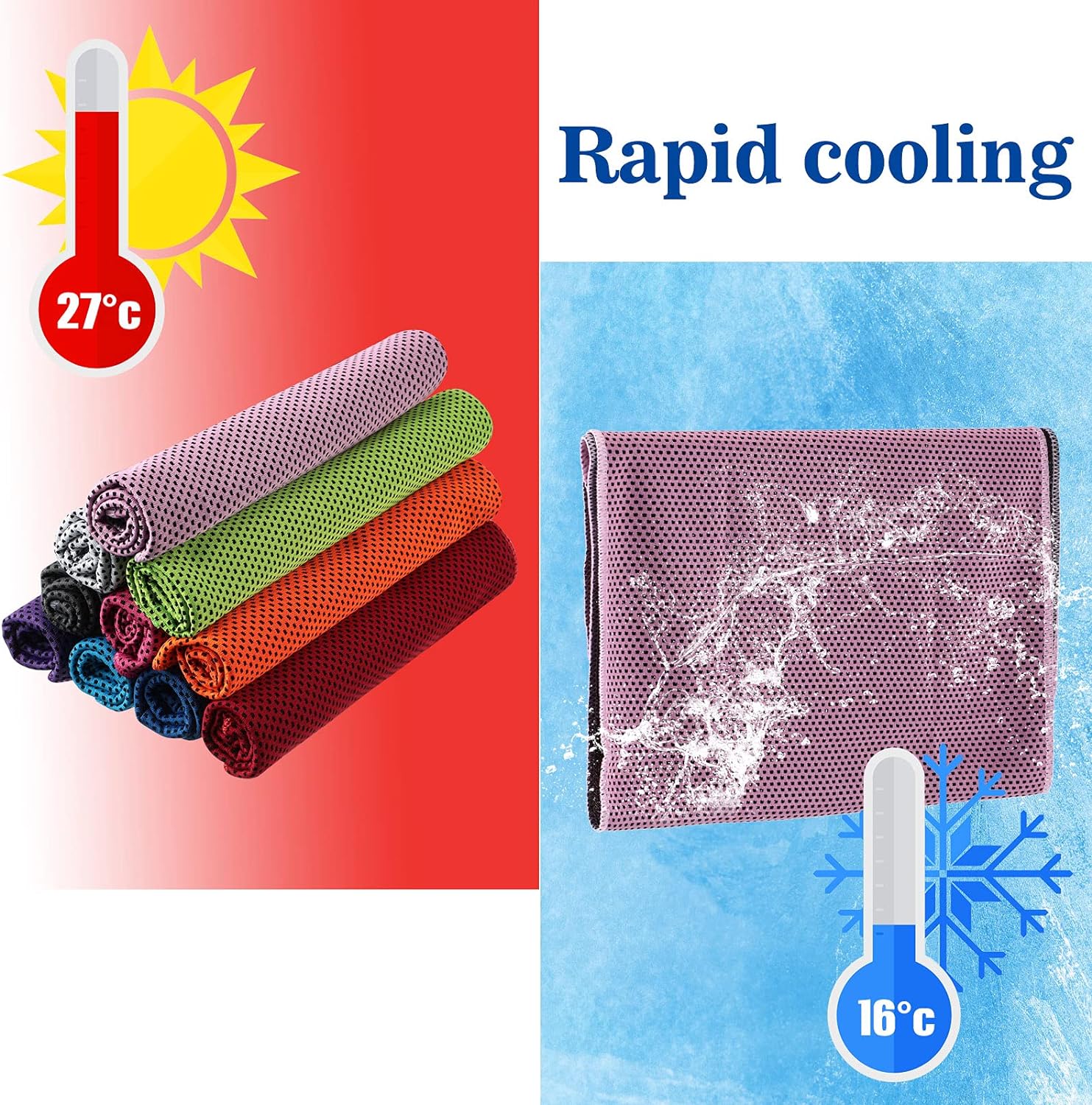
Third-party testing reports validate performance claims. SGS and Intertek reports document actual cooling performance. Look for specific data points: temperature drop achieved within 5–10 minutes, cooling duration (usually 2–4 hours after activation), and wash durability results. Premium manufacturers test absorption speed (full saturation within seconds). They test colorfastness after 50+ machine wash cycles. Reports should include skin safety checks—hypoallergenic properties and irritant-free confirmation.
Regional compliance depends on your target markets. Selling in Europe? Your manufacturer needs REACH compliance for chemical regulations in textiles. Targeting U.S. retail? CPSIA (Consumer Product Safety Improvement Act) becomes mandatory. RoHS 3 applies if you’re marketing cooling products with electronic components. Each certification adds cost. But each one opens market access and reduces liability exposure.
Sustainability certifications build competitive advantage. GRS (Global Recycled Standard) certification proves recycled content claims. Example: IDFL certificate 23-498783 documents verified recycled materials in microfiber cooling towels. BSCI (Business Social Compliance Initiative) audits confirm ethical manufacturing practices. These certifications cost manufacturers money and effort. They signal serious business investment rather than fly-by-night operations.
Documentation proves claims. Professional manufacturers keep both Register Certificates and Audit Certificates. Request copies during initial talks. Check issue dates and expiration periods. Cross-reference certificate numbers with certification body databases. Reliable suppliers average ≥97% on-time delivery rates. Top performers show reorder rates exceeding 20%. Wujiang City Unique Textile Co., Ltd. posts 32% reorder rates with 5.0 ratings. This reflects consistent quality delivery.
Build your verification checklist: ISO 9001 confirmation, OEKO-TEX Standard 100 validation, third-party lab reports from recognized testing agencies, market-specific compliance documentation, and sustainability credentials if relevant to your brand. Request factory audit reports or video tours. Legitimate manufacturers welcome transparency. Evasive responses reveal problems.
Evaluating Production Capacity and Technical Capabilities

Production capacity numbers show you if a manufacturer can handle your orders month after month. Not just once. Technical capabilities show if they can maintain quality at scale. Plus, can they adapt to your specific needs?
Throughput rates reveal real production power. Ask manufacturers for their units-per-hour output on specific cooling towel types. A facility making microfiber cooling towels should show clear throughput metrics. Calculate units produced divided by time. Example: 10,000 units over 5,000 hours equals 2 units per hour. Compare this against your order volume and delivery timeline. A manufacturer producing 500 units per day can’t fill your 50,000-unit orders each quarter. Not without hurting other clients or sacrificing quality. Calculate backward from your needs. Need 15,000 units delivered in 45 days? The manufacturer needs capacity for 333+ units per day. Buffer room for defects and delays is a must.
Overall Equipment Effectiveness (OEE) separates efficient operations from struggling ones. This metric combines availability, performance, and quality into one score. Calculate it as Availability × Performance × Quality. Top-tier cooling towel manufacturers maintain OEE scores near 85-95%. Anything below 70% signals problems. Frequent breakdowns happen. Changeovers take too long. Quality control fails. Request OEE data for the specific production lines making your products. Factory-wide numbers hide problems. A manufacturer might have great OEE on standard products. But they struggle with custom private label cooling towels that need special setup.
First Pass Yield (FPY) exposes quality control strength. This simple calculation shows you how many products pass inspection without rework. Good units produced divided by total units produced. Benchmark against 92% or higher for established cooling towel production. Lower rates mean wasted materials. Deliveries slow down. Product quality at your warehouse becomes inconsistent. Ask for FPY data across recent production runs. Watch for patterns. FPY declining over time? Quality systems are getting worse. Maintenance might be lacking.
Capacity utilization rates show flexibility and trust. Calculate total capacity used divided by total available production capacity, then multiply by 100. Manufacturers running at 95-100% capacity have no buffer. Rush orders become impossible. Production problems stack up. You’ll face delays from equipment breaks or material shortages. Operations running below 60% utilization raise different concerns. Are they losing clients? Do they lack expertise? Sweet spot: 75-85% utilization. This provides efficiency. It also maintains flexibility for your growth and urgent requests.
Defect density tracks quality consistency. Divide defective units by total units produced. Industry benchmark: 3.5% defect rate or lower for quality cooling towel operations. Higher rates hit your costs hard. Returns pile up. Replacements cost money. Your brand reputation takes damage. Request defect tracking data over 6-12 months. Seasonal variations might explain spikes. Consistent high defect rates? That indicates deep problems. No amount of communication will fix them.
Production downtime metrics predict delivery trust. Track plant uptime by dividing plant run time by total available time. Calculate lost production by multiplying average production rate by total downtime hours. Manufacturers with frequent unscheduled downtime will miss your delivery dates. Breakdowns happen. Material shortages occur. Quality holds stop production. Request MTBF (Mean Time Between Failures) data for critical equipment. Ask about their maintenance approach. Do they fight fires or schedule prevention? Good operations track percentage of planned versus emergency maintenance work orders. Higher emergency ratios signal equipment problems ahead.
Cycle time measures production speed for your specific needs. This metric shows time to complete one production cycle. It impacts your order fulfillment speed. A manufacturer with 48-hour cycle time for custom sports towel orders beats competitors needing 7-10 days. Shorter cycles mean faster response to market demands. You also get lower inventory carrying costs.
Request asset utilization calculations. Actual output divided by maximum capacity, multiplied by 100. This reveals how well they deploy manufacturing assets. Low utilization with high defect rates? Poor process control. High utilization with strong quality metrics? Mature operations capable of supporting your growth.
Cooling Towel Material Types and Quality Standards Comparison

Material choice drives everything else in cooling towel manufacturing. Each fabric type delivers different performance, price points, and production needs. Know these differences. You’ll specify what you need and spot manufacturers who really know their materials.
PVA (Polyvinyl Alcohol/Acetate) dominates extended-use applications. This super-absorbent synthetic material holds water longer than any competing fabric. We’re talking hours of continuous cooling, not minutes. The trade-off? PVA stiffens when dry. It needs water again to regain flexibility. Think of it like a chamois that goes rigid between uses. Athletes love products like AlphaCool PVA and Chill-Its because that extended cooling duration matters during long outdoor shifts or endurance events. The material stays cushiony and flexible when wet. Manufacturers can add antimicrobial treatments with ease. Machine washing doesn’t hurt performance. Premium PVA towels like the CGBD03 Bandanna stay effective across hundreds of wash cycles. Production requires specific extrusion equipment and quality control for consistent polymer ratios.
Microfiber polyester-based fabrics own the comfort category. Ultra-soft texture wins with users who hate scratchy fabrics. Featherweight construction means you notice it less around your neck. The perforated side contacts skin for efficient heat transfer. Cooling duration runs shorter than PVA—1-2 hours versus PVA’s 3-4 hours. But reactivation takes seconds. Just dip in water, wring out, snap to activate evaporative cooling. No stiffening when dry gives microfiber serious advantages for products stored in gym bags or car glove compartments. Mission EnduraCool and AlphaCool Microfiber products show why this material captures serious market share among athletes. The CGT13 and CGNG8 Neck Gaiter models show microfiber’s versatility across product formats. Making microfiber cooling towels requires different weaving equipment than PVA production. Quality control focuses on consistent fiber density and absorption rates.
Synthetic materials command 61.9% of the cooling towel market. PVA, microfiber, and polyester blends deliver superior absorbency compared to natural fibers. Quick evaporation rates boost cooling performance. Durability outlasts cotton alternatives. Anti-microbial and UV-protective coatings bond better to synthetic fibers. Production costs stay lower. Scalability beats natural fiber processing. These factors explain why serious sports towel manufacturers invest in synthetic material expertise rather than traditional textile approaches.
88/12 Polyester/Spandex blends serve specialized uses. This stretchable, featherweight combination works well for neck gaiters and face coverage products. The MCR Neck Gaiter shows this category. Cooling duration stays short-term—30 minutes to 1 hour. But the stretch factor creates comfortable coverage across varied head sizes and wearing positions. Manufacturers producing these blends need elastic fiber handling capabilities and specialized knitting equipment.
Cooling gel bead technology offers budget entry points. Products like the MiraCool Bandana cost less upfront. First-time cooling performance lasts a decent amount of time. The problem surfaces after repeated uses. Gel beads lose absorbency over time. Reusability decreases after 20-30 activation cycles. Budget-conscious bulk cooling towel orders often specify gel bead products. Just understand the replacement timeline upfront. Manufacturing involves different processes—polymer bead production plus fabric pocket construction.
Hybrid constructions combine PVA absorbency with microfiber softness. These premium products layer PVA strips with microfiber or cotton fabrics. You get ultra-soft texture plus long water retention. Manufacturing complexity increases a lot. So does cost. Few manufacturers handle hybrid production well. Those who do serve private label cooling towel clients willing to pay premium pricing for different products.
Performance benchmarks separate quality manufacturers from average ones. Request specific test data during supplier evaluation:
-
Absorbency rates: PVA should show super-high water retention (300-500% of dry weight). Microfiber needs high absorption (200-300% of dry weight). Polyester/spandex blends hit moderate levels (150-200%).
-
Cooling duration under controlled conditions: PVA must maintain temperature reduction for 2-4 hours minimum. Microfiber should deliver 1-2 hours. Gel beads need 1-3 hours at first (with documentation of degradation rates over 50 uses).
-
Weight specifications: Featherweight materials stay under 50 grams for standard sizes. Lightweight ranges 50-100 grams. Anything heavier reduces athletic appeal.
-
Texture consistency: Wet and dry states matter. PVA goes from cushiony/flexible to stiff. Microfiber stays soft both ways. Polyester/spandex maintains stretch. Test samples in both conditions before committing to bulk orders.
-
Antimicrobial power: Request AATCC Test Method 100 results showing bacterial reduction rates exceeding 99.9% after 24-hour contact. Not all manufacturers use effective treatments despite marketing claims.
-
Reusability proof: Machine washability means nothing without data. Demand wash durability testing through 50+ cycles minimum. Cooling performance should stay within 10% of original measurements. Color fastness needs Grade 4 or higher on the Grey Scale.
Independent research comparing bamboo microfiber against PVA revealed interesting trade-offs. Bamboo microfiber delivered better skin cooling on neck contact areas versus control groups. But PVA maintained cooling duration 40-50% longer in the same study. Neither material proved “better” across the board—your needs determine the right choice.
Every material type supports evaporative cooling principles. Water absorption, surface area exposure, and controlled evaporation drive temperature reduction across all categories. Machine washability and reusability qualify as standard features across the industry. Premium differences come through antimicrobial treatments, custom logo use, UV resistance coatings, and odor control tech.
Match material specs to your target use cases. Construction workers need maximum duration—specify PVA. Gym users put comfort first—choose microfiber. Budget retail programs—gel beads work. Premium private label differences—explore hybrid constructions. Then find manufacturers with proven expertise in your selected material category. A factory excelling at microfiber production might struggle with PVA quality control, and vice versa.
China’s Top Cooling Towel Manufacturing Regions Comparison
Geography shapes your supplier choices more than you’d think. China’s cooling towel production centers in two major regions. Each has unique strengths for your sourcing needs.
Gaoyang County in Hebei Province got its “Towel City” name from pure scale. This county makes over one-third of China’s towels. It has 3,000+ weaving factories. The numbers speak for themselves: 3,000+ textile companies employ 200,000 workers. They generate 70% of China’s towel output value.
What sets Gaoyang apart? Full vertical integration. Cotton processing plants sit beside weaving facilities. Dyeing and printing units link to embroidery workshops. Sewing and packaging finish the chain. All of this happens within a few kilometers.
This cluster setup speeds up production cycles. It cuts logistics costs too. Your cooling towel orders pass through fewer hands. Quality control improves. One facility can handle multiple production stages. You avoid coordinating across scattered suppliers.
Zhejiang Province leads China’s textile exports. The province shipped $92 billion in textiles and apparel in 2024 alone. That’s over 30% of national export totals.
Huzhou city makers like Yibei Company focus on cool-touch fabrics and technical textiles. They’ve grown 25% per year on average since 2021. Export data shows the scope: 4 million+ meters of cooling fabric worth 7 million yuan ($980,000) shipped to Middle East, European, and North American buyers in single quarters.
Zhejiang suppliers stand out for innovation and export rules. They work with global brands that need certifications and quality papers. These makers know what overseas buyers want. Inland operations focus on local markets instead.
Match your needs to each region’s strengths. Planning bulk cooling towel orders with standard specs? Gaoyang’s huge production capacity and complete chain gives you competitive prices. Plus fast turnaround.
Need private label cooling towels with custom technical specs for export? Zhejiang’s innovation focus helps. Their proven global shipping know-how cuts your compliance problems.
The Asia Pacific cooling towel market expects 23% demand growth. China holds 70% of global market share. This growth stays in proven manufacturing clusters. It doesn’t spread to new regions. Your supplier search begins in these two tested zones.
Critical Due Diligence Questions for Manufacturer Evaluation
Smart buyers ask tough questions before signing contracts. Does the manufacturer hesitate or deflect? That tells you everything. Good operations welcome scrutiny. Transparency protects both parties.
Check the material chain structure. It reveals hidden weak points. Get a written breakdown of critical material suppliers for your cooling towel components. Who provides the microfiber fabric? Where does the antimicrobial treatment come from? Which facility handles packaging materials? A manufacturer dependent on single suppliers for key materials puts your orders at risk. Material shortages happen. Suppliers go bankrupt. Political tensions disrupt cross-border shipments. Ask: “What backup suppliers exist for each critical component?” Top manufacturers maintain qualified alternatives for materials that make up 80% or more of production costs. They’ve tested these backups under real production conditions—not just listed names on paper.
Customer retention numbers show relationship quality. Calculate churn rate. Divide customers lost during a period by total customers at period start. Top cooling towel manufacturers keep churn rates below 15% per year. High churn signals problems: quality issues, missed delivery dates, poor communication, inflexible problem resolution. Get customer references from clients who’ve worked with the manufacturer for 3+ years. Long-term relationships prove consistent performance. Ask those references pointed questions: “How many shipments arrived late in the past year?” and “What percentage of orders needed quality fixes?”
Financial health determines survival odds. Get three years of revenue and profit data. Calculate year-over-year growth rates. Compare against industry benchmarks showing 15-20% growth per year in the sports towel manufacturing sector. Declining revenues suggest they’re losing market position. Thin profit margins (below 8-10%) leave no buffer for material cost increases or equipment investments. These manufacturers cut corners under pressure. Your quality suffers first. Check capital spending plans for the next 18 months. Are they investing in new cooling technology towel equipment? Upgrading quality control systems? Or running existing machinery into the ground?
Manufacturing technology impacts your product quality. Tour the facility online or in person. Document the age and condition of main production equipment. CNC machines over 15 years old without major overhauls produce inconsistent results. Ask about maintenance schedules: “How often do you perform preventive maintenance on weaving equipment?” Good answers include specific intervals (inspections each week, calibrations each month) plus maintenance logs you can review. Get technology roadmaps. Premium manufacturers invest 5-8% of revenue per year in equipment upgrades and process improvements. They’re preparing for evaporative cooling fabric innovations that’ll matter in 24-36 months.
Standard operating procedures separate professionals from amateurs. Get copies of SOPs covering product delivery, quality approval workflows, and change management for design modifications. These documents shouldn’t be generic templates downloaded from the internet. They should contain specific details: who approves design changes, how many quality checkpoints exist before shipping, what happens if defects exceed thresholds. Ask about internal audit frequency. Audits each quarter catch process drift before it damages your orders. Audits once per year? Too infrequent for maintaining tight quality control.
Business continuity planning protects your material chain. Demand specifics on disaster recovery: What’s the Recovery Time Objective if the factory floods? How many hours until production resumes? They last tested the disaster recovery plan on what date? Plans on paper fail under real pressure. Manufacturers who’ve run DR drills in the past 12 months can cite test dates and lessons learned. They’ve identified gaps and fixed them. Get incident communication protocols. How fast will you learn about production problems affecting your orders? Same-day notification or week-long delays? The answer reveals respect for your business.
Cybersecurity and IT infrastructure prevent data breaches. Your product designs, customer lists, and pricing information flow through their systems. Ask about network security measures protecting sensitive data. They had their last security audit on what date? Have they experienced data breaches? Honest manufacturers acknowledge past incidents and explain fix steps. Evasive answers suggest hidden problems or poor security investment.
Legal and background checks uncover deal-breakers. Run the manufacturer’s legal name through international watch lists and sanctions databases. Search for lawsuits about product quality disputes, intellectual property theft, or labor violations. Check regulatory databases for safety violations or environmental non-compliance. One settled lawsuit might be explainable. Multiple ongoing legal battles signal deeper organizational problems. Get documentation of current licenses and permits required for textile manufacturing in their jurisdiction. Expired permits indicate regulatory indifference that’ll impact your orders.
Insurance coverage limits your liability exposure. Verify they carry product liability insurance covering cooling towel manufacturing with limits appropriate for your order volumes. Get certificates of insurance naming coverage amounts and expiration dates. Manufacturers without adequate insurance transfer risk to you. Their defective products hurt consumers? Guess who gets sued alongside them. Environmental liability insurance matters—especially for facilities using chemical treatments or dyes. Ask about coverage for environmental incidents, cleanup costs, and third-party claims.
Environmental compliance affects long-term partnership success. Get lists of environmental permits and their current status. Have they received violation notices in the past three years? How were issues resolved? Review any site assessment reports documenting soil or water contamination. Cleanup costs can bankrupt smaller operations. Ask about waste management systems for textile production byproducts. Pollution control measures for dyeing operations. Sustainability program goals with measurable metrics—not vague marketing claims. The cooling towel market demands documented environmental responsibility. Your manufacturer’s environmental record becomes your environmental record in customers’ eyes.
Build a weighted decision matrix scoring each manufacturer across these due diligence categories. Assign importance percentages matching your priorities: perhaps 25% for financial stability, 20% for quality systems, 15% for material chain resilience. Score each candidate. The numbers reveal which partnership minimizes risk while supporting your growth objectives. Trust the data over smooth sales presentations.
Conclusion
Picking the right cooling towel manufacturer goes beyond simple buying. This choice can make or break your product line. The best manufacturers aren’t always the cheapest or biggest. Look for ones who openly share their quality standards. They should welcome your questions. They prove they can produce at the level you need.
What’s your next step? Build your scorecard using the methods we shared. Then contact manufacturers with clear questions about their cooling technology towels and quality papers. Don’t skip sample testing—it tells you the most about long-term success.
The best cooling towel manufacturer for you treats questions as chances to show their worth, not sales barriers. Start checking options today. Within 2-3 weeks of careful review, you’ll know which partner fits your business. The work you do now saves you problems later and keeps your brand strong for years.
Ready to find your partner? Get samples from your top three picks and test them in real conditions—your customers will appreciate it.