
Your cooling vest shipment is ready. The buyer is waiting. Then customs flags the order — missing certificate of origin. A smooth transaction becomes a costly delay, a paper chase, and an uncomfortable conversation with your client.
This happens all the time for cooling vest exporters who treat the certificate of origin application as an afterthought. It doesn’t belong at the end of your workflow — it belongs at the center of it. Getting it right isn’t complicated. But you do need to know which type of CO your destination market requires, how to classify your product under the correct HS code, and where to submit your application without wasting time. This guide walks you through all of it, start to finish.
What This Guide Covers — And How to Use It
Six documents. One stamp. That’s the gap between a cooling vest shipment that clears customs in 48 hours and one that sits in a warehouse while your buyer runs out of patience.
This guide takes one clear path. Classify your product, pick the right certificate type, submit a full application, and get your goods moving. Each section builds on the last. Work through it in order — or jump straight to the part that’s holding you up right now.
What Is a Certificate of Origin and Why Cooling Vest Exporters Need One
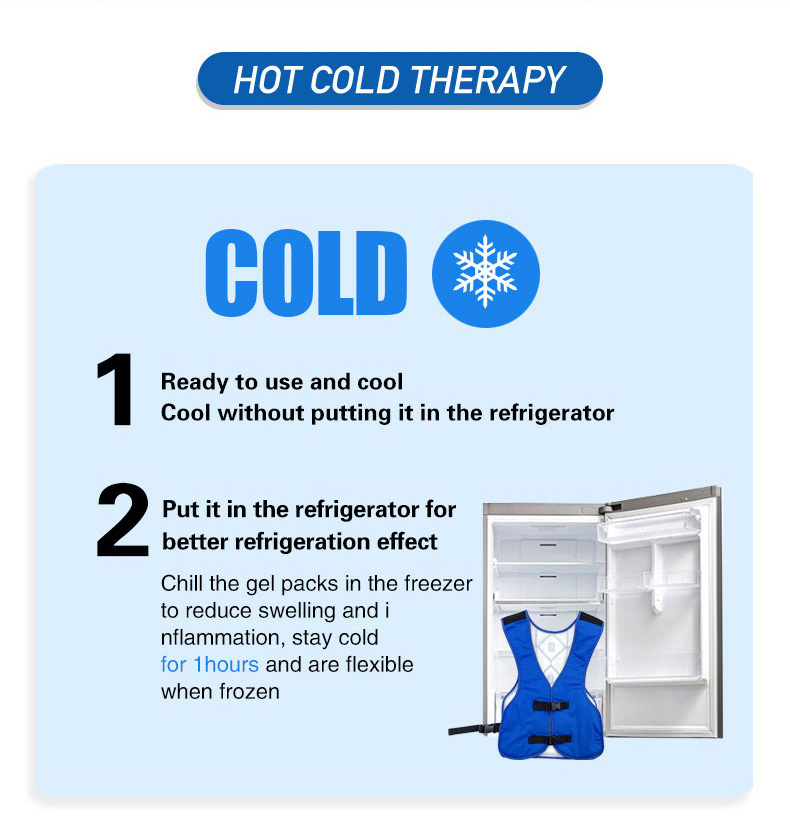
A certificate of origin is what the name says — an official document that proves where your goods were made. It records the country of manufacture along with the details customs officers care about: HS codes, quantities, weights, exporter and importer contacts, and the destination country.
That sounds simple. Getting it wrong is not.
Three situations require a certificate of origin:
-
Customs clearance — the importing country’s customs authority needs it to confirm origin and set the correct duty rate
-
Letter of credit settlement — banks won’t release payment under LC terms without confirmed origin proof
-
Buyer requirements — importers use it to claim preferential tariff rates under free trade agreements, or to meet non-preferential rules like anti-dumping checks
Cooling vest exporters face a unique challenge. Your product sits in a compliance gray zone — part functional textile, part personal protective equipment. Customs authorities in the EU, Middle East, and Southeast Asia draw origin rules from both categories. That combination makes documentation errors common. It also makes them expensive.
Skip the certificate, and the costs add up fast. Full MFN duties — sometimes 5 to 20 percent higher than preferential rates — hit at the border. FTA benefits disappear. Banks reject LC payments. Your shipment sits in a warehouse.
One document stops all of that. One stamp. Filed before the goods leave.
Get Your Cooling Vest HS Code Right Before You Apply
Most customs delays don’t start at the border. They start at a desk — where someone guesses the HS code instead of looking it up.
For cooling vests, that guess is almost always wrong. The consequences hit later, at the worst possible moment.
The Two-Code Split That Trips Exporters Up
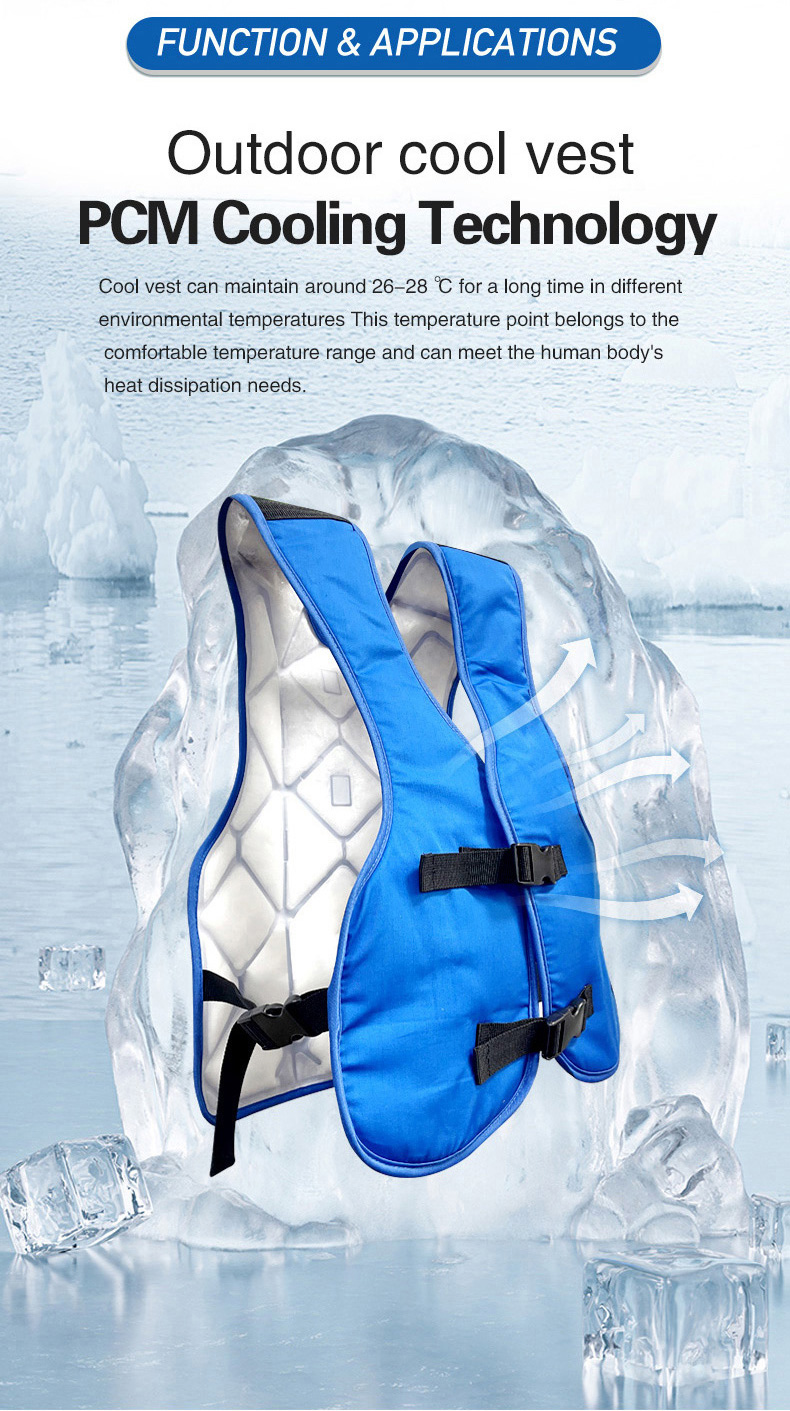
Cooling vests don’t belong to a single HS chapter. Where your product lands comes down to one physical detail: how the fabric was made.
-
Knitted construction → 6110.30 — This covers knitted or crocheted vests made of man-made fibers. Does your vest have more than 9 stitches per 2cm in the stitch direction? It’s knitted. A common destination code: 6110.30.3059 (women’s/girls’, other man-made fibers).
-
Woven or functional construction → 6210.40 — Non-knitted garments with a functional or technical character. Men’s woven vests often end up at 6211.33.9054.
Count the stitches. Measure the fabric. Don’t estimate.
Cooling Technology Creates a Second Classification Problem
The vest is one thing. What’s inside it is another.
Customs authorities treat cooling components as separate articles. Each one carries its own code, its own duty rate, and its own documentation requirement:
|
Component |
HS Code |
Note |
|---|---|---|
|
Knitted vest (man-made fiber) |
6110.30.3059 |
Based on fabric, stitch count |
|
Gel / ice pack insert |
3824.90.9290 |
Requires material % breakdown |
|
Chilled water tubing unit |
8419.89.9540 |
Classified as cooling machinery |
|
Woven vest shell |
6211.33.9054 |
Men’s, man-made fiber |
Shipping a gel vest as a set? Don’t assume it qualifies. Under GRI 3(b), a set must serve a common activity through one component that defines its essential character. Gel pack vest combinations fail this test more often than not. Classify each component on its own — and declare them that way.
How to Verify Before You File
Use the official tools. Supplier invoices and previous shipments are not reliable sources for HS codes.
-
US exporters: USITC HTS Database — search “cooling vest” or enter your fabric composition
-
UK exporters: HMRC Trade Tariff Tool — cross-reference stitch count and garment function
-
EU exporters: EU Customs Tariff (TARIC) — search by material type and garment construction
Your certificate of origin application needs fabric composition percentages and stitch count measurements. For gel or PCM vests, include a full material breakdown — for example: water 65%, glycerol 20%, polyacrylamide 15%. Missing details are the top reason CO applications get rejected before a chamber of commerce officer even reviews them.
Nail the HS code here, and the rest of your textile export compliance process runs clean.
Choose the Right Type of Certificate of Origin for Your Export Destination
Not every certificate of origin does the same job. Send the wrong type to the wrong market, and your cooling vest shipment clears nothing. You get paperwork, delays, and frustration on both ends of the supply chain.
Two fundamental categories exist. Everything else flows from this split.
Non-Preferential vs. Preferential: The Core Distinction
Non-preferential certificates are the default. No FTA involved. No duty reduction claimed. The importing customs authority needs proof of origin to apply standard MFN rates, run anti-dumping checks, or compile trade statistics. Chambers of commerce issue these — ICC, FIEO in India, and equivalent bodies elsewhere. Since January 2025, India’s DGFT platform processes them digitally in under 24 hours. Every country accepts them. No special eligibility required.
Preferential certificates work differently. They unlock duty reductions of 0–20%. But that only applies when a qualifying free trade agreement exists between your export country and the destination market. That’s not a small detail. It’s the entire point. No confirmed FTA coverage means a preferential CO is worthless paper.
Match Your Certificate to Your Destination Market
Here’s where most exporters lose time. They know a preferential option exists but don’t know which form to use. The answer depends on the agreement:
|
Destination |
Certificate Type |
Key Requirement |
|---|---|---|
|
EU (GSP-eligible countries) |
Form A |
60% value addition from beneficiary country |
|
EU (bilateral FTA partners) |
EUR.1 / EUR-MED |
Agreement-specific Rules of Origin; approved exporter status |
|
US, Canada, Mexico |
USMCA Self-Declaration |
No separate certificate — statement on invoice; 60–75% regional value content |
|
ASEAN / China (RCEP) |
Form E or RCEP CO |
40% regional value; authority-issued preferred |
|
US + Central America |
CAFTA-DR |
Yarn-forward rule for textiles — this affects cooling vest fabric sourcing |
|
Non-FTA markets (universal fallback) |
Non-Preferential CO |
Chamber-stamped; no duty benefit claimed |
How to Decide in Four Steps
-
Confirm FTA status. Does your export country have an active agreement with the destination? India-UAE CEPA, USMCA, RCEP — check the specific agreement, not assumptions.
-
Verify your product’s Rules of Origin. Preferential certificates require minimum value addition thresholds — 40–60% in most cases. Your cooling vest’s fabric composition and manufacturing location both factor in here.
-
Match the form to the agreement. USMCA? Self-declare on the invoice. Shipping to the EU under GSP? File Form A. EUR.1 covers EU bilateral FTA partners — different form, different eligibility criteria.
-
Default to non-preferential when uncertain. It covers every destination. It claims nothing it can’t prove. It moves your shipment.
One last number worth keeping: across 149 analyzed FTAs, 36.9% allow both approved-exporter self-certification and authority issuance. More than half of all FTAs now support some form of self-certification. Export often under USMCA or similar Americas-based agreements? Approved exporter status cuts out the chamber visit — faster processing, lower cost, same legal standing.
Know your destination. Match the certificate. File before the goods move.
Verify Your Cooling Vest Qualifies as “Origin”: Meeting the Rules of Origin

Picking the right certificate type means nothing if your product doesn’t qualify for origin status. That’s where exporters get blindsided — not by paperwork, but by the product itself.
Two legal tests determine whether your cooling vest counts as originating goods.
Wholly Obtained (WO) means everything — fabric, PCM panels, zippers, hardware — was sourced and manufactured inside one country. Clean and simple. Also rare. Most cooling vest manufacturers import at least one component.
Substantial Transformation (ST) is the more common path. Your vest qualifies as originating if imported inputs are transformed inside the processing country. This happens either through a tariff classification shift or by hitting a regional value content threshold.
How the RVC Calculation Works in Practice
Under USMCA, cooling vests (HS 6110.30 and related chapters) must hit ≥60% Regional Value Content. Two methods are available:
-
Transaction Value Method: (Origin materials ÷ Transaction value) × 100 ≥ 60%
-
Net Cost Method: (Origin net cost ÷ Total net cost) × 100 ≥ 60%
Here’s a real-numbers example: Transaction value $100. Imported fabric and PCM hardware total $30. Domestic labor and assembly contribute $40. Origin materials reach $70. RVC = 70%. Qualifies.
Where Imported Inputs Create Problems
Keep a close eye on these three input categories:
-
Outer fabric (polyester, HS 60+): Cross the 40% non-origin threshold without knitting or weaving the fabric domestically, and your RVC fails
-
PCM materials (paraffin/salt panels, standard weight 550g back + 280g front): Imported PCM above 7% of net cost fails the net cost test
-
Hardware (zippers, buckles): De minimis tolerance allows ≤10% non-origin by value — go above that and your vest is disqualified unless the hardware is transformed
Total non-origin inputs above 40% will kill the RVC claim outright.
The Manufacturer’s Letter Seals the Claim
Get a Manufacturer’s Letter from your producer before filing your certificate of origin application. Under USMCA Annex 5-A, this document does three things:
-
Certifies the origin materials breakdown
-
Confirms which RVC calculation method was used
-
States that qualifying criteria were met — for example: “≥60% RVC achieved via transaction value method.”
Submit it alongside your commercial invoice. Customs authorities use it to verify origin marking and tariff exemption eligibility.
One final check: your cooling vest qualifies, so mark it. “Made in [Country]” must appear on the product or container per applicable marking requirements. No marking, no exemption.
Prepare the Required Documents for Your CO Application

Six documents. That’s what stands between your cooling vest shipment and a stamped, approved certificate of origin. Miss one, and the chamber of commerce officer sends the whole package back.
Here’s what to gather before you submit.
The non-negotiable core documents:
-
Commercial Invoice — show exporter/importer details, HS code, unit price, total value, and country of origin declaration. Vague descriptions like “cooling garment” get rejected. Be specific: “Men’s woven cooling vest with PCM gel insert, 65% polyester / 35% nylon, HS 6211.33.9054.”
-
Packing List — quantity, net/gross weight, carton dimensions. Numbers must match the invoice. One discrepancy triggers a review.
-
Bill of Lading or Airway Bill — this confirms the shipment is real and moving. Some chambers need it before they’ll stamp anything.
-
Manufacturer’s Declaration / Letter — this certifies your cooling vest meets the applicable Rules of Origin. Under USMCA, you confirm your RVC calculation method and result. Under GSP or RCEP, it confirms value addition percentage.
-
CO Application Form — each issuing authority uses its own version. FIEO in India, your local ICC-affiliated chamber, or GACC for China-origin goods. Go to the issuing body’s site and download the current form. Outdated forms get rejected on sight.
-
Fabric Composition Certificate — customs authorities in the EU and Middle East ask for this with cooling vest shipments. State fiber percentages by weight. For PCM vests, include a full material breakdown of the insert.
One extra document most exporters forget:
Your vest ships as a set — outer shell plus gel pack? Include a GRI 3(b) classification statement. It explains which component determines the essential character and why the set classifies as a single article. Skip it, and a multi-component cooling vest shipment almost always draws a customs query.
Put your shipment reference number on every page. Bundle the documents in the order the chamber expects. Submit complete or don’t submit at all — partial applications don’t move faster. They get shelved.
Submit Your Application: Chamber of Commerce vs Online eCO Platforms
Two paths. One destination. The difference comes down to time, cost, and how much you enjoy standing in line.
Online eCO Platforms: The Faster Route
The American World Trade Chamber of Commerce (AWTCC) is America’s largest electronic CO issuer. They run a platform called Chamber Certification. Around 200 participating chambers process applications through it. Thousands of exporters and freight forwarders use it every day.
The workflow is simple. Register once. Then submit your shipment details and supporting documents through the digital portal. These include your commercial invoice, fabric composition certificate, and manufacturer’s declaration. The issuing chamber reviews and stamps everything through the system. Each eCO comes with a QR code linked to ICC’s official verification system. Customs authorities accept it. Banks accept it under LC terms.
One exception to know upfront: some letters of credit require a paper CO. Check your LC terms before you submit. Request manual issuance at the start — don’t find out after the fact.
For freight forwarders handling multiple cooling vest shipments, the cost savings add up fast:
-
No courier fees
-
No in-person trips
-
No back-and-forth across multiple chamber offices
Traditional Chamber Submission: Still Valid, Still Slower
Walk in or courier your documents to a local ICC-affiliated chamber. The certificate comes back stamped on paper. Customs authorities accept it. Banks accept it. The process works — it just runs at paper speed.
Choose based on your timeline. Tight shipping window? Go the electronic route. LC requires original paper? Stick with the traditional method. Either way, submit before the goods move.
Legalization and Consular Authentication — Do This When Required
A chamber stamp gets your cooling vest CO most of the way there. Not all the way.
Shipping to the UAE, Saudi Arabia, Qatar, Nigeria, or Egypt? Those countries are not part of the Hague Apostille Convention. A stamped certificate from your local chamber won’t hold up at the destination. You need a full authentication chain behind it.
The process runs four steps:
-
Notarization — a licensed notary certifies the document
-
State authentication — the Secretary of State office confirms the notary
-
Federal authentication — U.S. Dept of State, Form DS-4194, $20 per document
-
Embassy legalization — submit to the destination country’s embassy in Washington D.C.
At the federal level, walk-in drop-off takes three business days. Limit: 15 documents per submission. Bring a prepaid return label for mailing.
Start by checking requirements with your importer and the destination consulate. Some markets require translations. Some need specific application forms. Find out first. Re-authentication after the fact burns time you won’t get back.
Send and Track Your CO With the Export Shipment
The certificate is stamped. Now it has to move — and how you move it matters as much as what’s on it.
You have three delivery methods. Each fits a different trade situation:
-
Mail the original to your importer — standard for most non-LC shipments; use a courier, not regular post
-
Attach it with the cargo — use this when destination customs requires the CO to travel with the goods
-
Submit it to the bank under LC terms — the bank holds it as part of documentary credit conditions; no CO means no payment release
Check your buyer’s requirements before you choose. The wrong method is the same as no method.
Keep Everything Moving Together
Your CO doesn’t travel alone. It moves as part of a document package — Bill of Lading, commercial invoice, packing list, export declaration. Every piece must match. One mismatch across these documents, and customs at the destination holds the shipment. Someone then has to step in and explain the gap before anything moves.
Track your shipment in real time using EDI data feeds, RFID tags, or barcode scanning at each logistics handoff. Know where your cargo is. Know where your CO is. Both need to arrive together — complete, consistent, and correct. That’s how customs clearance stays a simple formality instead of a costly delay.
Common Mistakes Cooling Vest Exporters Make With Certificates of Origin
Most certificate of origin rejections are preventable. The errors behind them aren’t mysterious. They’re the same ones, repeated by different exporters, on different shipments, in different markets. Here’s what to watch for.
Wrong HS Code, Wrong Certificate
Don’t copy an HS code from a previous invoice or a supplier’s catalog. That’s one of the fastest ways to kill your origin claim before customs even opens the box. A wrong tariff classification doesn’t just slow things down — it wipes out your origin status. Verify the code yourself using official tools. Every time, no exceptions.
Confusing Origin With Shipping Location
Where goods ship from and where they were made are two different things. A vest made in Mexico but shipped through a US warehouse is not “Made in USA.” Origin is where the product went through substantial transformation — that’s the legal standard. Put the wrong country on the form, even by mistake, and you’re in false declaration territory.
Field-Level Errors That Trigger Automatic Rejection
Chambers and customs authorities have no tolerance for incomplete forms. These errors make up the bulk of returned applications:
|
Error |
Fix |
|---|---|
|
Missing exporter/importer/origin data |
Fill every mandatory field — no blanks |
|
Product description mismatches invoice |
Use identical wording across all documents |
|
Box 2 shows wrong delivery address |
Show final destination, not intermediate hub |
|
EU origin phrasing incomplete |
Write “European Community – Italy,” not just “Italy” |
|
Package details absent |
Use “6 boxes containing… as per invoice #123 dated DD/MM/YYYY” |
|
Wrong origin box ticked |
Box 2, not Box 1 — list manufacturer address, not supplier |
|
Expired issue date |
Check validity window before the shipment moves |
Treating a CO Like a General Compliance Certificate
A certificate of origin proves one thing: where your goods were made. It is not a CE mark. It is not an ISO certificate. It does not confirm product safety or quality management compliance. Some exporters mix up these documents and skip the CO for non-FTA shipments. Then they find out the destination market needs a non-preferential CO for anti-dumping checks or trade statistics. The certificate’s purpose is narrow. Its absence is not.
Overclaiming Preferential Origin — and the Legal Exposure That Follows
This is where mistakes stop being administrative and start being legal. Claiming FTA preferential treatment your cooling vest doesn’t qualify for — through guesswork on mixed-origin inputs or inflated RVC calculations — brings real consequences:
-
Full duties applied retroactively, wiping out any margin the tariff benefit was meant to protect
-
Fines and sanctions from customs authorities at the destination
-
Storage fees and shipment holds while customs investigates the discrepancy
-
Fraud probes and potential suspension of import/export privileges
-
US exporters: incorrect CO claims under CAFTA-DR, Colombia, Korea, Panama, or Peru TPAs must be reported to CBP via [email protected] — this is a legal obligation, not optional disclosure
Here’s a real scenario: a vest using Vietnamese fabric, finished in Taiwan, gets declared as Taiwanese origin. Customs flags the entire container. The importer — not the exporter — takes the liability. Repeated errors build a pattern that draws audits.
Not sure your cooling vest clears the RVC threshold? Default to a non-preferential CO. It only claims what it can back up. It keeps your shipment moving. And it protects your compliance record.
FAQ: Certificate of Origin for Cooling Vest Exports
Exporters ask the same questions. Customs doesn’t care about the questions — only the answers on the form. Here are the ones that matter.
Can I get a CO without a local chamber of commerce?
Yes. Platforms like Swiftdox and essCert connect you to accredited remote chambers. The process is straightforward:
-
Upload your documents
-
A chamber officer reviews and stamps them digitally
-
You get a verified eCO — sometimes within one business day
Does my China-made cooling vest qualify for a US certificate of origin?
No. A US CO requires US origin or substantial transformation on US soil. A vest made in China cannot carry US origin — full stop. On your commercial invoice, list China as the country of manufacture. That’s the document that does the job here.
Can one USMCA certificate cover multiple shipments?
Yes. A blanket USMCA certification covers up to 12 months of identical goods. For shipments under $2,500, an invoice origin statement does the job. No formal CO needed.
What happens when my HS code doesn’t match the invoice?
The application stops. Chambers and customs authorities check codes against declared descriptions, quantities, and weights. A mismatch — even a small one — triggers a review or flat-out rejection. Use the same code across every document, every time.
Which CO type does my destination require?
|
Destination |
CO Type |
Key Note |
|---|---|---|
|
EU |
Non-preferential (chamber-issued) |
Anti-dumping and tariff verification |
|
GCC / Middle East |
Arab Certificate or generic CO |
Embassy legalization often required |
|
ASEAN (China origin) |
Form E or RCEP CO |
0–5% preferential duty access |
|
North America |
USMCA self-certification |
Invoice statement valid under $2,500 |
Where do I verify Rules of Origin before filing?
Three sources cover most situations:
-
trade.gov — USMCA chapter-specific checklists
-
WCO HS Database at wcoomd.org — HS 6110 and 6210 origin criteria
-
Your issuing chamber’s portal — form-specific requirements for your CO type
Check all three before you file. Gaps between them cause delays.
Conclusion
Getting your certificate of origin for cooling vest exports right isn’t a bureaucratic formality. It’s the difference between a shipment that clears customs on time and one that sits in a warehouse while your buyer loses patience.
The process comes down to three things:
-
Classify your product under the correct HS code
-
Match your certificate type to your destination market’s requirements
-
Submit clean documentation the first time
Nail those three, and the rest takes care of itself.
Your next move is clear — identify your target export market. Confirm whether a preferential or non-preferential CO applies. Then contact your local chamber of commerce or use an eCO platform to start the application. Most approvals come through faster than exporters expect.
The exporters who keep moving product aren’t the ones with the best cooling vests. They’re the ones who treat compliance as a competitive edge. They never get caught scrambling for paperwork at the dock.