
Your crew is sweating through another brutal summer shift. The custom logo cooling vests you ordered three weeks ago still haven’t arrived.
Sound familiar?
For safety managers and procurement teams, lead time isn’t just a logistics headache — it’s a heat stress liability. A 30-day turnaround vs. a 10-day turnaround is a big deal. One gets your workforce protected on schedule. The other has you scrambling for last-minute alternatives that blow your budget on rush fees.
The good news? Most delays are avoidable. They’re process failures hiding in plain sight — not supplier problems.
This guide breaks down how procurement professionals cut lead times by 30–50%. The strategies are practical and supplier-tested:
-
Prep your artwork files the right way
-
Build vendor relationships that push your order to the front of the production queue
Industry Standard Lead Times for Custom Logo Cooling Vests

Here’s a number every procurement manager needs to know: 8–12 weeks.
That’s the production time for a bulk order of 500+ custom logo cooling vests under normal conditions. Miss that window. Your workforce goes unprotected during peak heat season — no matter how strong your budget is.
Know where your order sits on the timeline. That’s how you control it.
The Baseline Numbers You Need to Know
|
Order Quantity |
Standard Lead Time |
|---|---|
|
25–50 units |
3–4 weeks |
|
51–100 units |
4–5 weeks |
|
101–250 units |
5–7 weeks |
|
251–500 units |
7–9 weeks |
|
500+ units |
8–12 weeks |
These are manufacturer baselines under normal conditions. Real-world timelines shift based on three variables. Most procurement teams underestimate all three.
1. Customization Complexity
A simple heat-transfer chest logo adds zero production time. Switch to custom Pantone colors — add a full week. Go with multi-position embroidery — add two more weeks on top of that.
2. Seasonal Demand Pressure
April through August is peak season for heat stress prevention equipment orders. Across the industry, manufacturers add 4–6 weeks during this period. That pushes total wait times to 6–8 weeks, even for smaller quantities. Order during summer to fix a summer problem, and you’ve already run out of time.
3. Rush Orders Have a Real Cost
Getting 75 units of branded PPE customization delivered in 10 days is possible — but you’ll pay a 15–30% premium. That’s $1,125 extra on a standard 75-unit order. Plan ahead, and you avoid that cost entirely.
The smart move? Place pre-season orders in February or March. Production capacity opens up. Standard timelines hold. You get priority queue positioning before the April surge drives up industrial cooling solutions demand across every sector.
Prepare High-Resolution Artwork Files in Advance
Artwork file errors are the top preventable cause of production delays — and nearly every procurement team runs into them.
Here’s what tends to happen: your supplier receives a low-resolution JPEG of your company logo. Their production team flags it. They send it back. You track down the original file, resize it, resubmit. That back-and-forth cycle costs 3–7 days per revision round — before a single vest gets cut.
Submit the wrong file twice, and you’ve burned two weeks before production even starts.
The File Specs That Matter
Don’t guess. Give your supplier what they need:
-
Vector files first — AI, EPS, or PDF formats scale to any size without pixelation. These are non-negotiable for workwear branding services and corporate logo apparel.
-
Raster fallback minimum: 300 dpi at actual print size. A 4-inch chest logo needs at least 1,200 pixels wide. A 10-inch back print needs 3,000 pixels minimum.
-
Convert fonts to outlines before sending. Missing font files start another revision cycle.
-
Use CMYK color mode — not RGB. Screen colors don’t transfer to print cleanly without conversion delays.
Pre-Submission Checklist
Before you hit send, verify:
|
Check |
Standard |
|---|---|
|
File format |
AI / EPS / PDF preferred |
|
Resolution at print size |
300 dpi minimum (raster) |
|
Color mode |
CMYK |
|
Fonts |
Converted to outlines |
|
Logo preview at 100% |
Sharp, no pixelation |
Put this package together before you contact a supplier. One clean submission cuts out the revision cycle — and keeps your safety vest customization order moving from day one.
Choose Stock Base Models Over Full Custom Design
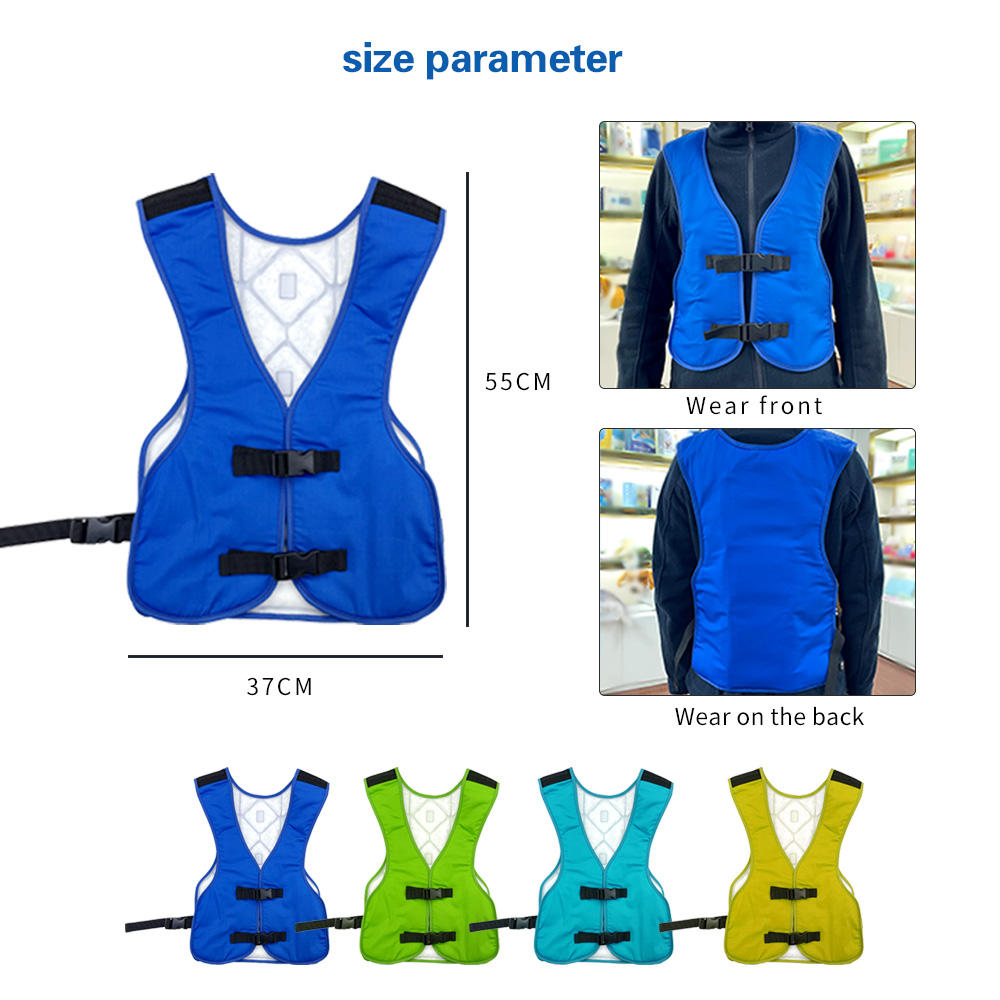
Stock base models are the single fastest way to cut lead time — without giving up your brand identity.
Here’s what most procurement teams miss: full custom-designed cooling vests need manufacturers to build patterns, source specialized materials, and run test samples from zero. That process adds weeks to your timeline before production even starts. Stock base models skip that entire phase.
The Lead Time Gap Is Bigger Than You Think
|
Vest Type |
Typical Lead Time |
Relative Cost |
|---|---|---|
|
Stock base model |
1–2 weeks to production |
$ |
|
Modified stock model |
2–4 weeks to production |
$$ |
|
Full custom design |
6–10+ weeks to production |
$$$ |
Pick a stock evaporative cooling technology vest and add your corporate logo. That’s not settling — that’s a smart move. You get 70% of the customization at 25–30% of the cost and timeline.
Your Brand Still Wins
Stock models aren’t blank, identity-less garments. Most trusted workwear branding services suppliers carry hundreds of proven base styles. You’ll find multiple colors, fits, and thermal management clothing configurations to choose from. Select the right foundation, then layer your branding on top through:
-
Heat-transfer or screen-printed chest logos
-
Custom color matching to corporate identity
-
Back panel branding for high-visibility worksites
The vest still carries your brand. The stock model just gets it there faster.
For construction safety gear and industrial cooling solutions orders with tight deadlines, modified stock is the professional’s first choice — not a backup plan.
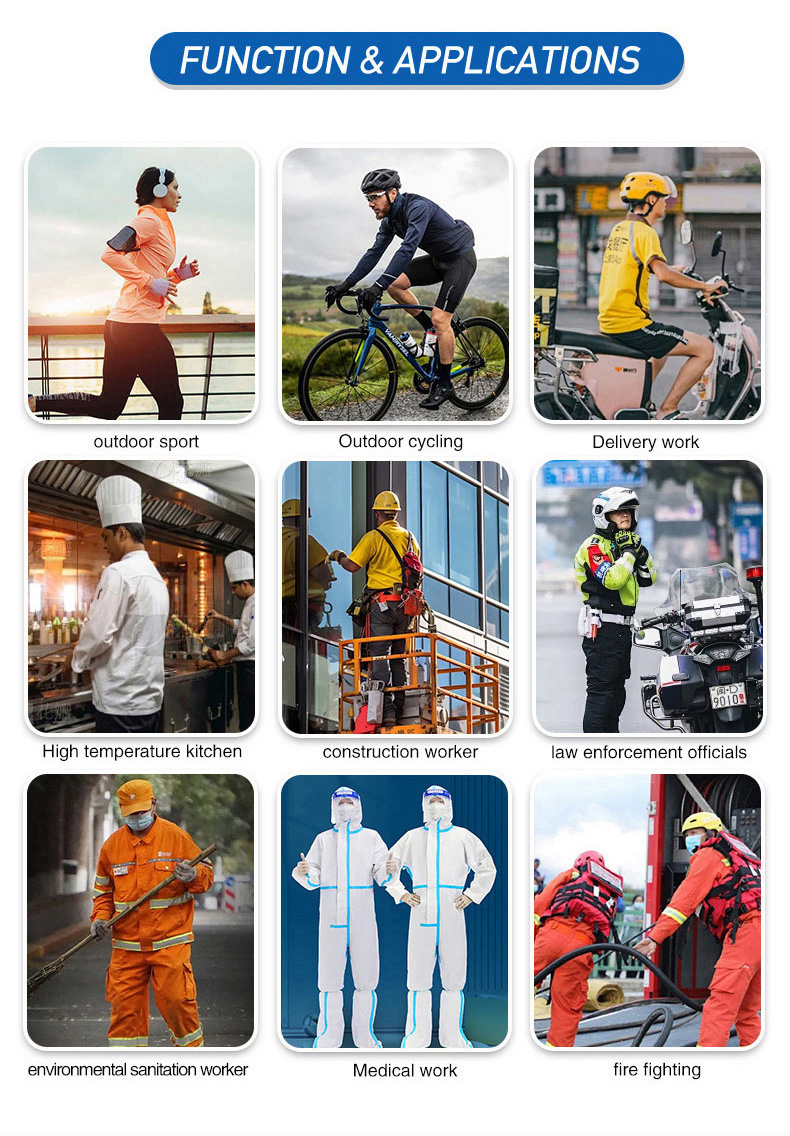
Select Simplified Logo Application Methods
The decoration method you choose doesn’t just affect how your logo looks. It also determines how fast your order ships.
Heat transfer delivers in 2 weeks. Embroidery takes 3 weeks. That one-week gap adds up fast on a tight project deadline. On repeat orders, both methods drop to a 1-week turnaround. Your templates and digitization files are already built, so one full production phase gets cut out.
Choosing the Right Method for Your Situation
|
Method |
Lead Time |
Cost Per Unit |
Best For |
|---|---|---|---|
|
Screen Print |
Fastest |
$0.50–$2 |
High-volume orders (500+ units) |
|
Heat Transfer |
2 weeks |
$1–$3 |
Full-color, complex designs |
|
Embroidery |
3 weeks |
$3–$7 |
Premium, durable outdoor use |
|
DTG Print |
2–3 weeks |
$2–$5 |
Detailed artwork, smaller runs |
For corporate logo apparel on a tight timeline, screen printing cuts setup time by 80% on large runs. Embroidery gives you a premium, textured look. It also lasts 2x longer than heat transfer in rugged environments like construction safety gear.
Simplify Your Logo — It Matters More Than You Think
Most procurement teams miss this: 95% of top global brands use single or two-color logos. Those logos score 21% higher in consumer perception studies. Simpler artwork cuts embroidery stitch counts by 30%. That brings down production costs and moves digitization faster.
Stick to 1–2 colors in your submission. Clean vector artwork goes through production with no technical holds or delays. That one choice alone can shave days off your safety vest customization timeline — before the order even enters the queue.
Use Expedited Production Services
Expedited production isn’t a last resort — it’s a real procurement tool worth using.
Most manufacturers offer rush production tiers that cut standard lead times close to half. A 30-day timeline drops to 15–20 days with an expedited service flag. The cost? A 15% premium on your order total. On a 100-unit order, that’s a small price compared to what a delayed project costs in lost productivity and heat stress liability.
When Expedited Production Makes Financial Sense
Run the math first. A delayed vest order can push back a construction project start date. The cost-per-day of downtime almost always beats the rush fee.
Ask your supplier two direct questions:
-
“Do you offer tiered production timelines?” Most established industrial cooling solutions manufacturers do — but they don’t advertise it upfront.
-
“What’s the cutoff date for standard vs. expedited queue entry?” That one answer tells you how much time you have left before premium fees kick in.
What to Confirm Before Approving Expedited Production
Don’t just pay the premium and wait. Lock in these specifics:
-
Written confirmation of the revised delivery date
-
Milestone updates at proof approval, production start, and dispatch
-
Shipping mode clarity — air freight versus ground can shift final delivery by days, not hours
For PPE customization orders under real deadline pressure, pair expedited production with clean artwork files and a stock base model. That combination gives you the fastest path to delivery — no shortcuts, no quality compromises.
Leverage Repeat Orders with Approved Designs

Here’s what most procurement teams miss until their third order: your fastest production run is the second one.
Your logo goes through supplier approval once — artwork checked, colors matched, placement confirmed. After that, the approved file stays in the production system. Every repeat order skips the proof-and-revision cycle entirely. That’s 3–7 days off your timeline, with no extra effort on your end.
The math is simple. First order: 4 weeks. Repeat order with the same approved design: 1–2 weeks. Same quality. Same branding. Half the wait.
Good workwear branding services suppliers keep a digital library of your approved assets. Ask for this up front. Confirm your files are saved before your order closes. That one conversation makes your next urgent safety vest customization request a quick reorder — not a last-minute scramble.
Build Strategic Supplier Relationships
The best procurement teams don’t just fill out order forms well. They build relationships that earn them priority treatment — before they even need to ask.
Here’s the data: companies that work closely with suppliers see 20% shorter time-to-market and 15% lower production costs. McKinsey research backs this up. Collaborative firms outgrow their peers and run leaner operations at the same time.
For custom logo cooling vests, this means one thing: queue priority.
Manufacturers running 50,000+ units per month don’t treat every buyer the same. Preferred partners get faster slot access, proactive updates, and flexibility on urgent orders. Transactional buyers wait in line.
Build preferred status through three moves:
-
Formalize the relationship — Set mutual KPIs: on-time delivery rates, defect thresholds, and compliance benchmarks. What gets measured gets prioritized.
-
Schedule regular reviews — Quarterly check-ins build goodwill. They also surface bottlenecks before those bottlenecks turn into delays.
-
Reward top performance — Give your top suppliers preferred partner status and repeat volume commitments. This gives them a reason to protect your timeline when capacity gets tight.
Disruptions will hit. That’s a given. Strategic partners respond fast. Transactional buyers scramble.
Optimize Minimum Order Quantities
Ordering more than you need doesn’t save money. It ties up cash and stretches your lead time.
Here’s the math most procurement teams miss. Suppliers set high MOQs because setup costs hit $5,000 per production run. They batch orders to cover that cost. The result? You wait 8 weeks while your order sits in a queue.
Push for a lower MOQ tier and that wait drops fast. Yes, unit cost goes up — but the speed gain is worth it.
The practical benchmark:
|
MOQ Tier |
Lead Time |
Unit Cost |
Best Use Case |
|---|---|---|---|
|
25–50 units |
3–4 weeks |
Higher |
Urgent, small teams |
|
100–250 units |
5–7 weeks |
Moderate |
Mid-size deployments |
|
500+ units |
8–12 weeks |
Lowest |
Pre-season bulk orders |
For PPE customization and corporate logo apparel orders under a deadline, a smaller MOQ at a higher unit cost beats waiting 8 weeks for bulk pricing. Do the full math. Warehousing runs $500–$2,000 per month. Overstock eats into your savings too.
One negotiation move that works: offer a higher per-unit price in exchange for a lower MOQ commitment. Most manufacturers will take the deal. You get faster delivery. They cover setup costs without running a full production batch.
Implement Parallel Approval Processes
Sequential approvals are silent lead time killers.
Your art proof goes to the safety manager. She approves it, then routes it to procurement. Procurement signs off, then sends it to compliance. Three stakeholders. Three separate waiting periods. Days disappear before a single vest enters production.
Parallel approval cuts that chain. All three stakeholders review at the same time. Approval cycle time drops from days to hours.
Here’s the structure that works: use the 2-from-4 rule. Send your purchase order to four approvers at once. Two confirmations are all you need — production starts right away. No full-consensus bottlenecks. No one person holding up the queue.
Set this up in four moves:
-
Map where approvals stall right now
-
Assign concurrent review paths for art proof, QC, and procurement sign-off
-
Automate reminders with 24-hour escalation triggers
-
Designate backup approvers so one absence doesn’t freeze the order
Track your First-time Approval Rate before and after you roll this out. That one metric shows you whether your criteria are clear enough. Or it reveals that unnecessary revision rounds are eating into your safety vest customization timeline.
Lead Time Reduction Process Checklist
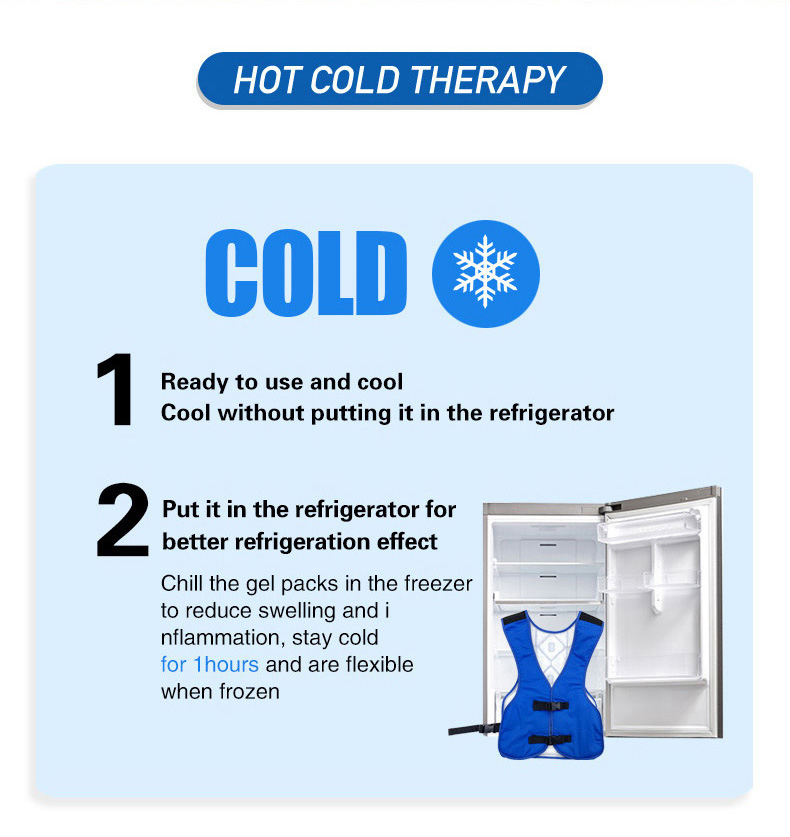
Every strategy in this guide works as well as your ability to execute it. This checklist turns those strategies into a repeatable system. Use it every time you place an order.
Run through it before every order:
Before You Submit
– [ ] Vector artwork files prepared (AI/EPS/PDF) with fonts outlined
– [ ] CMYK color mode confirmed; logo previewed at 100% print size
– [ ] Stock base model selected; decoration method locked in
During Production
– [ ] Parallel approvals triggered — all stakeholders review at the same time
– [ ] Supplier SLA confirmed in writing with a milestone update schedule
– [ ] 1-week safety buffer built into your internal deadline
Supplier & Process Health
– [ ] Vendor scorecard tracking: on-time delivery, order accuracy, responsiveness
– [ ] Approved design files saved in supplier’s digital library for repeat orders
– [ ] ERP-automated PO processing active to cut out manual delays
KPIs to Monitor
– Average order lead time
– First-time approval rate
– On-time delivery percentage
Procurement teams that run this checklist cut lead times by 30% or more. Not through luck. Through process discipline, applied order after order. That’s the difference.
Real-World Case Studies: 30 Days to 15 Days
The numbers don’t lie. Manufacturers with integrated production deliver custom logo cooling vests in 15–30 days. That’s half the timeline most procurement teams treat as standard.
Here’s what that looks like in practice.
What a Halved Lead Time Actually Requires
Look at verified industry benchmarks. The gap between a 30-day order and a 15-day order comes down to three operational variables — not luck, not budget.
1. Pre-qualified artwork + stock base model selection
Quotation turnaround runs 3–5 days. Sample development takes 7–10 working days. The teams that hit 15-day delivery windows get artwork approved before the quote is even submitted. That cuts out all the back-and-forth. No revision loops. No waiting on approvals mid-process.
2. Off-peak ordering windows
Standard production drops to 15 workdays in off-peak seasons. The same order placed in July can stretch to 45 days. Place it in February? You’re at the fast end of that range — standard pricing, zero rush fees. The calendar is a free lever. Most buyers ignore it.
3. Direct manufacturer relationships
Suppliers with tight supply chains and dedicated communication channels hit 98.5% on-time delivery rates on expedited orders. That’s not a marketing claim — it’s a documented operational benchmark. The procurement teams reaching those numbers share one trait: they treat their supplier as a working partner, not just a vendor portal. You get faster responses, fewer handoffs, and real accountability.
The Takeaway
Cutting lead time from 30 days to 15 days isn’t about paying a premium. It’s about clearing the friction points that drag every order out — artwork errors, sequential approvals, late-season ordering. Fix those three things. The timeline sorts itself out.
Supplier Selection Criteria for Fast Delivery
Not every supplier who claims fast delivery can prove it. The gap between a 15-day turnaround and a 45-day delay comes down to one thing: knowing which metrics to demand before you sign a purchase order.
Here’s the framework that separates fast suppliers from slow ones.
The Numbers That Matter
|
Criteria |
Target Benchmark |
Red Flag |
|---|---|---|
|
On-Time Delivery (OTD) |
≥ 98% |
< 84% |
|
On-Time In-Full (OTIF) |
≥ 95% |
Variance > 10% |
|
Lead-Time Variability |
≤ 10% |
Unpredictable cycles |
|
Defect Rate (PPM) |
≤ 500 |
No ISO 9001 certification |
|
Rush Order Capacity |
Confirmed buffer stock |
No expedited options |
The industry average OTD sits at 84%. Suppliers who exceed 98% aren’t just better — they run a different kind of operation. Their systems, processes, and capacity planning are built to deliver on time, every time. That gap is real. It’s the difference between personalized cooling gear arriving on schedule and your crew pushing through peak heat with no protection.
How to Verify Before You Commit
-
Request historical OTD data — not testimonials, actual delivery records
-
Ask about monthly capacity buffers — can they absorb a 30% demand spike without pushing your order back?
-
Confirm expedited production exists in writing — hesitation is your answer
Drop any PPE customization supplier with lead-time variance above 10% or no documented rush-order process. That inconsistency will cost you far more than a premium supplier ever would.
Common Lead Time Pitfalls to Avoid
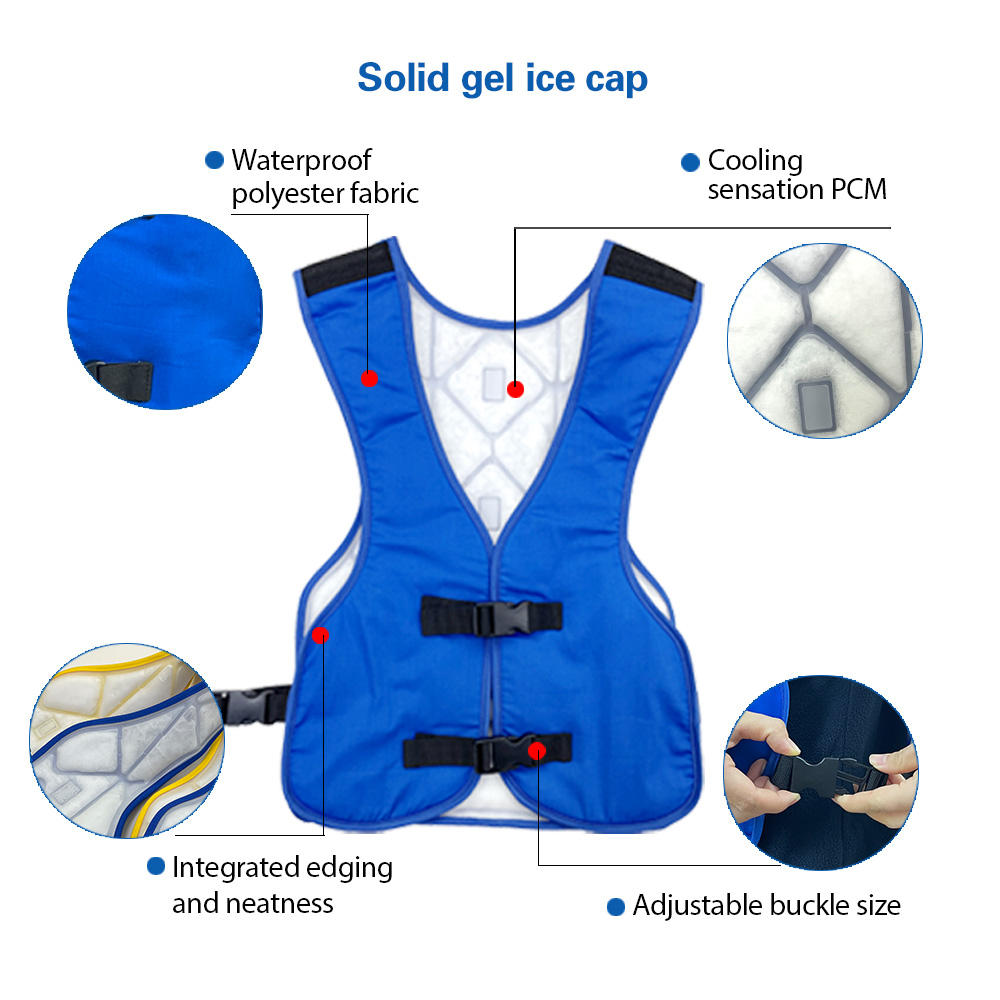
Most procurement teams focus on what to do right. Few stop to track what goes wrong — and that blind spot is where lead times fall apart.
These are the mistakes that kill your timeline before production even starts:
-
Submitting low-resolution artwork — A blurry JPEG triggers a review hold. Your supplier flags it, sends it back, and waits. That back-and-forth burns 3–7 days per cycle. Submit it wrong twice? You’ve lost two weeks before a single vest gets cut.
-
Skipping pre-approvals — Don’t wait until after submission to get internal stakeholders on board. That creates a chain of bottlenecks. Orders stall for days. Each delay waits on the next person to sign off.
-
Choosing ocean freight on urgent orders — Ocean shipping looks cheaper on paper. Add production variability on top, and that “savings” decision tacks weeks onto your final delivery date.
-
Over-specifying custom details — Requesting multi-position embroidery, custom Pantone matching, and specialty hardware all at once triggers engineering holds. Material sourcing delays follow. These stack up fast.
-
High-volume orders without early quotes — Large orders without pre-confirmed capacity run straight into production backlogs. A supplier’s standard 2-week lead time plus a 3-week backlog puts your minimum realistic window at 5 weeks — and that’s before customization adds more time on top.
Fix these five failure points first. Everything else in this guide builds on that foundation.
Conclusion
Your team works in the heat every day. Without proper personalized cooling gear, that’s a direct trade-off between worker safety and procurement delays. No safety manager should accept that.
The strategies in this guide are real and proven. Pre-approved artwork, stock base models, streamlined approval workflows, and strong supplier relationships — these are the tools that matter. Some procurement teams scramble to meet deadlines. Others deliver on time, at standard pricing, without panic. The difference comes down to these exact steps.
Here’s the bottom line: cutting lead time for custom logo cooling vests isn’t about rushing your supplier. It’s about removing friction before the order is placed.
Your next move? Three steps:
-
Audit your current procurement process against the checklist above
-
Spot your single biggest bottleneck
-
Fix it before your next order
Ready to go from 30-day waits to 10-day delivery? Get a fast quote from CoolHeatTech today — bring your artwork, and let’s get it done.