
That cooling neck wrap you just unboxed might look simple, but there’s a right way to activate it. Get it wrong and you’ll miss out on hours of cool relief.
Scorching summer heat? Outdoor workouts? Hot flashes? Knowing how to use a cooling neck wrap the right way makes the difference between lukewarm disappointment and all-day comfort.
The secret? Understanding your specific wrap type. Some need a quick soak to wake up polymer crystals. Others require freezer time. A few work through evaporative technology.
Activation is just the start. Your wearing technique matters. So does reactivation timing and proper care. These factors impact how long your reusable cooling neck wrap stays effective.
This guide walks you through every activation method step-by-step. You’ll get insider tips for extending cooling duration from 2 hours to 8+ hours. Plus, you’ll learn how to troubleshoot common issues like weak cooling or crystal clumping. Get ready to unlock the full potential of this heat-relief tool.
Types of Cooling Neck Wraps and How to Use Them
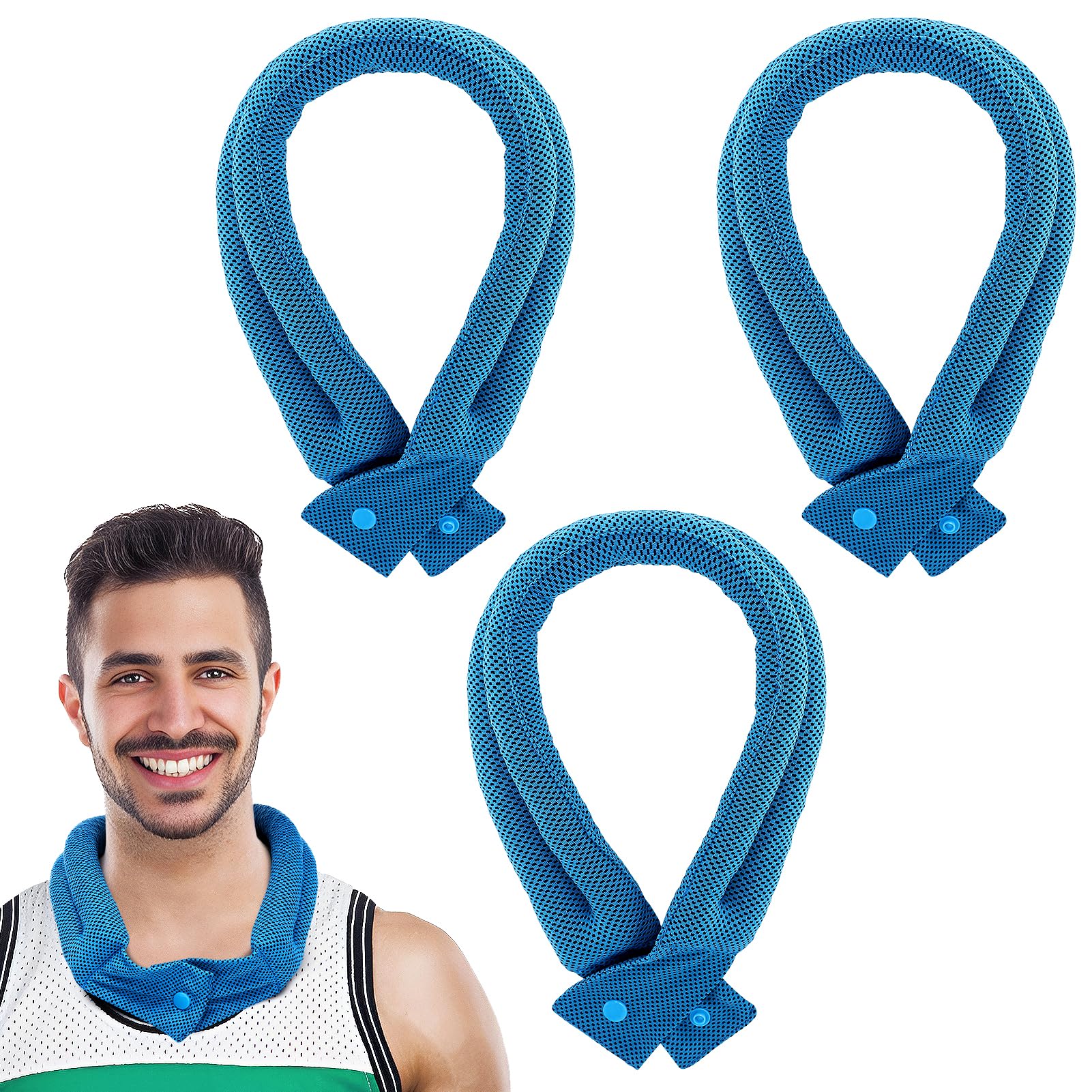
Cooling neck wraps use different technologies. The market has three main types. Each one needs a different setup.
Evaporative cooling wraps use PVA (polyvinyl alcohol), microfiber, or safe polymers. These materials soak up water—up to 10 times their own weight. Wet them and the evaporation pulls heat from your skin. AlphaCool Series, Ergodyne Chill-Its, and HyperKewl bands are popular choices. You get 1-2 hours of cooling per use. The cooling starts strong, then fades over time. One drawback? High humidity cuts their power. Moisture can’t evaporate fast in humid air.
Phase change wraps have gel inserts you can freeze. The gel contains safe saline or distilled water. Black Ice Max and TechKewl Phase Change bands use this design. Freeze the inserts for 2-3 hours before use. They give you 2-3 hours of steady cold. These perform great in humid weather. They don’t need evaporation to work. Research proves neck temperature stays lower for 60 minutes after use (P<0.001). Sprint performance improved with effect sizes of d=0.51–0.88.
Hybrid designs mix PVA’s strong absorption with microfiber’s soft feel. The Ergodyne PVA-Liner Bandana shows this combo. You can machine wash it. Plus, it cools for longer stretches.
Weight affects how easy they are to carry. PVA wraps like CGNW03 stay light even when wet. Microfiber gaiters (CGT13) weigh less. But they cool for less time. Poly/spandex blends (CGNG8) stretch to cover your full face. They still feel super light.
Step-by-Step Activation Guide for Water-Based (PVA) Cooling Wraps
Water-based PVA wraps give you strong cooling through fast evaporation. The process is simple. No waiting for crystals to expand. No gel packs to freeze.
Initial Activation Process
Grab your PVA wrap and hold it under running water. Room temperature or cold water both work fine. Keep it submerged for 1 minute. The material turns dark blue as it soaks up water. This color change shows it’s ready.
PVA material soaks up water fast. It stays thin and light. Acrylic polymer wraps need 2-5 minutes in ice water to expand. PVA wraps are ready after just 60 seconds of water submersion.
The Snap-and-Shake Technique
Pull the wet wrap from the water. Wring out extra moisture until it’s damp but not dripping. Now comes the key step for maximum cooling power.
Snap the wrap hard a few times. Then twirl or shake it with force. This spreads water through the fibers. It also starts the evaporation process. Air moving across the wet surface creates stronger cooling.
Wearing Your Activated Wrap
Place the damp wrap on your neck for instant heat relief. Large blood vessels in your neck carry cooled blood through your body. This drops your core temperature fast.
You can try other positions too. Wrap it around your head, under your armpits, or in the crook of your arm. These spots also have major blood vessels. They cool your body well.
Expect 2-4 hours of cooling per activation. Some high-performance PVA towels give you up to 4 hours of relief. The cooling can lower skin temperature by up to 30°F below air temperature.
Quick Reactivation
The cooling fades? Rewet the wrap for another minute. Snap and shake again to restart the effect. This reusable cooling neck wrap handles multiple uses each day. Performance stays strong.
Step-by-Step Activation Guide for Gel Crystal Cooling Wraps
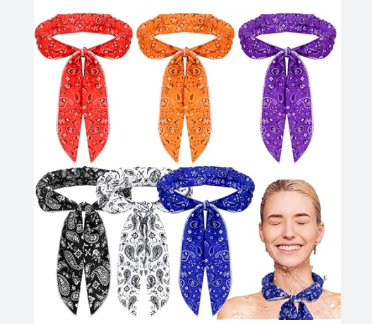
Gel crystal wraps use polymer crystal cooling technology. These tiny crystals expand after you soak them. They hold water inside and release it over time for extended cooling.
First-Time Activation: The Critical Soak
Your brand-new wrap has dry polymer crystals inside fabric pockets. These crystals need time to wake up and expand.
Fill a bowl with cold or ice water. Filtered, spring, or distilled water works best. Tap water with high minerals can leave buildup on the crystals over time.
Submerge the entire wrap for 30 minutes minimum. Some wraps need longer—up to 4 hours for full expansion. Check your product instructions. The crystals swell many times their original size during this time.
After 10-15 minutes, squeeze and massage the pockets. This spreads water through the crystals. You’ll feel small beads moving under the fabric. This prevents clumping. It also gives you consistent cooling across the whole wrap.
Post-Soak Preparation
Pull the wrap from the water. The pockets should feel plump but not overstuffed. Squeegee out excess water by running your fingers along each pocket. The wrap should be wet but not dripping.
Want stronger cooling at the start? Pop your https://coolheatech.com/custom-cooling-neck-wraps/activate cooling neck wrap in the refrigerator for 30-60 minutes before wearing. This boosts the starting temperature drop.
Wearing for Maximum Effect
Position the wrap around your neck where major blood vessels run close to the skin. The cooling lasts 2-4 hours based on heat intensity and activity level. Premium polymer wraps can stay effective for up to 4 hours per activation.
Quick Reactivation Between Uses
The cooling fades? Drop the wrap in cool water for 10-20 minutes. This quick refresh restores the cooling power. After multiple uses, soak for 2-4 hours again for deep reactivation.
The crystals stay hydrated for days between uses. No need to dry and re-soak unless you’re storing long-term.
Step-by-Step Activation Guide for Freezer-Ready Cooling Wraps
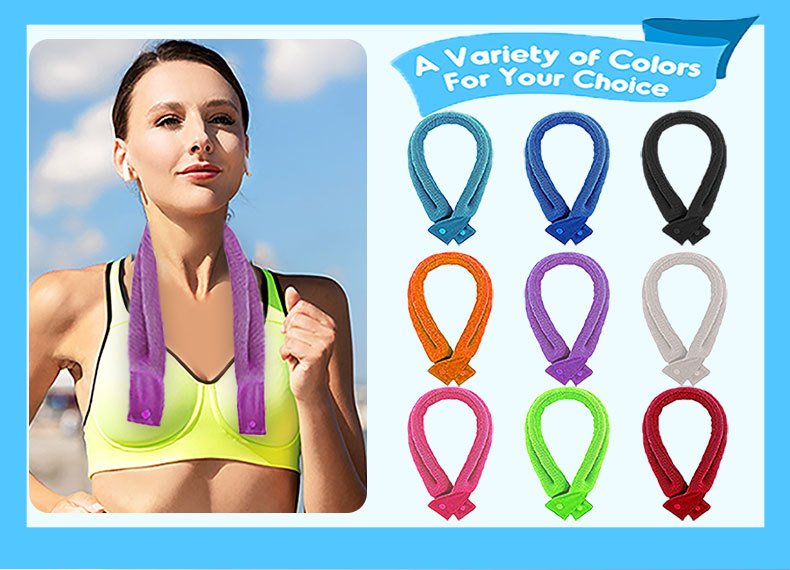
Freezer-ready wraps give you the coldest relief that lasts longest. They use gel packs or phase change cooling inserts. These keep temperatures low and steady for hours.
Pre-Freeze Preparation
Store your gel inserts flat in the freezer at ¾ maximum temperature setting. Don’t stack them. Stacking causes uneven freezing. You’ll get weak cooling spots.
Minimum freeze time: 2 hours for basic cooling. Want max power? Freeze for 4+ hours or overnight. Longer freezing makes the gel soft and bendable. It shapes to your neck. No stiff, icy patches that feel harsh on skin.
Pro tip: Wipe off moisture before refreezing each time. Water buildup forms ice crystals. These break down the gel over time.
Assembly and Activation
Grab your frozen gel pack from the freezer. Test it on your wrist first. Too cold? Let it sit at room temperature for 10 minutes. This protects your skin. The cooling power stays strong.
CryoPush-style compression wraps: Open all Velcro straps. Lay the wrap flat, Velcro side up. Put your 7″ x 10″ gel pack (or 6″ x 9″ size) Velcro-side down on the wrap. Press across the whole surface. Make sure it sticks well.
Fabric sleeve designs: Slide the gel pack into the fabric pouch. Close the Velcro tab. This locks it in.
Wearing Your Freezer-Ready Wrap
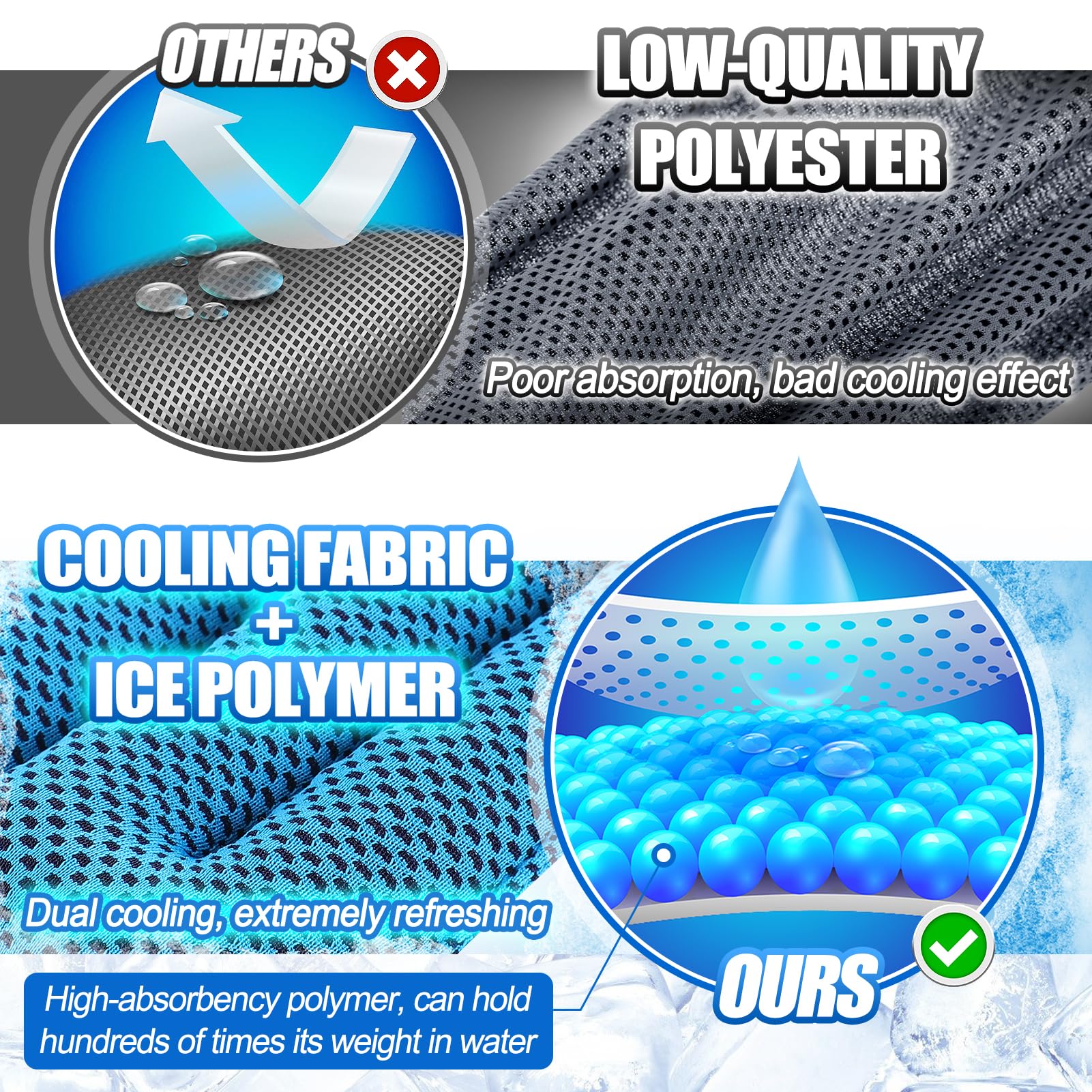
Drape the wrap around your neck or the area you want to cool. Use the straps and hook-and-loop closures to secure it. Got a smaller neck? Double-wrap the strap. This adds pressure and better contact. Single wrapping? Best for back, shoulder, or torso.
Cooling duration: 20-30 minutes per session. Take off the wrap. Rest for 40+ minutes before using again. Cold for too long can hurt tissue. Your heat relief neck wrap works for many 20-minute sessions each day. Just refreeze between uses.
How to Wear Your Cooling Wrap for Best Results

Contact quality drives cooling power. Your body has heat highways—arteries near the skin that move blood everywhere. Hit these spots and you’ll cool down faster.
Where to Place the Wrap
Neck placement works best. The carotid arteries sit just under the skin on both sides. Wrap the band around the base of your neck where it meets your shoulders. Press on the sides to check contact. You should feel your pulse through the fabric.
Get the tension right. Too loose? Air gaps stop heat transfer. Too tight? You cut off blood flow. The right fit lets you slide two fingers under the wrap.
Other Cooling Spots
Wrist placement helps when you can’t wear it on your neck. The radial artery runs along your inner wrist. Wrap the band around your wrist like a wide bracelet. This cools blood going to your hands and forearms.
Forehead use cools the surface. Fold the wrap into a headband. Place it across your hairline where sweat glands bunch up. This stops heat buildup before it spreads to your core.
Armpit and groin spots have major lymph nodes. Press the wrap into these areas during breaks. Hold for 3-5 minutes. This drops your core temperature fast but doesn’t work for all-day wear.
Tips for Movement
Active situations? You need a secure fit. Double-wrap smaller necks to stop slipping during exercise. Desk work or sitting still? Looser contact keeps you comfortable and makes the cooling last longer.
Safe Usage Duration and Interval Guidelines

Overcooling brings real risks. You might damage tissue, get frostbite symptoms, or reduce blood flow. Your body needs breaks to return to normal temperature between cooling sessions.
Maximum Continuous Wear Time
Evaporative PVA wraps: Safe for 2-4 hours straight. The cooling effect fades as moisture evaporates. These wraps stay near skin temperature—never freezing cold. So there’s no hard time limit. Reactivate with water once comfort drops.
Polymer crystal wraps: Wear for 2-4 hours maximum per session. The crystals stay cool without getting too cold. Take a 30-60 minute break before reactivating. This stops long moisture exposure that can irritate sensitive skin.
Freezer gel wraps: Strict 20-30 minute limit per use. Gel inserts drop temperature fast—cold enough to cause ice burns. You must rest 40+ minutes between sessions. Never go beyond 4-6 cooling sessions daily with freezer wraps.
Safety Checkpoints During Use
Check your skin every 15 minutes with frozen gel wraps. Look for too much redness, numbness, or white patches. These warn of tissue stress. Remove the wrap right away if you spot these signs.
For water-based wraps, check fabric contact areas each hour. Too much dampness can soften skin. This increases friction irritation during movement. Pat dry and reposition if needed.
Overnight Use Guidelines
Never sleep wearing freezer gel wraps. You can’t respond to cold injury warnings while asleep. PVA and polymer wraps are safer for overnight wear—they won’t freeze tissue. Still, long moisture contact may damage skin in some people. Test tolerance with 4-hour daytime sessions first.
Extending Cooling Duration: Indoor vs Outdoor Use

Temperature affects how long your neck wrap stays cool. A wrap lasting 4 hours indoors might give you just 90 minutes outside in direct sun.
Indoor Cooling Performance
Air-conditioned spaces boost cooling time. Evaporative cooling technology wraps work best indoors where humidity stays controlled. Expect 3-4 hours of relief in a 70-75°F office. The stable temperature slows evaporation. This stretches your cooling window.
Polymer crystal cooling wraps hold their temperature longer indoors. The crystals release moisture when the heat stays moderate. You’ll get the full 4-hour duration advertised on most products.
Basement spaces work even better. Ground temperatures at typical basement depths stay 10-15°F cooler than surface temps. Your wrap rehydrates slower in this cool zone. This adds 30-60 minutes to each cycle.
Outdoor Heat Challenges
Direct sunlight cuts cooling time in half. Solar heat adds 8-10°F to the wrap’s surface temperature. That 4-hour indoor wrap now lasts 90-120 minutes maximum outdoors.
Humidity reduces evaporative wrap performance fast. At 70% relative humidity and 100°F, cooling drops to just 9°F temperature reduction. Compare that to 21°F cooling at 30% humidity. Your wrap dries slower but cools weaker in humid conditions.
Reactivation frequency matters outdoors. Bring a water bottle for PVA wraps. Rewet every 60-90 minutes instead of waiting for complete dryness. For gel wraps, carry a small cooler with ice packs. Swap in a fresh frozen insert once the first one warms up.
Wind helps evaporative wraps. 100-150 FPM airflow across the fabric surface boosts evaporation rates by 20-30%. This increases cooling power. But it shortens duration. The trade-off? Stronger relief for less time.
Maintenance and Storage Best Practices
Your reusable cooling neck wrap can last multiple seasons with proper care. Most failures? They come from storage mistakes—not wear and tear.
Cleaning Your Cooling Wrap After Each Use
PVA and microfiber wraps collect sweat, oils, and dirt during use. Rinse under cool running water after every session. Squeeze gently—don’t wring hard. Hard twisting breaks down fibers. Let it air dry before storage. Machine washing works for PVA-liner models like Ergodyne bandanas. Use cold water and mild detergent. Skip fabric softener. It coats the material and blocks water absorption.
Polymer crystal wraps need gentler cleaning. Wipe the outer fabric with a damp cloth. Never submerge a hydrated wrap in soapy water. Detergent gets into the crystal pockets. This reduces cooling power by up to 40%. Need a deep clean? Let crystals dry first. Then hand wash in cool water. Reactivate after cleaning.
Freezer gel wraps clean easiest. Wipe the gel pack surface with alcohol wipes between uses. This kills bacteria from skin contact. Wash fabric sleeves in cold water when they smell or show stains. Keep them separate from the gel packs.
Long-Term Storage Guidelines
Dry storage prevents mold and bacteria growth. PVA wraps store flat or rolled loosely. Keep them in a breathable mesh bag. Airtight containers trap moisture and cause mildew.
Polymer crystal wraps need special handling. Let crystals dehydrate for 48-72 hours before storage. The beads shrink back to original size. Store flat in a cool, dry place. Keep them away from direct sunlight. UV rays break down the polymer structure. This cuts the lifespan by 50% or more.
Freezer gel packs stay in the freezer year-round. They work best frozen. Thawing and refreezing damages the gel matrix. Keep backup inserts ready so you always have one frozen.
Extending Product Lifespan
Replace polymer crystal wraps every 200-300 activation cycles. Crystals lose expansion capacity over time. You’ll notice weaker cooling and longer soak times. That’s your signal to replace them.
PVA wraps last 100+ washes with proper care. Discard them if the material develops permanent odors. Also replace them if they lose their dark blue color during wetting.
Inspect gel packs each month for leaks or punctures. Damaged packs lose cooling power and can leak onto fabric. Most gel inserts last 2-3 years with regular use.
Troubleshooting Common Issues

Your cooling wrap not performing as expected? Most problems trace back to five fixable issues. Here’s how to diagnose and solve them fast.
Weak or No Cooling Effect
Polymer crystal wraps lose power when crystals don’t expand enough. Solution: Extend initial soak time to 45-60 minutes instead of the standard 30. Massage pockets every 15 minutes during soaking. This breaks up crystal clusters. Crystals feel hard or lumpy after soaking? They’ve degraded. Replace the wrap after 200-300 uses when expansion capacity drops.
PVA wraps don’t cool well in high humidity above 70%. The fix? Pre-chill the wrap in your refrigerator for 20 minutes before activation. This makes up for slow evaporation. Store backup wraps in the fridge during humid days for instant relief.
Freezer gel packs warm up too fast? Your freezer temperature sits too high. Set it to 0°F (-18°C) or lower. Freeze for 4+ hours minimum—not the standard 2 hours. Gel needs deep freezing to hold cold longer.
Crystal Clumping or Uneven Cooling
Clumps form when water doesn’t spread well during soaking. Fix it: Submerge the wrap all the way—not just half in water. Flip and squeeze every 10 minutes while soaking. This forces water into every pocket corner. After activation, lay the wrap flat for 5 minutes before wearing. Gravity helps crystals settle across the wrap.
Permanent clumping means crystal breakdown. Time for replacement. Soaking won’t restore uniform cooling once polymers degrade.
Wrap Dries Out Too Fast
Outdoor use in direct sun evaporates moisture 50% faster than indoor use. Carry a spray bottle with cold water. Mist the wrap every 45-60 minutes to maintain dampness without full reactivation. Evaporative cooling technology wraps? Rewetting takes 30 seconds—much faster than waiting for complete dryness.
Wind speeds above 5 mph increase evaporation rates. Wear a thin cotton cover over the wrap during windy conditions. This slows moisture loss while preserving 80% of cooling power.
Skin Irritation or Discomfort
Redness or itching signals two problems: prolonged moisture contact or chemical sensitivity. Remove the wrap right away. Pat skin dry. Wait 1-2 hours before reapplying. Limit continuous wear to 2-hour sessions for sensitive skin instead of the standard 4 hours.
Place a thin cotton bandana between the wrap and your skin. This barrier absorbs excess moisture while transferring cooling well. Wash the wrap after every 3-4 uses to remove salt buildup from sweat. Salt crystals cause friction irritation during movement.
Freezer wraps causing numbness? You’re wearing them too cold or too long. Let frozen gel packs sit at room temperature for 15 minutes before use. Never exceed 20-minute sessions with frozen inserts.
Odor or Mildew Growth
Bacteria thrive in damp storage conditions. Prevention protocol: Air dry wraps all the way before storage—usually 24 hours in open air. Store in breathable mesh bags, never sealed plastic. Add a silica gel packet to your storage bag to absorb leftover moisture.
Existing odor? Soak PVA wraps in 1:10 white vinegar solution for 30 minutes. Rinse well. For polymer wraps, wipe exteriors with diluted vinegar—don’t submerge crystals. Air dry in direct sunlight for 4-6 hours. UV light kills remaining bacteria.
Replace wraps that smell musty even after cleaning. Mildew goes deep into fabric fibers and polymer pockets. This contamination doesn’t reverse.
Safety Precautions and Contraindications
Cooling wraps offer relief. But some health conditions make them unsafe. Know when to skip these devices. This protects you from serious problems.
Medical Contraindications
Never use cooling wraps if you have Raynaud’s disease, cold urticaria (cold-induced hives), or cryoglobulinemia. These conditions cause bad reactions to cold. You could get painful blood vessel spasms. Or even life-threatening blood vessel blockages.
Have cold agglutinin disease? You face risks too. Your red blood cells clump together in cold temperatures.
Diabetic neuropathy patients should skip freezer gel wraps. Nerve damage stops you from feeling warnings. Numbness or tingling won’t alert you. Frostbite can happen before you notice.
Got open wounds, surgical sites, or skin infections? Avoid cooling wraps completely. The moisture creates a breeding ground for bacteria. Healing slows down. Plus, infection risk jumps by 40-60% in damaged tissue.
Age-Specific Warnings
Children under 3 years old can’t control body temperature like adults. Their small bodies lose heat fast. Core temperature drops quickly. Freezer wraps can cause hypothermia in young kids. Evaporative wraps are safer for children. Keep sessions under 60 minutes maximum.
Adults over 65 often have thinner skin. Blood flow slows down too. This makes cold injuries more likely. Use room-temperature activation only. Skip the refrigerator step. Check skin every 10 minutes for color changes.
Pregnancy and Breastfeeding Considerations
Pregnant women can use evaporative cooling technology wraps on the neck and wrists. Skip long cooling sessions over the abdomen or lower back. Extreme cold might trigger contractions in some women. In your first trimester? Talk to your doctor before any cooling therapy over 30 minutes.
Breastfeeding mothers should keep gel packs away from breast tissue. Cold exposure reduces milk flow for a short time. It causes discomfort too.
When to Stop Right Away
Take off your wrap and get medical help if you notice: severe shivering, confused thinking, slurred speech, or skin turning white/gray/blue. These warn of dangerous temperature drops. Or local cold injury.
Numbness lasting 15+ minutes after you remove the wrap? See a doctor.
Get More Value: Reuse and Save Money
Single-use cooling products waste your money. A reusable cooling neck wrap changes that. One good wrap replaces hundreds of throwaway ice packs and gel patches.
Real Cost Comparisons
Throwaway cooling patches cost $0.50–$2.00 each. Use one per day in summer (June–September)? You spend $60–$240 per year. A quality reusable wrap costs $15–$35 upfront. It lasts 2-3 seasons with good care.
The math is simple: You get your money back in 2-8 weeks. After that? Pure savings.
How Long They Last
PVA wraps run 100+ times before they lose power. That’s 100 days of cooling from a $20 buy. Cost per use? Just $0.20.
Polymer crystal wraps last 200-300 soaks—about 2-3 summers of regular use. At $25-$35, you pay $0.09–$0.18 per use.
Freezer gel wraps with swap-out inserts give you the best value. The outer sleeve lasts years. Replace gel packs ($8-$12 each) when they break. One sleeve plus two gel packs you can switch out works for 3-5 years.
Get the Most from Your Purchase
Good care makes them last 40-60% longer. Here’s what to do:
-
Rinse after each use
-
Let it air dry before you put it away
-
Skip harsh soaps
-
Keep it out of direct sun
Bring a backup wrap for outdoor trips. Switch between two wraps to stop wear and tear. This doubles how long they last. Plus, you always have cooling ready.
Conclusion
Using a cooling neck wrap the right way turns this simple tool into your personal heat-relief buddy. You’ve picked your type—maybe a water-activated PVA wrap, gel crystal design, or freezer-ready option. Now the secret is proper setup and smart wearing habits. Wear it for 15-20 minutes of targeted cooling. Then take breaks to protect your skin and stay comfortable.
A reusable cooling neck wrap does more than just cool you down fast. Take care of it properly. Rinse after each use. Let it air-dry fully. Store it in containers that breathe. Your wrap can give you hundreds of cooling sessions. This makes it a budget-friendly and green choice for outdoor workers, athletes, people with hot flashes, and anyone fighting the heat.
Your next step is easy: Pick the setup method that fits your life. Follow the safety tips we’ve shared. You’ll feel the difference right away. Keep your wrap handy during the hottest hours. Reactivate it as often as you need throughout the day. Stay cool and stay safe. Let your cooling neck wrap do its cooling work. Your body gets the relief it craves. Your wallet stays happy thanks to the reuse factor.