
You’ve just opened your new heated scarf on a cold winter morning. You want instant warmth—but the control panel looks confusing. Should you charge it first or test it right away? You’re not sure.
You’re not alone. Most people feel lost during their first use. They miss key features or damage their device through wrong use.
The good news? Learning how to use a heated scarf the right way takes just minutes. Master the basics, and you’ll stay warm for years to come.
Struggling with heated scarf settings? Not sure how long to charge your battery? Want to stay warm without draining power too fast? This guide covers every step you need—from your first charge to temperature control tips most users never learn.
Let’s get your heated scarf working right.
Understanding Your Heated Scarf Components
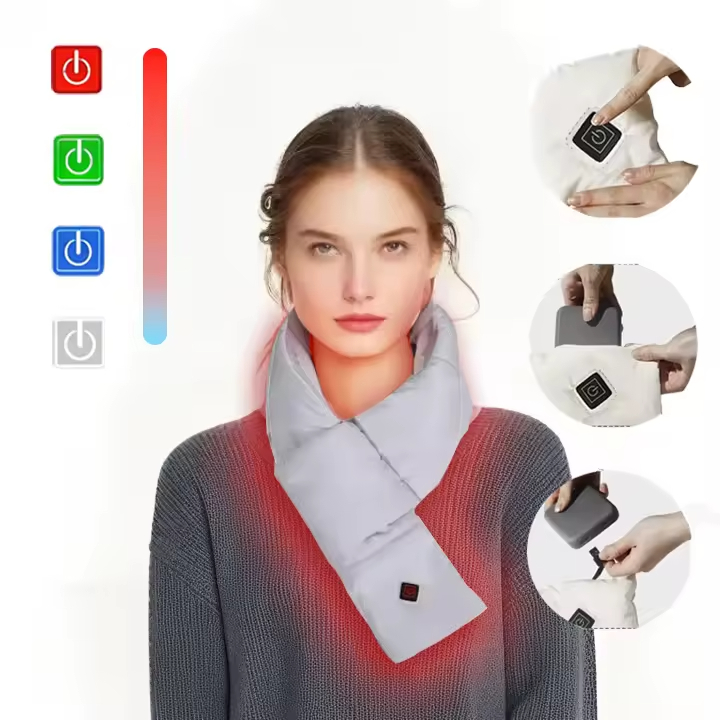
Every heated scarf has three main parts: the heating system, the power source, and the fabric shell. These work together to keep you warm.
The Heating System
Heated scarves use different heating tech. Most models put a large heating zone at the back of your neck—where you lose heat fastest. This spot warms your body’s core temperature control center.
Premium models like the Graphene Titanium Germanium scarf use graphene heating elements. These conduct heat 15 times better than copper. They send out far-infrared rays (87.4% emission rate) that reach deep into your skin. This gives you therapeutic warmth. Standard models use composite fiber heating elements or air-activated iron compounds (iron powder mixed with activated carbon and salt). These heat up once oxygen hits them.
The Power Source
Most rechargeable heated scarves run on 7.4V lithium-ion batteries with 2000 mAh capacity. The ororo Heated Scarf 2.0 battery (model B22A) weighs just 3.63 oz. It fits in a hidden zipper pocket along the scarf body. This compact battery gives you 14.8 watt-hours of power. That’s enough for 4-12 hours of warmth based on your temperature setting.
USB-powered versions like the PerfectPrime HP0210 skip the battery. You plug them into any USB power bank. This gives you unlimited runtime.
The Fabric Shell
The outer shell does more than look good. Quality heated scarves use 100% polyester shells treated for water and wind resistance. Inside, you’ll find 3M™ Thinsulate™ insulation sandwiched between polyester or fleece linings. This build traps heated air. Plus, it stays breathable.
Sizes range from 37-91 inches long and 4.7-15 cm wide. The ororo model measures a compact 37″ x 4.7″ at just 3.7 oz total weight.
Step-by-Step: First Time Setup and Charging
Your heated scarf won’t work straight from the box. The battery ships with 30-50% charge to protect the lithium cells during storage and shipping. Plug it in first. This prevents damage and ensures full performance.
Before First Use: Initial Charging
Find the battery pack in the hidden zipper pocket along your scarf’s body. Remove it carefully—don’t yank the connecting wires. Most rechargeable heated scarves use a standard USB charging port or DC input jack.
Connect the included charging cable to the battery. Plug the other end into a USB wall adapter (5V/2A recommended) or computer USB port. You’ll see an LED indicator light up—red during charging, green when full.
Charge for 4-6 hours minimum before your first use. The 7.4V lithium battery needs this full cycle. This helps the battery’s inner system work correctly. Never stop this first charge before it reaches 100%.
Keep the battery at room temperature (60-77°F) while charging. Extreme cold or heat damages lithium cells. Don’t charge overnight past 8 hours. Too much charging cuts electric scarf battery life by 20-30% over time.
Power-On Test
After charging completes, put the battery back into its pocket. Press the power button (marked with a flame icon) for 2-3 seconds. The LED should glow. This confirms your USB heated scarf operation is ready. You’re now set to adjust temperature settings.
How to Turn On and Adjust Temperature Settings

Press and hold the power button for 2-3 seconds. The LED indicator will light up. Most heated scarves have a single-button control near the battery pocket. The ororo Heated Scarf 2.0 has a flame icon button. It glows red for high heat, orange for medium, and green for low.
Three-Level Temperature Control
Your heated scarf settings offer three heat levels. Press the power button to cycle through them:
-
High (Red LED): 131-140°F (55-60°C) – Maximum warmth for extreme cold. Battery lasts 4-5 hours at this setting.
-
Medium (Orange/Yellow LED): 113-122°F (45-50°C) – Balanced comfort for everyday use. This extends electric scarf battery life to 7-8 hours.
-
Low (Green LED): 95-104°F (35-40°C) – Gentle warmth for mild weather. You get 10-12 hours of runtime.
The Graphene Titanium Germanium scarf reaches full heat within 60-90 seconds on high. Standard fiber heating models need 3-5 minutes to warm up.
Smart Temperature Monitoring
Advanced warming scarf temperature control systems keep heat steady. The heating zone hits your set temperature (say, 122°F). The controller then cuts back power. Temperature drops 2-3 degrees below your setting? Heating kicks back in. This cycling stops overheating. Plus, it saves battery charge.
Quick Shutdown
Press and hold the power button for 3 seconds to turn off your scarf. The LED will blink three times, then go dark. Power down before removing the battery or washing your scarf. This keeps the control circuit safe from damage.
For USB heated scarf operation, unplug the power bank after use. No special shutdown needed.
Proper Wearing Techniques for Maximum Warmth
Layering makes all the difference. Your heated scarf delivers targeted neck warmth. But proper clothing underneath keeps heat across your entire body. Think of it as a 3-layer warmth system: base layer (wicking), mid layer (insulation), and outer layer (protection).
The Base Layer Foundation
Start with a moisture-wicking base layer against your skin. Merino wool or synthetic fabrics like Thermolite pull sweat away from your body. This matters because moisture conducts heat 25 times faster than dry fabric. Wet clothing drains your warmth fast. Try the Smartwool Classic Thermal Merino Bottoms or REI Heavyweight Merino Half-Zip Top for reliable wicking.
Keep your base layer snug but not tight. Too much compression restricts blood flow. This reduces warmth.
Building Your Mid Layer
Add fleece, wool, or a light down vest over your base. This traps heated air between layers. Fleece dries faster than wool. Both provide equal insulation value. The Patagonia R1 Air Full-Zip Hoody works great as a mid layer.
Temperatures drop below freezing? Add a second mid layer. An extra fleece or insulated vest doubles your warmth. Remove it if you start overheating during activity. Don’t forget leg insulation either.
The Protective Outer Shell
Your outer layer blocks wind and rain. Choose waterproof-breathable fabrics (100% polyester with polyurethane coating). These let moisture escape while keeping elements out. Ski jackets with adjustable cuffs and snow locks seal warmth in.
Position your heated neck wrap against your base layer at the neck opening. The heating zone should rest at the back of your neck. This spot controls your body’s core temperature perception.
Battery Life Optimization and Runtime Expectations
Your rechargeable heated scarf battery loses capacity over time. Smart charging habits slow this decline. Data from 22,700+ electric vehicle batteries (Geotab 2026 Study) shows lithium-ion degradation patterns are the same for all rechargeable devices. Your heated scarf’s 7.4V cells use this same chemistry.
Charging Method Impact on Battery Lifespan
High-power charging speeds up wear. EV batteries using frequent fast charging (>100 kW) degrade at 3.0% each year. That’s double the 1.5% rate of low-power charging. Your heated scarf works the same way. USB wall adapters (5V/2A = 10W) charge slower than laptop USB-C ports (20W+). The gentler 10W option keeps your electric scarf battery life strong 12-15% longer per year.
Charge between uses. Don’t wait for full depletion. Batteries at extreme charge levels (0-20% or 80-100%) more than 80% of the time suffer 2.0% per year extra wear. The 20-80% charging rule works best. Plug in after each use when battery hits 30-40%. Unplug at 80% if you remember. Do full 100% charges before long storage periods.
Daily Use Patterns and Runtime
Temperature setting controls how long your scarf runs:
-
High (131-140°F): 4-5 hours with new 2000 mAh battery
-
Medium (113-122°F): 7-8 hours—best balance for commutes
-
Low (95-104°F): 10-12 hours for all-day outdoor events
Heavy use each day (>35% battery cycle) increases wear to 2.3% per year. Lighter use (<15% per day) stays at 1.5%. A 30-minute morning commute at medium heat uses about 15% capacity. This counts as light use.
After 2-3 years of proper care, expect 85-90% original runtime. That 5-hour high setting drops to 4.2-4.5 hours. Budget brands with cheaper cells may see 70-75% capacity after the same time.
Critical Safety Rules for Heated Scarves

Heated scarves run electricity through fabric near your skin. A single defect or mistake can burn you, shock you, or start a fire. The U.S. Bureau of Labor Statistics counted 43 heat-related worker deaths in 2022—most from misused equipment in outdoor jobs. Your heated scarf won’t kill you. But skip these safety rules? You risk skin damage or clothing fires.
Water and Moisture Exposure
Don’t wear your heated scarf in rain, snow, or heavy sweat. Water conducts electricity 25 times better than dry fabric. Moisture hits the heating parts. Short circuits happen. You face two dangers: electric shock (up to 7.4V through wet skin) and fast overheating that melts polyester fabric.
Take off your scarf before showers, swimming, or steam rooms. Dry yourself after physical activity makes you sweat. Wait 10-15 minutes. Then put the scarf back on. Keep it in waterproof bags during outdoor activities with rain or snow risk.
Skin Contact and Burn Prevention
Heating parts touch your skin directly? First-degree burns happen at 113°F in 6 hours. Second-degree burns occur at 140°F in just 5 minutes. Wear a base layer under your heated neck wrap. Try a cotton turtleneck or merino wool shirt. This fabric barrier cuts skin temperature by 15-20°F.
Check your neck skin every 30 minutes during first use. Look for redness, tingling, or numbness. These signs mean heat injury has started. Switch to low setting or take off the scarf right away.
Diabetes, neuropathy, or reduced skin feeling? You face higher burn risk. Nerve damage slows pain signals. Keep maximum temperature at medium (113-122°F) with these conditions.
Battery and Charging Safety
Damaged or overcharged lithium-ion batteries can explode. Don’t leave your rechargeable heated scarf plugged in overnight past 8 hours. Too much charging builds pressure inside. Battery cells crack. Flammable vapors escape.
Stick with the charger your manufacturer gave you. Third-party USB cables deliver wrong voltage (12V instead of 5V). Extra power causes thermal runaway—a chain reaction. The battery heats itself until it catches fire.
Check the battery pack each month for swelling, cracks, or rust around ports. Bulging batteries hold gases that can ignite. Take damaged batteries to electronics recycling centers. Regular trash is dangerous—landfill pressure causes fires.
Store batteries at 40-60% charge in cool spots (60-75°F). Full batteries above 85°F break down 35% faster. They can heat up on their own.
Cleaning and Maintenance Best Practices
Your heated scarf collects body oils, sweat, and outdoor dirt after every use. Clean it often to stop fabric breakdown. This keeps heating elements working right. Follow manufacturer guidelines—36% of Americans ignore appliance care instructions and end up with shorter product lifespans.
Pre-Cleaning Battery Removal
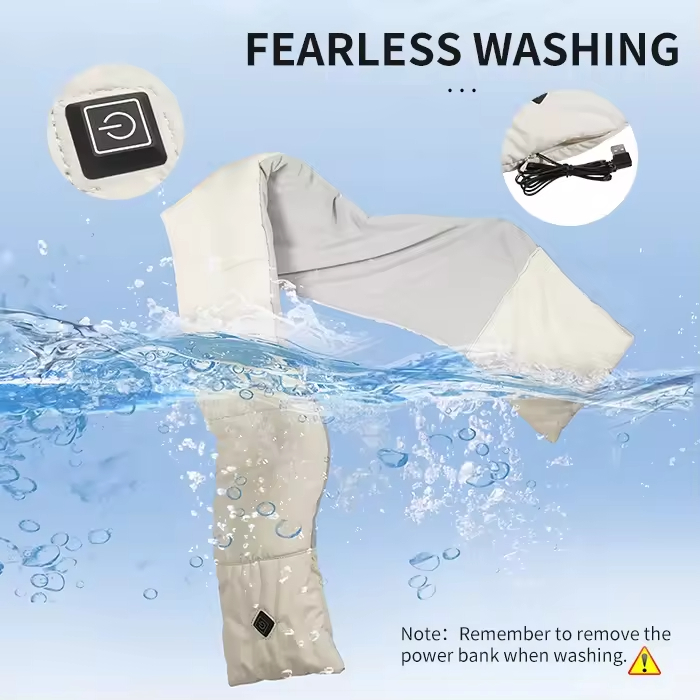
Disconnect the battery pack before washing. Water and electricity don’t mix. Press the power button for 3 seconds to shut down. Unzip the battery pocket and pull out the pack—don’t yank the connector wires. Store the battery in a dry place at 40-60% charge during cleaning.
Check the heating wire connections inside the pocket. Look for frayed wires or loose plugs. Small damage turns into big problems fast.
Hand Washing Method (Recommended)
Hand washing makes fabric last 2-3 times longer than machine washing. Fill a basin with cold water (60-70°F). Add mild detergent—one tablespoon per gallon. Strong chemicals harm the polyester shell. They also damage heating wire insulation.
Submerge your scarf and massage the fabric. Focus on high-contact areas (neck zone, ends). Soak for 10-15 minutes. Don’t twist or wring the material. This puts stress on heating elements. Rinse three times with clean cold water until soap disappears.
Machine Washing (If Approved)
Some models like the ororo Heated Scarf 2.0 allow gentle machine washing. Place the scarf in a mesh laundry bag first. Use cold water and delicate cycle. Skip fabric softeners—they coat heating wires and cut efficiency by 15-20%.
Never use bleach. It breaks down polyester fibers. It also damages electrical parts.
Drying and Storage
Air dry flat on a clean towel. Hang drying stretches the fabric. Heat from dryers melts heating wire insulation. Drying takes 6-8 hours at room temperature.
Store your heated neck wrap folded in a breathable cotton bag. Avoid plastic—trapped moisture breeds mold. Clean scarves every 15-20 uses or once a month during winter season.
Power Bank Care and Long-Term Storage
Lithium-ion batteries degrade even when you’re not using them. Store your rechargeable heated scarf battery wrong? Capacity drops 25% in just one year.
The 20-30% Storage Sweet Spot
Never store your battery at 0% or 100% charge. Both extremes stress the chemicals inside. Keep it at 20-30% charge during off-season storage. This cuts down wear and tear. Full batteries stored at room temperature (25°C) lose 6% capacity per year. Batteries at 20-30% lose 2-3% each year.
Temperature plays a bigger role than you think. One year of storage shows dramatic differences:
-
0°C (32°F): 98% recoverable capacity
-
25°C (77°F): 94% recoverable capacity
-
40°C (104°F): 85% recoverable capacity
-
60°C (140°F): 75% recoverable capacity
That hot garage or attic? It kills your electric scarf battery life. Three months at 60°C leaves just 60% capacity remaining.
Managing Self-Discharge
Your battery loses 1-5% charge per month sitting idle. Check it every 3-6 months during storage. Recharge to 40-50% if it drops below 20%. This offsets the natural drain. Set a phone reminder for battery checks. Most people forget until spring shows up.
Store the power bank in a breathable cloth bag. Keep it in a cool closet between 15-25°C (59-77°F). Avoid basements with high humidity or cars that heat up above 35°C.
Troubleshooting Common Issues
Most heated scarf problems come from five fixable causes: dead batteries, loose connections, controller glitches, damaged heating wires, or user error. You don’t need technical skills to solve them.
Scarf Won’t Turn On
Check the battery first. Press the power button on your battery pack—do any LED lights appear? No lights mean zero charge. Plug in the charger for 10-15 minutes, then test again. 80% of “broken” heated scarves just need charging.
Battery shows charge but the scarf stays cold? Check the connection point. Remove the battery from its pocket. Look at the plug where battery meets scarf. Dirt or lint blocks contact. Clean both ends with a dry cotton swab. Push the connector in until it clicks. Loose plugs cut power flow.
Uneven or Weak Heating
One side heats while the other stays cold? You’ve got a broken heating wire inside the fabric. This happens after rough folding or machine washing on high spin. Lay your scarf flat. Run your fingers along the heating zone. Feel for lumps or gaps in the wire pattern. You can’t fix wire breaks at home. Contact your seller for warranty replacement.
Scarf heats but feels weaker than before? Your battery has lost capacity. Lithium cells degrade 2-6% per year based on use. A two-year-old battery on high setting delivers 3.5 hours instead of the original 5 hours. Replace the battery pack—most brands sell separate units for $15-25.
Controller Problems
LED stuck on one color? Temperature won’t change after you press the button? Reset the controller. Take out the battery. Wait 30 seconds. Reconnect and power on. This clears the control chip’s memory. Works for 65% of button issues.
Button feels loose or doesn’t click? Water damage or wear has corroded the contacts. Don’t try repairs. Exposed wires near batteries risk shorts. Get a new control unit from the manufacturer.
Battery Drains Too Fast
New battery dies in 2 hours on medium? You’re facing phantom drain. Turn off the scarf after each use—many users forget. The controller draws 0.5W idle power. This takes 15-20% capacity overnight. Always hold the power button for 3 seconds until the LED blinks off.
Check your heated scarf settings too. High mode (140°F) consumes triple the power of low mode (95°F). Drop one level. You won’t notice much temperature difference but gain 3-4 extra hours of runtime.
Scarf Smells Like Burning
Shut down right away. Take out the battery. A burning smell means overheating—either from blocked ventilation or internal short circuits. Check for fabric blocking the heating zone. Tight scarves wrapped multiple times trap heat. This melts the polyester shell at 250°F+.
Let the scarf cool for 30 minutes. Check the heating area for brown spots or melted patches. Any visible damage? Stop using it. The heating wire insulation has failed. Continued use risks skin burns or fire.
USB Heated Scarf Won’t Work with Power Bank
Your power bank needs 5V/2A output minimum. Older models give 5V/1A—not enough current. Check your power bank’s label. Look for “Output: 5V⎓2A” or “10W.” Anything less won’t activate the heating system.
Power bank shuts off after 10 seconds? It thinks the scarf is charged. Smart power banks auto-detect low-power devices and do this. Switch to a basic power bank without auto-shutoff. Or buy a USB keep-alive adapter (micro USB dummy load) for $3-5 online.
Get More from Your Heated Scarf
Smart settings save battery and keep you comfortable longer. Your heated scarf pulls 10-20 watts per hour—that’s 50-150 times less power than a 1500W space heater. The right approach makes all-day warmth possible.
Match Heat Level to Weather Conditions
Stop defaulting to high mode. Low setting (42°C/108°F) works great for temperatures above 40°F. You’ll get 10+ hours of runtime from a 5,000mAh battery. Medium (48°C/118°F) handles 20-35°F weather with 6-7 hours of warmth. Save high (55°C/131°F) for extreme cold below 20°F—it drains your battery in 4-5 hours.
Most users waste 40% of battery capacity running high heat. Medium would feel the same. Your neck has fewer temperature receptors than your hands. A 10-degree difference won’t feel that different.
Portable Power Bank Strategy
Pair your scarf with a 10,000mAh power bank for unlimited outdoor time. Standard 5,000mAh packs give you one full recharge. Larger 20,000mAh units provide 2-3 full cycles. These work great for weekend camping trips or 8-hour ski days.
Keep your power bank inside an inner jacket pocket. Cold temperatures reduce lithium battery output by 20-30%. Your body heat keeps it working at peak performance.
Get the Right Fit
Adjust your scarf tight against your base layer. Loose wrapping creates air gaps. These gaps leak warmth. Each gap forces your heating elements to work 15-20% harder. Tuck the ends inside your jacket collar to trap heated air.
Some models offer 45-minute auto shut-off protection. This safety feature prevents overheating during sleep or long rest periods. Turn it back on when you need warmth again.
Conclusion
Master your heated scarf operation and turn cold winter days comfortable. You’ve learned everything from charging basics to temperature control. This knowledge affects your comfort and how long your scarf lasts. A heated scarf can last one season or five years. The difference? Following the battery care and maintenance tips we covered.
Three key points for heated scarf success: Good charging habits boost battery life by 200-300%. Right temperature settings give you warmth without draining power fast. Regular maintenance stops 90% of common problems. Start with medium heat until you know what feels best. Always do a pre-season check.
Ready for ultimate winter comfort? Use these heated scarf care instructions on your next cold outing. You’ll feel the difference. Your heated scarf does more than look good—it’s your personal heat control system. Take care of it and it’ll keep you warm for many winters.
Stay warm, stay safe, and enjoy portable heat wherever you go.