
What Is a Phase Change Cooling Vest: Core Definition and Technology
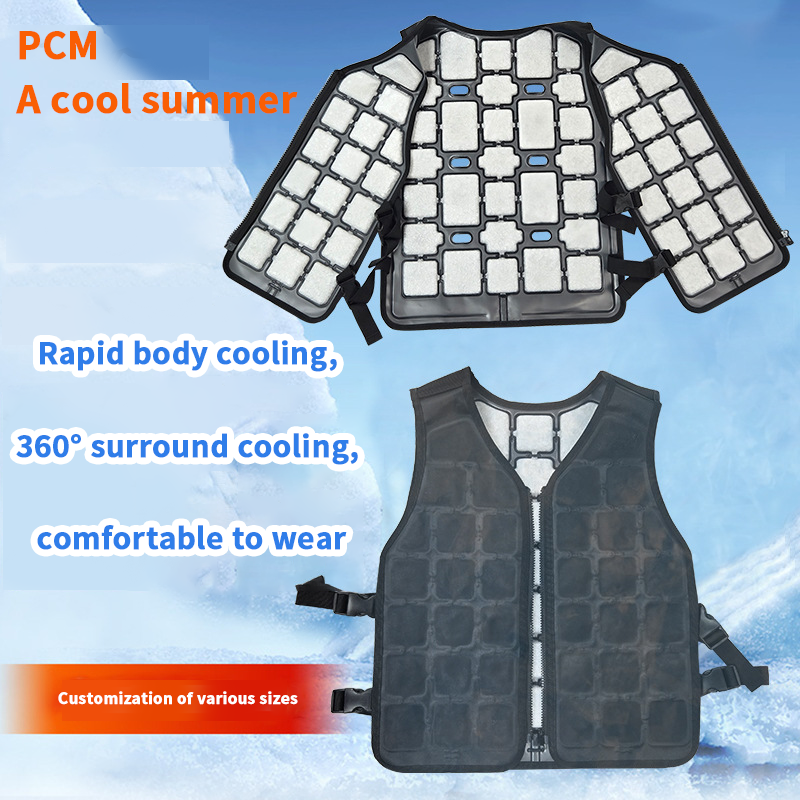
A phase change cooling vest uses special materials that shift between solid and liquid states. This shift helps control your body temperature. These vests pack Phase Change Material (PCM) inserts into their design. The action starts at specific trigger points—58°F (14.4°C) or 64°F (18°C). The material absorbs excess heat at these temperatures. It does this through molecular change, not just cold transfer.
The Science Behind PCM Technology
Traditional ice vests freeze solid. They drop temperatures too fast. PCM technology takes a different approach. The material holds one steady temperature during its full phase shift from solid to liquid. You get consistent cooling without frozen ice shocking your skin. This controlled process stops ice burn. Plus, it gives you reliable heat control.
The cooling duration varies by activation temperature:
-
64°F models deliver up to 4 hours of protection (Chill-Its 6225, 6235, 6215)
-
58°F versions provide 2-3 hours of intense cooling (Cool58, MiraCool)
-
Standard configurations offer 2-3 hours with four PCM pack inserts (OccuNomix)
Activation Methods and Timing
You need to recharge PCM packs between uses. Your options include:
|
Cooling Method |
Activation Time |
|---|---|
|
Ice water cooler |
10-20 minutes |
|
Freezer |
15 minutes to 2-3 hours |
|
Refrigerator |
25 minutes to 5-6 hours |
|
Air conditioner |
1-2 hours |
Physical Specifications
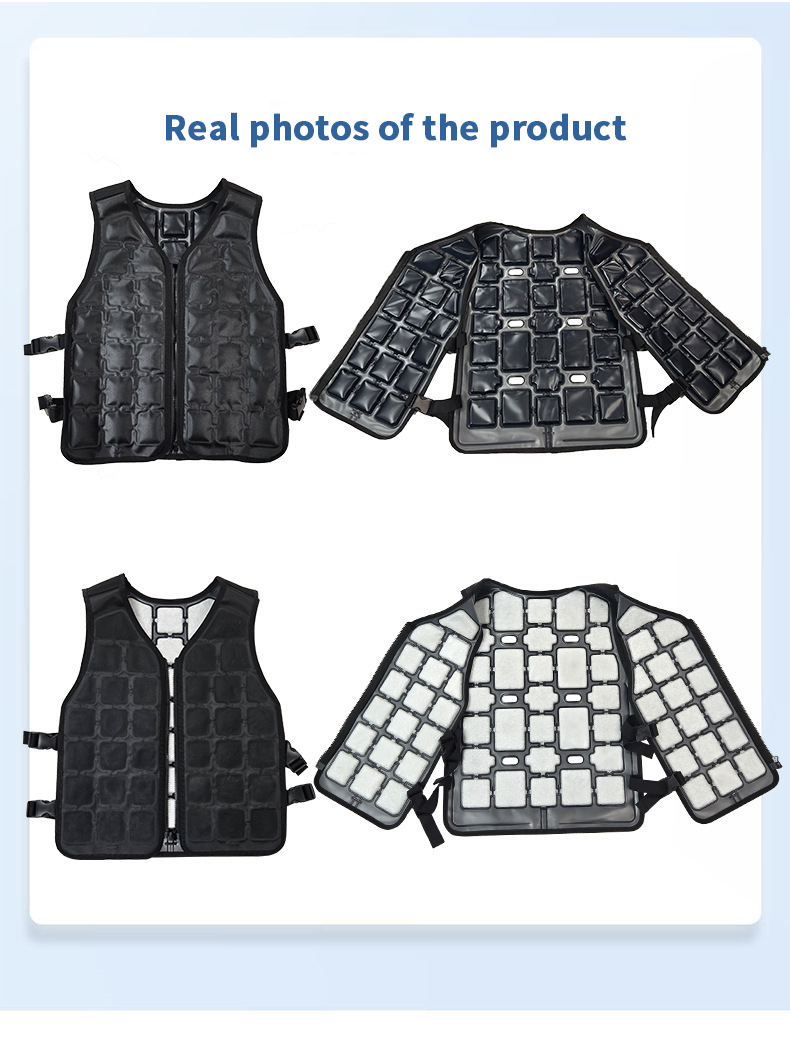
PCM vests use honeycomb-structured packs that stay flexible during use. This patented design fixes the stiffness problem found in gel packs. The materials are non-toxic and leak-proof. Weight depends on size and pack quantity. Small/medium configurations run around 2.7 kg (6 lbs). Large/XL versions reach 4 kg (9 lbs) with full inserts.
The technology works best where evaporative cooling fails. High humidity environments benefit from it. So do indoor spaces without airflow and enclosed workspaces. PCM gives you consistent performance across all these conditions.
How Phase Change Materials Work in Cooling Vests
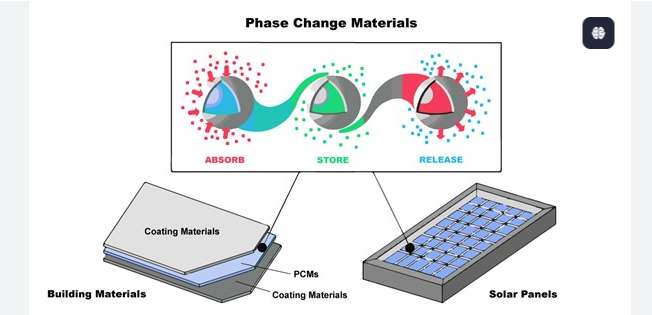
Phase change materials pull heat from your body as they transform. The material goes from solid to liquid at a set temperature. As this happens, it takes energy from your skin. But the material itself doesn’t get warmer. This is called latent heat of fusion. Your body loses heat. The PCM stores it. The temperature stays the same until all the material melts.
The Heat Extraction Process
Blood flows close to your skin surface. PCM packs sit right against this area. The temperature gap makes heat move. Heat goes from warm (your body) to cool (the PCM). A bigger gap means faster cooling. That’s why 14°C melting point vests work better than 20°C or 28°C versions. Lower temperatures make bigger gaps. This pulls more heat from your body.
Cooling Power Across Different Designs
Real tests show big differences between vest types. Researchers tracked cooling power in watts per square meter (W·m⁻²) over eight hours:
-
STA (PCM): 23 W·m⁻² average – the strongest PCM vest tested
-
POLAR (PCM): 16 W·m⁻²
-
GTEK (PCM/gel hybrid): 13 W·m⁻²
-
ERGO (PCM): 10 W·m⁻²
Peak power shows something different. Ice-based vests hit 80-90 W·m⁻² right away. PCM vests like STA reach 65 W·m⁻² max. But here’s the catch – ice releases all its cooling fast. PCM spreads it out over time.
Duration of Effective Cooling
The key number is 20 W·m⁻². Drop below this, and cooling becomes too weak for hard work. Test results show:
-
STA: 3.5 hours above 20 W·m⁻²
-
POLAR/GTEK: 3 hours
-
ERGO: 2 hours
-
High-temp PCM (29°C melting): 0 hours – never reached useful levels
Total cooling power (tracked over 8 hours) puts STA at 164 W·h·m⁻². This beats most passive systems. Active cooling systems reach 331 W·h·m⁻², but they need power and weigh more.
Material Properties in Action
Common PCM materials are paraffin wax and special water mixes. These have high latent heat values. They soak up lots of energy as they melt. Ice has even higher latent heat and costs less. But ice brings problems – it’s stiff, shocks your skin with cold, and melts too fast for steady cooling. PCM materials bend easily. They hold steady temps through their whole change from solid to liquid.
Key Features and Performance Specifications
Phase change cooling vests deliver measurable results in three main areas: cooling power, physical build, and how they operate. These specs show how well a vest works in real use.
Cooling Capacity Metrics
Heat absorption rate splits good vests from poor ones. Top PCM vests absorb 23-65 W·m⁻² during active cooling. This pulls out around 400-1,100 BTU of body heat per cycle. Quality vests store 800-1,200 kJ of total cooling energy. The amount depends on how many PCM packs you have and what material they use.
Active cooling duration varies a lot between models:
– Premium vests (58°F activation): 2-3 hours above 20 W·m⁻² threshold
– Standard vests (64°F activation): 3-4 hours moderate cooling
– Extended-duration designs: Up to 5-6 hours with additional inserts
Physical Design Specifications
Pack configuration affects coverage and weight balance:
– 4-pack systems: 2.7 kg (6 lbs) – covers chest and upper back
– 6-pack systems: 3.5 kg (7.7 lbs) – adds side panel coverage
– 8-pack systems: 4-4.5 kg (9-10 lbs) – full torso protection
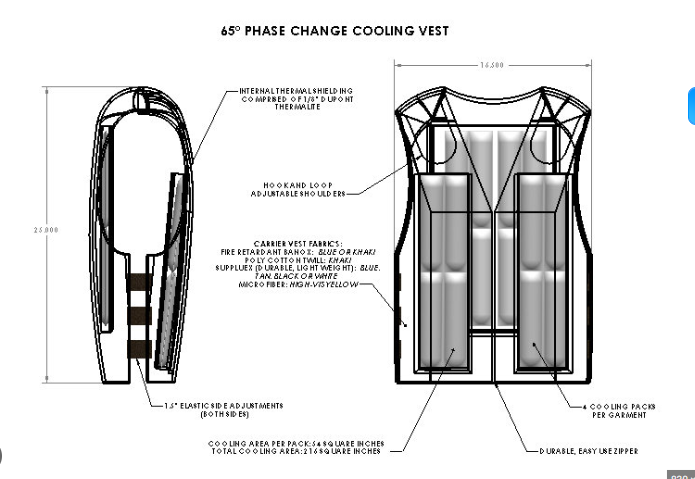
Coverage area spans 0.15-0.25 m² of skin contact surface. Each PCM insert measures 15 cm × 20 cm × 1.5 cm on average. The honeycomb structure stays flexible. It also stops material from shifting during phase change.
Operational Parameters
Recharge specifications change by cooling method:
– Ice water: 10-20 minutes to reach activation point
– Freezer (-18°C): 15-45 minutes depending on PCM type
– Refrigerator (4°C): 25 minutes to 6 hours based on ambient conditions
Temperature maintenance stays within ±2°C of the phase change point during active cooling. This steady range stops thermal shock. It also boosts heat transfer speed.
Durability ratings for quality vests include:
– 500+ freeze-thaw cycles before performance drops
– Leak-proof construction tested to 10 kPa pressure
– UV resistance for outdoor use (50+ UPF rating on shell fabrics)
Phase Change Cooling vs Other Cooling Technologies
Four main cooling methods compete today: phase change vests, evaporative systems, ice-based vests, and active circulation units. Each pulls heat from your body using different science. They differ in cooling power, how long they last, and what conditions work best.
Evaporative Cooling: The Humidity Problem
Evaporative vests soak fabric with water. Air moves past the fabric and turns water into vapor. This pulls heat from your skin. Dry climates? The system works great. A construction worker in Arizona gets strong cooling for 4-6 hours per water cycle.
Step into humid air and performance crashes. Humidity hits 60% or higher. Evaporation slows down. Your vest stays wet. Your skin stays hot. Indoor spaces with no airflow? Evaporative cooling stops working.
Phase change vests don’t need air movement. They don’t need dry conditions either. The PCM absorbs heat through direct contact. A 58°F activation vest delivers 23-65 W·m⁻² cooling power. Basement, ship engine room, medical clean room – doesn’t matter. Humidity? Makes zero difference.
Ice Vests: Peak Power vs Duration Trade-off
Traditional ice packs hit hardest at the start. Test data shows 80-90 W·m⁻² peak cooling. That’s higher than any PCM vest. You feel intense cold right away. But ice dumps its energy fast. Most ice vests drop below 20 W·m⁻² within 60-90 minutes. Too weak for hard work.
Stiffness creates another problem. Frozen ice restricts movement. You bend over. The packs dig into your ribs. PCM stays flexible through its entire melt cycle. The honeycomb structure bends with your body.
Plus, PCM holds steady at its melt point. Ice starts at 0°C and climbs fast. That temperature jump causes uneven cooling. It can cold shock your skin.
Active Circulation Systems: Power for Performance
Battery-powered vests pump chilled liquid through tubes against your skin. These hit 331 W·h·m⁻² total cooling over eight hours. That’s double what top PCM vests achieve.
Three drawbacks exist. Weight – batteries add 1-2 kg. Cost – $300-800 vs $80-200 for PCM. Maintenance – pump failures, battery wear, tube leaks.
A welder in a shipyard can’t risk electrical parts near sparks. A marathon runner won’t carry battery packs. PCM vests need zero power. You recharge them in ice water for 10-20 minutes. No charging cables. No pump noise. No battery worries.
Performance Comparison at a Glance
|
Technology |
Cooling Duration |
Peak Power |
Weight |
Environment Limits |
|---|---|---|---|---|
|
PCM (58°F) |
2-3 hours |
65 W·m⁻² |
2.7-4 kg |
None |
|
PCM (64°F) |
3-4 hours |
40 W·m⁻² |
2.7-4 kg |
None |
|
Ice packs |
1-1.5 hours |
85 W·m⁻² |
3-5 kg |
Rigid when frozen |
|
Evaporative |
4-6 hours |
30 W·m⁻² |
0.8-1.5 kg |
Fails in humidity |
|
Active pump |
6-8 hours |
90 W·m⁻² |
4-6 kg |
Needs power source |
The right choice depends on your job. Outdoor work in dry heat? Evaporative systems win with long runtime and light weight. Indoor high-heat zones with no airflow? PCM delivers reliable cooling. Jobs need maximum cooling for short bursts? Ice vests fit best. Long missions with power access? Active systems work well despite their added parts.
Who Benefits: Application Scenarios and Target Users
Six groups use phase change cooling vests. Each group faces different heat problems. PCM technology solves these better than other options.
Industrial and Construction Workers
Welders, roofers, and foundry workers face extreme heat. Steel mills hit 45-50°C. Radiant heat from molten metal pushes temps above 60°C. A foundry worker in Pittsburgh dropped core body temperature by 0.8°C with a 58°F PCM vest during 4-hour shifts.
Pipeline welders deal with two issues. Confined spaces block airflow. Spark hazards make electrical cooling devices unsafe. PCM vests need no power. They stay flexible in tight work areas. Companies using vest programs see 23% fewer heat-related incidents.
Military and Emergency Responders
Firefighters wear 25-30 kg protective gear that traps heat. Physical work and fire temps spike core body heat to dangerous levels fast. Fire departments in Phoenix and Houston give crews pre-cooled PCM vests. These go under turnout gear during structure fires.
Military personnel in desert areas patrol for 8-12 hours. Standard ice vests melt in 90 minutes. A 64°F PCM vest cools for 3-4 hours. This covers half a patrol. Soldiers recharge packs with vehicle-mounted coolers between missions.
Athletes and Outdoor Sports Enthusiasts
Marathon runners and cyclists wear PCM vests during warm-up and recovery. The University of Alabama tracked runners using pre-cooling vests. Those who wore 58°F PCM vests for 30 minutes before racing showed 12% better performance in 10K events.
Outdoor workers like landscapers and event staff need all-day protection. A Florida landscaping company tested cooling methods on 40 employees. Workers picked 64°F PCM vests over evaporative systems. Why? Humidity resistance and no water refills during shifts.
Medical Condition Management
Multiple sclerosis patients get worse in heat. Just 0.5°C more triggers fatigue and mobility issues. MS patients using PCM vests get 2-3 hours of relief. This lets them do outdoor activities they used to avoid.
People with hyperhidrosis and heat intolerance from medications also benefit. A 34-year-old teacher on beta-blockers couldn’t regulate temperature. A lightweight PCM vest during outdoor recess duty stopped heat exhaustion. Without cooling, this happened 3-4 times each month.
Target User Profile Breakdown
|
User Type |
Priority Features |
Typical Environment |
Usage Pattern |
|---|---|---|---|
|
Industrial workers |
Durability, 2-4 hour duration |
40-50°C indoors |
Shifts each day, quick recharge |
|
Emergency responders |
Under-gear fit, spark-safe |
Variable, extreme peaks |
Intermittent high-intensity |
|
Athletes |
Lightweight, pre-cooling |
Outdoor, 25-35°C |
Pre/post-event recovery |
|
Medical users |
Extended comfort, low weight |
Everyday activities |
Symptom management, as-needed |
|
Military personnel |
Rugged, field-rechargeable |
Desert/tropical climates |
Multi-hour missions |
Companies selling PCM vests should group marketing by job function, not just demographics. A 28-year-old office worker and a 28-year-old ironworker need different messages. One wants occasional relief. The other needs industrial-grade protection for work shifts.
The Science Behind It: How Does Phase Change Cooling Work?
To understand a phase change cooling vest, we first need to break down its core component: phase change material (PCM). PCM is a substance with a unique ability to absorb, store, and release large amounts of thermal energy during phase transitions—typically from solid to liquid or vice versa—at a nearly constant temperature. For human cooling applications, PCM is engineered to melt (change from solid to liquid) at a precise temperature range (usually 28–32°C / 82–90°F), which aligns with the body’s optimal comfort zone.
How to Use and Maintain Your PCM Cooling Vest
PCM packs must reach solid state before they start cooling. Drop them in ice water at 0°C for 20-30 minutes. A freezer needs 35 minutes. A fridge takes longer but still works. The rule? Store at temps 3°C below your PCM rating. Got 21°C packs? Keep them at 18°C or colder. Check by touch – solid means ready.
Activation and Wearing Protocol
Pull the solid packs from storage. Modular vests have pockets – slide packs into front and back slots. Some designs come pre-loaded. Adjust the fit using Velcro straps at waist and shoulders. Stretch panels help. Buckles lock the position better. Hook-and-loop closures give you the most room to adjust.
Wear it over a thin shirt or under work gear – both work. The vest starts cooling once your skin hits the trigger temp. A 28°C-rated pack starts pulling heat the moment your body reaches that temp. The material stays steady as it melts. You get constant cooling until all PCM turns liquid. No temp swings like ice gives you.
Back packs weigh 550g. Front packs run 280g each. Total vest weight sits 30-60% lighter than ice-based systems. Most vests measure 43×56 cm. Velcro makes one size fit most people.
Cooling Performance Expectations
Your cooling time depends on PCM temp rating:
|
PCM Temp |
Cooling Time |
Best For |
|---|---|---|
|
15°C/59°F |
2 hours |
Maximum intensity work |
|
18°C/64°F |
2-4 hours |
Heavy labor shifts |
|
21°C/70°F |
3-4 hours |
Moderate activity |
|
24-25°C/74-77°F |
3-4 hours |
Extended comfort |
|
28°C/82°F |
5-10 hours |
Light activity, medical use |
Performance Factors: What Affects Cooling Duration
Three factors control how long your PCM vest keeps you cool: the material’s melting point, your work intensity, and the air temperature around you. These work together. You might get two hours of relief. Or you might get four.
PCM Temperature Rating Impact
Lower melting points use up cooling faster. A 15°C (59°F) vest absorbs heat fast. It pulls maximum energy from your body. But the material turns to liquid within 2-2.5 hours during heavy work. The phase change ends. Cooling stops.
Higher ratings last longer. 28°C (82°F) packs stay active for 5-10 hours. The trade-off? Less cooling power. The smaller temperature gap between your skin and the PCM slows heat transfer. You feel less relief per minute.
Performance data across ratings:
– 15°C packs: 23-65 W·m⁻² power, 2-hour duration
– 18°C packs: 40-50 W·m⁻², 2-4 hours
– 21°C packs: 30-40 W·m⁻², 3-4 hours
– 28°C packs: 15-25 W·m⁻², 5-10 hours
Metabolic Heat Load Effects
Your activity level drives how fast PCM runs out. Resting in shade? A standard vest lasts 6+ hours. Walking at moderate pace cuts this to 4-5 hours. Heavy lifting or hard physical work? Expect 2-3 hours max.
Construction workers digging trenches create 400-500 watts of body heat. This uses up PCM packs faster than office workers doing light tasks at 150-200 watts. The vest can’t handle extreme heat output. More body heat speeds up the change from solid to liquid.
Ambient Temperature Influence
Outside heat speeds up PCM depletion in two ways. Hot air heats the vest’s outer shell. Heat from surfaces adds more thermal load. A 64°F-rated vest lasts 4 hours at 25°C. The same vest drops to 2.5 hours at 38°C.
Indoor spaces with poor airflow trap heat around the vest. Outdoor shade works better than full sun. A roofer in summer sun faces 15-20°C higher heat than someone in an air-conditioned warehouse. This difference cuts cooling time almost in half.
Humidity doesn’t change PCM performance on its own. But it stops your sweat from drying. Your body makes more heat trying to cool down. This extra heat load uses up the vest faster.
Buying Guide: Selection Criteria and Quality Indicators
PCM vests don’t all work the same. Four key factors separate pro-grade gear from cheap models that break down after a few weeks.
PCM Material Type and Melting Point Match
Melting point sets your cooling window. Match the activation temperature to where you work. Indoor warehouses at 30°C need 21-24°C PCM packs. Outdoor construction in 38°C heat? You need 15-18°C packs for real cooling.
Material composition counts. Bio-based PCM handles 60,000+ freeze-thaw cycles. Paraffin-based options last 20,000-30,000 cycles before they break down. Salt hydrate blends fall in between at 40,000 cycles. A $150 vest with bio-PCM outlasts an $80 paraffin model by 2-3 years with regular use.
Ask sellers for phase change enthalpy ratings. Quality packs store 180-220 kJ/kg. Cheap versions drop to 120-150 kJ/kg. That’s 30-40% less cooling for the same weight.
Pack Configuration and Coverage Area
4-pack systems cover chest and upper back. This works for office or light work. 6-pack designs add side panels. You get 25% more skin surface protected. 8-pack vests wrap your full torso but add 1.5-2 kg extra weight.
Check contact area per pack. Premium inserts cover 300-350 cm² each. Budget packs shrink to 200-250 cm². A 6-pack vest with small inserts gives less cooling than a 4-pack with large inserts.
Look at pack positioning flexibility. Removable inserts let you adjust weight spread. Fixed-pocket designs lock you into one setup no matter what you’re doing.
Performance Verification Methods
Compare seller data against independent specs. Claims of 6-hour cooling need details – at what temperature and activity level? Request cooling curve graphs showing W·m⁻² output over time. Real brands provide this data.
Order volume shows reliability. Products with 1000+ verified purchases have proven track records. Read the 1-2 star reviews first. Repeated complaints about pack leakage, short duration, or bad fit expose quality problems makers try to hide.
Warranty terms show confidence levels. 30-day returns hint at poor quality. 1-year coverage on PCM packs and 2-year shell warranties mean solid construction. Some industrial suppliers offer pack replacement programs. You pay 40-50% less for new inserts versus buying whole vests.
Price-to-Performance Benchmarks
|
Price Range |
Expected Features |
Target User |
|---|---|---|
|
$60-90 |
4 packs, 21-28°C rating, basic shell |
Occasional use, light activity |
|
$100-160 |
6 packs, 15-21°C rating, reinforced construction |
Regular work shifts, moderate heat |
|
$180-250 |
8 packs, bio-PCM, modular design, extended warranty |
Professional/industrial regular use |
Cost per cooling hour matters more than upfront price. A $140 vest lasting 2-3 hours for 3 years (900 uses) costs $0.05 per hour. A $75 vest failing after 200 uses at 2 hours each runs $0.19 per hour. That’s 4x more expensive long-term.
Test recharge speed if you can. Quality PCM solidifies in ice water within 15-20 minutes. Lower-grade materials need 45+ minutes or won’t recharge completely without freezer use. This counts especially if you need multiple cooling cycles per day.
When you wear a phase change cooling vest, the PCM modules embedded in the fabric absorb excess body heat as they transition from solid to liquid. This process “stores” heat without raising the vest’s surface temperature, keeping your core cool. Once the PCM has fully melted, the vest maintains this stable temperature until the PCM is recharged (by placing it in a freezer or cooler to solidify again).
Conclusion
Phase change cooling vests mark a major step forward in wearable cooling tech. They give professionals and athletes a proven way to fight heat stress. Traditional cooling methods offer short, uneven relief. Phase change materials control temperature steadily for hours. Construction workers, firefighters, outdoor athletes, and anyone facing extreme heat need these vests.
This technology works beautifully because it’s simple. No batteries. No electricity. Just physics doing the work for you. These vests absorb and store extra body heat at controlled temperatures. They create a personal cool zone that keeps you comfortable and focused.
Ready to feel the difference? Check out our PCM cooling vests at CoolHeatech.com. We’ve tested and picked solutions for every use—from industrial work clothes to athletic gear. Your body won’t give up in extreme heat. Your cooling gear shouldn’t either.
Stay cool. Stay safe. Stay productive.