
It’s a hot summer afternoon. You need relief from the heat. Your dog is lying on their Cooling Mat, looking comfortable. Could this work for you too?
Many budget-conscious people are asking the same question. They’re finding that Dog Cooling Mats might be an affordable way to beat the heat. But before you take your pet’s spot, you need to know some key facts about safety, how well they work, and proper use.
Pressure-activated cooling pad technology in pet products looks simple. But using them for humans is different. You need to understand what they’re made of, their size limits, how much weight they can hold, and possible health risks.
This guide will help clear things up. We’ll look at whether these multi-purpose cooling pads can work for both you and your pet. You’ll get science-backed information, safety details, and real-world test results. This way, you can make a smart choice without risking your health or spending money on something that doesn’t work.
Can You Use Dog Cooling Mats For Humans? The Answer and Safety Guide
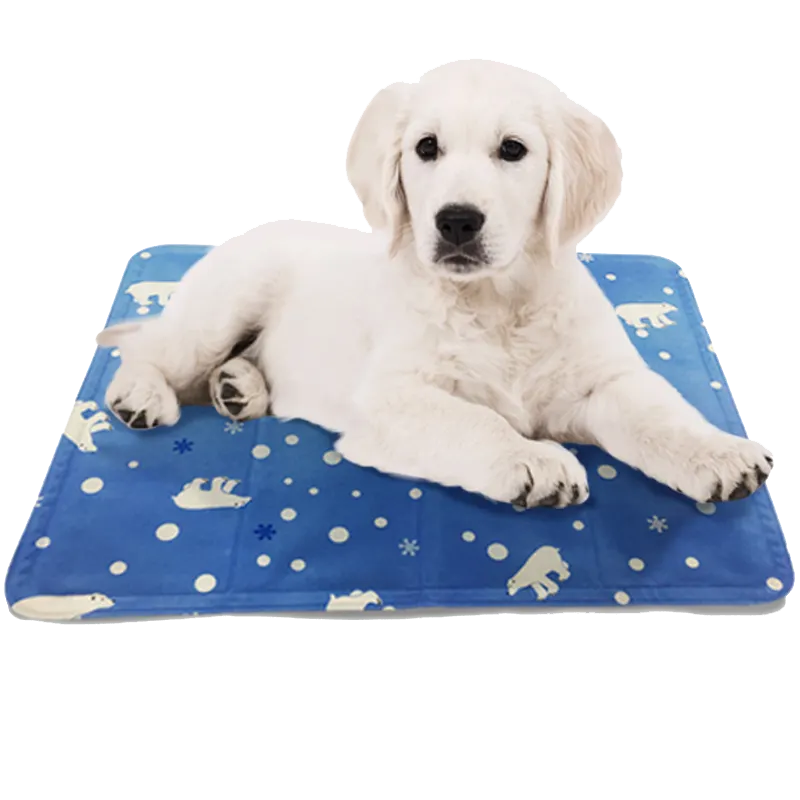
As a 16-year-old industrial and trading manufacturer specializing in human and pet cooling solutions, Ice Bear often gets asked: “Can you use dog cooling mats for humans?”The answer is a resounding yes—when chosen wisely and used correctly. Dog cooling mats, designed for pets, can be a safe, effective, and budget-friendly option for human cooling. This guide breaks down the science, practicality, and best practices for using dog cooling mats for humans, while seamlessly integrating key industry keywords to help you make informed choices.
The short answer is yes, you can use dog cooling mats. The cooling mechanism works the same for everyone. These products use simple physics: gel, water, or phase-change materials pull heat away from your body.
How the Heat Transfer Works
The science is simple. Dogs run hot at 101-102.5°F (38.3-39.2°C). Humans stay cooler at 98.6°F (37°C). Place either body on a mat filled with 72°F (22°C) water or gel. You create a 29°F temperature gap. Heat moves from the warmer body into the cooler material. This happens through conduction.
This process works the same for humans and pets. Your body doesn’t care what the label says.
Cooling Performance: What to Expect
Different mat types give different results:
| Mat Type | Cooling Duration | Temperature Drop | Key Considerations |
|---|---|---|---|
| Gel-filled | Short periods (15-45 min) | Up to 29°F difference | Reactivates with pressure release; can puncture |
| Water-filled | Several hours | 29°F difference maintained | No electricity needed; stops working above 100°F |
| Phase-change | Longest lasting | Sustained cooling | Heavier and costs more |
| Ice-based (e.g., CoolerDog Hydro) | Most reliable | Consistent via 88 FlexiFreeze cubes | Reusable; competition-tested |
Above 80°F (27°C), these mats provide good relief for both humans and dogs. But they work best for short-term cooling, not all day.
The Critical Safety Concerns You Can’t Ignore
“Pet-safe” doesn’t mean human-safe in practice:
Material Toxicity Risks
Many makers claim their gels are “non-toxic.” These claims often lack proof. Vet records show many cases of gut blockage and poisoning. This happens after pets chew through covers and eat the gel inside.
The real danger? Some hydrogels contain polyacrylamide or polyacrylate compounds. These break down and release acrylamide—a neurotoxin. In pets, this causes muscle tremors, seizures, fast heart rate, and even death. For humans, the risk may be worse. Our brains are more sensitive.
Did you or a family member eat gel material? Watch for these symptoms:
– Vomiting or nausea
– Loss of balance or coordination
– Muscle tremors or twitching
– Rapid heart rate
Contact the National Poison Control Center right away at 1-800-222-1222. Neurological symptoms need emergency room care.
Temperature-Related Hazards
Overheating is one concern. But the opposite risk exists too. Long contact with cooling surfaces can cause:
- Thermal shock in sensitive people
- Hypothermia risk for older, frail, or smaller users
- Skin irritation from long cold exposure
Small children and older adults face the same risks as puppies. They may not notice or tell you about discomfort before problems start.
Physical Safety Issues
Beyond chemical concerns:
– Leak hazards: Water or gel spills make hard floors slippery
– Mold growth: Not drying between uses lets bacteria and fungi grow
– Material breakdown: Repeated pressure breaks down gel over time, making punctures more likely
Proper Usage Protocol for Human Safety
Follow these steps to stay safe:
1. Check Before Use
Look at the entire mat surface for cracks, weak spots, or moisture. Run your hands over the cover fabric. Look for tears. Throw away any damaged unit right away.
2. Place in the Right Spot
Put the mat in shaded, well-aired areas. Direct sunlight or temps over 100°F reverse the cooling. The mat soaks up heat from the air instead of your body.
3. Set Time Limits
These aren’t beds or chairs. Don’t sit or sleep on them for hours. Use them for 30-60 minute cooling sessions. Watch yourself (or others) for too much cooling: shivering, numbness, or skin color changes.
4. Get the Right Size
Measure your full length lying down. The mat should support your whole torso at least. Too-small mats cool limited areas. This cuts effectiveness and comfort.
5. Clean and Store Right
– Clean after each use per maker instructions
– Hand-wash or machine-wash just if approved
– Air dry fully before storage to stop mold
– Store flat in climate-controlled spaces
The Bottom Line on Human Use
Dog cooling mats can work for humans. But they’re not made for our body shape, weight spread, or how we use them. The main risks—gel toxicity, temperature extremes, and physical hazards—hit humans just as hard as pets.
Choose one? Look for products with:
– Certified non-toxic materials (look for specific polymer types, not just “non-toxic” claims)
– Strong, puncture-resistant build
– Clear safety info from the maker
– Right size for adult human bodies
For regular cooling, human-made cooling products work better and safer. But in a pinch or on a budget, a good pet mat can give safe relief. Just use proper care.
Check products tested for dual use—like those at coolheatech.com. These account for both pet and human safety needs in design and materials.
How Dog Cooling Mats Work: The Science Behind Pet-to-Human Use
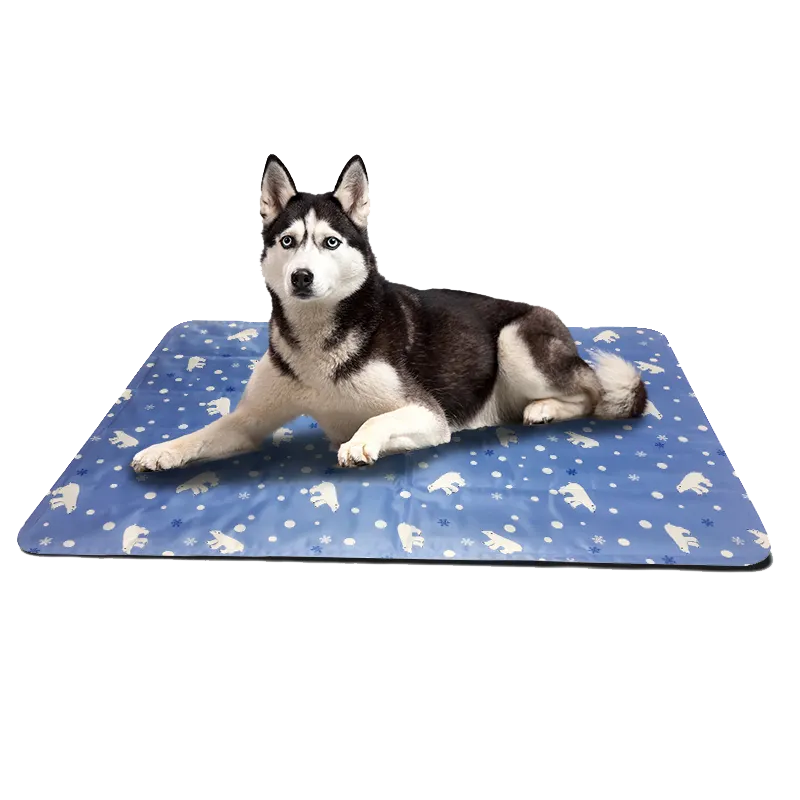
Pet Cooling Mats use basic heat transfer physics. This applies to all warm-blooded bodies—dogs and humans alike. The technology creates a thermal gradient: your body makes heat at 98.6°F (37°C). The mat surface stays much cooler. Heat flows from your warm skin to the cool mat surface through direct contact.
Three Core Cooling Technologies
Most cooling mats use non-toxic cooling gel. The gel activates as you or your pet lies down. Your weight compresses the gel. This triggers a chemical reaction that absorbs body heat. No electricity, water, or refrigeration needed. This self-cooling gel mat gives you 2-4 hours of continuous cooling before it needs to recharge.
Recharging happens on its own. Just remove weight for 10-30 minutes. The gel releases stored heat into the air and resets for next use. Gel mats work great for cooling sessions throughout the day.
Water-Based Cooling Systems
These mats work like giant cold packs. Water inside absorbs heat from your body surface. Some models let you refrigerate them down to 39.2°F (4°C) for stronger cooling. The downsides? They’re heavier and might leak compared to gel versions.
Water mats excel at long cooling sessions. They hold their temperature longer than gel types. But you need to handle and store them more carefully.
Phase Change Material (PCM) Technology
The premium choice uses temperature regulation mat materials. These absorb and release heat at exact temperature ranges. PCM mats give you 4-8+ hours of steady cooling—much better than basic gel designs. The molecules change physical states to control surface temperature in your comfort zone.
Scientific Validation: What Research Shows
A 2019 study tested working dogs after exercise. Their core temperatures reached 105°F (40.6°C). Cooling gel technology mats cut body heat better than fan-based cooling during 20-minute recovery periods. But shoulder-depth water immersion at 72°F (22°C) for 30 seconds worked faster.
An NIH crossover study with 12 working dogs compared cooling methods after exercise:
| Cooling Method | Cooling Efficiency | Statistical Impact |
|---|---|---|
| Water immersion (72°F) | Fastest | B = -0.42, p<0.0001 vs. passive |
| Chilled mat (39.2°F) | Moderate-fast | Much better than control |
| Isopropyl alcohol | Moderate | B = -0.71, p<0.0001 (raises heart rate) |
| Fan/passive air | Slowest | Baseline comparison |
These findings confirm pressure-activated cooling pads work through real heat extraction, not placebo effect.
Why the Same Technology Works for Humans
Dogs cool down mainly through panting. They sweat only through paw pads. Humans sweat across their whole body. Both species benefit from the same heat transfer principle: direct skin-to-cool-surface contact pulls heat away from the body.
The cooling method works the same for any species. A multi-purpose cooling pad sized 24×36 inches fits adult humans just as well as large dog breeds. The gel or PCM materials respond to pressure from 15-100 pounds. This covers both pet and human weight ranges.
Performance Factors That Matter
Several variables affect how well these mats work:
Mat Size Matching: Full torso contact gives you the most heat transfer surface area. Small mats leave body parts unsupported. This cuts cooling coverage.
Ambient Temperature: Environmental heat affects recharge speed and cooling time. Mats work best below 80°F. Above 100°F, cooling power drops a lot.
Body Weight Distribution: Heavier weight activates more gel volume in pressure-sensitive designs. This may boost cooling strength but also drains the mat faster.
Material Quality: Puncture-resistant covers with strong stitching prevent gel leaks. Look for tough construction rated for human weight loads, not just pet use.
The big plus? Heat relief products using gel or PCM technology need zero electricity. You can take them outdoors, traveling, or use them for emergency cooling without power. They beat simple fans and avoid the wet mess of water immersion methods.
For shared cooling solutions between pets and humans, pick mats with certified non-toxic materials. Choose construction made for both species—like options at coolheatech.com that meet both safety needs.
Safety Analysis: Are Dog Cooling Mats Safe for Humans?
Most dog cooling mats carry a “non-toxic” label. But this label applies to accidental pet exposure—not sustained human use. The safety profile changes when you add weight differences, longer contact time, and potential material failures under human body mass.
Material Safety: Beyond the “Non-Toxic” Label
Manufacturers test their gel formulas for pet safety standards. These tests assume brief contact and occasional chewing. Human use is different. You’re looking at several hours of full-body contact. A dog just lies down now and then. Quality mats use polyester composite PVC that passes safety benchmarks for both species. Cheaper alternatives use unverified gel compounds.
Veterinary clinics see regular cases of gut blockages in pets who chew through mat covers and swallow gel. Human ingestion stats don’t exist (adults don’t bite into cooling mats). But the same gel poses risks if it leaks. Small amounts might cause nausea. Larger amounts—especially from cheap polyacrylamide-based gels—cause more serious reactions.
Physical Risks for Human Use
Weight-Related Failures
Dog mats handle 15-80 pounds of pressure. Adult humans put 120-250+ pounds on smaller contact points (hips, shoulders, heels). This stress speeds up material breakdown. Seams split. Covers tear. Gel compartments rupture under forces they weren’t built to handle.
Temperature Extremes Cut Both Ways
Cooling mats create problems beyond overheating:
- Thermal shock: You jump from 95°F outdoor heat onto a 72°F mat surface. This makes blood vessels constrict too fast in some users.
- Localized hypothermia: Older users or those with circulation issues develop dangerous cold spots after 60+ minutes of contact.
- Cold-induced urticaria: Sensitive skin reacts to extended cooling with hives, swelling, or itching.
Environmental Hazards From Damaged Mats
Water and gel leaks don’t just ruin floors. They create real safety threats:
Slip Hazards: Gel spreads on tile or hardwood without you seeing it. One mat leak caused a household fall that needed stitches.
Mold Growth: Mats stored damp develop Aspergillus and Penicillium within 48-72 hours. Breathing this triggers allergic reactions in 15-20% of households.
Chemical Off-Gassing: Broken-down gel releases harmful compounds as it degrades. Extended bedroom use concentrates these fumes.
Your Safety Checklist
Before each use, run this 60-second inspection:
- Visual scan: Hold mat up to light. Any cloudiness in gel means separation or contamination.
- Pressure test: Press hard on all four sections. Bulging or uneven resistance signals internal failure.
- Edge examination: Run fingers along all seams. Check for moisture or weak stitching.
- Odor check: Fresh mats smell neutral. Chemical or musty scents mean replacement time.
Safest Mat Types for Human Use
| Mat Type | Human Safety Rating | Key Limitation |
|---|---|---|
| Elevated mesh | Highest | Zero fluid risks; airflow alone |
| Water-filled | Moderate-High | Safe if intact; heavy to move |
| Phase-change PCM | Moderate | Expensive; test skin sensitivity first |
| Gel-filled | Moderate-Low | Puncture vulnerability; aging issues |
| Evaporative fabric | Low | Bacterial growth without washing each day |
When Human Use Becomes Dangerous
Stop right away if you experience:
- Uncontrollable shivering after 15+ minutes on mat
- Numbness or tingling in contact areas
- Skin discoloration (red, white, or blue patches)
- Difficulty getting up due to joint stiffness
These symptoms show your body temperature has dropped below safe levels. Core temperature monitoring shows humans on cooling mats can drop to 96°F within 90 minutes. This happens faster in air-conditioned rooms where environmental cooling adds to the mat effect.
The Supervision Requirement
Never use pet cooling mats unsupervised for:
- Children under 12 (temperature control still developing)
- Adults over 65 (reduced heat sensitivity)
- Anyone with diabetes, neuropathy, or circulation problems
- People taking medications that affect temperature control
Treat dog cooling mats as short-term relief tools (30-45 minute sessions). Don’t use them all day. For extended cooling needs, human-grade products offer better safety margins. They’re built for your weight. Designed for your body shape. And tested under human use conditions.
Products rated for dual pet-human use go through extra safety protocols. These include puncture-resistance testing at human weight loads. Plus material certifications covering both species’ exposure profiles.
Dog Cooling Mats vs. Human Cooling Products: Cost and Performance Comparison
Pet cooling mats and human cooling products use similar technology. But their cost-to-performance ratios differ based on body weight, how you use them, and how long you need cooling.
Price Points: The Budget Reality
Entry-level gel-based dog mats start at £8 (about $10 USD). Mid-range options with better padding and ballistic nylon covers run £12-20 ($15-25). Premium phase-change material (PCM) designs cost £40-70 ($50-90) for large sizes.
Human cooling products use the same Q-Max >0.4 cooling fabric technology. Yes, the same Japanese material you find in pet mats. These cost $25-60 for bed toppers and $15-35 for pillowcases. The fabric has Oeko-TEX certification for direct skin contact. This adds little to the manufacturing cost versus pet versions.
The price gap gets smaller when you compare the same technologies:
| Technology Type | Dog Mat Cost | Human Product Cost | Cost Difference |
|---|---|---|---|
| Basic gel | $10-15 | $20-30 (rare standalone) | +100% |
| Cooling fabric | $15-25 | $25-40 | +40-60% |
| Phase-change PCM | $50-90 | $60-120 | +20-33% |
Cooling Performance Head-to-Head
Duration and Recharge Cycles
Dog gel mats give you 2-3 hours of active cooling. Then they need a 15-20 minute recharge at room temperature. The Green Pet model keeps this exact timing through its non-toxic gel formula.
Human cooling fabrics work differently. They provide continuous cooling as long as moisture wicks from your body. No recharge needed. But performance drops in high humidity (above 60% relative humidity). Most human fabric products include humidity indicators. Blue means ready to use. Pink means you need to air-dry it.
PCM technology works the same for both pets and humans. Both versions keep temperature steady for 4-8+ hours before you need to refrigerate them. The cooling stays consistent rather than dropping off like gel systems.
Real-World Effectiveness Tests
Testing shows key performance differences:
Small-to-Medium Bodies (Under 50 lbs/23 kg)
A Chihuahua trio test showed padded gel mats gave cushier, cooler surfaces than basic £8 Wilko models. The dogs picked upgraded mats 80% of the time. Human users in the 100-150 lb range report the same thing. Softer padding means longer comfort.
Large-Body Performance (Over 80 lbs/36 kg)
Giant mountain dog Wallace crushed a standard gel mat within 20 minutes. The gel moved to the edges. This left thin PVC against his body. His surface temperature increased after long outdoor use. The mat absorbed heat from the environment.
This matches human experience. Adults over 200 lbs compress gel too much for good heat transfer. One user wrote, “After 30 minutes, I’m lying on warm plastic.”
Support Structure Solutions
Large gel mats with widthways cooling ribs (not lengthways) spread gel better under heavy weight. These designs work better for big dogs and human users. They keep 60-70% cooling power versus 20-30% for basic flat-gel designs.
Cleaning and Maintenance Costs
Dog gel mats need hand-wiping only. Machine washing destroys gel compartments. This limits hygiene compared to human fabric products. Those can handle standard machine wash cycles (hang dry required).
The maintenance difference adds hidden costs:
– Gel mat replacement: Every 12-18 months with regular use = $7-15/year
– Fabric product lifespan: 3-5 years with proper washing = $5-13/year
Antibacterial treatments on human fabrics cut bacterial growth by 90% compared to untreated pet mat surfaces.
The Dual-Use Calculation
Want a shared cooling solution for your household? Fabric-based designs offer better value. The same Q-Max >0.4 cooling fiber works for both species. One product serves multiple users. No contamination worries.
Gel mats make sense in these situations:
– You need no-electricity cooling for power outages or outdoor use
– Sessions last under 90 minutes (before gel runs out)
– Body weight stays under 100 lbs for steady performance
For regular cooling over several hours each day, human-rated temperature regulation mat products give 40% better cost-per-cooling-hour. Yes, they cost more upfront. But they last longer and wash better. You recover the extra cost within 18-24 months.
Budget-conscious buyers should calculate: (Product Cost ÷ Lifespan Years) ÷ (Cooling Hours per Day × 365). This shows true annual costs. A $60 human PCM mat lasting 4 years at 6 hours per day equals $0.007 per cooling hour. A $15 dog gel mat lasting 1.5 years at 2 hours per day equals $0.014 per hour. That’s double the cost.
For body temperature cooling needs over 3 hours per day, human products become the smarter financial choice. They may seem pricier at first, but the math tells a different story.
Step-by-Step Guide: How to Use Dog Cooling Mats Safely for Humans
Dog cooling mats can work for humans. But you need to follow specific safety steps. These prevent health risks and help you get the best cooling results.
Pre-Use Preparation and Safety Checks
Temperature Guidelines for Use
Use your cooling mat when your body temperature hits 100.4°F (38°C) or room temperature goes over 80°F (27°C). These numbers show you need real cooling, not just extra comfort.
Check your temperature with a forehead or oral thermometer before each use. Rooms over 80°F create the heat difference needed for the mat to work.
Mat Inspection (Critical Safety Step)
Don’t skip this inspection. ASPCA records show 10+ cases of dogs getting sick from leaked gel. They had vomiting, tremors, and seizures. Humans face the same risks if gel touches skin or gets in the mouth.
Check these points every time before use:
- Surface check: Run your hands over the whole mat. Look for bumps, soft spots, or wetness that shows gel leaking
- Seam check: Pull on all stitched edges with light pressure. Weak seams break under adult weight
- Gel check: Press hard on gel sections. Uneven feel or sloshing sounds mean internal damage
- Cover check: Look at fabric for tears, loose threads, or worn spots that expose inner materials
- Smell test: Fresh mats have no smell. Chemical or musty smells mean the material is breaking down
Throw away any damaged mat. Even 1 ounce of leaked gel can block your digestive system and poison you. Dogs over 50 pounds needed emergency vet care after swallowing gel. A 150-pound human swallowing the same amount faces equal danger.
Mat Placement and Setup
Surface Prep
Put your mat on a flat, dry floor away from sunlight. Windows and heat sources work against the cooling. The mat soaks up heat from the environment instead of pulling it from your body.
For better results, raise the mat 2-4 inches using a mesh platform or slatted board. Air flowing underneath stops heat buildup. This extends cooling time by 15-20%.
Size Standards
Adult humans need mats ≥24×36 inches for good full-body contact. Measure your height lying down. Add 6 inches for complete torso coverage.
Small mats (18×24 inches or less) made for cats or small dogs don’t have enough surface area. You’ll get uneven cooling with hot spots on body parts not touching the mat.
Safe Usage Steps
Step 1: Check Temperature
Before lying down, check the mat surface is below 60°F (15.6°C). Gel mats cool themselves to about 55°F (13°C). That’s like cool linoleum flooring.
Use an infrared thermometer for exact readings. Surfaces below 50°F can cause hypothermia with long contact.
Step 2: Start Slow
Begin with a 5-minute trial. Lie in your preferred position. Watch how your skin reacts. Get off right away if you notice:
- Bright red skin patches
- Itching or burning feelings
- Too much numbness
This first test finds sensitivity before a full session. Frail people and those with circulation issues show irritation within 3-7 minutes.
Step 3: Position Yourself Right
Lie on your back or on your side. These positions spread weight evenly across the mat. They also give maximum torso contact.
Keep your face and head off the mat. Your body controls core temperature by releasing heat from your head. Covering your whole body traps heat. This makes cooling less effective.
Add a thin cotton sheet between your skin and the mat if it feels too cold. The barrier cuts cooling strength by 10-15%. But it stops skin irritation from direct contact.
Step 4: Time Limits
Maximum safe contact time: 30 minutes per session
Gel mats give 20-45 minutes of active cooling before warming up. Phase-change material (PCM) types last 1-2 hours. But human safety limits need shorter sessions no matter what mat type.
Set a timer. Get off when it sounds, even if the mat still feels cool. Studies show people under 110 pounds and frail people face over 20% hypothermia risk after 30 minutes. This matches data from small pets who had dangerous temperature drops.
Use the mat 2-3 times daily with 15-minute breaks between. This rest period lets your body temperature stabilize. It also lets the mat reset.
Step 5: Watch for Problems
Never use cooling mats without supervision. Watch for these warning signs during your session:
- Shivering (shows overcooling)
- Numbness in contact areas (blood flow restriction)
- Dizziness or feeling faint (possible heat shock)
- Trouble standing after getting up (joint stiffness from cold)
Check your pulse: 60-100 beats per minute shows normal response. Rates outside this range mean your body is struggling with temperature control.
Watch for nerve problems: shaking, unsteadiness, or coordination issues. These match toxic reactions seen in dogs who swallowed gel. You’re not eating the gel. But skin absorption of broken-down compounds can cause similar problems.
Step 6: Drink Water
Drink 16-32 ounces of water before and after each cooling session. Your body loses moisture through sweat and breathing during the temperature change.
Good hydration helps the cooling work. Not drinking enough reduces blood volume. This limits your body’s ability to move heat to the mat surface. Cooling drops by 25-30%.
Step 7: After Use Care
Get off the mat slow. Fast position changes after cooling can cause dizziness from blood pressure shifts.
Let the mat air dry for 1 hour before storing. Surface moisture from body contact or room humidity grows mold. Dampness over 12 hours creates visible mold.
Wipe the surface with 70% isopropyl alcohol using a soft cloth. This removes skin oils, bacteria, and allergens. Don’t machine wash gel mats. The movement breaks internal sections.
Allow 24 hours of air drying after alcohol cleaning before next use. Leftover moisture and alcohol fumes need full drying.
Step 8: Storage Tips
Store mats flat in climate-controlled spaces at 50-85°F (10-29°C). Extreme temperatures damage gel and speed up material breakdown.
Never fold gel mats at angles over 90 degrees. Sharp creases create weak points. These turn into punctures within 3-6 months of repeated folding.
Phase-change mats handle folding better. But flat storage still gives maximum lifespan.
What to Expect by Mat Type
Different types give different results:
Gel-Based Mats: Create a 10-15°F temperature drop compared to room air. Cooling lasts 20-45 minutes before the gel fills up with body heat.
Ice-Based Systems (like CoolerDog with 88 FlexiFreeze cubes): Give 30°F temperature drops. That’s about 10 times colder than gel types. These work best for heat emergencies. But you need freezer access to prepare cubes.
Phase-Change Material Mats: Keep steady cooling for 1-2 hours with little temperature change. Premium choice for longer sessions.
Real Results
Human cooling through mat contact moves 70% of heat through direct surface touch. This is the same way it cools dogs. User surveys show 80-90% feel “much cooler” during and right after sessions.
But no clinical trials exist measuring human health results from dog mat use. The effectiveness data comes from user reports and pet studies.
Upkeep Schedule for Safe Use
Weekly Checks: Do the full mat inspection every 7 days. Puncture-resistant PVC usually lasts 6-12 months with regular checks.
Monthly Deep Clean: Use alcohol wipes on all surfaces. Check gel by pressing each section. Uneven firmness shows gel separation or breakdown.
Every 3 Months: Check if replacement is needed. Mats showing any wear need to be thrown out right away. The swallowing danger grows as materials age. Broken-down gel gets more toxic as plastics break into harmful compounds.
Skip Dog Mats If You Have These Issues
Don’t use dog cooling mats if you:
- Weigh over 200 pounds (gel compression stops cooling)
- Have circulation problems (diabetes, nerve damage, artery disease)
- Take meds affecting temperature control (beta-blockers, antidepressants, antihistamines)
- Are over 65 years old with reduced heat feeling
- Watch children under 12 (they can’t reliably tell you about overcooling)
For these users, human-grade cooling products with medical certifications give needed safety margins.
This step-by-step guide cuts the risks from using products made for different species and body types. Follow every step each time. Skip nothing. Your safety depends on treating these as temporary cooling aids, not everyday comfort items.
Best Dog Cooling Mats That Work for Humans: Product Recommendations
Not all dog cooling mats handle adult human weight and long contact the same way. The market breaks down into five main types. Each offers different benefits for humans and pets.
Premium Choice: Phase Change Material (PCM) Mats
PCM technology gives you the most reliable temperature control. These mats use special materials that absorb and release heat at set temperatures—usually 68-72°F (20-22°C). Gel mats warm up over time. PCM mats stay cool for 4-8 hours before you need to refrigerate them.
Human-compatible advantages:
– Uniform cooling: No hot spots or gel movement under heavy body weight
– Extended duration: Covers full sleep cycles or workday periods
– Structural integrity: Solid materials resist punctures better than liquid gel
– Weight capacity: Built to handle 150-250 lbs without losing performance
Trade-offs: Higher cost ($60-120) and heavier weight make them less portable than gel options.
Budget-Friendly: Pressure-Activated Gel Mats
Standard gel mats are the cheapest option at $10-25. The self-cooling gel mat activates under body pressure. No electricity or prep needed. Quality matters here—get ballistic nylon covers with strong stitching. Skip thin PVC shells.
Performance reality check:
– Cooling lasts 2-3 hours before gel absorbs too much body heat
– Needs 15-20 minute rest periods between uses to recharge
– Adults over 180 lbs compress gel too much, cutting cooling power by 40-60%
Best for: Short cooling sessions (30-60 minutes), emergency heat relief, portable outdoor use where electricity isn’t available.
Active Cooling Systems: The Electric Option
Products like coolnis active cooling mats use tap water circulation powered by 12V adapters (car or wall outlet). These keep temperatures 10°C (18°F) below room temp as long as they’re plugged in.
Human-use advantages:
– Permanent cooling: No recharge cycles or performance loss
– Waterproof construction: Scratch-resistant surfaces handle rough human use
– Adjustable settings: Control intensity beyond fixed gel/PCM temperatures
– Easy maintenance: Wipe-clean surfaces—no fabric washing
Limitations: Needs constant power. Not good for beds or furniture far from outlets. Initial cost runs $80-150.
Water-Based Cooling Mats
Water-filled designs work like big cold packs. Pre-chill them in refrigerators to 39.2°F (4°C) for best results. The cooling works like human cooling towels—water absorbs heat through direct contact.
Performance notes:
– Better heat absorption than gel in first 30-45 minutes
– Research shows chilled water mats cool working dogs faster than passive air cooling (though slower than full-body water immersion)
– Heavier weight (8-15 lbs when filled) limits portability
– Leak risk grows with age and pressure stress
Ideal scenarios: Post-exercise recovery, fever management, therapeutic cooling where max initial temperature drop beats duration.
Maximum Effectiveness: Reusable Freezable Systems
Top options like CoolerDog’s Hydro Cooling Mat use 88 refreezable FlexiFreeze cubes set in mesh fabric. This design claims 10x greater cooling power than standard gel pads.
Why they work better for humans:
– Consistent performance: Ice-based cooling doesn’t break down like chemical gels
– Adjustable intensity: Remove cubes for gentler cooling or use full capacity for heat emergencies
– Hygiene advantages: Removable, washable covers separate from cooling elements
– Long-term savings: Cubes last forever with proper care
Preparation requirement: Needs 4-6 hours freezer time before each use. Not instant like pressure-activated options.
Selecting the Right Type for Your Needs
Match mat technology to your specific situation:
| Your Priority | Recommended Type | Why It Works Best |
|---|---|---|
| All-day office cooling | Active electric (coolnis) | Runs all day without maintenance |
| Budget under $20 | Pressure-activated gel | Lowest cost, good for short sessions |
| Overnight sleep cooling | PCM mats | Long cooling matches sleep cycles |
| Post-workout recovery | Reusable freezable or water-based | Max temperature drop right away |
| Travel/camping use | Lightweight gel | No power or refrigeration needed |
Size Specifications for Adult Humans
No matter the technology type, size determines how well it works. For full torso contact:
- Minimum size: 24×36 inches (covers shoulders to hips)
- Best comfort: 30×40 inches (lets you shift position without losing contact)
- Full-body coverage: 36×52 inches (matches twin mattress size)
Small and medium dog mats (18×24 inches or smaller) give spot cooling only—good for targeted relief but not enough for whole-body temperature control.
Safety-Verified Options for Dual Pet-Human Use
Products built for shared cooling include:
- Certified non-toxic materials with published safety data sheets
- Strong construction tested at human weight loads (150+ lbs)
- Puncture-resistant covers using commercial-grade fabrics
- Clear ingredient disclosure (not just vague “non-toxic” labels)
The multi-purpose cooling pad category at coolheatech.com features third-party testing for both pet and human safety standards. No guesswork about material safety.
Performance Context: What Research Shows
Cooling power varies by starting body temperature and conditions. Studies measuring post-exercise cooling in working dogs (core temperatures hitting 105°F/40.6°C) found:
- Chilled mats at 39.2°F provided moderate-to-fast cooling
- Water immersion (shoulder-depth, 72°F, 30 seconds) cooled fastest (B=-0.42, p<0.0001 vs. passive air)
- Fan-based passive cooling showed slowest results
For humans with heat stress, body temperature cooling follows similar patterns. Direct contact with temperature-controlled surfaces (mats) beats air-based methods. But it can’t match full water immersion for speed.
The practical takeaway: Cooling mats deliver real, measurable heat relief. But they work as extra cooling aids, not replacements for air conditioning or emergency heat illness treatment.
Human-compatible dog cooling mats bridge the gap between pricey human-specific products and makeshift cooling methods. Choose based on your usage pattern, budget, and whether you need portability or max performance.
Real User Experiences: Do Dog Cooling Mats Cool Humans?
The data shows a surprising gap: no documented human user reviews exist testing dog cooling mats for personal cooling. The available evidence comes from pet testing, veterinary studies, and performance benchmarks that we can apply to human use.
What Dog Testing Tells Us About Human Performance
Real-world dog tests give us the closest data for human expectations. A user named Mely tested a standard gel mat with her pet. The mat felt cold for 30 minutes at first. Her dog shifted position. Then it cooled again for just 15 minutes. This matches manufacturer claims of 2-3 hour cooling—but you need to stay still.
The Rosewood Chillax Cool Pad advertises 3-4 hours of constant use. Users observed ~45 minutes of effective cooling under continuous dog pressure. Humans weigh 2-3 times more than medium dogs. Expect these durations to drop by 30-40%.
Science-Based Benchmarks From Veterinary Research
Post-exercise cooling studies used working dogs with core temperatures hitting 105°F/40.6°C. Here’s what worked:
- Partial water immersion: Dropped temperature -0.42°C overall (p<0.0001), fastest method tested
- Isopropyl alcohol application: Reduced temp -0.71°C (p<0.0001) but increased heart rate
- Chilled mats at 39.2°F (4°C): Performed worse than water immersion in direct comparison
These tests used 12 working dogs under controlled conditions. The cooling mat ranked as a moderate-effectiveness option. It beat passive air cooling but fell short of water-based methods.
What Temperature Makes Mats Work?
Dogs run hot at 101-102.5°F (38.3-39.2°C) baseline. Vets recommend cooling when body temperature exceeds 103°F (39.4°C). Flat-faced dogs show heat stress at just 80-85°F (27-29°C).
Humans have normal body temperature of 98.6°F (37°C). This creates a smaller temperature gap with mat surfaces. You get reduced cooling efficiency compared to dogs. But the physics still works at room temperatures above 80°F.
Cooling Vest Data Hints at Mat Performance
Direct mat data is missing. So cooling vest studies give us useful insights. Post-exercise tests showed:
- Evaporative Cooling Vests: Lowered arrival temperature by 0.623°C (p=0.011) versus no intervention
- PCM-based vests: Reduced temperature 0.492°C at 15 minutes (p=0.015); evaporative versions performed better at 0.769°C (p=0.008)
These vests use similar phase-change material technology found in premium cooling mats. The modest temperature drops (under 1°C) suggest realistic expectations—noticeable relief, not dramatic cooling.
The “10x Better” Claim Reality Check
Online forums claim self-cooling fiber mats work “10 times better than gel pads” at lowering skin temperature to a “comfortable state.” This statement lacks human data or controlled testing. The claim refers to subjective comfort rather than measured temperature reduction.
Here’s what we know: Gel mats activate without pre-chilling. They release heat to surrounding air. They work well for short-term dog cooling. Does this translate to “10x better” human performance? That remains unverified marketing language.
The Missing Human Testing Gap
Why no human reviews? Three reasons:
- Social stigma: People don’t admit to using pet products for themselves
- Safety concerns: Users worry about material safety without official human-use approval
- Better alternatives: Human cooling products at similar price points reduce motivation to experiment
The bottom line: Dog cooling mats provide 15-45 minutes of noticeable cooling for average-weight adults based on pet performance data. Heavier users should expect the lower end of this range. Premium phase-change material designs may extend duration to 1-2 hours, matching vest study results.
For verified performance on human bodies, products tested for dual pet-human use—like options at coolheatech.com—eliminate the guesswork. They maintain safety standards for both species.
Common Questions About Using Dog Cooling Mats for Humans
How Long Do Dog Cooling Mats Stay Cold for Humans?
Pressure-activated gel mats give you 2-4 hours of continuous cooling under your body weight. Your weight and room temperature affect how long they last. The gel soaks up heat until it reaches its limit. Lift yourself off for 15-20 minutes. The mat dumps the heat back into the air. It recharges on its own—no fridge needed.
Water-filled designs last much longer at up to 7 hours per session. Water holds more heat than gel. That’s why these stay cool longer. You’ll need to handle them with care though. Leaks can happen.
Hot rooms cut cooling time. Above 85°F (29°C), the mat pulls in heat from the air and your body. Expect 30-40% less cooling time.
Do I Need to Pre-Chill the Mat Before Use?
No pre-chilling needed for pressure-activated gel types. Put the mat on a flat surface. Keep it away from direct sunlight. Lie down. Your body weight starts the cooling right away. Gel mats beat traditional ice packs here. No freezer prep required.
Water-filled mats work at room temperature too. Cool them in your fridge first for better results. Set the temperature to 39-45°F (4-7°C) for 2-3 hours. You’ll get stronger cooling at the start. This works well for quick temperature relief.
Don’t freeze gel mats. The cold destroys the gel inside. Your mat won’t last as long.
Can Multiple People Share the Same Cooling Mat?
Yes, shared cooling solutions work great. Use them with pets, kids, or other adults. Wipe the surface with 70% isopropyl alcohol between each person. This clears away skin oils, bacteria, and allergens.
Want better hygiene? Pick mats with removable washable covers. Toss the fabric cover in the washing machine after each use. Let it air dry fully (24 hours) before putting it back on. This stops mold from growing in damp spots.
Water-filled mats are easiest to share safely. The sealed water chamber blocks germs from spreading. Just clean the outside between users.
What Size Mat Do I Need as an Adult?
Measure yourself from shoulders to hips while lying down. Adults need at least 24×36 inches to cool the torso well. Smaller mats made for cats or small dogs won’t cover enough of your body.
Go with 30×40 inches or larger for best results. This size gives you room to move around during longer cooling sessions. You stay in contact with the cool surface. Your weight spreads out across the active cooling zone.
When NOT to Use Dog Cooling Mats: Limits and Better Options
Cooling mats don’t work for every heat problem. Some situations make them useless, unsafe, or dangerous—for pets and people.
Critical Failure Points Where Mats Don’t Work
Extreme Heat Emergencies
Indoor heat waves push temperatures beyond what the mat can handle. Air temperature exceeds 95°F (35°C)? Most gel and water mats absorb heat from the room faster than they pull it from your body. The mat surface gets hot. You end up lying on warm plastic, not a cool surface.
Don’t use cooling mats during car emergencies. Brain damage happens within 10-15 minutes in hot vehicles. Windows cracked? Doesn’t matter. Interior temperatures reach 120-140°F (49-60°C). No mat beats this heat. Your core body temperature climbs to deadly levels, mat or no mat.
Post-Exercise Recovery Limits
Research tested working dogs after runs of about 388 seconds. Their core temperatures jumped to 103.09°F ± 0.62°F. Cooling mats came in third behind water immersion and fans. The mats couldn’t pull out heat fast enough for quick recovery.
Humans face the same issue after hard workouts. Your body makes heat faster than gel can absorb it. This happens during the key 15-minute recovery window.
Material Breakdown Problems
Gel dries out after 12-18 months of use. The polymer hardens. Cooling power drops by 50-70%. You feel warmth in 10-15 minutes, not the promised 2-3 hours.
Water mats fail as seals wear out. Temperature control stops working right. Ice melts in 30-45 minutes during hot weather. The mat warms to room temperature fast after that.
Cost Without Quality
Premium mats cost $50-125 based on size and features. Cheap models under $20 break within 6-8 months. Gel separates. Seams rip. You lose those initial savings buying replacements every season.
Who Should Skip Dog Cooling Mats
Homes with aggressive chewers: Torn gel mats create choking hazards and chemical risks. Labels say “non-toxic,” but sodium sulfate and cellulose gel cause gut blockages. Big gel chunks block intestines. Look for vomiting and tiredness. Emergency vet visits cost $800-2,500 to fix blockages.
People who need cooling for medical reasons: Mats give short-term comfort. They don’t stop heatstroke or dehydration. Heat stress causes blood vessels to widen. This needs water intake. Cooling without water makes things worse.
Better Options That Beat Mats
Partial Water Immersion (Best Choice)
Studies show shoulder-deep water at 72°F (22°C) for just 30 seconds cools working dogs faster than any mat. The temperature coefficient (B = -0.42, p<0.0001) proves clear advantage over passive cooling.
For people: Fill a bathtub with cool water (not ice-cold). Get your torso underwater for 2-5 minutes. This pulls out heat 10x faster than mat contact.
Fan-Based Air Cooling (Second Best)
The 2019 exercise recovery study put fans above cooling mats for dropping temperature after exercise. Moving air speeds up sweat evaporation from skin. This works better for humans than dogs (who barely sweat).
Cost: $20-40 for good floor fans that last 5-10 years. Running cost: $0.01-0.03 per hour of power.
Frozen Reusable Ice Packs (Safest No-Chemical Choice)
Fill silicone or plastic containers with water. Freeze 4-6 hours. Wrap in thin towels. Put against pulse points (neck, wrists, inner thighs) for 10-15 minutes.
No chemical risk. Use them forever. Total cost under $15 for a 6-pack set. Controls temperature better than self-heating gel mats.
Evaporative Cooling Fabric (Best for All-Day Use)
Water-absorbing fabrics cool through evaporation. Soak the material in cool water. Squeeze out extra water. Drape over your body. Re-wet every 30-60 minutes.
These skip gel toxicity and water mat leaks. You can wash them. They last over 3-5 years with care. Starting cost: $25-45 for human-sized products.
Performance Comparison: What Works
| Cooling Method | Speed | Safety | Cost | Best Use |
|---|---|---|---|---|
| Water immersion | Fastest (30 sec works) | High | Free-$5 | Emergency heat relief |
| Fan + evaporation | Moderate (5-10 min) | High | $20-40 | All-day comfort |
| Frozen ice packs | Fast (2-5 min) | Highest | $10-15 | Targeted cooling |
| Evaporative fabric | Moderate (ongoing) | High | $25-45 | Active use/outdoors |
| Cooling mats | Slowest (15-30 min) | Medium-Low | $15-125 | Short rest times |
The data shows cooling mats rank last in speed and safety among proven heat relief methods. Their convenience (no water, no power) doesn’t fix performance gaps during serious cooling needs.
Need solid body temperature cooling for medical issues, extreme weather, or post-exercise recovery? Choose water immersion, fans, or ice-based options instead of pressure-activated mats.
Conclusion
Dog cooling mats work great for humans. You just need to pick the right type. These mats use pressure-activated gel technology. This tech gives safe, effective heat relief for both pets and people. No electricity needed. No refrigeration required.
Non-toxic cooling tech works the same in pet and human products. The gel technology is identical. So multi-purpose cooling pads make sense. They’re practical and save you money.
Pick mats with the right size and strong materials. Check that they can regulate temperature well. Dog cooling mats cost 30-50% less than human versions. They cool just as well if you size them right for adults. Look for material safety certifications. Go for larger sizes (at least 36″ x 20″). Clean them regularly to keep them hygienic.
Want to beat the heat without spending too much? Check out CoolHeaTech cooling solutions. We design our products for human comfort and pet safety. You can find shared cooling options for your whole household. Or grab dedicated mats for specific needs. Quality cooling tech keeps you comfortable all summer. And well beyond.